




硕腾公司
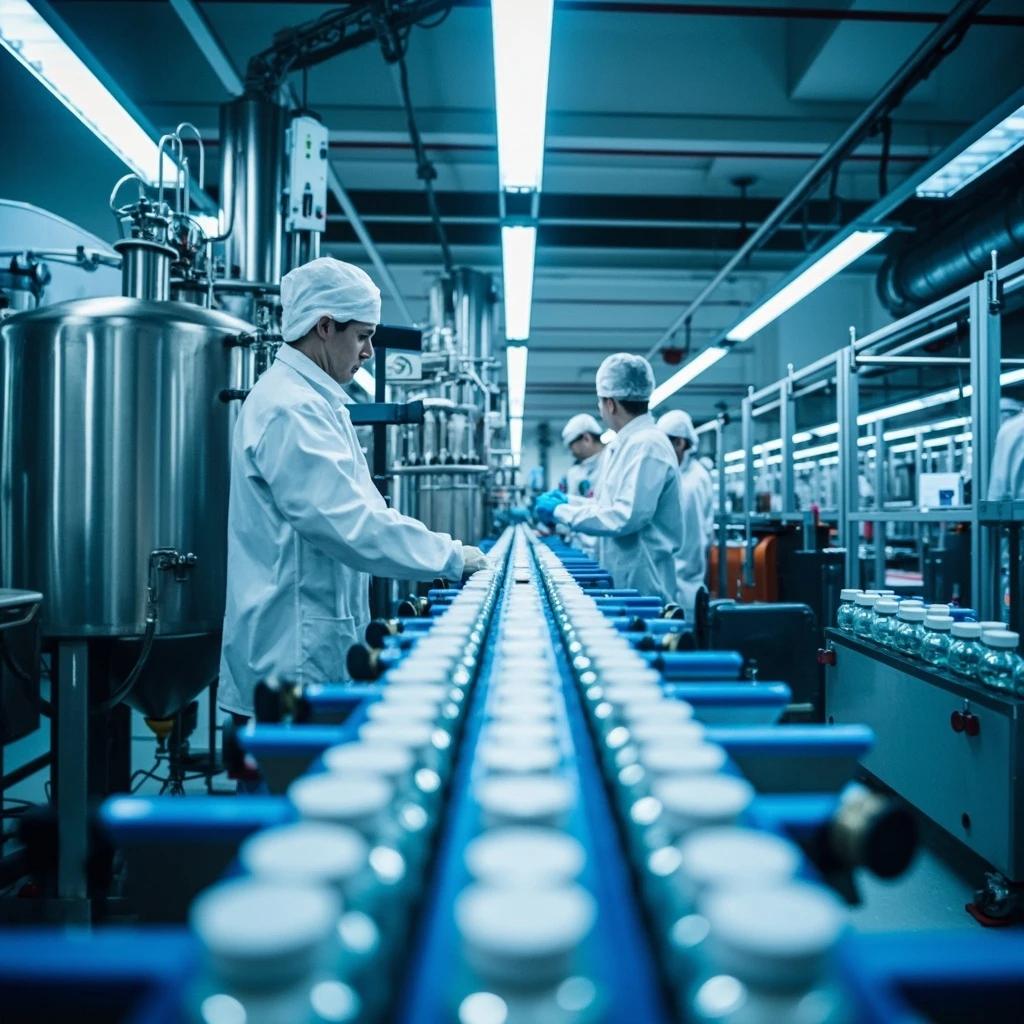
硕腾公司是全球领先的纯动物保健企业,在兽药和宠物医疗领域占据主导地位。公司成立于1952年,最初为辉瑞的动物保健部门,后于2013年完成里程碑式的首次公开募股(IPO),总部位于美国新泽西州帕西帕尼。2025年,硕腾年营收达950亿美元,在11个国家运营着23个生产基地

默沙东公司(动物保健部门)
默克动物保健(北美以外地区称MSD动物保健)是制药巨头默克公司旗下的动物保健业务部门,依托母公司650.1亿美元总营收及每年超过70亿美元的研发引擎。总部位于美国新泽西州拉威市。该部门2025年动物保健业务收入为640亿美元,在50多个国家设有生产基地,由7.5万名母公司员工提供支持。
品牌
默克动物保健
成立时间
1940
员工规模
7.5万(母公司默克)
覆盖范围
产品覆盖150+个国家,直接办事处覆盖50+个国家
生产基地
全球生产覆盖50+个国家;堪萨斯州德索托扩建项目8.95亿美元;奥地利克雷姆斯设施1.85亿美元
总部
美国
市场
纽约证券交易所:母公司

勃林格殷格翰国际有限公司
勃林格殷格翰是全球最大的家族私有制药企业,其动物保健业务位列全球兽药行业前三强。这家家族企业创立于1885年,总部位于德国莱茵河畔英格尔海姆,2025年实现总净销售额2775.1亿欧元,其中动物保健业务贡献487.5亿欧元。公司在13个国家设有20个生产基地,全球员工总数达…

礼蓝动物保健公司
Elanco Animal Health是一家全球顶尖的动物保健公司,自2018年从礼来公司分拆以来,经历了深刻的战略转型。公司总部位于美国印第安纳州格林菲尔德,2025年营收达471.5亿美元(同比增长6%,有机增长7%),在17个生产基地拥有9300名员工。Elanco…

爱德士实验室公司
IDEXX Laboratories 是兽医诊断领域无可争议的全球领导者,其商业模式与传统动物制药企业存在根本性差异。公司成立于1983年,总部位于美国缅因州韦斯特布鲁克,2025年实现营收430.4亿美元(同比增长10.42%),拥有11,000名员工。IDEXX构建了无与伦比的"剃刀与刀片"生态系统:通…
品牌
爱德士
成立时间
1983
员工规模
1.1万
覆盖范围
产品覆盖175+个国家
生产基地
制造基地在缅因州(韦斯特布鲁克、斯卡伯勒)和佐治亚州(罗斯威尔);全球80多个参考实验室
总部
美国
市场
纳斯达克:IDXX
诗华动物保健公司
Ceva Santé Animale 是全球增长最快的独立动物保健公司之一,以其员工与私募股权联合体所有权结构及卓越的生产布局而著称。公司成立于1999年,总部位于法国利布尔讷,2024年营收约17.7亿欧元(约合19亿美元),在全球拥有7,000名员工、32个生产基地及21个研发中心。<…
威霸公司
Virbac 是一家专注于动物健康的制药公司,由一位兽医于1968年创立,秉持"由兽医创立,为兽医服务"的经营理念。公司总部位于法国普罗旺斯-阿尔卑斯-蓝色海岸大区卡罗斯,2025年营收达14.65亿欧元(约合16亿美元)(有机增长7.9%),在12个国家设有12个生产基地,拥有6400名员工

Dechra Topco有限公司
Dechra Pharmaceuticals(现为Dechra Topco Limited)是一家高度专业化的制造商,专注于小众伴侣动物治疗市场——内分泌学、皮肤病学、眼科学和重症监护麻醉。公司成立于1997年,总部位于英国柴郡诺斯维奇,于2024年由EQT以具有里程碑意义的44.36亿英镑收购完成私有化。2024财年,公司实现约7.96亿…
威特奎诺公司
Vetoquinol 是一家高度独立、受家族影响的法国动物保健公司,自1933年成立以来,始终坚定不移地推行以"核心产品"为重点的战略。公司总部位于法国勃艮第-弗朗什-孔泰大区吕尔,2025年实现营收5.257亿欧元,在全球5个综合生产基地拥有2,486名员工。伴侣动物业务…

天津瑞普生物技术股份有限公司
瑞普生物(天津瑞普生物技术股份有限公司)是中国领先的上市动物保健制造商,也是该全球前十强排名中唯一总部位于亚洲的企业。公司成立于1998年,总部位于中国天津,2025年实现营收33.98亿元人民币(约合4.7亿美元)(同比增长7.72%),其中宠物健康板块猛增24.39%至8.58亿元人民币。瑞普生物的核心…
常见问题
我们的排名是如何生成的?
垂直整合衡量每个制造商从原料药到制剂的掌控程度、内部生物制品发酵能力、自有试剂生产以及冷链物流所有权。创新与研发考察研发投入占收入的比例、专利生产工艺数量、新型递送平台开发以及近期设施扩建资本支出。供应链韧性评估地理制造多元化、关键生产线的冗余、合规记录(FDA和EMA检查结果)以及在供应中断期间的表现。
所有数据来源于公司年报(2025财年)、SEC文件、FDA和EMA机构检查报告以及独立的制造业数据库。排名每年更新,以反映最新的运营和财务数据。我们的门槛要求是所有排名实体必须拥有实质性的内部制造能力;纯品牌运营商和依赖CDMO的公司被排除在外。
How Do We Generate Our Rankings?
Vertical Integration measures each manufacturer's degree of API-to-formulation control, in-house biologics fermentation capability, proprietary reagent manufacturing, and cold-chain logistics ownership. Innovation & R&D examines R&D investment as a percentage of revenue, the number of patented manufacturing processes, novel delivery platform development, and recent facility expansion capital expenditure. Supply Chain Resilience assesses geographic manufacturing diversification, redundancy of critical production lines, regulatory compliance records (FDA and EMA inspection outcomes), and demonstrated performance during supply disruptions.
All data is sourced from company annual reports (FY2025), SEC filings, FDA and EMA establishment inspection reports, and independent manufacturing industry databases. Rankings are updated annually to reflect the latest operational and financial data. Our threshold requirement is that all ranked entities must possess substantial in-house manufacturing capabilities; pure brand operators and CDMO-dependent companies are excluded from consideration.
什么使兽药制造商成为世界级?
垂直整合深度——涵盖从原料药合成到成品剂型制造的整个链条——是区分真正制造领导者与配方商的关键。瑞普生物的11个生产基地和94条生产线展示了API级整合如何消除上游供应链依赖,并实现激进的成本结构。爱德士实验室代表了另一种制造卓越模式:专有诊断试剂合成需要ISO认证的洁净室、微流控芯片生产以及复杂的抗体/抗原稳定化工艺,通过消耗品重复购买模式实现60%以上的毛利率。
法规合规卓越性是第三大支柱,通过FDA和EMA检查结果来衡量。世界级制造商在所有设施中保持cGMP合规,无警告信,投资于持续的质量体系改进,并主动超越不断发展的无菌保证、数据完整性和供应链可追溯性监管标准。
What Makes a Veterinary Pharmaceutical Manufacturer World-Class?
Vertical integration depth—spanning from active pharmaceutical ingredient (API) synthesis through finished dosage form manufacturing—is what separates true manufacturing leaders from formulators. Ringpu Biology's 11 production bases with 94 lines demonstrate how API-level integration eliminates upstream supply chain dependencies and enables aggressive cost structures. IDEXX Laboratories represents a different manufacturing excellence model: proprietary diagnostic reagent synthesis requiring ISO-certified cleanrooms, microfluidic chip production, and sophisticated antibody/antigen stabilization processes that yield 60%+ gross margins through a recurring consumables model.
Regulatory compliance excellence is the third pillar, measured through FDA and EMA inspection outcomes. World-class manufacturers maintain cGMP compliance across all facilities with zero warning letters, invest in continuous quality systems improvement, and proactively exceed evolving regulatory standards for sterility assurance, data integrity, and supply chain traceability.
生物制品制造能力如何改变行业?
行业的“生物制剂军备竞赛”体现在2025年宣布的前所未有的资本支出承诺:Zoetis(5.9亿美元的乔治亚州设施)、默沙东动物保健(8.95亿美元的堪萨斯中心+1.85亿美元的奥地利)以及勃林格殷格翰(收入的22.9%用于研发和制造)。这些投资不仅仅是扩大产能——它们通过将最高价值的制造步骤内部化,从根本上改变了每家公司的战略地位。这些领导者选择自建而非购买生物制剂产能的决定,反映出一种战略认识:对大分子生产的控制是下一代伴侣动物治疗药物中决定性的竞争优势。
对于兽医诊所而言,这种制造演变意味着复杂治疗药物的供应更加稳定,随着生产规模扩大成本可能降低,以及更快获得最初为人类医学开发、现正适应兽医应用的创新生物疗法。从人类生物制药制造到兽医应用的技术转移——以勃林格殷格翰的BioXcellence CDMO部门为例——正在加速肿瘤学、免疫学和代谢疾病领域新型兽医生物制剂的管线。
How Are Biologics Manufacturing Capabilities Changing the Industry?
The industry's "Biologics Arms Race" is evident in the unprecedented capital expenditure commitments announced in 2025: Zoetis ($590M Georgia facility), Merck Animal Health ($895M Kansas center + $185M Austria), and Boehringer Ingelheim (22.9% of revenue into R&D and manufacturing). These investments are not merely expanding capacity—they are fundamentally altering each company's strategic position by internalizing the highest-value manufacturing steps. The decision by these leaders to build rather than buy biologics capacity reflects a strategic recognition that control over large-molecule production is the decisive competitive advantage in next-generation companion animal therapeutics.
For veterinary practices, this manufacturing evolution means more consistent supply of complex therapeutics, potentially lower costs as production scales, and faster access to innovative biologic therapies initially developed for human medicine that are being adapted for veterinary applications. The technology transfer from human biopharmaceutical manufacturing to veterinary applications—exemplified by Boehringer Ingelheim's BioXcellence CDMO division—is accelerating the pipeline of novel veterinary biologics across oncology, immunology, and metabolic disease indications.
中国在全球兽药制造中扮演什么角色?
中国制造模式与西方竞争对手的根本区别在于强调“原料药到终端”的封闭生态系统。瑞普生物的网络——通过中瑞供应链将其工厂直接连接到瑞派宠物医院网络的14,000多个兽医终端——消除了多层分销,压缩了利润,并最大化工厂利用率。中牧股份的国有身份使其能够优先获得政府融资,2025年经营活动现金流达11.58亿元人民币(同比增长175.89%),用于支持其从家畜疫苗向伴侣动物治疗药物的战略转型。
然而,中国制造商在全球挑战西方老牌企业时面临重大障碍:FDA和EMA的监管批准有限、国际品牌认知度尚浅,以及产品管线仍集中在疫苗和仿制药而非新型生物制品。行业面临的战略问题是:中国制造商是通过西方市场的监管审批路径进行正面竞争(这是一个长达十年的过程),还是像人类制药领域的中国CRO和CDMO那样,成为寻求成本竞争力生物制品生产能力的西方创新者的首选CDMO合作伙伴。
What Role Does China Play in Global Veterinary Pharmaceutical Manufacturing?
The Chinese manufacturing model differs fundamentally from Western competitors in its emphasis on "API-to-endpoint" closed ecosystems. Ringpu's network—connecting its factories through the Zhongrui Supply Chain directly to 14,000+ veterinary endpoints in the Ringpai Pet Hospital network—eliminates multiple layers of distribution, compresses margins, and maximizes factory utilization. CAHIC's state-owned status provides preferential access to government financing, with CNY 1.158 billion in operating cash flow (up 175.89% in 2025) funding its strategic pivot from livestock vaccines to companion animal therapeutics.
However, Chinese manufacturers face significant hurdles in challenging Western incumbents globally: limited FDA and EMA regulatory approvals, nascent international brand recognition, and pipeline portfolios still concentrated on vaccines and generics rather than novel biologics. The strategic question for the industry is whether Chinese manufacturers will compete head-to-head through regulatory approval pathways in Western markets—a decade-long process—or instead become the preferred CDMO partners for Western innovators seeking cost-competitive biologics production capacity, similar to the trajectory followed by Chinese CROs and CDMOs in the human pharmaceutical sector.
冷链物流在兽药供应链中有多重要?
本报告中排名靠前的制造商已将大量投资用于专有冷链基础设施,以此作为战略差异化因素。硕腾的23个全球生产基地通过一个集成的冷链物流网络连接起来,能够在120多个国家保持产品从工厂到兽医诊所的完整性。爱德士的诊断试剂分销同样需要严格的温度控制,因为抗体和抗原试剂在指定范围外会失去活性。经过验证的冷链基础设施所需的资本投资——包括温度监控仓库、冷藏运输车队、实时数据记录以及设备故障应急计划——对小型制造商构成了显著的进入壁垒。
对于兽医诊所而言,供应商的冷链能力直接影响产品可用性和临床结果。经历过温度偏差的疫苗或生物制品可能看起来正常,但效力显著降低,导致治疗失败,而从业者可能不会立即将其归因于供应链问题。诊所应核实其药品供应商是否维护了经过验证的冷链基础设施,具备实时温度监控、记录在案的应急方案,以及针对任何疑似冷链受损产品的透明召回程序。
How Important Is Cold-Chain Logistics in Veterinary Pharmaceutical Supply Chains?
The top-ranked manufacturers in this report have invested heavily in proprietary cold-chain infrastructure as a strategic differentiator. Zoetis's 23 global manufacturing sites are linked by an integrated cold-chain logistics network capable of maintaining product integrity from factory to veterinary clinic across 120+ countries. IDEXX's diagnostic reagent distribution requires equally rigorous temperature control, as antibody and antigen reagents lose activity outside specified ranges. The capital investment required for validated cold-chain infrastructure—temperature-monitored warehousing, refrigerated transport fleets, real-time data logging, and contingency planning for equipment failures—represents a significant barrier to entry for smaller manufacturers.
For veterinary practices, supplier cold-chain capability directly impacts product availability and clinical outcomes. A vaccine or biologic that has experienced temperature excursion may appear normal but have significantly reduced efficacy, leading to treatment failures that the practitioner may not immediately attribute to supply chain issues. Practices should verify that their pharmaceutical suppliers maintain validated cold-chain infrastructure with real-time temperature monitoring, documented contingency protocols, and transparent recall procedures for any product suspected of cold-chain compromise.