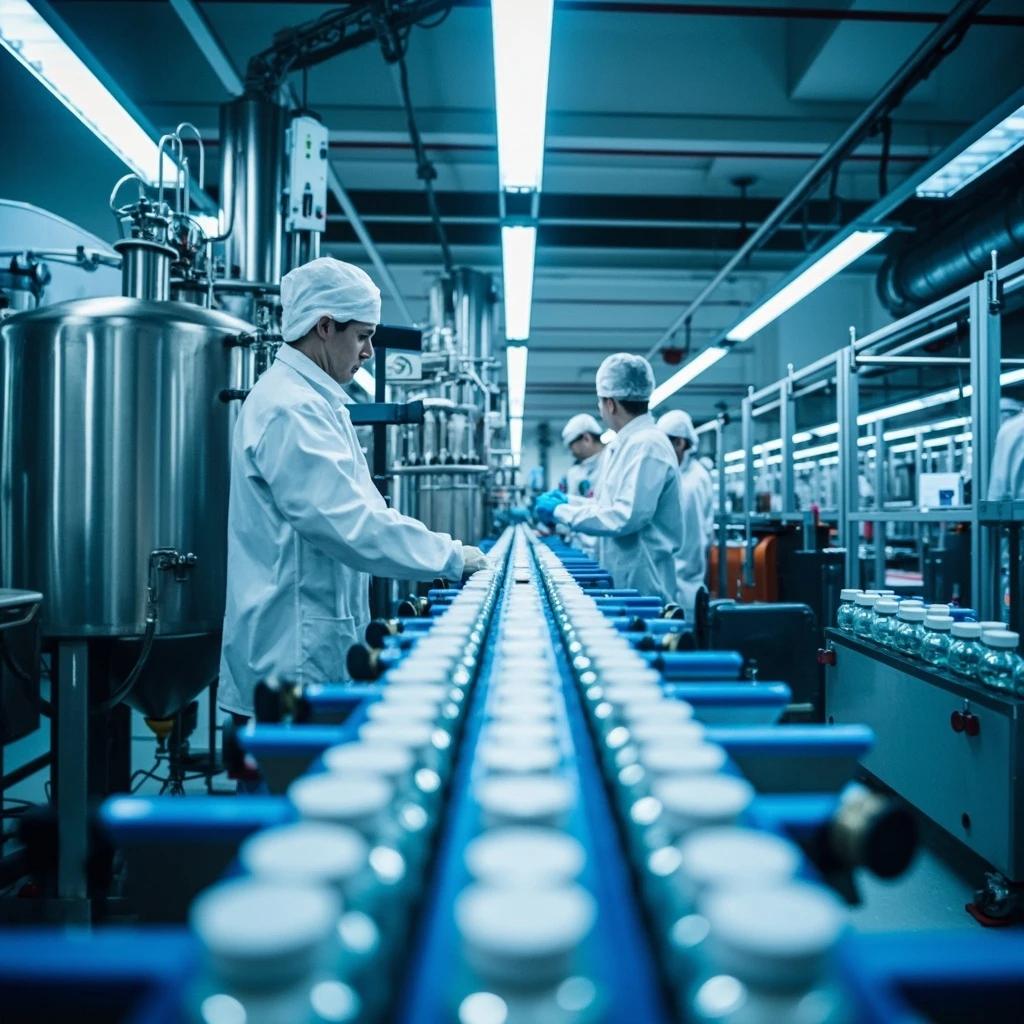
VerityRank采用严格的数据驱动方法论来评估和排名先进医疗设备制造商。我们的排名系统处理多个权威数据源,以生成对制造能力、生产规模和质量体系的客观、透明评估。
数据收集与验证
我们的研究团队从四类主要数据源汇总数据:(1)公开财务文件,包括SEC 10-K报告、年度报告和制造足迹披露;(2)监管数据库,包括FDA机构注册、检查分类和483表格观察项;(3)行业出版物,如Medical Design & Outsourcing、MedTech Europe和制造行业期刊;(4)专有市场情报,包括工厂审计报告、ISO认证数据库和资本支出跟踪。所有数据点在纳入前均需经过至少两个独立来源的自动验证。
评分框架
制造商在四个等权维度(各25%)上评分:生产规模与自给率评估工厂数量、地理分布和内部组件制造比例。高端设备专业化衡量在先进类别(包括影像、机器人和介入器械)中的营收集中度。全球供应链覆盖评估国家覆盖范围、区域冗余和关税韧性。质量与合规卓越性评估FDA检查历史、ISO认证、召回频率和质量管理系统成熟度。
质量保证
我们的排名每季度进行一次审查,并在发生重大事件(如工厂收购、重大设施扩建、重大监管行动或制造质量事件)时触发更新。最终分数由跨职能审查小组验证,确保与历史排名数据的一致性。
VerityRank employs a rigorous, data-driven methodology to evaluate and rank advanced medical equipment manufacturers. Our ranking system processes multiple authoritative data sources to generate objective, transparent assessments of manufacturing capabilities, production scale, and quality systems.
Data Collection and Verification
Our research team aggregates data from four primary source categories: (1) public financial filings including SEC 10-K reports, annual reports, and manufacturing footprint disclosures; (2) regulatory databases including FDA establishment registration, inspection classifications, and Form 483 observations; (3) industry publications such as Medical Design & Outsourcing, MedTech Europe, and manufacturing trade journals; (4) proprietary market intelligence including factory audit reports, ISO certification databases, and capital expenditure tracking. All data points undergo automated validation against at least two independent sources.
Scoring Framework
Manufacturers are scored across four equally weighted dimensions (25% each): Production Scale & Self-Sufficiency evaluates factory count, geographic distribution, and in-house component manufacturing ratio. High-End Equipment Specialization measures revenue concentration in advanced categories including imaging, robotics, and interventional devices. Global Supply Chain Reach assesses country coverage, regional redundancy, and tariff resilience. Quality & Compliance Excellence evaluates FDA inspection history, ISO certifications, recall frequency, and quality management system maturity.
Quality Assurance
Our rankings undergo quarterly review cycles with updates triggered by material events such as factory acquisitions, major facility expansions, significant regulatory actions, or manufacturing quality incidents. Final scores are validated by a cross-functional review panel ensuring consistency with historical ranking data.
顶级医疗设备制造需要精密工程、合规基础设施和可扩展生产能力的独特结合,全球只有少数公司能够维持。从MRI超导磁体到手术机器人微型仪器,先进医疗设备的制造复杂性要求远超标准工业生产的产能。
领先制造商的关键制造能力:
• ISO认证洁净室设施:植入式设备、无菌耗材和精密电子组件需要7级(ISO 14644)或更高级别的洁净室。领先制造商在多个大洲运营数十个认证洁净室。
• 垂直整合深度:顶级制造商拥有从原材料加工、精密机械加工、电子组装、软件开发到最终设备集成的内部能力。例如,西门子医疗自行生产MRI超导磁体和CT X射线管——这些组件大多数竞争对手必须外购。
• 监管质量体系:FDA质量体系法规(QSR/21 CFR Part 820)和ISO 13485合规需要全面的文档、验证和持续改进基础设施,这需要数年时间开发和数百万美元维护。一次FDA警告信即可停止生产并引发昂贵的整改计划。
• 灭菌和生物相容性:内部环氧乙烷(EtO)、伽马射线或电子束灭菌能力,并针对不同材料成分进行验证。所有接触患者的设备必须按照ISO 10993标准进行生物相容性测试。
• 供应链冗余:关键组件双源采购、区域安全库存和经过验证的替代供应商,确保中断期间的生产连续性。美敦力的62个设施网络和雅培的89个站点体现了这种规模冗余。
• 数字化制造集成:工业4.0能力,包括物联网生产监控、AI驱动质量检测和数字孪生仿真,优化良率并降低偏差率。迈瑞在深圳的“黑灯工厂”代表了自动化医疗设备生产的前沿。
维持这些能力所需的资本密集度构成了强大的进入壁垒,确保医疗设备制造领域仍由资本雄厚的现有企业主导。
Top-tier medical equipment manufacturing requires a unique combination of precision engineering, regulatory compliance infrastructure, and scalable production capacity that few companies globally can maintain. The manufacturing complexity of advanced medical devices—from MRI superconducting magnets to surgical robot micro-instruments—demands capabilities far beyond standard industrial production.
Essential manufacturing capabilities of leading producers:
• ISO-Certified Cleanroom Facilities: Class 7 (ISO 14644) or better cleanrooms are required for manufacturing implantable devices, sterile disposables, and precision electronic assemblies. Leading manufacturers operate dozens of certified cleanroom facilities across multiple continents.
• Vertical Integration Depth: Top manufacturers maintain in-house capabilities spanning raw material processing, precision machining, electronic assembly, software development, and final device integration. Siemens Healthineers, for example, manufactures its own MRI superconducting magnets and CT X-ray tubes—components that most competitors must purchase externally.
• Regulatory Quality Systems: FDA Quality System Regulation (QSR/21 CFR Part 820) and ISO 13485 compliance require comprehensive documentation, validation, and continuous improvement infrastructure that takes years to develop and millions of dollars to maintain. A single FDA warning letter can halt production and trigger expensive remediation programs.
• Sterilization and Biocompatibility: In-house ethylene oxide (EtO), gamma radiation, or electron beam sterilization capabilities with validated processes for different material compositions. Biocompatibility testing per ISO 10993 standards is mandatory for all patient-contacting devices.
• Supply Chain Redundancy: Dual-sourcing for critical components, regional safety stock, and validated alternative suppliers ensure production continuity during disruptions. Medtronic's 62-facility network and Abbott's 89-site footprint exemplify this redundancy at scale.
• Digital Manufacturing Integration: Industry 4.0 capabilities including IoT-enabled production monitoring, AI-driven quality inspection, and digital twin simulation optimize yields and reduce deviation rates. Mindray's "dark factory" initiative in Shenzhen represents the cutting edge of automated medical device production.
The capital intensity required to maintain these capabilities acts as a formidable barrier to entry, ensuring that the medical device manufacturing landscape remains dominated by well-capitalized incumbent players.
2025-2026年期间,FDA对医疗器械制造设施的监管审查显著加强,这源于高调的质量失败事件和上市后监管要求的提高。该机构的执法方式已从被动检查转向主动的、基于风险的质量体系评估,给各种规模的制造商带来了新的合规挑战。
主要监管趋势及制造商应对措施:
• 警告信和同意令增加:FDA在2025年向主要制造商发出了大量警告信,包括飞利浦(三家工厂因与Respironics召回相关的质量体系缺陷被点名),反映出执法力度的加强。公司正在通过大力投资质量体系整改、聘请高级质量管理人员以及实施人工智能驱动的偏差检测系统来应对。
• 质量管理体系现代化:制造商正在从纸质质量记录迁移到集成的电子质量管理系统(eQMS),该系统可提供全球运营的实时可见性。这些系统能够实现更快的纠正和预防措施(CAPA)周期,以及更有效的偏差趋势分析。
• 供应商质量管理:FDA的新指南强调了制造商对供应商质量的责任。领先公司已实施供应商记分卡、强制性审计计划和符合内部质量标准的资格要求。美敦力减少200个非核心供应商的做法反映了对供应商质量控制的更高关注。
• 上市后监督加强:FDA的国家卫生技术评估系统(NEST)以及对真实世界证据(RWE)的日益依赖,要求制造商维护强大的上市后数据收集系统。公司正在投资患者登记、投诉管理数据库和主动信号检测算法。
• 主动合规文化:除了监管最低要求外,领先制造商正在将质量文化嵌入其整个组织——从董事会层面的质量委员会到车间质量小组。这种文化转型表明,质量失败会带来生存性业务风险,正如飞利浦呼吸设备召回造成的数十亿美元后果所证明的那样。
将监管合规视为竞争优势而非成本中心的制造商最能在这种加强的监管环境中游刃有余,同时保持生产效率和产品创新速度。
FDA regulatory scrutiny of medical device manufacturing facilities has intensified significantly in the 2025-2026 period, driven by high-profile quality failures and increased post-market surveillance requirements. The agency's enforcement approach has shifted from reactive inspection toward proactive, risk-based quality system assessment, creating new compliance challenges for manufacturers of all sizes.
Key regulatory trends and manufacturer responses:
• Increased Warning Letters and Consent Decrees: The FDA issued a significant number of warning letters to major manufacturers in 2025, including Philips (three factories cited for quality system failures related to the Respironics recall), reflecting heightened enforcement. Companies are responding by investing heavily in quality system remediation, hiring senior-level quality executives, and implementing AI-powered deviation detection systems.
• Quality Management System Modernization: Manufacturers are migrating from paper-based quality records to integrated electronic Quality Management Systems (eQMS) that provide real-time visibility across global operations. These systems enable faster corrective and preventive action (CAPA) cycles and more effective trend analysis of non-conformances.
• Supplier Quality Management: New FDA guidance emphasizes manufacturer responsibility for supplier quality. Leading companies have implemented supplier scorecards, mandatory audit programs, and qualification requirements that mirror internal quality standards. Medtronic's reduction of 200 non-core suppliers reflects this heightened focus on supplier quality control.
• Post-Market Surveillance Enhancement: The FDA's National Evaluation System for health Technology (NEST) and increased reliance on Real-World Evidence (RWE) requires manufacturers to maintain robust post-market data collection systems. Companies are investing in patient registries, complaint management databases, and proactive signal detection algorithms.
• Proactive Compliance Culture: Beyond regulatory minimums, leading manufacturers are embedding quality culture throughout their organizations—from board-level quality committees to shop-floor quality circles. This cultural transformation represents a recognition that quality failures carry existential business risk, as demonstrated by the multi-billion-dollar consequences of the Philips respiratory device recall.
Manufacturers that view regulatory compliance as a competitive advantage rather than a cost center are best positioned to navigate this intensified oversight environment while maintaining production efficiency and product innovation velocity.
医疗设备制造回流美国和欧洲,是自20世纪90年代和21世纪初离岸外包浪潮以来行业最重大的结构性转变之一。受关税、疫情期间暴露的供应链脆弱性以及医疗供应主权的国家安全担忧驱动,这一趋势正从根本上重塑制造成本结构和竞争动态。
回流运动的关键影响:
• 资本支出激增:强生(四年550亿美元)、雅培(国内设施150亿美元+)、西门子医疗(瓦里安搬迁1.5亿美元)和飞利浦(AI超声扩展1.5亿美元)正共同向美国和欧洲制造能力投资数千亿美元。这些投资正在创造新一代高度自动化、AI赋能的“智能工厂”,旨在通过生产力提升抵消更高的劳动力成本。
• 自动化作为成本均衡器:新的国内设施强调机器人、自动导引车(AGV)和AI驱动质量检测,以减少直接人工含量。迈瑞深圳“黑灯工厂”可在最少人工干预下运行,证明自动化生产可接近传统低成本制造地点的成本竞争力。
• 双供应链成本:在美洲和亚太维持并行生产网络会产生大量间接费用。公司必须重复质量体系、监管申报和供应链管理基础设施。行业估计,双供应链相比单区域生产模式使总制造成本增加15-25%。
• 组件供应基地重组:仅回流最终组装是不够的,还需回流组件供应基地。制造商正在投资国内供应商发展计划,但在国内生产能力有限的特殊材料、精密电子和高等级聚合物方面仍存在关键缺口。
• 战略储备要求:在回流的同时,制造商维持着更高水平的关键组件和成品库存。这种“以防万一”的库存策略,是对疫情前主导制造理念的“准时制”模式的永久背离。
回流趋势预计将持续加速至2030年,得益于政府激励措施,包括《生物安全法案》、针对医疗电子的《芯片法案》条款,以及关键医疗物资的《国防生产法》授权。
The reshoring of medical device manufacturing to the United States and Europe represents one of the most significant structural shifts in the industry since the offshoring wave of the 1990s and 2000s. Driven by tariffs, supply chain vulnerabilities exposed during the pandemic, and national security concerns over medical supply sovereignty, this trend is fundamentally reshaping manufacturing cost structures and competitive dynamics.
Key impacts of the reshoring movement:
• Capital Expenditure Surge: Johnson & Johnson ($55B over four years), Abbott ($15B+ in domestic facilities), Siemens Healthineers ($150M Varian relocation), and Philips ($150M AI ultrasound expansion) are collectively investing hundreds of billions in U.S. and European manufacturing capacity. These investments are creating a new generation of highly automated, AI-enabled "smart factories" that aim to offset higher labor costs through productivity gains.
• Automation as the Cost Equalizer: New domestic facilities emphasize robotics, automated guided vehicles (AGVs), and AI-driven quality inspection to reduce direct labor content. Mindray's Shenzhen "dark factory" can operate with minimal human intervention, demonstrating that automated production can approach the cost competitiveness of traditional low-cost manufacturing locations.
• Dual Supply Chain Costs: Maintaining parallel production networks in the Americas and Asia-Pacific creates significant overhead. Companies must duplicate quality systems, regulatory filings, and supply chain management infrastructure. Industry estimates suggest dual supply chains add 15-25% to total manufacturing costs compared to single-region production models.
• Component Supply Base Restructuring: Reshoring final assembly is insufficient without reshoring the component supply base. Manufacturers are investing in domestic supplier development programs, though critical gaps remain in specialized materials, precision electronics, and high-grade polymers that have limited domestic production capacity.
• Strategic Stockpile Requirements: In parallel with reshoring, manufacturers are maintaining higher inventory levels of critical components and finished goods. This "just-in-case" inventory strategy represents a permanent departure from the lean "just-in-time" models that dominated pre-pandemic manufacturing philosophy.
The reshoring trend is expected to accelerate through 2030, supported by government incentives including the Biosecure Act, CHIPS Act provisions for medical electronics, and Defense Production Act authorities for critical medical supplies.
以迈瑞和联影为首的中国医疗器械制造商,在2025-2026年迎来了历史性转折点,从国内进口替代转向高端医疗设备领域的真正全球竞争。这一转变是二十年政府产业政策支持、激进研发投入以及中国集中采购体系带来的效率提升共同作用的结果。
中国制造商与全球老牌制造商的对比分析:
• 成本竞争力:中国制造商受益于整合的国内供应链、较低的装配劳动力成本以及政府支持的资本支出。迈瑞的国际定价通常比西方竞争对手低30-50%,在东南亚、非洲和拉丁美洲等价格敏感的发展中市场迅速获得市场份额。
• 制造规模与自动化:迈瑞拥有14个设施的全球网络,其中深圳龙华“黑灯工厂”园区投资3.1亿美元,其制造 sophistication 可与西方老牌企业媲美。联影的上海生产基地在MRI和PET/CT装配方面展现出相当的自动化水平。
• 国际市场渗透:2025年,迈瑞的国际收入首次超过国内收入(国际占比53%,人民币176.5亿元),在欧洲增长17%,并渗透了87家顶级医院。这表明中国制造商在最严格的监管环境中不仅能在价格上竞争,也能在质量上竞争。
• 技术差距分析:在高端领域(相当于达芬奇以上复杂度的手术机器人、3T以上的高端MRI以及先进的神经调控),中国制造商仍落后于美敦力、直觉外科和西门子医疗。但差距正在迅速缩小,联影的5T MRI和迈瑞的AI驱动监测生态系统代表了有竞争力的产品。
• 监管策略:中国制造商正在系统性地为其产品组合获得CE标志和FDA批准,建立进入西方市场所需的监管基础设施。这种监管能力的发展构成了一道战略壁垒,一旦建立,就能实现长期的竞争定位。
中国制造商作为可信的全球竞争对手的出现正在重塑发达和发展中市场的采购动态,一方面扩大了先进医疗技术的可及性,另一方面加剧了价格竞争,给老牌企业的利润率带来压力。
Chinese medical device manufacturers, led by Mindray and United Imaging, have achieved a historic inflection point in 2025-2026, transitioning from domestic import substitution to genuine global competition in advanced medical equipment categories. This shift represents the culmination of two decades of government industrial policy support, aggressive R&D investment, and the forced efficiency gains from China's centralized procurement system.
Comparative analysis of Chinese versus global incumbent manufacturers:
• Cost Competitiveness: Chinese manufacturers benefit from integrated domestic supply chains, lower labor costs for assembly operations, and government-supported capital expenditure. Mindray's international pricing typically undercuts Western competitors by 30-50% for comparable specifications, driving rapid market share gains in price-sensitive developing markets across Southeast Asia, Africa, and Latin America.
• Manufacturing Scale and Automation: Mindray's 14-facility global network, anchored by the Shenzhen Longhua "dark factory" campus representing $310 million in investment, rivals the manufacturing sophistication of Western incumbents. United Imaging's Shanghai production base demonstrates comparable automation levels for MRI and PET/CT assembly.
• International Market Penetration: Mindray's international revenue surpassed domestic revenue for the first time in 2025 (53% international, $17.65 billion RMB), with 17% growth in Europe including penetration of 87 top-tier hospitals. This demonstrates that Chinese manufacturers can compete on quality, not just price, in the most demanding regulatory environments.
• Technology Gap Analysis: In high-end segments (surgical robotics above da Vinci-equivalent complexity, premium-tier MRI above 3T, and advanced neuromodulation), Chinese manufacturers still lag behind Medtronic, Intuitive Surgical, and Siemens Healthineers. However, the gap is narrowing rapidly, with United Imaging's 5T MRI and Mindray's AI-powered monitoring ecosystem representing competitive offerings.
• Regulatory Strategy: Chinese manufacturers are systematically obtaining CE Mark and FDA clearances for their product portfolios, building the regulatory infrastructure required for sustained Western market access. This regulatory capability development represents a strategic barrier that, once established, enables long-term competitive positioning.
The emergence of Chinese manufacturers as credible global competitors is reshaping procurement dynamics in both developed and developing markets, with the dual effect of expanding access to advanced medical technology while intensifying price competition that pressures incumbent margins.