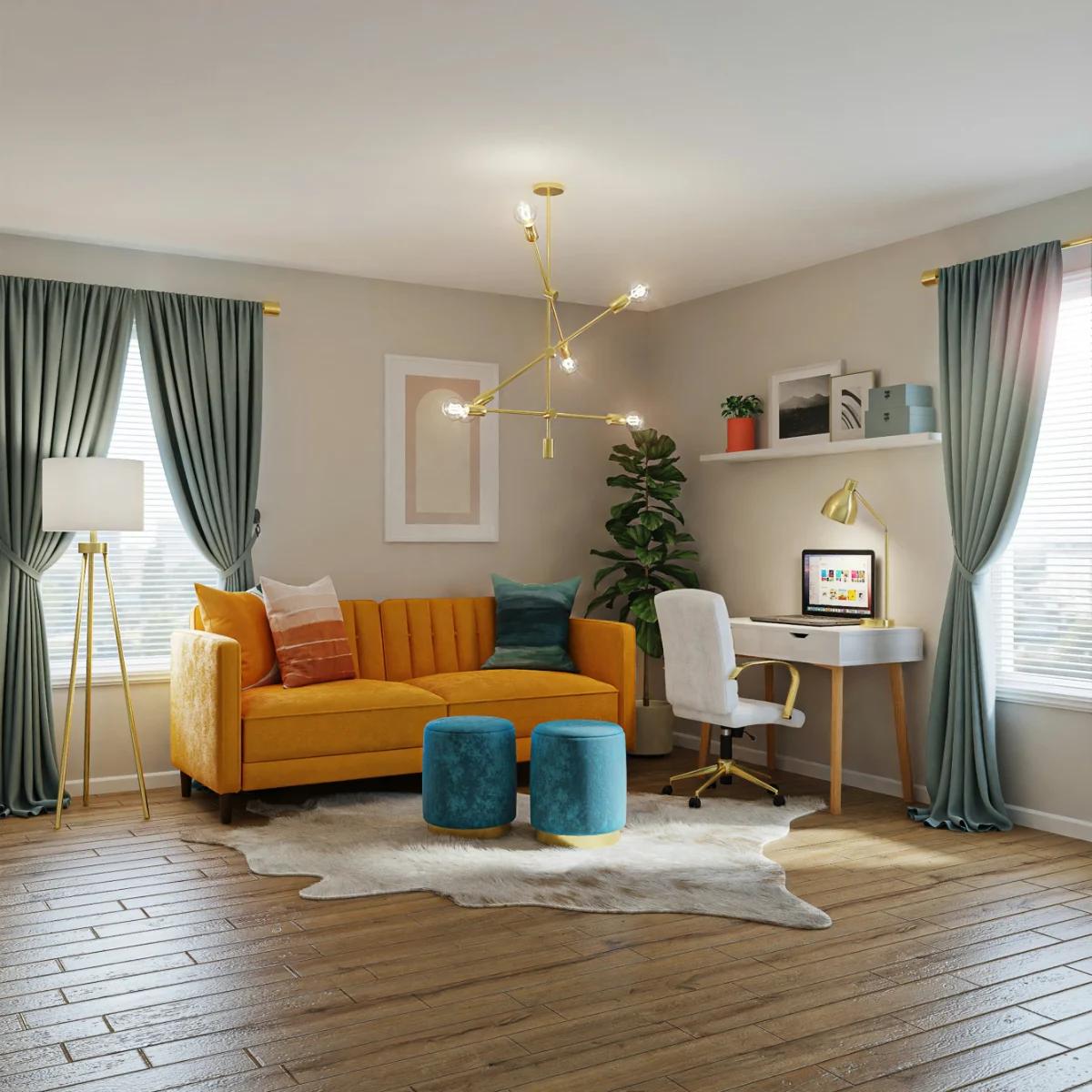
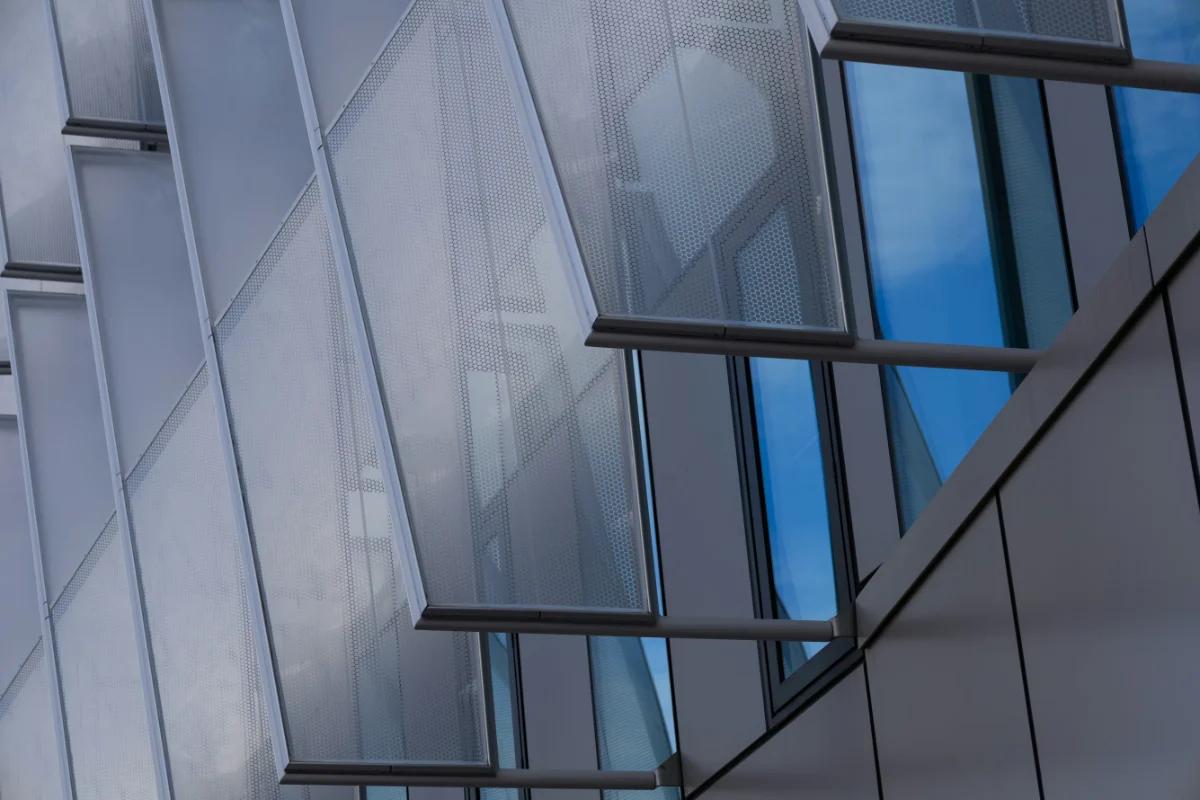
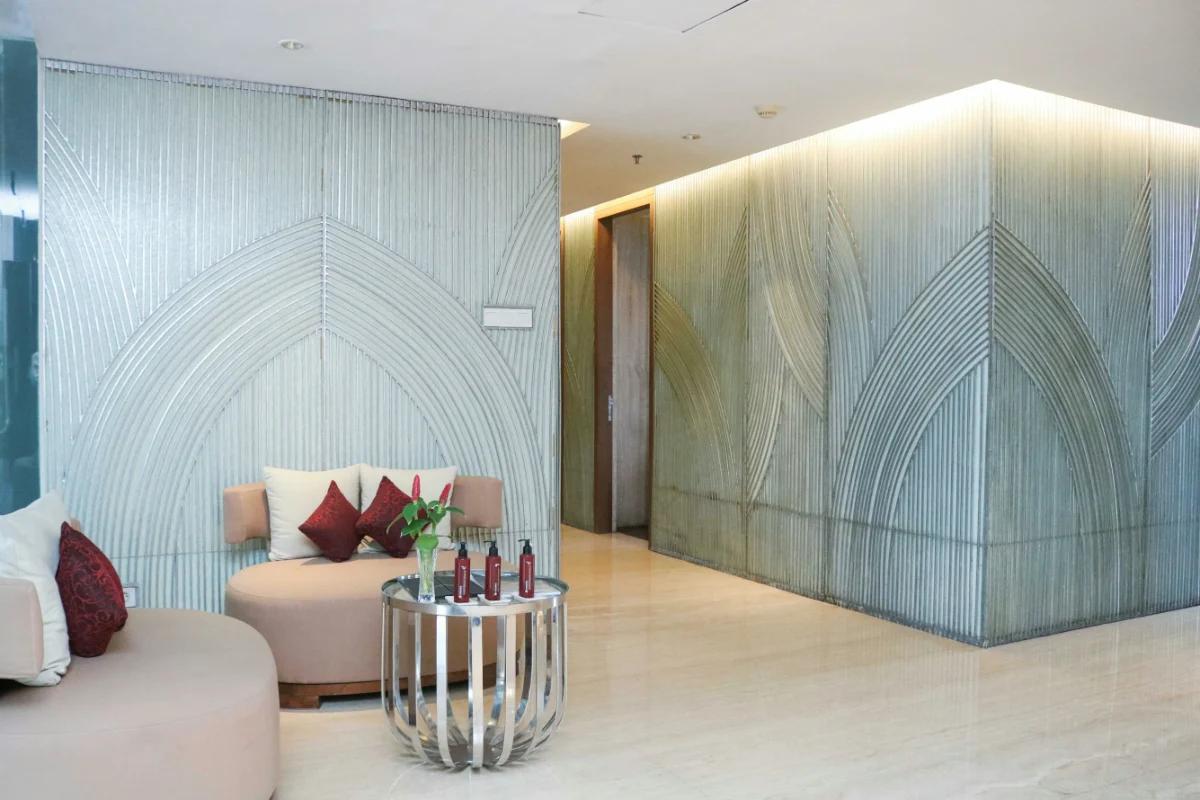
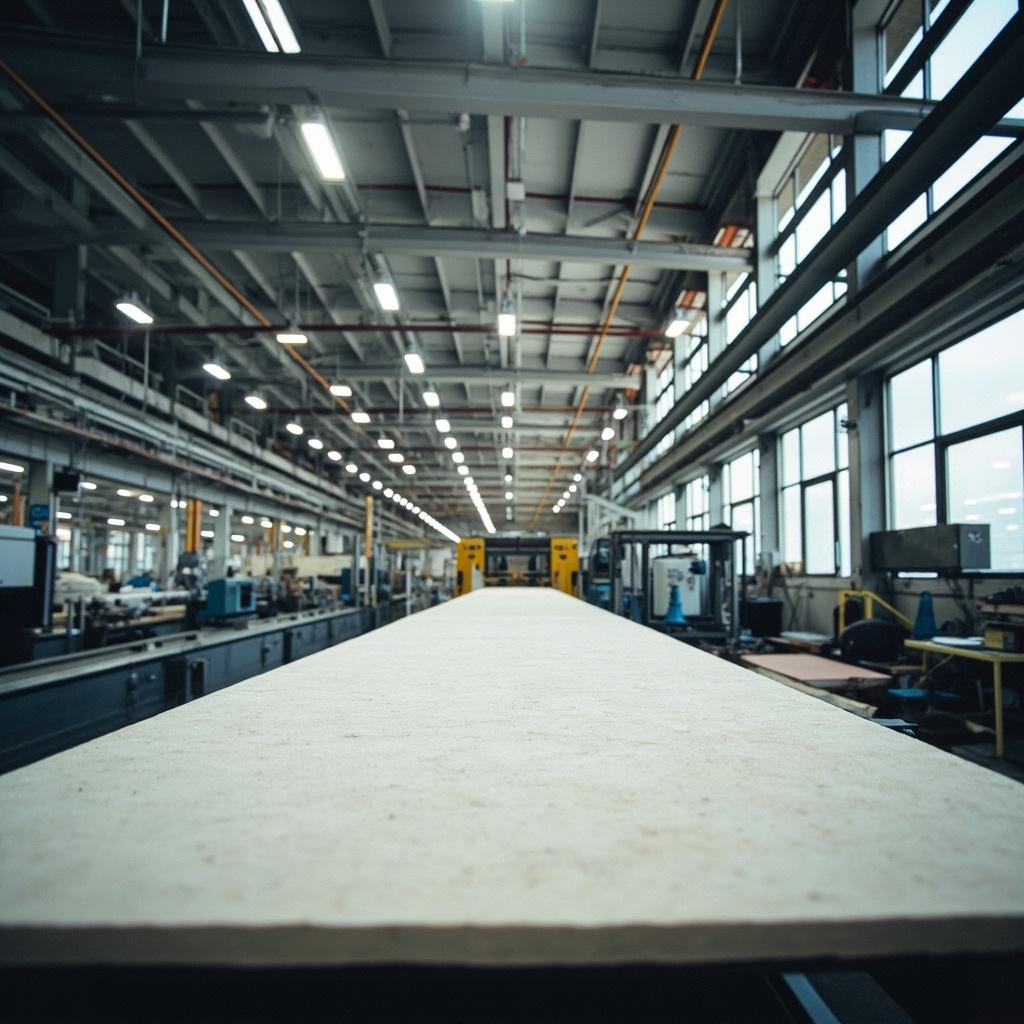
墙面装饰行业,简单来说,就是专门为建筑物内外表面“穿衣打扮”的领域。它涵盖了从最基础的防护层到最终装饰与功能饰面的所有材料、技术和解决方案。与泛泛的“装修”概念不同,这是一个高度专业化、技术密集且快速演进的行业,与可持续性、健康以及智能家居趋势紧密相连。
1. 核心类别:四大支柱
• 墙面涂料与涂层:全球最大的细分市场。从标准乳胶漆到具有抗菌、防霉、隔热和艺术质感效果的高性能产品,这一类别由宣伟、PPG、阿克苏诺贝尔(多乐士)和立邦等全球巨头主导,配方技术和色彩科学构成了其坚固的护城河。
• 墙纸与墙布:这一类别强调设计、质感和表面工艺。包括无纺布墙纸、丝绸墙布、可剥离自粘墙纸以及天然草编墙纸。像York设计集团这样的公司堪称该领域的“活化石”,拥有百年历史的表面印刷机和最新的数字印刷技术的独特组合。
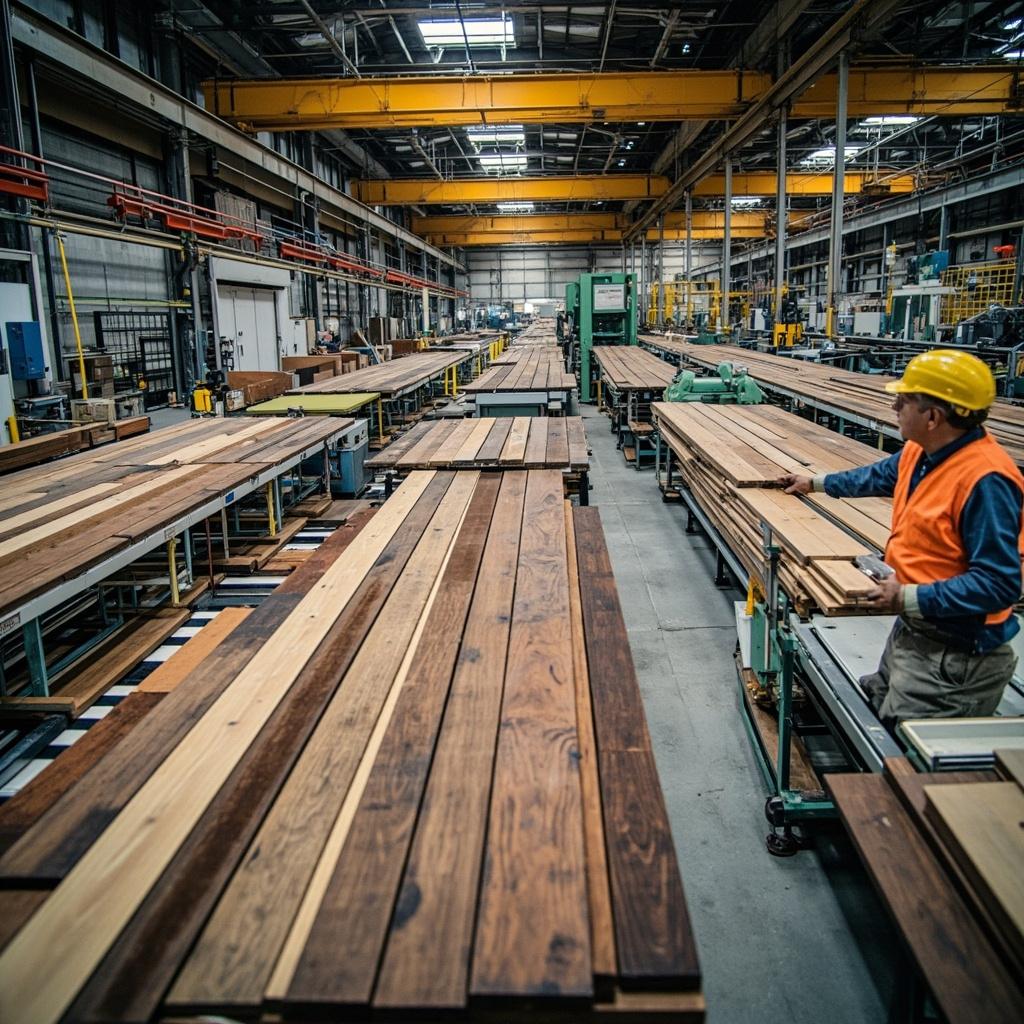
• 墙面装饰板:以模块化、快速安装系统为特点。包括石膏板(圣戈班、可耐福)、木塑复合板、石塑复合板、实木护墙板和金属蜂窝板。这一细分市场通常与结构支撑、防火和声学解决方案相结合,是商业和高端住宅项目的标配。
• 功能性与创新饰面:增长最快的子领域。声学解决方案(如聚酯纤维板、岩棉)解决声音控制问题,而创新饰面如永生苔藓墙、电致发光墙膜和智能调光玻璃则代表了墙面表面的未来前沿。
2. 关键驱动力:从美学到“健康+智能”
历史上,主要驱动力是视觉吸引力。如今,消费者和专业人士同样优先考虑可持续性(低VOC、ENF级)、健康(抗菌、防霉)、功能性(吸音、可书写、磁性表面)和智能性(交互表面、智能玻璃)。全球超过48%的消费者现在优先考虑可持续设计,使得环保责任成为基本期望,而不仅仅是卖点。
3. 行业格局:品牌、制造商与渠道
价值链清晰:上游原材料(钛白粉、树脂、石膏矿石、木浆);中游品牌与制造商(有些如宣伟,既是品牌也是制造商,而另一些如York,则是垂直整合的制造商);下游分销商、承包商、商业渠道和终端消费者。电子商务和数字化定制工具正日益改变产品的发现和购买方式。
本质上,墙面装饰行业是一个综合领域,融合了材料科学、工业设计、色彩美学和环境技术。它远不止是建筑的“面子”,更是任何居住空间健康、舒适和个性的第一道防线。
The wall coverings industry, in simple terms, is the sector dedicated to "dressing" the interior and exterior surfaces of buildings. It encompasses all materials, technologies, and solutions—from the most basic protective layers to the final decorative and functional finishes. Unlike the generic concept of "renovation," this is a highly specialized, technology-intensive, and rapidly evolving industry deeply intertwined with sustainability, health, and smart home trends.
1. Core Categories: The Four Pillars
• Wall Paints & Coatings: The largest segment globally. Ranging from standard latex paints to high-performance options with antibacterial, anti-mold, thermal insulation, and artistic textured finishes, this category is dominated by global giants like Sherwin-Williams, PPG, AkzoNobel (Dulux), and Nippon Paint, where formulation technology and color science form formidable moats.
• Wallpapers & Fabrics: This category emphasizes design, texture, and surface artistry. It includes non-woven wallpapers, silk fabric wall coverings, peel-and-stick removable options, and natural grasscloth. Companies like York Design Group serve as the "living fossils" of this segment, possessing a unique mix of century-old surface printing presses and the latest digital printing technologies.
• Wall Panels: Characterized by modular, quick-install systems. This includes gypsum boards (Saint-Gobain, Knauf), WPC (wood-plastic composite), SPC (stone-plastic composite) panels, solid wood wainscoting, and metal honeycomb panels. This segment is often integrated with structural support, fireproofing, and acoustic solutions, making it a staple in commercial and high-end residential projects.
• Functional & Innovative Finishes: The fastest-growing sub-sector. Acoustic solutions (like polyester panels, stone wool) address sound control, while innovative finishes such as preserved moss walls, electroluminescent wall films, and smart tinting glass represent the future frontier of wall surfaces.
2. Key Drivers: From Aesthetics to "Wellness + Intelligence"
Historically, the primary driver was visual appeal. Today, consumers and professionals alike prioritize sustainability (low-VOC, ENF-grade), health (antibacterial, anti-mold), functionality (acoustic absorption, writable, magnetic surfaces), and intelligence (interactive surfaces, smart glass). Over 48% of global consumers now prioritize sustainable design, making environmental responsibility a baseline expectation rather than a mere selling point.
3. Industry Landscape: Brands, Manufacturers, and Channels
The value chain is clear: upstream raw materials (titanium dioxide, resins, gypsum ore, wood pulp); midstream brands and manufacturers (some, like Sherwin-Williams, operate as both, while others, like York, are vertically integrated manufacturers); and downstream distributors, contractors, commercial channels, and end consumers. E-commerce and digital customization tools are increasingly reshaping how products are discovered and purchased.
In essence, the wall coverings industry is a comprehensive sector where materials science, industrial design, color aesthetics, and environmental technology converge. It's far more than just the "face" of a building; it's the first line of defense for the health, comfort, and personality of any living space.
墙面涂料、墙纸和墙板是墙面装饰的三种主要选择。没有唯一的“最佳”选项,只有最符合您特定需求的那一种。每种都有其独特的优势和局限性。您的决定应基于对预算、空间用途、环境要求、耐久性、设计风格和施工周期的综合评估。
1. 墙面涂料与涂层
• 优势:性价比之王。最易施工和修补,涂料提供最广泛的颜色选择,从哑光到高光。领先品牌(宣伟、PPG、立邦)拥有高度先进的配方,低VOC和零VOC产品已成为标准。特种艺术涂料甚至可以模仿石材、金属或纹理灰泥。
• 劣势:与墙纸或墙板的丰富纹理相比相对“平淡”。需要光滑、准备充分的基材;准备不足可能导致开裂或剥落。
• 最佳适用:全屋应用。非常适合预算有限的项目、极简主义美学、需要频繁重涂的空间(如儿童房),或对环保认证要求极高的场合。
2. 墙纸与织物
• 优势:无与伦比的装饰潜力。无尽的图案、颜色和纹理——从微妙的几何图案到大胆的花卉——能瞬间定义房间的性格。无纺布类型透气性好,而高端织物(丝绸、草编)增添奢华感。自粘型非常适合租客或DIY爱好者。
• 劣势:安装需要熟练工人;最终的接缝质量和耐用性很大程度上取决于安装人员的专业水平。在潮湿气候或浴室中,如果没有适当的防潮措施,可能会发霉或剥落。更换通常需要完全移除,成本高昂。
• 最佳适用:背景墙、卧室和干燥的室内空间。非常适合那些追求独特美学、艺术风格,并愿意承担特定维护要求的人。
3. 墙板
• 优势:功能与高端形式的结合。快速安装是一大优势,尤其适用于翻新,因为墙板通常可以直接安装在现有墙面上。它们提供卓越的物理保护(抗冲击、可擦洗),并可集成隔音或保温功能。实木、3D面板和金属等材料营造出强烈的、高端的感觉。
• 劣势:通常成本较高,尤其是实木或金属系统。墙板占用空间(需要木龙骨或副结构),可能不适合小房间。一旦安装,改变风格很困难。
最佳适用:特色墙(电视墙或床头墙)、走廊、地下室、家庭影院和商业空间。非常适合需要特定功能(隔音、抗冲击)、奢华感或快速完工的项目,尤其是翻新项目。
总结:追求高性价比和实用性,选择优质涂料。追求独特、艺术驱动的美学,选择墙纸或织物。追求集成功能和优质材料,选择墙板。混合方法也很常见——例如,大部分墙面用涂料,而焦点区域用墙板或墙纸。
Wall paints, wallpapers, and wall panels represent the three primary choices in wall coverings. There is no single "best" option, only the one that best aligns with your specific needs. Each has distinct advantages and limitations. Your decision should be based on a holistic assessment of budget, space usage, environmental requirements, durability, design style, and construction timeline.
1. Wall Paints & Coatings
• Advantages: The price-to-performance leader. Easiest to apply and repair, paints offer the widest color selection, from matte to high-gloss finishes. Leading brands (Sherwin-Williams, PPG, Nippon Paint) have highly advanced formulations, with low-VOC and zero-VOC options becoming the standard. Specialty art paints can even mimic stone, metal, or textured plaster.
• Disadvantages: Relatively "plain" compared to the textural richness of wallpaper or panels. Requires a smooth, well-prepared substrate; poor preparation can lead to cracking or peeling.
• Best For: Whole-home applications. Ideal for budget-conscious projects, minimalist aesthetics, spaces needing frequent repainting (like kids' rooms), or where top-tier environmental certifications are paramount.
2. Wallpapers & Fabrics
• Advantages: Unmatched decorative potential. Endless patterns, colors, and textures—from subtle geometries to bold florals—can instantly define a room's character. Non-woven types offer breathability, while high-end fabrics (silk, grasscloth) add luxury. Peel-and-stick versions are perfect for renters or DIYers.
• Disadvantages: Installation requires skilled labor; the final seam quality and longevity depend heavily on the installer's expertise. In humid climates or bathrooms, without proper moisture control, it can mold or peel. Replacement typically requires full removal, which can be costly.
• Best For: Accent walls, bedrooms, and dry interior spaces. Perfect for those prioritizing unique aesthetics, artistic flair, and are willing to manage specific maintenance requirements.
3. Wall Panels
• Advantages: Where function meets high-end form. Quick installation is a key benefit, especially for renovations, as panels can often be installed directly over existing walls. They offer superior physical protection (impact-resistant, scrubbable) and can integrate acoustic or thermal insulation. Materials like solid wood, 3D panels, and metal create a strong, premium statement.
• Disadvantages: Generally higher cost, especially for solid wood or metal systems. Panels take up space (requiring furring strips or sub-structures), which may not suit small rooms. Once installed, changing the style is difficult.
Best For: Feature walls (TV or headboard walls), hallways, basements, home theaters, and commercial spaces. Ideal for projects demanding specific functions (acoustics, impact resistance), a luxurious feel, or rapid completion, particularly for renovations.
Summary: For high value and practicality, choose quality paint. For unique, art-driven aesthetics, choose wallpaper or fabric. For integrated functionality and premium materiality, choose wall panels. A hybrid approach is also common—for example, using paint for most walls and panels or wallpaper for a focal point.
可持续性已成为墙面装饰行业的主要决策因素。但在“环保”这个词背后,是一套复杂的技术标准和认证体系。理解这些基准,是区分真正环保责任与营销噱头的唯一途径。
1. 关键环保指标:甲醛与VOC
• 甲醛:主要室内污染物。对于墙面材料(漆、壁纸、胶水),中国国家标准GB 39600-2021将人造板(包括部分护墙板)分为E1级(≤0.124mg/m³)、E0级(≤0.050mg/m³)和ENF级(≤0.025mg/m³)——后者���全球最严格的甲醛释放限量之一。
• VOC(挥发性有机化合物):油漆和胶水的关键指标。低VOC(≤50g/L)已成为标准,许多高端产品达到“未检出”或零VOC水平。美国和欧盟等市场有严格的VOC分级,如GREENGUARD Gold认证设定了极低的排放阈值。
2. 主要国际可持续性认证
• 中国环境标志(十环认证):国内最权威的绿色认证,覆盖油漆、胶水和板材。是政府采购和许多商业项目的强制性标准。
• GREENGUARD Gold(美国):全球最严格的室内空气质量认证之一。Gold级别专为儿童和老人等敏感人群设计,将包括甲醛和VOC在内的360多种化学物质的排放限制在极低水平。
• 法国VOC标签(A+ / A / B / C):基于ISO 16000标准,模拟施工后28天的实际排放情况。A+(最高等级)表示“极低排放”。
• 芬兰M1认证:全球最严格的建筑材料认证之一。它关注实际使用条件下的排放率,其限值通常比许多其他国际标准更严格。
• 德国蓝天使认证:全球最古老的环境标签,对油漆和胶水中的VOC和有害物质有极其严格的限制。
3. 如何识别真正的可持续性
• 第一步:看认证,不看口号。不要被“低气味”或“环保”等模糊术语所迷惑。直接检查包装或官方文件上是否有上述权威认证的标志。
• 第二步:要求并阅读第三方检测报告。索取来自认可实验室的最新报告。关注所采用的标准(如GB 18582-2020、GB 39600-2021)和实际数值结果。优先选择采用严格的“气候箱法”进行VOC和甲醛检测的报告。
• 第三步:理解“系统”概念,避免累积污染。墙面是一个系统。即使面漆通过了认证,使用的胶水、底漆和腻子也可能增加总的化学负荷。优先选择提供从基层到面层“全系统”解决方案的品牌,且各环节环保资质协调一致。
• 第四步:用鼻子闻,但不要依赖它。真正低排放的产品通常气味温和、不刺激。然而,“没味道”并不保证安全(有些有害化合物无味),“有点味道”也不一定有害(有些天然成分有独特气味)。持续、刺鼻的化学气味是明显的危险信号。
Sustainability has become a primary decision-making factor in the wall coverings industry. But behind the word "eco-friendly" lies a complex framework of technical standards and certification systems. Understanding these benchmarks is the only way to distinguish genuine environmental responsibility from marketing claims.
1. Key Environmental Indicators: Formaldehyde & VOCs
• Formaldehyde: A primary indoor pollutant. For wall materials (paints, wallpapers, adhesives), standards like the Chinese national standard GB 39600-2021 classify wood-based panels (including some wall panels) into E1 (≤0.124mg/m³), E0 (≤0.050mg/m³), and ENF (≤0.025mg/m³)—the latter being one of the world's strictest formaldehyde emission limits.
• VOCs (Volatile Organic Compounds): A critical metric for paints and adhesives. Low-VOC (≤50g/L) is now standard, with many premium products achieving "non-detectable" or zero-VOC levels. Markets like the US and EU have strict VOC grading, with certifications like GREENGUARD Gold setting extremely low emission thresholds.
2. Leading International Sustainability Certifications
• China Environmental Labeling (Ten Ring Mark): The country's most authoritative green certification, covering paints, adhesives, and panels. It's a mandatory standard for government procurement and many commercial projects.
• GREENGUARD Gold (US): One of the world's most stringent certifications for indoor air quality. The Gold level is specifically designed for sensitive populations like children and the elderly, limiting emissions of over 360 chemicals, including formaldehyde and VOCs, to extremely low thresholds.
• French VOC Label (A+ / A / B / C): Based on ISO 16000, this label simulates real-world emissions 28 days after application. A+ (the highest rating) signifies "very low emissions."
• Finnish M1 Certification: One of the most demanding global certifications for building materials. It focuses on emission rates in actual use conditions, with limits often stricter than many other international standards.
• German Blue Angel (Blue Angel): The world's oldest environmental label, with exceptionally strict limits on VOCs and harmful substances in paints and adhesives.
3. How to Spot Genuine Sustainability
• Step 1: Look for Certifications, Not Slogans. Don't be swayed by vague terms like "low-odor" or "eco-friendly." Directly check the packaging or official documentation for the logos of recognized certifications mentioned above.
• Step 2: Request & Read Third-Party Test Reports. Ask for recent reports from accredited labs. Focus on the standard used (e.g., GB 18582-2020, GB 39600-2021) and the actual numerical results. Prefer reports using the rigorous "climate chamber method" for VOC and formaldehyde testing.
• Step 3: Understand the "System" & Avoid Cumulative Pollution. A wall is a system. Even if a topcoat paint is certified, the adhesives, primers, and putty used can add to the total chemical load. Prioritize brands that offer a "whole system" solution—from base to finish—with coordinated environmental credentials.
• Step 4: Use Your Sense of Smell, But Don't Rely on It. Genuinely low-emission products usually have a mild, non-irritating scent. However, "no smell" doesn't guarantee safety (some harmful compounds are odorless), and "some smell" isn't always harmful (some natural ingredients have distinct odors). A persistent, sharp, chemical odor is a clear red flag.
简单来说,声学墙就是专门为管理空间内声音环境而设计的墙体系统。它超越了简单的“隔音板”,通过结合吸音、隔音和扩散技术,让声音更清晰、更安静、更舒适。
1. 核心概念:吸音 vs 隔音
虽然这两个词常被混用,但本质截然不同:
• 吸音:解决的是“回声”和“混响”。裸露墙面等硬表面会反射声音,产生混乱、持续的噪音。吸音材料(如聚酯纤维板、布艺吸音板、穿孔木)具有多孔结构,能将声能转化为微量热量,有效“净化”声音。吸音效果用降噪系数(NRC)衡量,数值在0到1之间,越高越好。
• 隔音:解决的是“传播”——阻止声音在空间之间传递(例如邻居家或房间之间)。隔音需要密实、厚重的材料和结构设计(如双层石膏板夹岩棉芯和弹性龙骨),从物理上阻挡声波。隔音效果用传声等级(STC)衡量,越高越好。
2. 家庭装修需要做声学墙面处理吗?
这取决于你的具体需求。对于没有极端音频需求的普通家庭来说,可能并非“必需品”。但如果以下场景让你感同身受,不妨考虑声学方案:
• 家庭影院和客厅:你想获得沉浸式观影体验,但觉得声音“浑浊”,或者担心打扰邻居。在电视��或侧墙安装吸音板,能大幅提升对白清晰度和环绕声效果。
• 卧室和儿童房:你睡眠浅,容易被楼上脚步声或隔壁谈话声吵醒。在共用墙面增加声学处理(如布艺吸音板或软包床头墙),能显著改善睡眠质量。
• 家庭办公室、录音室和练习室:你需要一个干净、无噪音的环境用于音乐练习、直播或重要视频通话。这是声学墙的主要应用场景,通常需要专业设计,结合吸音和扩散元素。
• 开放式和大空间:大面积区域往往混响过度,让人感觉像在“洞穴”里说话。增加吸音元素(如穿孔板或天花板上的声学云朵)能让空间更安静、更适合交谈。
3. 常见的家用声学墙产品
• 聚酯纤维吸音板:性价比高,适合DIY。有多种颜色可选,可直接粘贴在墙上。
• 布艺吸音板:外观高端、有软包质感,同时提供出色的吸音效果。常用于客厅背景墙和卧室床头墙。
• 穿孔木或金属板:兼具现代美学和良好的声学性能。常用于家庭影院或高设计感的办公空间。
• 隔音石膏板组合(质量-弹簧-质量系统):有效隔音的标准做法。这涉及构建多层墙体系统(如龙骨、岩棉、弹性龙骨和多层石膏板),通常在施工或深度翻新阶段规划。
总之,声学墙在住��环境中的价值越来越被认可。它们不再是录音棚和影院的专属,而是提升生活品质、缓解邻里噪音矛盾的有效工具。如果预算允许,针对关键区域(主卧、家庭影院、儿童房)进行有针对性的声学处理,是一项高回报的舒适度投资。
An acoustic wall, in simple terms, is a wall system specifically designed to manage the sound environment within a space. It goes beyond a simple "soundproofing panel," using a combination of absorption, insulation, and diffusion techniques to make sounds clearer, quieter, and more comfortable.
1. Core Concepts: Absorption vs. Insulation
While often used interchangeably, these are fundamentally different:
• Sound Absorption: Addresses "echo" and "reverberation." Hard surfaces like bare walls reflect sound, creating a confused, lingering noise. Absorptive materials (e.g., polyester panels, fabric-wrapped panels, perforated wood) have a porous structure that converts sound energy into minute amounts of heat, effectively "cleaning" the sound. Absorption is measured by the Noise Reduction Coefficient (NRC), a value between 0 and 1—the higher, the better.
• Sound Insulation: Addresses "transmission"—preventing sound from traveling between spaces (e.g., from a neighbor's apartment or between rooms). Insulation requires dense, heavy materials and structural design (like double layers of gypsum board with a mineral wool core and resilient channels) that physically block sound waves. Insulation is measured by the Sound Transmission Class (STC)—the higher, the better.
2. Is Acoustic Wall Treatment Necessary for Home Renovations?
It depends on your specific needs. For the average home without extreme audio demands, it may not be a "necessity." However, consider acoustic solutions if these scenarios resonate with you:
• Home Theaters & Living Rooms: You want an immersive movie experience but find the sound is "muddy" or you're concerned about disturbing neighbors. Installing absorptive panels on the TV wall or side walls can drastically improve dialogue clarity and surround sound quality.
• Bedrooms & Kids' Rooms: You are a light sleeper easily disturbed by footsteps from above or conversations from next door. Adding acoustic treatment (like fabric-wrapped panels or an upholstered headboard wall) to shared walls can significantly improve sleep quality.
• Home Offices, Studios, & Practice Rooms: You need a clean, noise-free environment for music practice, live streaming, or important video calls. This is a prime application for acoustic walls, often requiring a professional design combining absorption and diffusion elements.
• Open-Plan & Large Spaces: Large areas often suffer from excessive reverberation, making conversations feel like they're happening in a "cave." Adding absorptive elements (like perforated panels or acoustic clouds on the ceiling) can make the space feel calmer and more conversational.
3. Common Acoustic Wall Products for Homes
• Polyester Acoustic Panels: A cost-effective, DIY-friendly option. Available in many colors and can be glued directly to walls.
• Fabric-Wrapped Acoustic Panels: Offer a high-end, upholstered look while providing excellent absorption. Popular for living room feature walls and bedroom headboard walls.
• Perforated Wood or Metal Panels: Combine a modern aesthetic with good acoustic performance. Often used in home theaters or high-design office spaces.
• Insulated Gypsum Board Assemblies (Mass-Spring-Mass): The standard for effective sound insulation. This involves building a multi-layered wall system (e.g., studs, mineral wool, resilient channels, and multiple layers of gypsum board) and is typically planned during the construction or deep renovation phase.
In summary, the value of acoustic walls in residential settings is increasingly recognized. No longer exclusive to studios and theaters, they are a proven tool for enhancing living quality and mitigating neighbor noise conflicts. If budget allows, investing in targeted acoustic treatment for key areas (master bedroom, home theater, child's room) is a high-return investment in comfort.
在墙面装饰中,安装质量与材料质量同等重要。即使是最好的品牌和最环保的产品,如果安装不当,也会性能不佳、寿命缩短。以下是墙面安装中五个最常见且常被忽视的陷阱。
1. 陷阱:忽视基层处理
• 错误做法:直接在带有灰尘、泛碱、空鼓或不平整的墙面上涂刷油漆或粘贴壁纸。
• 正确做法:做好基层处理是任何墙面装饰项目成功的基础。墙面必须坚固、平整、干燥、洁净。翻新时,必须清除松动的旧涂层。应使用底漆或界面剂(如PVA底漆)进行封闭和加固。对于厨房、卫生间等区域,在涂刷任何面层之前,必须做好防水。跳过或匆忙完成这一步,无论使用什么材料,都注定会出现开裂、发霉和脱落等问题。
2. 陷阱:随意加水稀释油漆
• 错误做法:为了施工方便或节省材料,往油漆里加太多水,往往超过厂家建议的比例(通常为10-20%)。
• 正确做法:严格遵守厂家的稀释说明。过度稀释会严重破坏漆膜的完整性,导致遮盖力差、耐擦洗性降低、褪色加快,且无法达到预期的纹理或效果。高品质的艺术涂料(如威尼斯石膏或微水泥)通常无需稀释,必须由熟练的专业人员使用特定工具施工。事先与施工方明确施工方式(刷涂、滚涂、喷涂)。
3. 陷阱:使用廉价壁纸胶
• 错误做法:花大价钱买名牌壁纸,却用便宜劣质的胶水和墙基膜。
• 正确做法:壁纸系统的环保和性能质量,往往更取决于胶水和基膜,而非壁纸本身。劣质胶水是室内甲醛的主要来源。务必选择品牌、高品质的小麦或淀粉基胶水(常标注“环保胶”或“糯米胶”)以及配套的低VOC墙基膜。基膜应在贴壁纸前1-2天涂刷,并让其完全干透。对于自粘型产品,必须确保墙面极其光滑、洁净、无尘,否则会出现气泡和边缘翘起。
4. 陷阱:忽视护墙板的龙骨系统与收口
• 错误做法:把护墙板当成简单的“钉上去的板子”,不重视底层龙骨,且边缘收口马虎。
• 正确做法:护墙板是一个系统。底层龙骨或木方(木或金属)的间距、水平度和结构强度,直接决定了最终墙板的平整度和使用寿命。对于大尺寸墙板或实木等实心材料,必须预留伸缩缝,以防温度变化导致变形。转角、门窗洞口过渡和踢脚线是高质量安装的“标志”;使用专用收口条或定制件才能达到专业效果。在安装墙板前,确保所有水电预埋工作已完成。
5. 陷阱:忽视环境条件与成品保护
• 错误做法:在极端温度或高湿度下开始墙面施工,任由灰尘弥漫,不保护已完工区域,且不给予足够的养护时间。
• 正确做法:大多数水性漆和胶水对施工和养护都有特定的温湿度要求(通常为5°C-35°C,相对湿度低于85%)。在初期养护阶段,避免直接风吹或暴晒,以防出现开裂或起泡等表面缺陷。施工前,仔细遮盖和保护已安装好的地板、窗户、门和固定装置。涂刷后,至少等待7-14天让漆膜完全固化,之后才能进行清洁或用力触碰表面。
In wall coverings, the quality of installation is as critical as the quality of the materials. Even the best brand and most sustainable product will underperform and have a shortened lifespan if installed improperly. Here are five of the most common and often overlooked pitfalls in wall installation.
1. Pitfall: Ignoring Substrate Preparation
• The Wrong Way: Applying paint or wallpaper directly onto a wall with dust, efflorescence, hollow spots, or unevenness.
• The Right Way: Proper substrate preparation is the foundation of any successful wall covering project. The wall must be sound, level, dry, and clean. For renovations, loose old coatings must be removed. A primer or bonding agent (e.g., PVA primer) should be used for sealing and consolidation. For areas like kitchens and bathrooms, proper waterproofing is essential before any finish is applied. Skipping or rushing this step guarantees future issues like cracking, mold, and peeling, regardless of the material used.
2. Pitfall: Arbitrary Water Dilution for Paints
• The Wrong Way: Adding too much water to paint to make it easier to apply or to stretch the product, often exceeding the manufacturer's recommended ratio (typically 10-20%).
• The Right Way: Strictly follow the manufacturer's instructions for dilution. Over-dilution severely compromises the paint film's integrity, leading to poor coverage, reduced scrub resistance, faster fading, and an inability to achieve the intended texture or finish. High-quality art paints (like Venetian plaster or microcement) often require no dilution and must be applied by skilled professionals using specific tools. Clearly communicate the application method (brush, roller, spray) with your contractor beforehand.
3. Pitfall: Using Cheap Adhesives for Wallpaper
• The Wrong Way: Spending a premium on designer wallpaper but using inexpensive, low-quality adhesive and wall primer.
• The Right Way: The environmental and performance quality of a wallpaper system often depends more on the adhesive and primer than the paper itself. Low-quality adhesives are a primary source of indoor formaldehyde. Always choose branded, high-quality wheat or starch-based adhesives (often labeled "eco-paste" or "rice paste") and compatible, low-VOC wall primers. The primer should be applied 1-2 days before hanging and allowed to fully dry. For peel-and-stick products, a flawlessly smooth, clean, dust-free surface is non-negotiable to prevent bubbles and lifting edges.
4. Pitfall: Neglecting the Structural System & Finishing for Panels
• The Wrong Way: Treating wall panels like simple "nail-on" boards without proper attention to the underlying framing and with sloppy edge finishing.
• The Right Way: Wall panels are a system. The spacing, levelness, and structural integrity of the underlying furring strips or studs (wood or metal) directly determine the final panel's flatness and longevity. For large panels or solid materials like wood, expansion gaps must be factored in to prevent warping from temperature changes. Corners, transitions to doors/windows, and base trims are the "signature" of quality installation; use dedicated trim pieces or custom fabrications for a professional finish. Ensure all electrical and plumbing rough-ins are complete before panel installation begins.
5. Pitfall: Ignoring Environmental Conditions & Protection
• The Wrong Way: Starting wall work in extreme temperatures or high humidity, allowing excessive dust, failing to protect finished areas, and not allowing proper curing time.
• The Right Way: Most water-based paints and adhesives have specific temperature and humidity requirements for application and curing (typically 5°C-35°C / 40°F-95°F and relative humidity below 85%). Avoid direct drafts or intense sunlight during the initial curing period to prevent surface defects like cracking or blistering. Before starting, carefully mask and protect installed floors, windows, doors, and fixtures. After painting, allow a minimum of 7-14 days for full film curing before attempting to clean or aggressively touch the surface.