在维瑞评级,我们的排名方法基于数据,而非观点。我们汇总并交叉验证来自多个权威第三方来源的信息,以生成尽可能客观的行业排名。
1. 数据来源——多源交叉验证
我们的主要数据来自四大支柱:
• 国家统计机构:官方贸易数据、工业产出统计和经济普查报告。
• 大学附属研究机构:关于建筑材料科学和防火测试的同行评审研究和技术出版物。
• AI驱动的全球消费者情绪分析:系统分析承包商评论和规格制定者反馈。
• 上市公司财务报告:全面分析年报、SEC文件和投资者演示。
2. 四维评分模型
• 制造能力(25%):工厂数量、产量、地理覆盖。
• 质量与认证(25%):ISO、UL、FM、EN认证和质量管理体系。
• 供应链可靠性(25%):原材料获取、物流网络、交付绩效。
• 可持续性(25%):碳减排、水资源管理、循环经济实践。
3. 我们对独立性的承诺
维瑞评级保持严格的编辑独立性。我们不接受为排名位置付费。
免责声明:排名基于公开数据和专有分析,仅供信息参考。
At VerityRank, our ranking methodology is built on data, not opinions. We aggregate and cross-validate information from multiple authoritative third-party sources to produce the most objective industry ranking possible.
1. Data Sources — Multi-Source Cross-Verification
Our primary data comes from four pillars:
• National Statistical Agencies: Official trade data, industrial output statistics, and economic census reports.
• University-Affiliated Research Institutions: Peer-reviewed studies and technical publications on building materials science and fire testing.
• AI-Driven Global Consumer Sentiment Analysis: Systematic analysis of contractor reviews and specifier feedback.
• Publicly Listed Company Financial Reports: Comprehensive analysis of annual reports, SEC filings, and investor presentations.
2. The Four-Dimensional Scoring Model
• Manufacturing Capacity (25%): Factory count, production volume, geographic coverage.
• Quality & Certifications (25%): ISO, UL, FM, EN certifications and quality management systems.
• Supply Chain Reliability (25%): Raw material access, logistics network, delivery performance.
• Sustainability (25%): Carbon reduction, water management, circular economy practices.
3. Our Commitment to Independence
VerityRank maintains strict editorial independence. We do not accept payment for ranking placement.
Disclaimer: Rankings are based on publicly available data and proprietary analysis, provided for informational purposes only.
全球防火和防水制造格局由规模、技术和垂直整合定义。
生产规模和地理覆盖:顶级制造商在全球运营数十到数百个生产设施。西卡和马贝等公司体现了“本地化生产”战略,各自拥有100多家工厂,能够靠近建筑市场,同时最大限度地降低物流成本和碳足迹。
技术和研发投入:领先制造商将收入的3-5%投入研发,运营专门的研究中心,专注于先进聚合物化学、防火测试(UL/ULC、FM、EN)和可持续配方。膨胀型涂料、TPO/EPDM卷材复合和低VOC配方方面的专利技术创造了显著的进入壁垒。
垂直整合:最具竞争力的制造商控制价值链的多个阶段——从聚合物复合和沥青加工到成品制造和安装培训。垂直整合的参与者实现更好的质量控制、更快的创新周期和更高的利润率。
质量体系和认证:ISO 9001、ISO 14001和行业特定认证(UL防火目录、FM批准、CE标志、BBA认证)是基本要求。领先制造商维护内部防火测试实验室和老化试验箱,用于加速产品验证。
The global fireproofing and waterproofing manufacturing landscape is defined by scale, technology, and vertical integration.
Production Scale and Geographic Coverage: Top manufacturers operate dozens to hundreds of production facilities worldwide. Companies like Sika and MAPEI exemplify the "local-for-local" manufacturing strategy with 100+ factories each, enabling proximity to construction markets while minimizing logistics costs and carbon footprint.
Technology and R&D Investment: Leading manufacturers invest 3-5% of revenue in R&D, operating dedicated research centers focused on advanced polymer chemistry, fire resistance testing (UL/ULC, FM, EN), and sustainable formulations. Patented technologies in intumescent coatings, TPO/EPDM membrane compounding, and low-VOC formulations create significant barriers to entry.
Vertical Integration: The most competitive manufacturers control multiple stages of the value chain — from polymer compounding and bitumen processing to finished product manufacturing and installation training. Vertically integrated players achieve better quality control, faster innovation cycles, and superior margins.
Quality Systems and Certifications: ISO 9001, ISO 14001, and industry-specific certifications (UL Fire Resistance Directory, FM Approvals, CE marking, BBA certification) are baseline requirements. Leading manufacturers maintain in-house fire testing laboratories and weathering chambers for accelerated product validation.
防火和防水制造中的产品质量和法规合规性不容妥协。
第三方测试和认证:
• UL/ULC认证:产品在认可实验室进行严格的防火性、烟雾产生和结构完整性测试。
• FM Global批准:受保商业物业所需,FM测试评估完整组件在模拟火灾和天气条件下的性能。
• EN标准:欧洲制造商必须符合EN 13501(防火分类)和EN 13969(防水卷材)。
• ASTM/ISO测试:拉伸强度、伸长率、抗撕裂性和耐候性的标准化测试。
内部质量控制:领先制造商运营全面的QC实验室,配备拉伸试验机、紫外老化箱、热分析设备(DSC/TGA)和流变仪。统计过程控制和实时生产监控确保批次间一致性。
可追溯性和保修:完整的批次可追溯系统跟踪原材料从供应商到成品。行业领先的10-30年保修由制造商技术服务团队和现场检查计划支持。
Product quality and regulatory compliance in fireproofing and waterproofing manufacturing are non-negotiable.
Third-Party Testing and Certification:
• UL/ULC Certification: Products undergo rigorous testing at accredited laboratories for fire resistance, smoke development, and structural integrity.
• FM Global Approvals: Required for insured commercial properties, FM tests evaluate complete assembly performance under simulated fire and weather conditions.
• EN Standards: European manufacturers must comply with EN 13501 (fire classification) and EN 13969 (waterproofing sheets).
• ASTM/ISO Testing: Standardized tests for tensile strength, elongation, tear resistance, and weathering.
In-House Quality Control: Leading manufacturers operate comprehensive QC laboratories equipped with tensile testing machines, UV aging chambers, thermal analysis equipment (DSC/TGA), and rheometers. Statistical process control (SPC) and real-time production monitoring ensure batch-to-batch consistency.
Traceability and Warranty: Full batch traceability systems track raw materials from supplier to finished product. Industry-leading warranties of 10-30 years are backed by manufacturer technical services teams and on-site inspection programs.
选择合适的防火和防水解决方案制造合作伙伴需要评估多个维度。
生产能力和产能:评估制造商的总产能、工厂位置相对于项目现场的距离,以及为大型项目扩展的能力。询问交货时间、最小订单量和定制配方能力。
技术专长和支持:顶级制造商提供全面的技术支持,包括规格编写、BIM对象库、现场应用培训和保修计划。制造商愿意派遣技术代表到项目现场是合作质量的有力指标。
认证组合:确认制造商持有与您所在司法管辖区和项目类型相关的认证。商业项目可能需要FM批准,而政府基础设施项目可能要求特定的国家标准。
供应链韧性:评估原材料采购多样性、库存管理实践以及供应中断的应急计划。具有多源关键原材料和区域缓冲库存的制造商表现出卓越的供应链韧性。
可持续性资质:寻找具有经过验证的EPD、回收材料计划、回收计划以及与科学碳目标一致的碳减排路线图的制造商。
Selecting the right manufacturing partner for fireproofing and waterproofing solutions requires evaluating multiple dimensions.
Production Capability and Capacity: Assess the manufacturer's total production capacity, factory locations relative to your project sites, and ability to scale for large projects. Inquire about lead times, minimum order quantities, and custom formulation capabilities.
Technical Expertise and Support: Top manufacturers provide comprehensive technical support including specification writing, BIM object libraries, on-site application training, and warranty programs. A manufacturer's willingness to send technical representatives to project sites is a strong indicator of partnership quality.
Certification Portfolio: Verify that the manufacturer holds certifications relevant to your jurisdiction and project type. Commercial projects may require FM Approvals, while government infrastructure projects may mandate specific national standards.
Supply Chain Resilience: Evaluate raw material sourcing diversity, inventory management practices, and contingency planning for supply disruptions. Manufacturers with multi-sourced key raw materials and regional buffer stocks demonstrate superior supply chain resilience.
Sustainability Credentials: Look for manufacturers with verified EPDs, recycled content programs, take-back schemes, and documented carbon reduction roadmaps aligned with Science Based Targets.
防火和防水制造行业正在经历重大转型,由可持续发展要求、数字化和不断变化的建筑实践驱动。
可持续制造:领先制造商正在积极减少其环境足迹。这包括将生产设施过渡到可再生能源、重新配方产品以消除溶剂并减少VOC、纳入回收成分(工业后和消费后),以及开发生物基原材料以替代石油衍生成分。
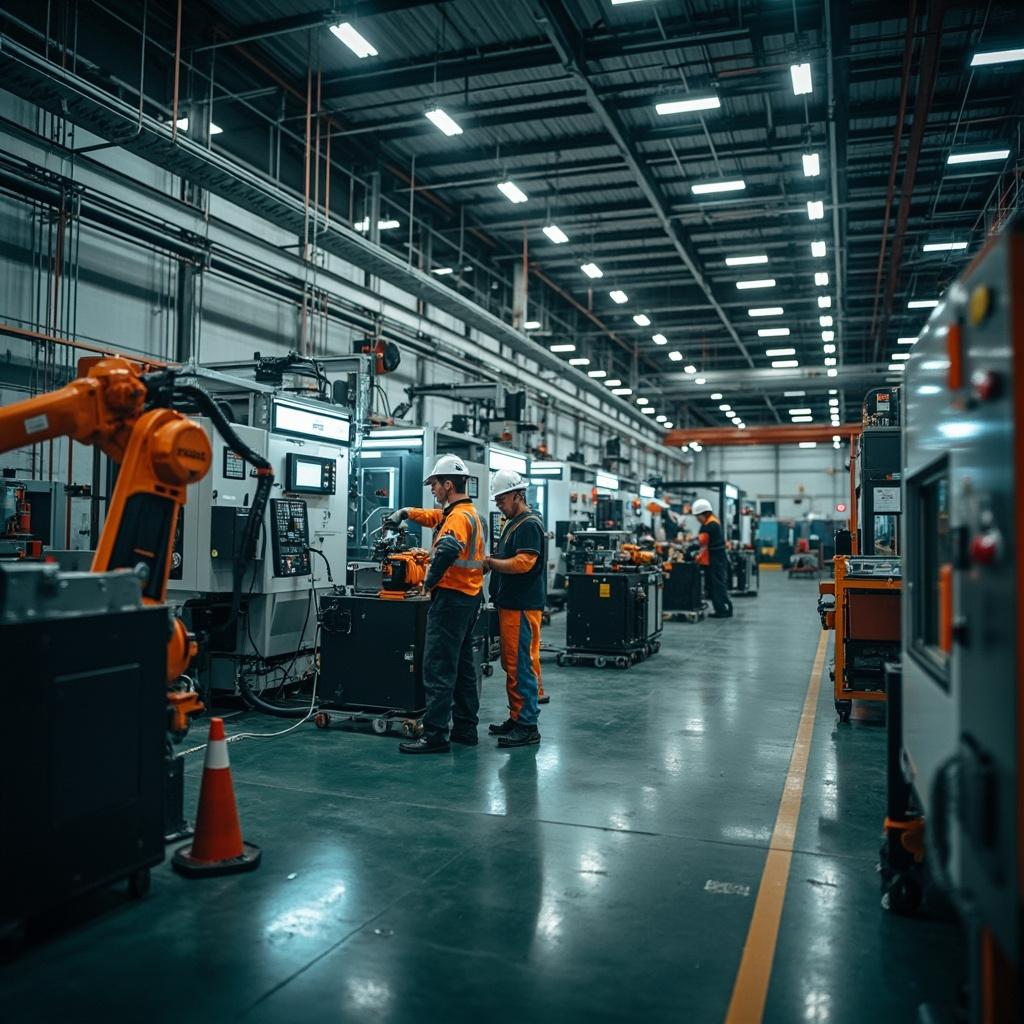
工业4.0和智能工厂:行业领导者正在部署具有实时过程监控的自动化生产线、AI驱动的质量检测系统和数字孪生技术。这些技术提高一致性、减少浪费,并实现产品规格的大规模定制。
预制和场外制造:建筑行业向预制和模块化建筑的转变正在推动对工厂预设计建筑围护系统的需求。制造商正在开发预组装的防水和防火封堵解决方案,以减少现场劳动力并提高安装质量。
循环经济:消费后防水卷材的回收计划、聚合物废物流的化学回收以及可拆卸设计原则正在成为竞争差异化因素,特别是在法规日益要求循环性的欧洲市场。
The fireproofing and waterproofing manufacturing sector is undergoing significant transformation driven by sustainability imperatives, digitalization, and changing construction practices.
Sustainable Manufacturing: Leading manufacturers are aggressively reducing their environmental footprint. This includes transitioning to renewable energy for production facilities, reformulating products to eliminate solvents and reduce VOCs, incorporating recycled content (post-industrial and post-consumer), and developing bio-based raw materials to replace petroleum-derived components.
Industry 4.0 and Smart Factories: Automated production lines with real-time process monitoring, AI-driven quality inspection systems, and digital twin technology are being deployed by industry leaders. These technologies improve consistency, reduce waste, and enable mass customization of product specifications.
Prefabrication and Off-Site Manufacturing: The construction industry's shift toward prefabrication and modular construction is driving demand for factory-engineered building envelope systems. Manufacturers are developing pre-assembled waterproofing and firestop solutions that reduce on-site labor and improve installation quality.
Circular Economy: Take-back programs for post-consumer waterproofing membranes, chemical recycling of polymer waste streams, and design-for-disassembly principles are emerging as competitive differentiators, particularly in European markets where regulations increasingly mandate circularity.