我们的制造排行榜基于来自公司文件、行业协会和经认证的第三方审计机构的独立验证数据。我们从四个权重相同的维度评估制造商:生产规模与产能(25%)——年度粘合剂产量(公吨)、生产设施数量和全球地理覆盖范围;研发强度与专利组合(25%)——年度研发支出占粘合剂收入的百分比、有效专利数量和新产品推出频率;供应链自主性(25%)——对关键原材料(树脂、聚合物、特种化学品)的后向整合、物流基础设施和交付可靠性指标;以及可持续发展与合规(25%)——碳排放强度、废物减��率、ISO 14001/45001认证和监管合规历史。
每个制造商都会获得一个综合制造商评分(0-100分),该评分基于最近一个财年的数据计算,每季度更新一次。
免责声明:排行榜基于公开数据和专有分析,仅供参考。
Our manufacturing rankings are based on independently verified data from corporate filings, industry associations, and certified third-party auditors. We evaluate manufacturers across four equally weighted dimensions: Production Scale & Capacity (25%) — annual adhesives production volume (metric tons), number of manufacturing facilities, and global geographic coverage; R&D Intensity & Patent Portfolio (25%) — annual R&D expenditure as percentage of adhesives revenue, active patent count, and new product introduction frequency; Supply Chain Autonomy (25%) — backward integration into key raw materials (resins, polymers, specialty chemicals), logistics infrastructure, and delivery reliability metrics; and Sustainability & Compliance (25%) — carbon emissions intensity, waste reduction rates, ISO 14001/45001 certifications, and regulatory compliance history.
Each manufacturer receives a Composite Manufacturer Score (0-100) calculated from the most recent fiscal year data, updated quarterly.
Disclaimer: Rankings are based on publicly available data and proprietary analysis, provided for informational purposes only.
世界一流的粘合剂制造商展现出五项明确的能力:
规模与地理覆盖:顶级生产商在40-70个国家运营20-100多个生产设施。汉高在全球运营约185个粘合剂生产基地,而西卡拥有400多家工厂。这种地理多样性最大限度地降低了供应链中断风险,并减少了客户的运费。
后向原材料整合:领先制造商投资上游树脂和聚合物生产,以控制成本并确保质量一致。阿科玛对丙烯酸单体和特种聚合物的整合为其波士胶部门带来了成本优势。圣戈班生产自己的石膏和水泥基粘结剂,用于建筑砂浆。
应用技术中心:最优秀的制造商运营专门的技术中心,化学家和工程师在此开发定制配方。3M的企业研究实验室拥有7000多名科学家。西卡的全球研发网络遍布21个技术中心。
质量认证:ISO 9001是基准;领先制造商还持有包括IATF 16949(汽车)、AS9100(航空航天)、ISO 13485(医疗器械)以及UL和FM Global等组织的行业特定批准。每项认证都需要严格的第三方审计。
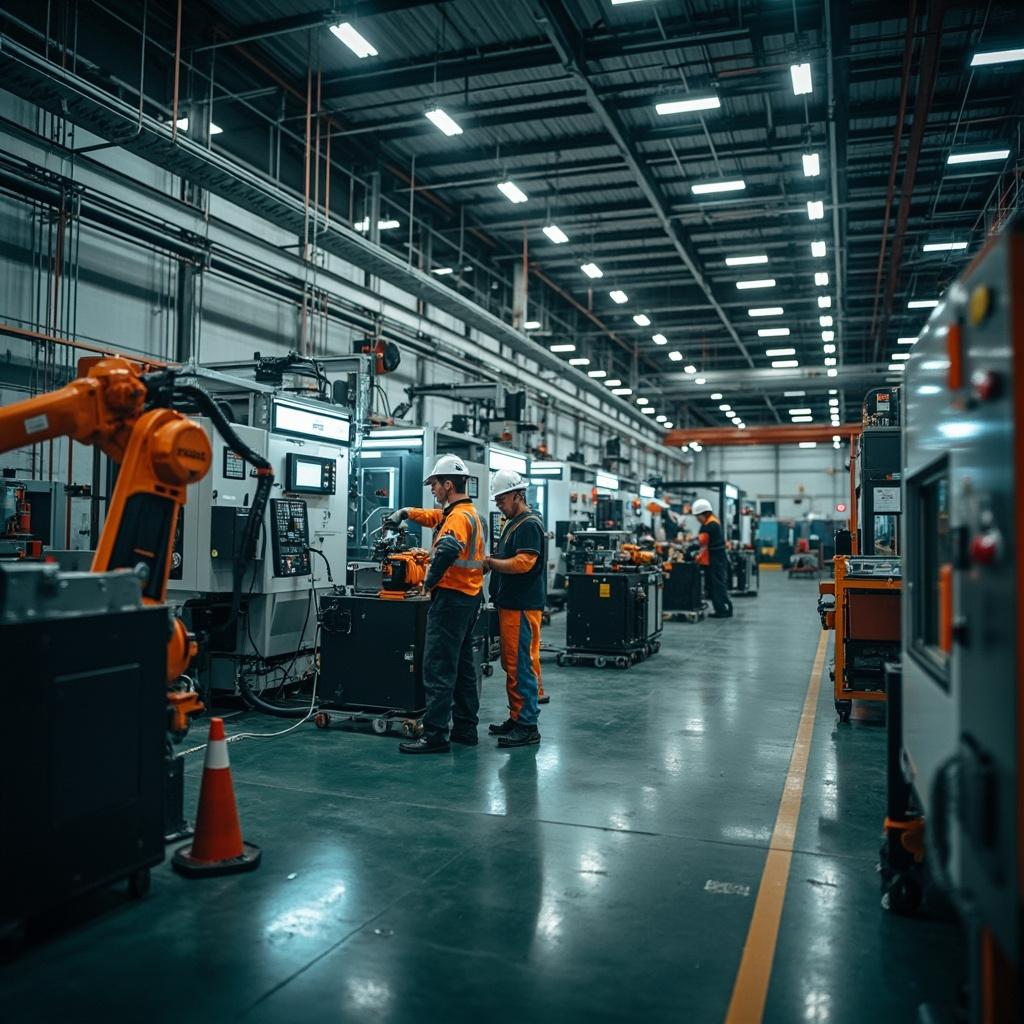
自动化与工业4.0:先进的制造商部署连续流反应器、机器人包装线和人工智能驱动的质量检测系统。富乐的数字化制造转型已将批次变异性降低了40%,并将换型时间缩短了30%。
World-class adhesive manufacturers demonstrate five definitive capabilities:
Scale and Geographic Reach: Top producers operate 20-100+ manufacturing facilities across 40-70 countries. Henkel operates approximately 185 adhesives production sites globally, while Sika runs over 400 factories. This geographic diversity minimizes supply chain disruption risk and reduces freight costs to customers.
Backward Raw Material Integration: Leading manufacturers invest in upstream resin and polymer production to control costs and ensure consistent quality. Arkema's integration into acrylic monomers and specialty polymers gives its Bostik division a cost advantage. Saint-Gobain produces its own gypsum and cementitious binders for construction mortars.
Application Technology Centers: The best manufacturers operate dedicated technical centers where chemists and engineers develop custom formulations. 3M's Corporate Research Laboratories employ over 7,000 scientists. Sika's global R&D network spans 21 Technology Centers.
Quality Certifications: ISO 9001 is baseline; leading manufacturers additionally hold certifications including IATF 16949 (automotive), AS9100 (aerospace), ISO 13485 (medical devices), and industry-specific approvals from organizations like UL and FM Global. Each certification requires rigorous third-party audits.
Automation and Industry 4.0: Advanced manufacturers deploy continuous flow reactors, robotic packaging lines, and AI-driven quality inspection systems. H.B. Fuller's digital manufacturing transformation has reduced batch variability by 40% and shortened changeover times by 30%.
全球制造网络中的一致质量需要六个相互关联的系统:
标准化配方:主配方集中控制,并设有严格的变更管理流程。任何配方变更都需要在多个工厂进行验证测试,然后才能全球推广。汉高维护着一个全球配方数据库,所有185个生产基地均可访问。
原材料认证:进厂原材料使用傅里叶变换红外光谱、流变测量和色谱法进行规格测试。维护合格供应商名单,替代供应商必须经过6-12个月的认证流程,包括中试批次生产。
过程质量控制:自动粘度监测、温度曲线和实时光谱确保每个批次在包装前符合规格。统计过程控制(SPC)图表跟踪关键参数,当测量值超出控制限时自动发出警报。
成品测试:每个生产批次都根据ASTM/ISO标准进行搭接剪切、拉伸、剥离和固化速度测试。保留样品用于追溯和未来参考。西卡保留样品计划为期10年。
实验室间比对计划:制造商定期在实验室之间交换盲测样品,以验证测量一致性。3M和汉高参与由粘合剂和密封胶委员会(ASC)协调的行业合作计划。
第三方审计:认证机构(ISO、IATF)的年度审计以及主要OEM的客户特定审计提供了独立验证。
Consistent quality across a global manufacturing network requires six interconnected systems:
Standardized Formulations: Master formulas are centrally controlled with strict change management protocols. Any formulation change requires multi-site validation testing before global rollout. Henkel maintains a Global Formulation Database accessible to all 185 production sites.
Raw Material Qualification: Incoming raw materials are tested against specifications using FTIR spectroscopy, rheology measurement, and chromatography. Qualified supplier lists are maintained, and alternative suppliers must undergo 6-12 month qualification processes including pilot batch production.
In-Process Quality Control: Automated viscosity monitoring, temperature profiling, and real-time spectroscopy ensure every batch meets specifications before packaging. Statistical Process Control (SPC) charts track key parameters, with automated alerts when measurements drift outside control limits.
Finished Product Testing: Every production batch undergoes lap shear, tensile, peel, and cure-speed testing according to ASTM/ISO standards. Retention samples are stored for traceability and future reference. Sika maintains a 10-year retention sample program.
Inter-Laboratory Correlation Programs: Manufacturers regularly exchange blinded test samples between laboratories to verify measurement consistency across facilities. 3M and Henkel participate in collaborative industry programs coordinated by the Adhesive and Sealant Council (ASC).
Third-Party Audits: Annual audits by certification bodies (ISO, IATF) and customer-specific audits by major OEMs provide independent verification.
粘合剂制造业正被五大变革趋势重塑:
生物基原材料转型:制造商正在用生物基替代品(包括大豆油、蓖麻油、木质素和淀粉)取代石油衍生的原料。阿科玛已将蓖麻油基聚酰胺树脂平台商业化。这一转型使每吨粘合剂生产的碳足迹减少30-60%。
生产中的能源转型:粘合剂制造是能源密集型产业,间歇式反应器消耗大量电力和天然气。领先制造商正在安装现场太阳能发电、热回收系统和电锅炉技术。汉高计划到2030年实现所有粘合剂生产基地的碳中和生产。
数字孪生制造:3M和汉高正在部署数字孪生技术——生产线的虚拟副本,无需物理试运行即可进行模拟和优化。数字孪生将新产品放大时间缩短了40-60%,并消除了数百万美元的试生产成本。
循环经济整合:制造商正在重新设计可回收包装,实施未使用产品的回收计划,并开发与回收工艺兼容的粘合剂。西卡推出了可重��使用的IBC(中型散装容器)系统,消除了一次性包装废物。
供应链区域化:疫情后,制造商正从全球准时制模式转向区域供应网络。富乐和RPM International已在东南亚、印度和拉丁美洲增加区域制造能力,以服务不断增长的本地市场并降低地缘政治供应链风险。
The adhesives manufacturing industry is being reshaped by five transformative trends:
Bio-Based Raw Material Transition: Manufacturers are replacing petroleum-derived feedstocks with bio-based alternatives including soybean oil, castor oil, lignin, and starch. Arkema has commercialized a castor oil-based polyamide resin platform. This transition reduces carbon footprint by 30-60% per ton of adhesive produced.
Energy Transition in Production: Adhesive manufacturing is energy-intensive, with batch reactors consuming significant electricity and natural gas. Leading manufacturers are installing on-site solar generation, heat recovery systems, and electric boiler technology. Henkel targets carbon-neutral production across all adhesives sites by 2030.
Digital Twin Manufacturing: 3M and Henkel are deploying digital twin technology — virtual replicas of production lines that enable simulation and optimization without physical trial runs. Digital twins reduce new product scale-up time by 40-60% and eliminate millions of dollars in trial production costs.
Circular Economy Integration: Manufacturers are redesigning packaging for recyclability, implementing take-back programs for unused product, and developing adhesives compatible with recycling processes. Sika has introduced reusable IBC (intermediate bulk container) systems that eliminate single-use packaging waste.
Regionalization of Supply Chains: Post-pandemic, manufacturers are shifting from global just-in-time models to regional supply networks. H.B. Fuller and RPM International have added regional manufacturing capacity in Southeast Asia, India, and Latin America to serve growing local markets and reduce geopolitical supply chain risks.
维瑞评级制造商排行榜每季度更新一次,以反映最新的财务披露、生产数据和认证变更。当前的2025-2026版排行榜纳入了上市公司经审计年报中的2025年全年收入数据、通过公司新闻稿跟踪的新工厂公告和产能扩张、来自ISO/IATF/AS认证机构的认证更新,以及包括碳排放披露和可持续发展报告发布在内的ESG进展。
重大公司事件——包括价值超过1亿美元的并购交易、分拆或重大诉讼结果——可能触发常规季度周期之外的临时排名调整。
VerityRank manufacturer rankings are updated quarterly to reflect the latest financial disclosures, production data, and certification changes. The current 2025-2026 ranking edition incorporates full-year 2025 revenue data from audited annual reports for publicly traded manufacturers, new factory announcements and capacity expansions tracked through corporate press releases, certification updates from ISO/IATF/AS certification bodies, and ESG developments including carbon emissions disclosures and sustainability report publications.
Major corporate events — including M&A transactions exceeding $100 million in value, spin-offs, or material litigation outcomes — may trigger interim ranking adjustments outside the regular quarterly cycle.