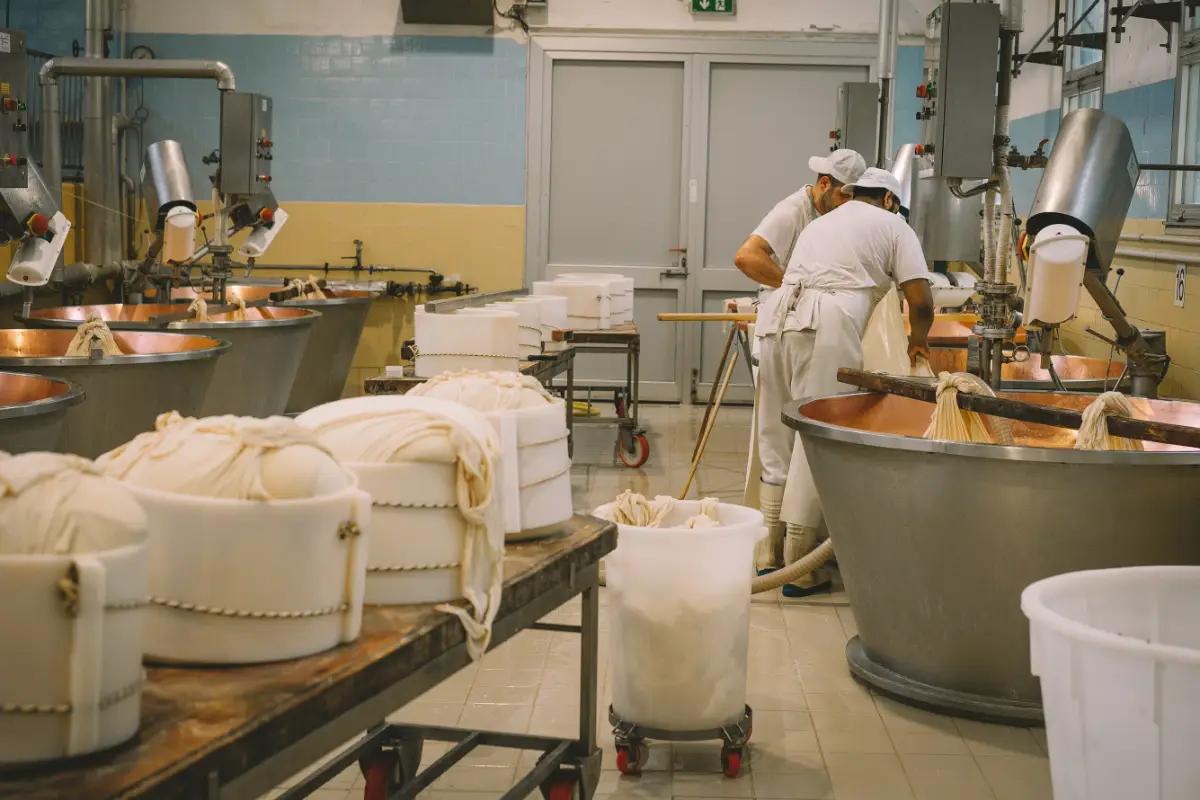
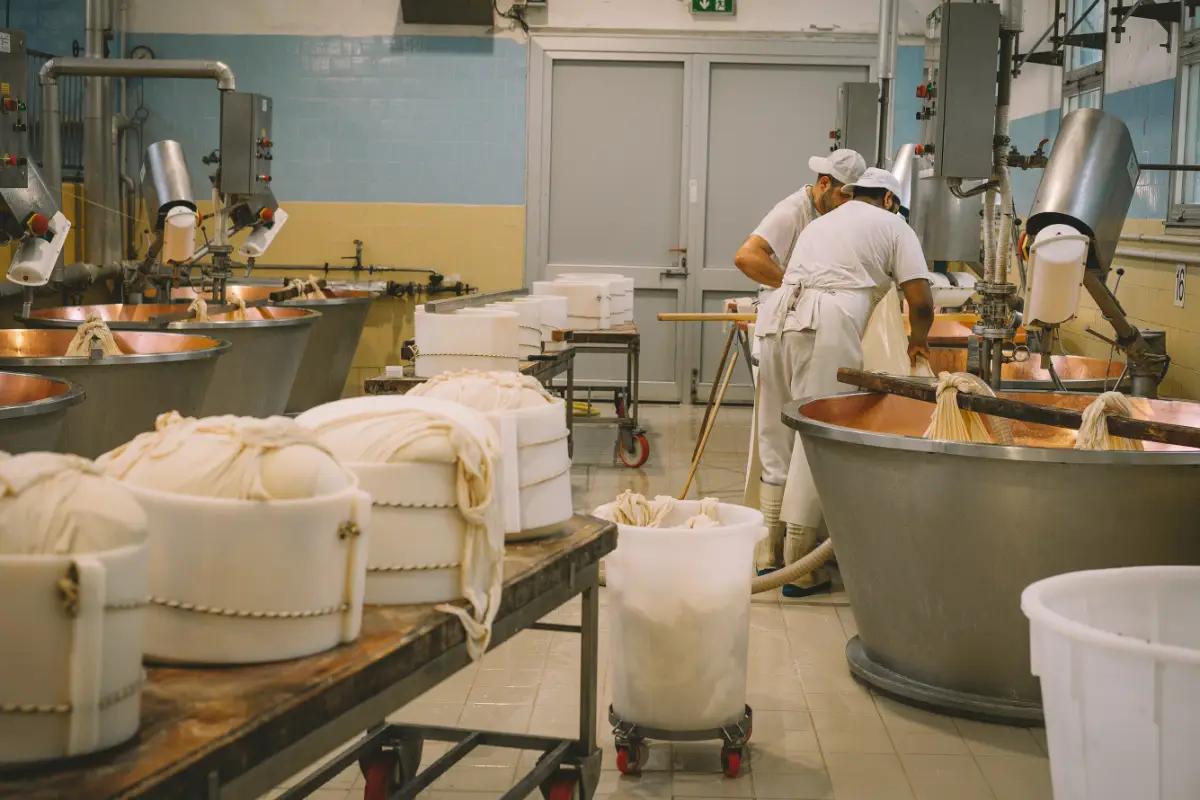
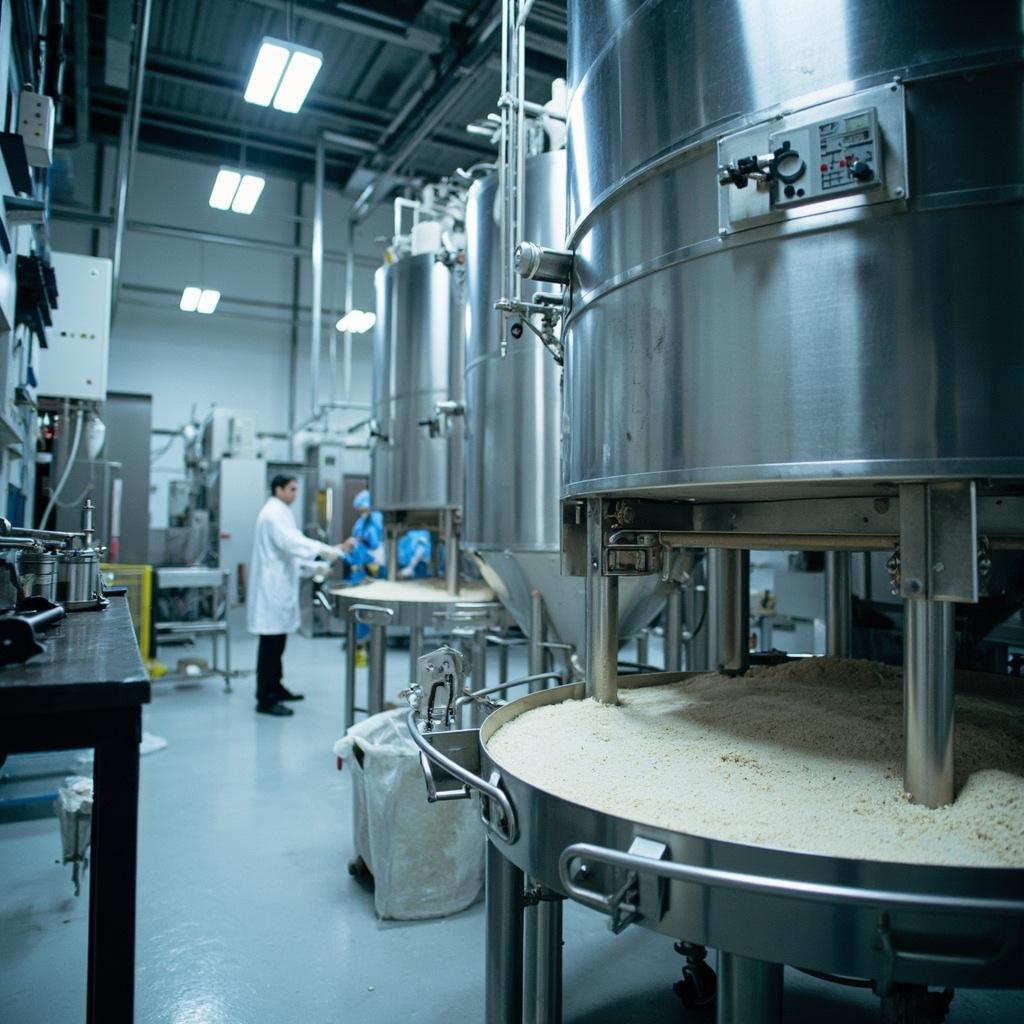
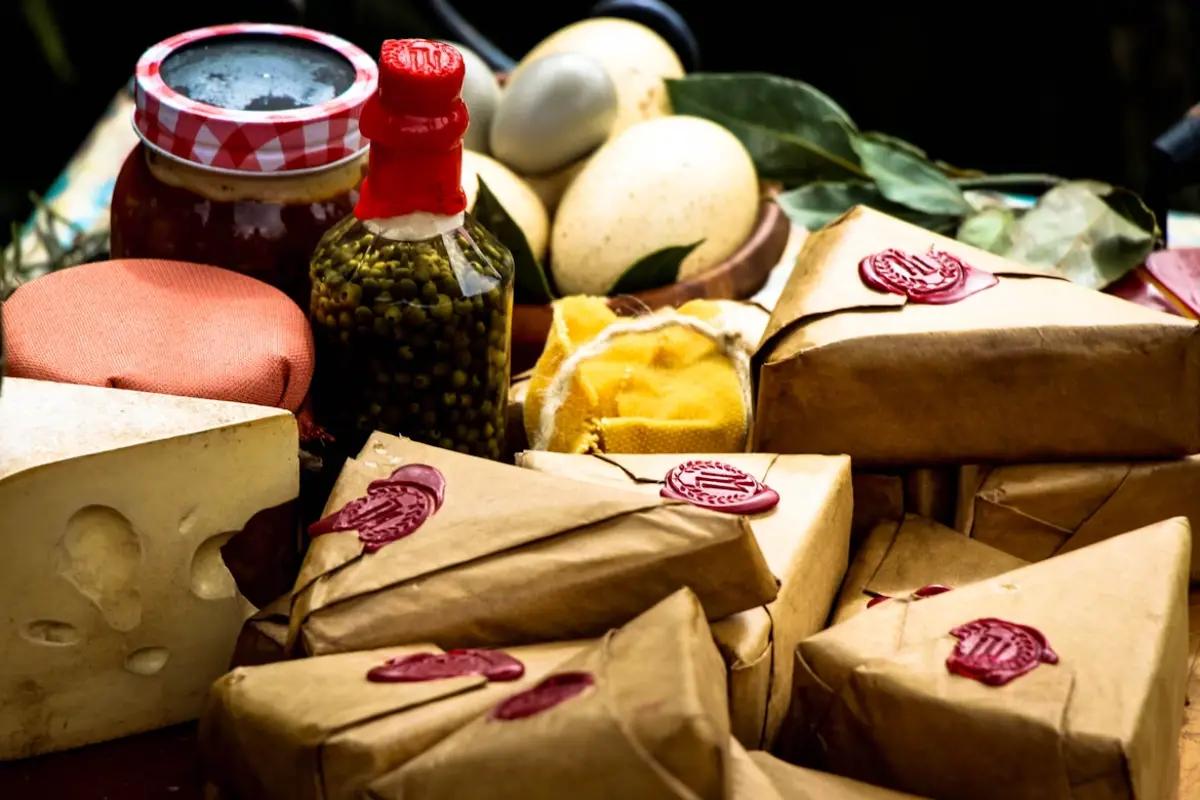
大型企业能够通过利用雄厚资源成功生产出味道正宗的区域食品。它们通常收购备受推崇的本地品牌,保留其原始配方和工艺。此外,它们大力投资研发,科学地逆向还原传统风味,并实现工业规模的标准化。这包括采购正宗原材料,以及采用先进的发酵控制来确保批次间的一致性。虽然纯粹主义者可能更偏爱手工版本,但这些企业努力使区域特色美食在全球范围内更易获得,同时并未完全牺牲其核心风味。
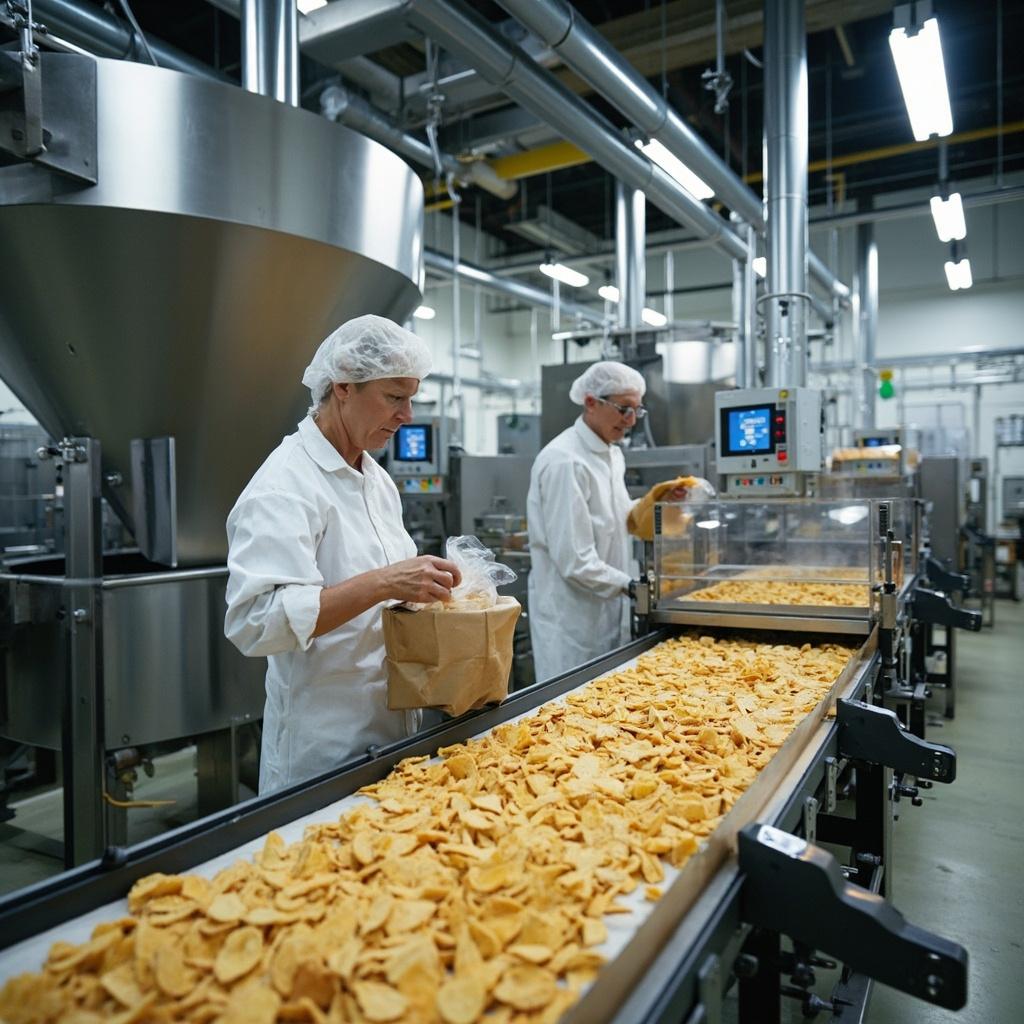
Large corporations can successfully produce authentic-tasting regional foods by leveraging significant resources. They often acquire respected local brands, preserving their original recipes and techniques. Furthermore, they invest heavily in R&D to scientifically reverse-engineer traditional flavors and achieve industrial-scale standardization. This includes sourcing authentic raw materials and using advanced fermentation control to ensure batch-to-batch consistency. While purists may prefer artisanal versions, these corporate efforts make regional specialties more accessible globally without completely compromising their core taste.
特色食品行业是全球经济的重要部分,涵盖基本产品的设计、生产和分销,服务于全球多样化的终端市场。
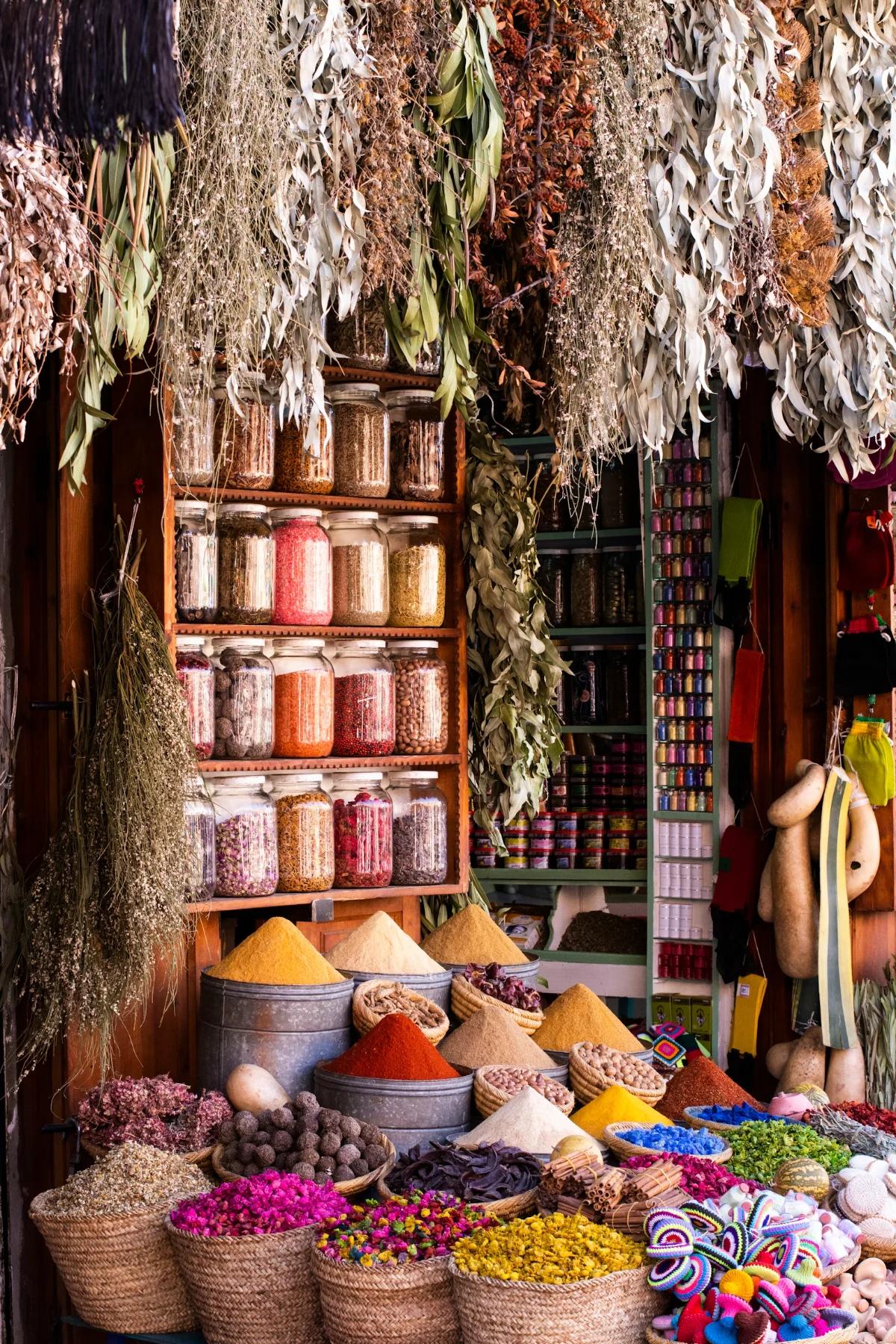
主要类别:区域特色产品(受保护原产地名称产品)、民族食品、手工/美食产品、季节性特色产品、传统/老品种产品,以及与特定文化或地理传统相关的产品。
市场动态:特色食品市场受消费者对正宗烹饪体验、美食旅游、口味偏好全球化以及食品高端化的兴趣驱动。电子商务和特色食品订阅盒已将其可及性扩展到传统美食店之外。
行业动态:特色食品行业以持续创新、不断变化的消费者需求以及对可持续性的日益重视为特征。投资于技术、质量体系和供应链韧性的公司最有可能在竞争激烈的全球市场中取得长期成功。
The specialty foods industry is a vital segment of the global economy, encompassing the design, production, and distribution of essential products that serve diverse end markets worldwide.
Major Categories: Regional specialties (protected designation of origin products), ethnic foods, artisanal/gourmet products, seasonal specialties, heritage/heirloom varieties, and products tied to specific cultural or geographic traditions.
Market Dynamics: The specialty food market is driven by consumer interest in authentic culinary experiences, food tourism, globalization of taste preferences, and the premiumization of food. E-commerce and specialty food subscription boxes have expanded access beyond traditional gourmet stores.
Industry Dynamics: The specialty foods sector is characterized by continuous innovation, evolving consumer demands, and increasing emphasis on sustainability. Companies that invest in technology, quality systems, and supply chain resilience are best positioned for long-term success in competitive global markets.
特色食品行业由几个关键因素塑造,这些因素决定了竞争成败——从原料质量和制造技术到法规合规性和市场定位。
1. 正宗性与产地:地理来源、传统生产方法和文化遗产是核心价值主张。欧盟的PDO/PGI认证及类似计划保护正宗性。
2. 品质差异化:特色食品以品质、独特性和故事而非价格竞争。小批量生产、手工方法和优质原料支撑更高定价。
3. 法规保护:许多特色产品拥有受保护名称(香槟、帕玛森干酪、大吉岭茶)——了解地理标志(GI)法规至关重要。
4. 分销渠道:特色食品分销涵盖美食零售、餐饮服务、直接面向消费者的电商、农贸市场和特色进口商/经销商。
质量标准:特色食品行业的领先公司通常以ISO 9001认证为基准,许多还持有行业特定认证。产品检测、原料可追溯性和第三方检验是基本的质量保证措施。全球主要买家和监管机构越来越要求可持续发展认证。
The specialty foods industry is shaped by several critical factors that determine competitive success — from raw material quality and manufacturing technology to regulatory compliance and market positioning.
1. Authenticity & Provenance: Geographic origin, traditional production methods, and cultural heritage are the core value proposition. PDO/PGI certifications (EU) and similar schemes protect authenticity.
2. Quality Differentiation: Specialty foods compete on quality, uniqueness, and story rather than price. Small-batch production, artisanal methods, and premium ingredients justify higher price points.
3. Regulatory Protection: Many specialty products have protected names (Champagne, Parmigiano Reggiano, Darjeeling tea) — understanding geographical indication (GI) regulations is essential.
4. Distribution Channels: Specialty food distribution spans gourmet retail, food service, direct-to-consumer e-commerce, farmers'' markets, and specialty importers/distributors.
Quality Standards: Leading companies in the specialty foods sector typically hold ISO 9001 certification as a baseline, with many also maintaining industry-specific certifications. Product testing, material traceability, and third-party inspection are essential quality assurance practices. Sustainability certifications are increasingly required by major buyers and regulators worldwide.
采购特色食品需要全面评估供应商能力、质量体系、成本结构和合规资质。
1. 正宗性验证:核实产品声称的产地、生产方法和认证。要求提供PDO/PGI状态、有机认证或公平贸易认证的相关文件。
2. 品质一致性:小批量特色产品在不同批次间可能存在差异。通过参考样品和感官评估协议建立可接受的变异参数。
3. 进口法规:特色食品常面临复杂的进口要求——乳制品、肉类和植物产品可能需要额外许可证、检验和植物检疫证书。
4. 保质期与储存:许多手工产品比大规模生产的同类产品保质期更短。了解最佳储存条件并相应规划库存。
5. 故事讲述与营销:产品的故事——产地、传统、生产者——是特色食品营销的核心。确保供应商能提供令人信服的产地信息和视觉素材。
关键建议:尽可能参观供应商设施,要求并核实第三方认证,先下试订单再承诺大批量,与多个合格供应商建立关系以降低集中风险。在采购协议中明确质量规格和检验规程。
Sourcing specialty foods products requires thorough evaluation of supplier capabilities, quality systems, cost structures, and compliance credentials.
1. Authenticity Verification: Verify the product''s claimed origin, production methods, and certifications. Request documentation of PDO/PGI status, organic certification, or fair trade certification where applicable.
2. Quality Consistency: Small-batch specialty products can vary between production runs. Establish acceptable variation parameters through reference samples and sensory evaluation protocols.
3. Import Regulations: Specialty foods often face complex import requirements — dairy, meat, and plant products may require additional permits, inspections, and phytosanitary certificates.
4. Shelf Life & Storage: Many artisanal products have shorter shelf lives than mass-produced equivalents. Understand optimal storage conditions and plan inventory accordingly.
5. Storytelling & Marketing: The product''s story — origin, tradition, producer — is central to specialty food marketing. Ensure suppliers can provide compelling provenance information and visual assets.
Key Recommendations: Visit supplier facilities when possible, request and verify third-party certifications, start with trial orders before committing to large volumes, and build relationships with multiple qualified suppliers to reduce concentration risk. Establish clear quality specifications and inspection protocols in purchase agreements.
全球特色食品行业具有独特的地理分布,受原料获取、制造传统、劳动力成本和市场邻近性影响。
1. 欧洲:意大利(帕玛森干酪、帕尔马火腿、香醋)、法国(香槟、罗克福奶酪、松露)、西班牙(伊比利亚火腿、曼彻格奶酪)——全球受保护食品名称最多的地区。
2. 日本:神户牛肉、北海道乳制品、京都蔬菜、抹茶——高度发达的特色食品文化,国内外需求强劲。
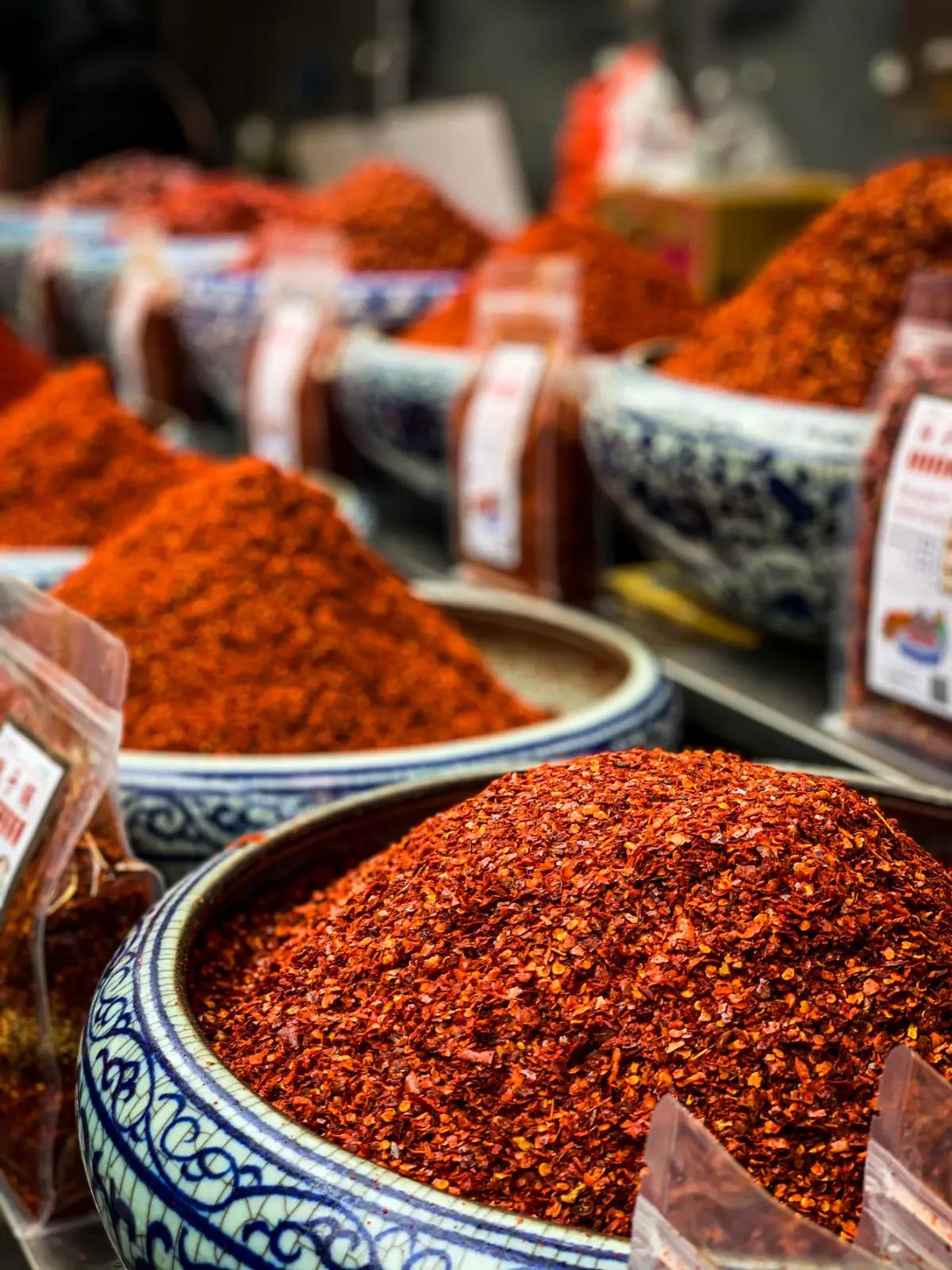
3. 中国:多样化的地方美食——花椒、宣威火腿、普洱茶、金华火腿——不断增长的高端特色食品行业。
4. 墨西哥:龙舌兰酒、梅斯卡尔酒、瓦哈卡巧克力、香草——强大的地理标志保护产品。
5. 印度与东南亚:大吉岭茶、巴斯马蒂米、贡布胡椒、越南鱼露——特色产品的地理标志认可度不断提高。
战略意义:在特色食品行业成功采购需要了解区域专业化,并维持多元化的采购策略,平衡成本、质量、交货时间和地缘政治风险。可持续发展认证和供应链透明度正日益成为进入高端市场的先决条件。
The global specialty foods industry has a distinctive geographic footprint shaped by raw material access, manufacturing heritage, labor costs, and market proximity.
1. Europe: Italy (Parmigiano Reggiano, Prosciutto di Parma, balsamic vinegar), France (Champagne, Roquefort, truffles), Spain (Jamón Ibérico, Manchego) — the most protected food names globally.
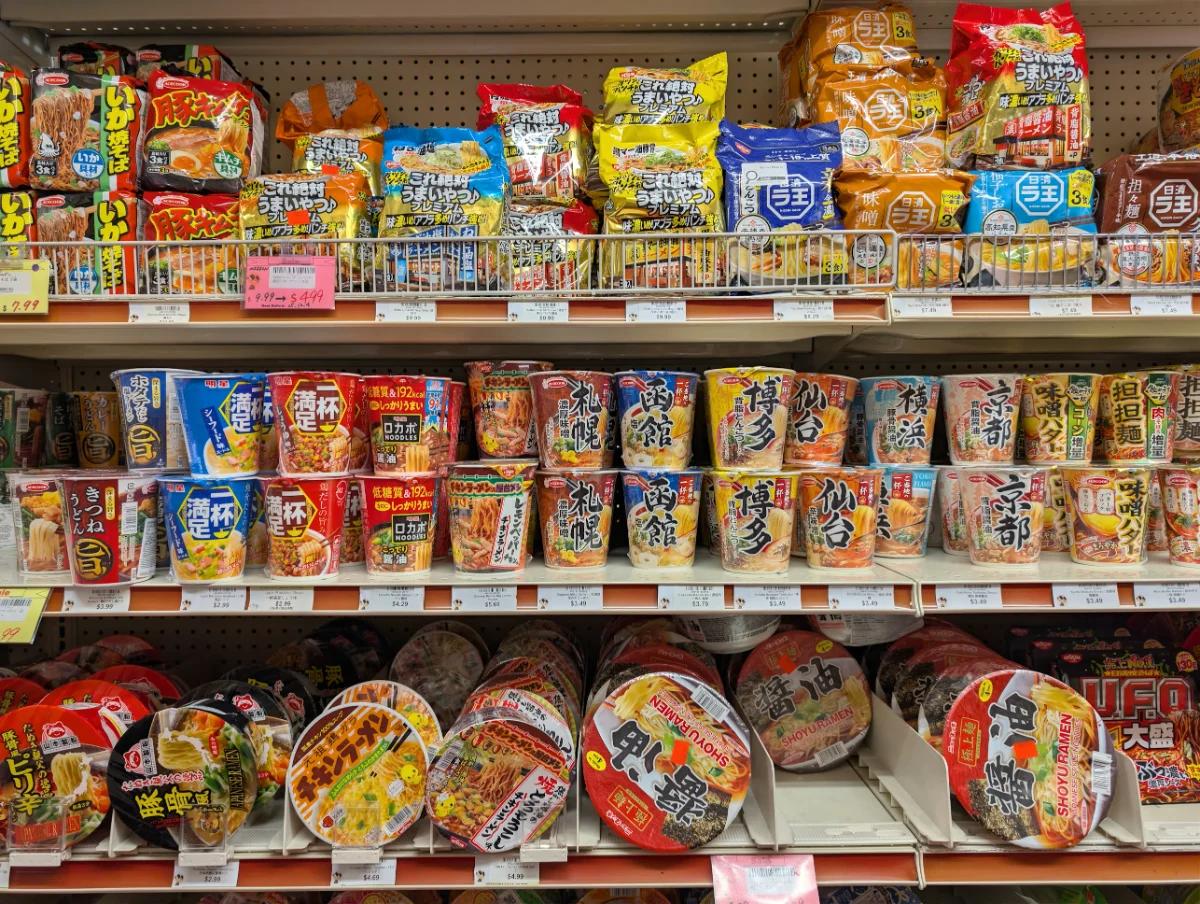
2. Japan: Kobe beef, Hokkaido dairy, Kyoto vegetables, matcha — highly developed specialty food culture with strong domestic and export demand.
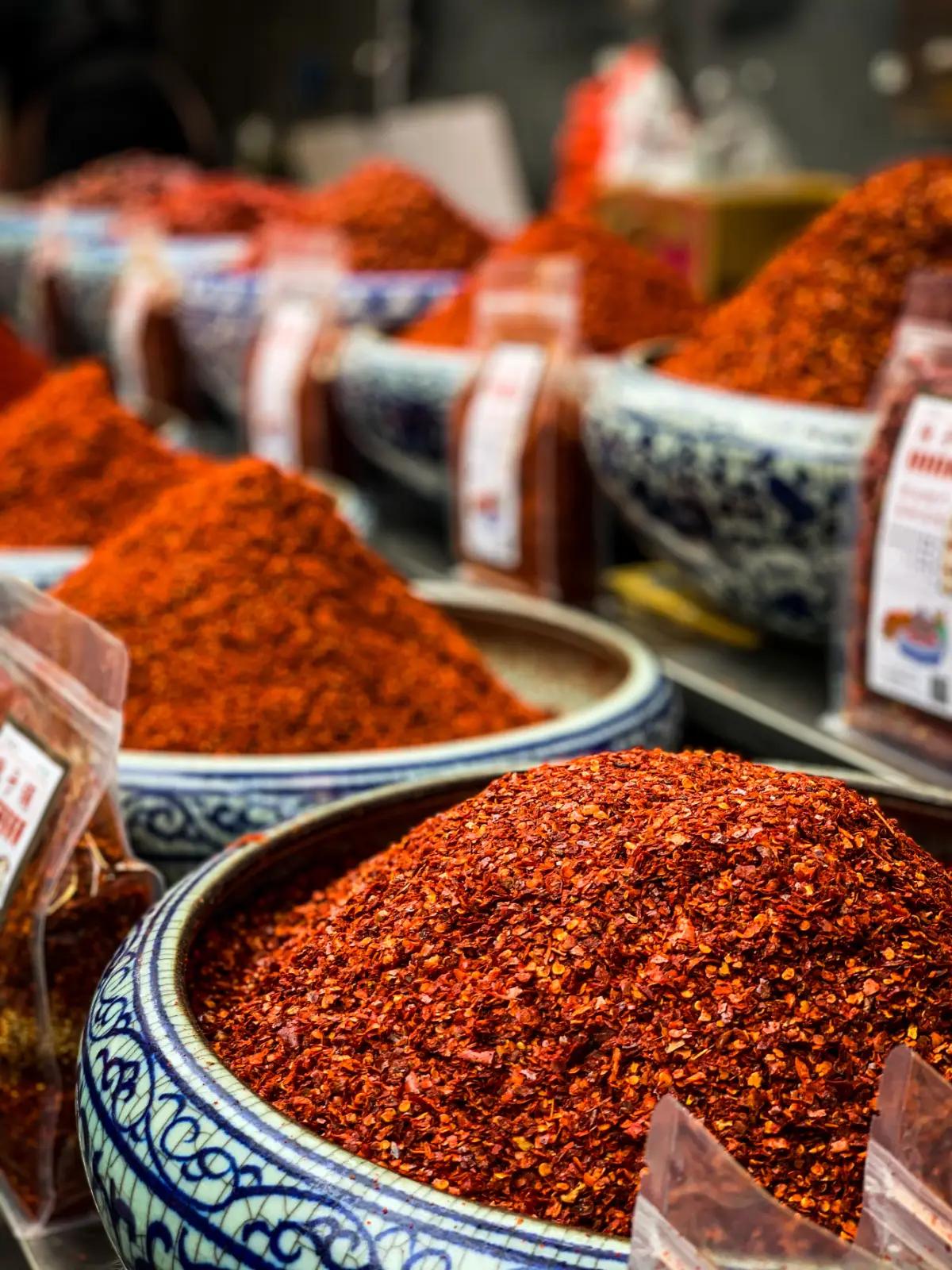
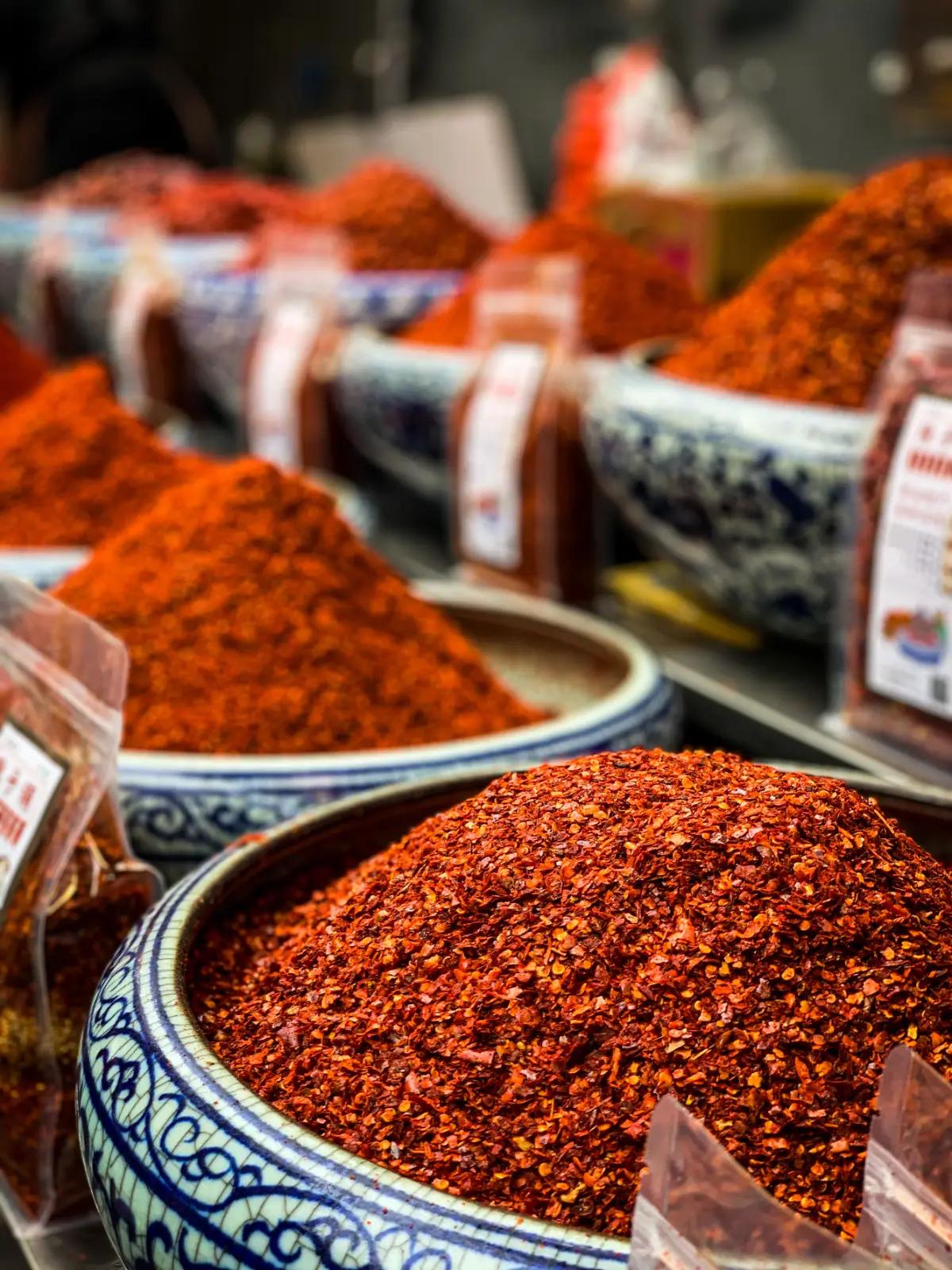
3. China: Diverse regional cuisines — Sichuan pepper, Yunnan ham, Pu''er tea, Jinhua ham — growing premium specialty food sector.
4. Mexico: Tequila, Mezcal, Oaxacan chocolate, vanilla — strong GI-protected products.
5. India & Southeast Asia: Darjeeling tea, Basmati rice, Kampot pepper, Vietnamese fish sauce — growing GI recognition for specialty products.
Strategic Implications: Successful procurement in the specialty foods industry requires understanding regional specialization and maintaining diversified sourcing strategies that balance cost, quality, lead time, and geopolitical risk. Sustainability certifications and supply chain transparency are increasingly becoming prerequisites for market access in premium segments.