食用油(食用植物油)行业是连接农业和食品加工的关键领域。可以从三个核心方面理解:1. 广泛的产业范围:它远不止货架上的瓶装油,而是涵盖油籽种植、国际贸易、压榨精炼、品牌打造和食品制造应用的完整全球产业链。2. 两大产品类别:零售消费油——供家庭使用的包装油,如大豆油、花生油、橄榄油、葵花籽油和调和油。工业及餐饮用油——市场份额更大,包括食品工厂用散装油(用于糕点、方便面、巧克力)、专用煎炸油、起酥油、人造黄油和商用厨房用油。3. 关键行业特征:这是一个资源密集型和规模驱动型行业,对原料控制、加工成本和供应链效率高度敏感,同时与全球大宗商品交易和能源政策(如生物柴油强制令)紧密交织。
The cooking oil (edible vegetable oil) industry is a critical sector bridging agriculture and food processing. It can be understood through three key aspects: 1. Broad Industrial Scope: It encompasses far more than bottled oils on shelves, forming a complete global chain that includes oilseed cultivation, international trade, crushing and refining, branding, and food manufacturing applications. 2. Two Main Product Categories: Retail Consumer Oils: Packaged oils for household use, such as soybean, peanut, olive, sunflower, and blended oils. Industrial & Foodservice Oils: This represents a larger market share, including bulk oils for food plants (used in pastries, instant noodles, chocolate), specialized frying fats, shortening, margarine, and oils for commercial kitchens. 3. Key Industry Characteristics: It is a resource-intensive and scale-driven industry, highly sensitive to raw material control, processing costs, and supply chain efficiency. It is also deeply intertwined with global commodity trading and energy policies (e.g., biodiesel mandates).
常见植物油的核心区别在于来源、成分和用途:1. 来源与加工:大豆油和菜籽油等来自一年生作物的种子,通常需要溶剂萃取和深度精炼。橄榄油(特级初榨)来自果实,主要采用物理压榨,精炼程度低。棕榈油来自油棕果肉,通过热处理和压榨获得。2. 脂肪酸构成与健康特性:· 高多不饱和脂肪:如大豆油、葵花籽油,适合常温使用,高温下稳定性较差。· 高单不饱和脂肪:如橄榄油、菜籽油、花生油,被认为有益心脏健康,烟点较高,适合煎炸。· 高饱和脂肪:如棕榈油、椰子油,热稳定性极佳,适合深度煎炸和加工食品,但应适量摄入。3. 风味与烹饪用途:橄榄油、花生油、芝麻油等具有独特风味,常用于调味和凉拌。精炼大豆油和葵花籽油味道中性。棕榈油和起酥油等固态脂肪更适合烘焙和煎炸,以产生酥脆口感。4. 经济与工业角色:大豆油和棕榈油是全球产量最大、成本效益最高的油种,构成食品工业的基石。橄榄油和核桃油等则是高价值特色产品。
The core differences between common vegetable oils lie in their source, composition, and use: 1. Source & Processing: Oils like soybean and canola come from seeds of annual crops, typically requiring solvent extraction and heavy refining. Olive oil (extra virgin) comes from fruit and is mainly physically pressed with minimal refining. Palm oil comes from the fruit flesh of the oil palm, obtained through heat treatment and pressing. 2. Fatty Acid Profile & Health Profile: · High Polyunsaturated Fats: e.g., soybean, sunflower oil. Suitable for room temperature use, less stable at high heat. · High Monounsaturated Fats: e.g., olive, canola, peanut oil. Considered heart-friendly, with higher smoke points, good for frying. · High Saturated Fats: e.g., palm, coconut oil. Excellent heat stability, ideal for deep-frying and processed foods, but intake should be moderated. 3. Flavor & Culinary Use: Oils like olive, peanut, and sesame have distinct flavors, often used for seasoning and dressings. Refined soybean and sunflower oils are neutral. Solid fats like palm oil and shortening are preferred for baking and frying to create a crispy texture. 4. Economic & Industrial Role: Soybean and palm oils are the most produced and cost-effective globally, forming the backbone of the food industry. Oils like olive and walnut oil are higher-value specialty products.
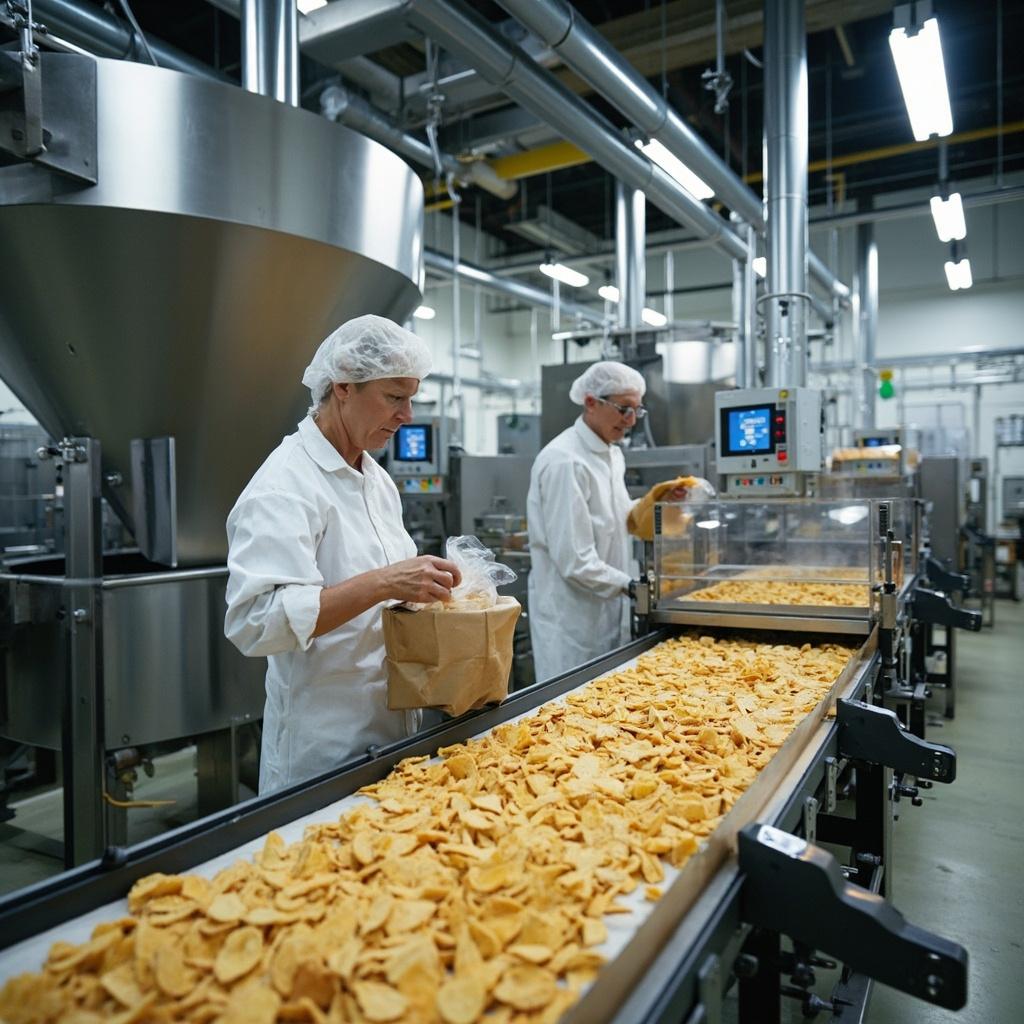
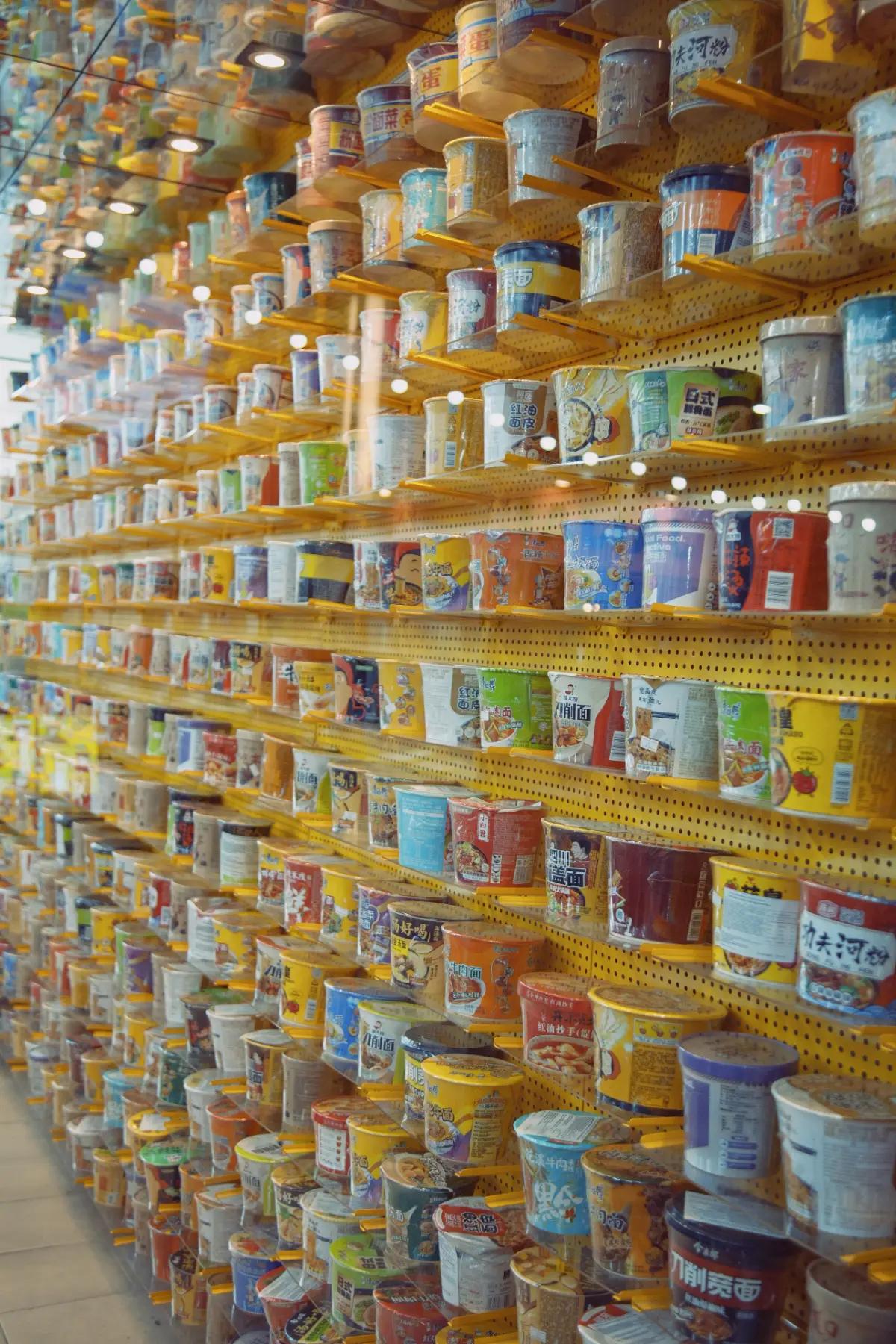
食用油是现代加工食品的“隐形基石”,主要以以下形式出现:1. 加工食品的核心成分:· 油炸食品:薯片、方便面饼、炸鸡、甜甜圈等使用高稳定性煎炸油(通常是棕榈油或专用油)。· 烘焙食品:饼干、糕点、千层酥、面包等依赖起酥油和人造黄油实现酥脆或柔软口感。· 巧克力与糖果:使用可可脂替代品(CBE)或代可可脂(CBR)等专用脂肪来调节熔点并控制成本。· 酱料与涂抹酱:植物油是蛋黄酱、沙拉酱和坚果酱的主要成分。2. 餐饮业的“命脉”:餐厅、快餐连锁和中央厨房消耗大量散装烹饪油和煎炸油,远超家庭用量。3. 食品制造中的功能性成分:用于承载风味(如炒香料)、传递热量、改善质地和保质期,并作为脂溶性维生素(A、D、E、K)的载体。4. 食品以外的应用:精炼副产品或特定油脂用于生产肥皂、化妆品、润滑油和生物柴油等工业品。
Cooking oil is the “invisible foundation” of modern processed foods, appearing primarily in these forms: 1. Core Ingredient in Processed Foods: · Fried Foods: Potato chips, instant noodle blocks, fried chicken, doughnuts, etc., use highly stable frying oils (often palm or specialty oils). · Baked Goods: Cookies, pastries, puff pastry, bread, etc., rely on shortening and margarine for crisp or soft textures. · Chocolate & Confectionery: Use specialty fats like cocoa butter equivalents (CBE) or replacers (CBR) to adjust melting points and control costs. · Sauces & Spreads: Vegetable oil is the main component in mayonnaise, salad dressings, and nut butters. 2. The “Lifeblood” of Foodservice: Restaurants, fast-food chains, and central kitchens consume vast quantities of bulk cooking and frying oils, far exceeding household use. 3. Functional Ingredient in Food Manufacturing: Used to carry flavors (e.g., stir-frying spices), transfer heat, improve texture and shelf-life, and act as a carrier for fat-soluble vitamins (A, D, E, K). 4. Applications Beyond Food: Refined by-products or specific oils are used to produce industrial goods like soap, cosmetics, lubricants, and biodiesel.
全球食用油行业具有独特的地理分布格局,生产集中在那些兼具原料获取、制造技术、劳动力成本优势以及靠近终端市场的地区。
1. 东南亚——棕榈油重镇:印度尼西亚和马来西亚生产了全球约85%的棕榈油,棕榈油是全球消费量最大的食用油。丰益国际、金光农业资源、森那美和IOI集团等公司占据主导地位。印度尼西亚的棕榈油出口政策和B35生物柴油强制掺混要求显著影响着全球定价和供应。
2. 南美洲——豆油冠军:巴西和阿根廷是全球最大的大豆加工商和出口国,生产了全球约50%的豆油。主要参与者包括嘉吉、邦吉、ADM和路易达孚,以及巴西巨头Amaggi和Coamo。
3. 北美和欧洲——菜籽油和葵花籽油领导者:加拿大主导菜籽油生产,而欧盟(法国、德国、波兰)在菜籽油和葵花籽油方面领先。乌克兰和俄罗斯合计生产了全球约60%的葵花籽油,但自2022年以来,俄乌冲突严重扰乱了供应链。
4. 中国和印度——需求大国:两者都是巨大的消费国和不断增长的生产国。中粮集团(中国)和阿达尼丰益(印度)是主要的一体化企业,业务涵盖压榨、精炼和品牌消费品。印度是全球最大的食用油进口国。
战略意义:食用油行业随着供应链的多元化而持续演变。买家应维持多国采购策略,平衡成本、质量、交货时间和地缘政治风险。了解区域专业化——哪些国家在哪些产品领域表现出色——对于做出明智的采购决策至关重要。可持续发展认证和透明供应链的趋势正在重塑竞争格局,投资于合规和可追溯性的制造商将获得进入高端市场的优先通道。
全球食用油产业具有鲜明的地理分布特征,生产集中在原料获取便利、制造技术成熟、劳动力成本优势明显且靠近终端市场的地区。
1. 东南亚——棕榈油重镇: 印度尼西亚和马来西亚生产全球约85%的棕榈油,这是全球消费量最大的食用油。以丰益国际、金光农业资源(Sinar Mas)、森那美和IOI集团等企业为主导。印尼的棕榈油出口政策及B35生物柴油强制掺混计划对全球价格和供应产生重大影响。
2. 南美洲——豆油领军者: 巴西和阿根廷是全球最大的大豆加工和出口国,生产全球约50%的豆油。主要参与者包括嘉吉、邦吉、ADM和路易达孚(ABCD四大粮商),以及Amaggi和Coamo等巴西巨头。
3. 北美与欧洲——菜籽油和葵花籽油领先者: 加拿大主导菜籽油生产,而欧盟(法国、德国、波兰)在菜籽油和葵花籽油领域领先。乌克兰和俄罗斯合计生产全球约60%的葵花籽油,但自2022年以来,俄乌冲突严重扰乱了供应链。
4. 中国与印度——需求大国:两国既是巨大的消费市场,也是不断增长的生产国。中粮集团(中国)和阿达尼丰益(印度)是涵盖压榨、精炼及品牌消费品的一体化巨头。印度是全球最大的食用油进口国。
战略启示:随着供应链多元化发展,食用油产业持续演变。采购方应制定多国采购策略,平衡成本、质量、交货周期和地缘政治风险。了解区域专业化分工——哪些国家在哪些产品领域具有优势——对于做出明智采购决策至关重要。可持续发展认证(OEKO-TEX、GOTS、bluesign、GRS)和透明供应链的趋势正在重塑竞争格局,投资合规与可追溯性的制造商将获得进入高端市场的优先通道。
The global Cooking Oil industry has a distinct geographic footprint, with production concentrated in regions that combine raw material access, manufacturing expertise, labor cost advantages, and proximity to end-use markets.
1. Southeast Asia — The Palm Oil Powerhouse: Indonesia and Malaysia produce approximately 85% of the world''s palm oil, the most consumed cooking oil globally. Companies like Wilmar International, Golden Agri-Resources (Sinar Mas), Sime Darby, and IOI Corporation dominate. Indonesia''s palm oil export policies and B35 biodiesel mandates significantly influence global pricing and availability.
2. South America — Soybean Oil Champions: Brazil and Argentina are the world''s largest soybean processors and exporters, producing approximately 50% of global soybean oil. Key players include Cargill, Bunge, ADM, and Louis Dreyfus Company (ABCD traders) along with Brazilian giants like Amaggi and Coamo.
3. North America & Europe — Canola and Sunflower Oil Leaders: Canada dominates canola (rapeseed) oil production, while the EU (France, Germany, Poland) leads in rapeseed and sunflower oil. Ukraine and Russia together produce approximately 60% of the world''s sunflower oil, though the Russia-Ukraine conflict has severely disrupted supply chains since 2022.
4. China & India — The Demand Giants: Both are massive consumers and growing producers. COFCO (China) and Adani Wilmar (India) are major integrated players spanning crushing, refining, and branded consumer products. India is the world''s largest importer of edible oils.
Strategic Implications: The Cooking Oil industry continues to evolve as supply chains diversify. Buyers should maintain multi-country sourcing strategies that balance cost, quality, lead time, and geopolitical risk. Understanding regional specialization — which countries excel at which product segments — is essential for making informed procurement decisions. The trend toward sustainability certifications (OEKO-TEX, GOTS, bluesign, GRS) and transparent supply chains is reshaping competitive dynamics, with manufacturers who invest in compliance and traceability gaining preferential access to premium markets.
The global Cooking Oil industry has a distinct geographic footprint, with production concentrated in regions that combine raw material access, manufacturing expertise, labor cost advantages, and proximity to end-use markets.
1. Southeast Asia — The Palm Oil Powerhouse: Indonesia and Malaysia produce approximately 85% of the world''s palm oil, the most consumed cooking oil globally. Companies like Wilmar International, Golden Agri-Resources (Sinar Mas), Sime Darby, and IOI Corporation dominate. Indonesia''s palm oil export policies and B35 biodiesel mandates significantly influence global pricing and availability.
2. South America — Soybean Oil Champions: Brazil and Argentina are the world''s largest soybean processors and exporters, producing approximately 50% of global soybean oil. Key players include Cargill, Bunge, ADM, and Louis Dreyfus Company (ABCD traders) along with Brazilian giants like Amaggi and Coamo.
3. North America & Europe — Canola and Sunflower Oil Leaders: Canada dominates canola (rapeseed) oil production, while the EU (France, Germany, Poland) leads in rapeseed and sunflower oil. Ukraine and Russia together produce approximately 60% of the world''s sunflower oil, though the Russia-Ukraine conflict has severely disrupted supply chains since 2022.
4. China & India — The Demand Giants: Both are massive consumers and growing producers. COFCO (China) and Adani Wilmar (India) are major integrated players spanning crushing, refining, and branded consumer products. India is the world''s largest importer of edible oils.
Strategic Implications: The Cooking Oil industry continues to evolve as supply chains diversify. Buyers should maintain multi-country sourcing strategies that balance cost, quality, lead time, and geopolitical risk. Understanding regional specialization — which countries excel at which product segments — is essential for making informed procurement decisions. The trend toward sustainability certifications (OEKO-TEX, GOTS, bluesign, GRS) and transparent supply chains is reshaping competitive dynamics, with manufacturers who invest in compliance and traceability gaining preferential access to premium markets.