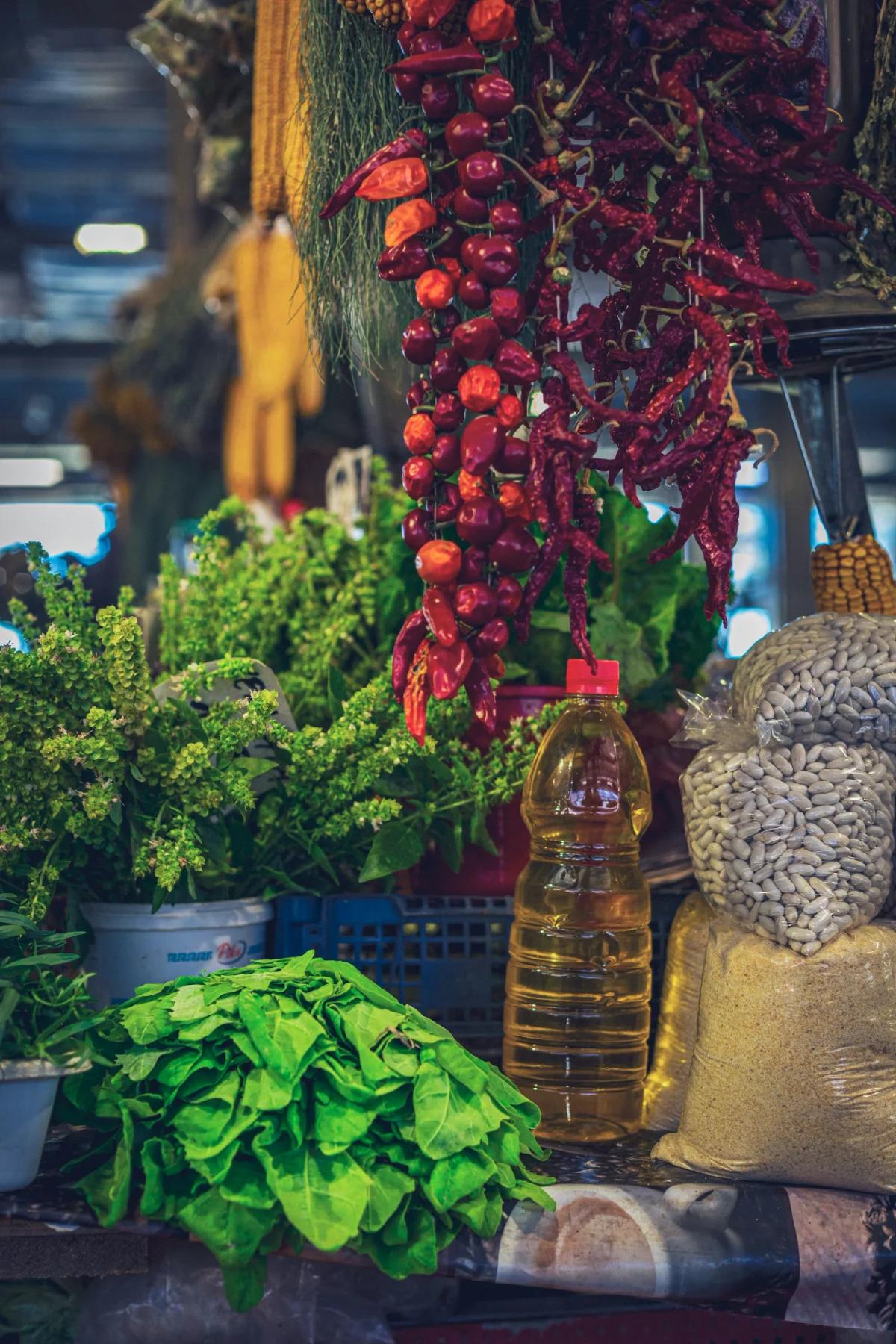
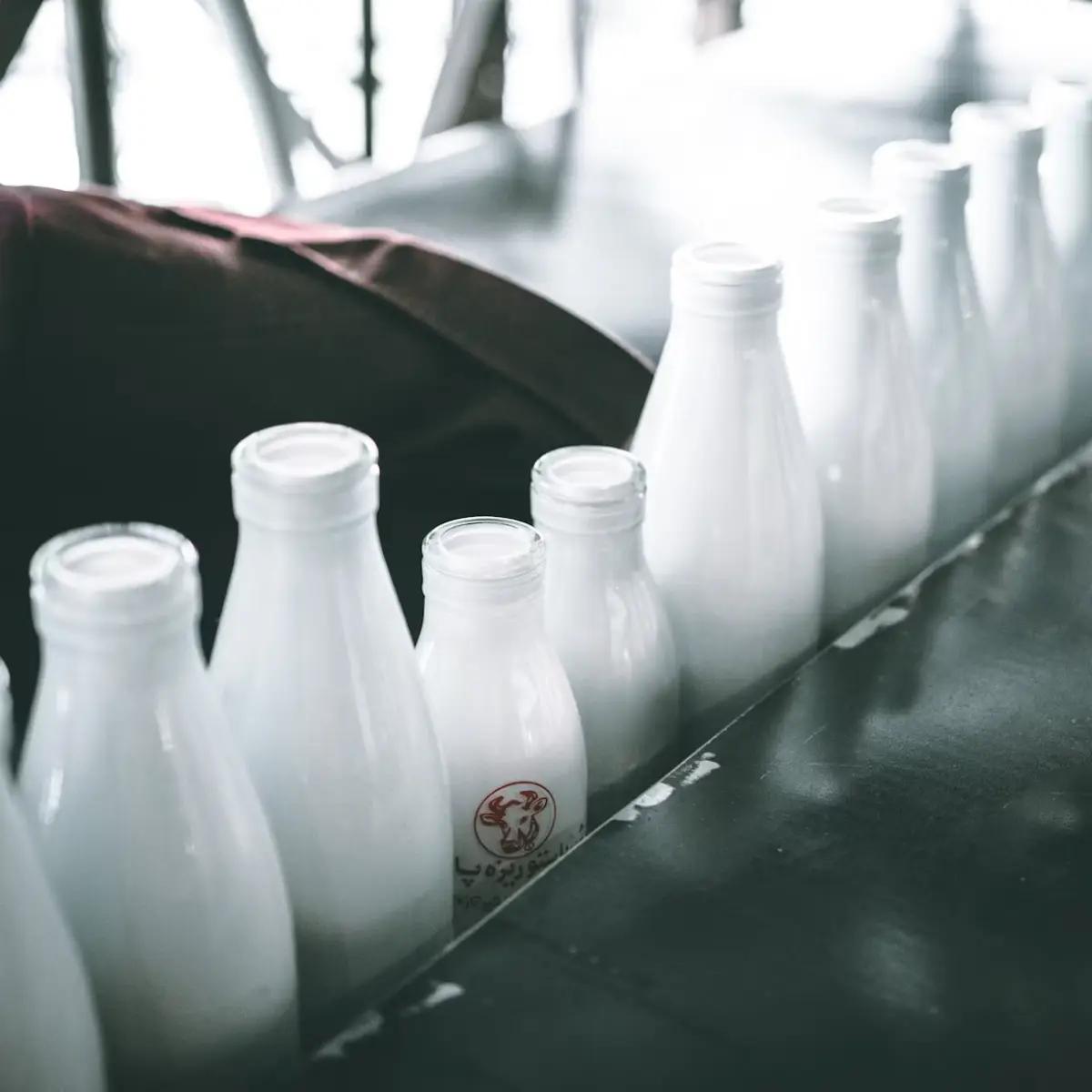
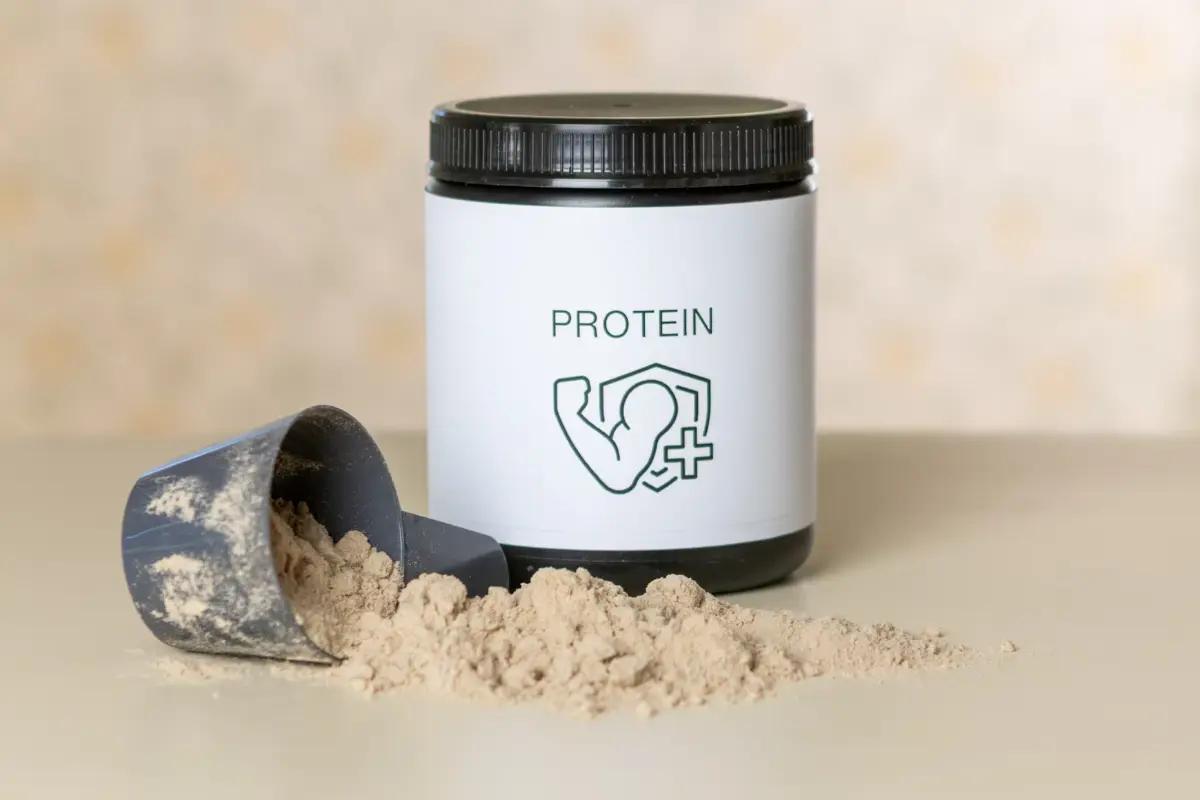
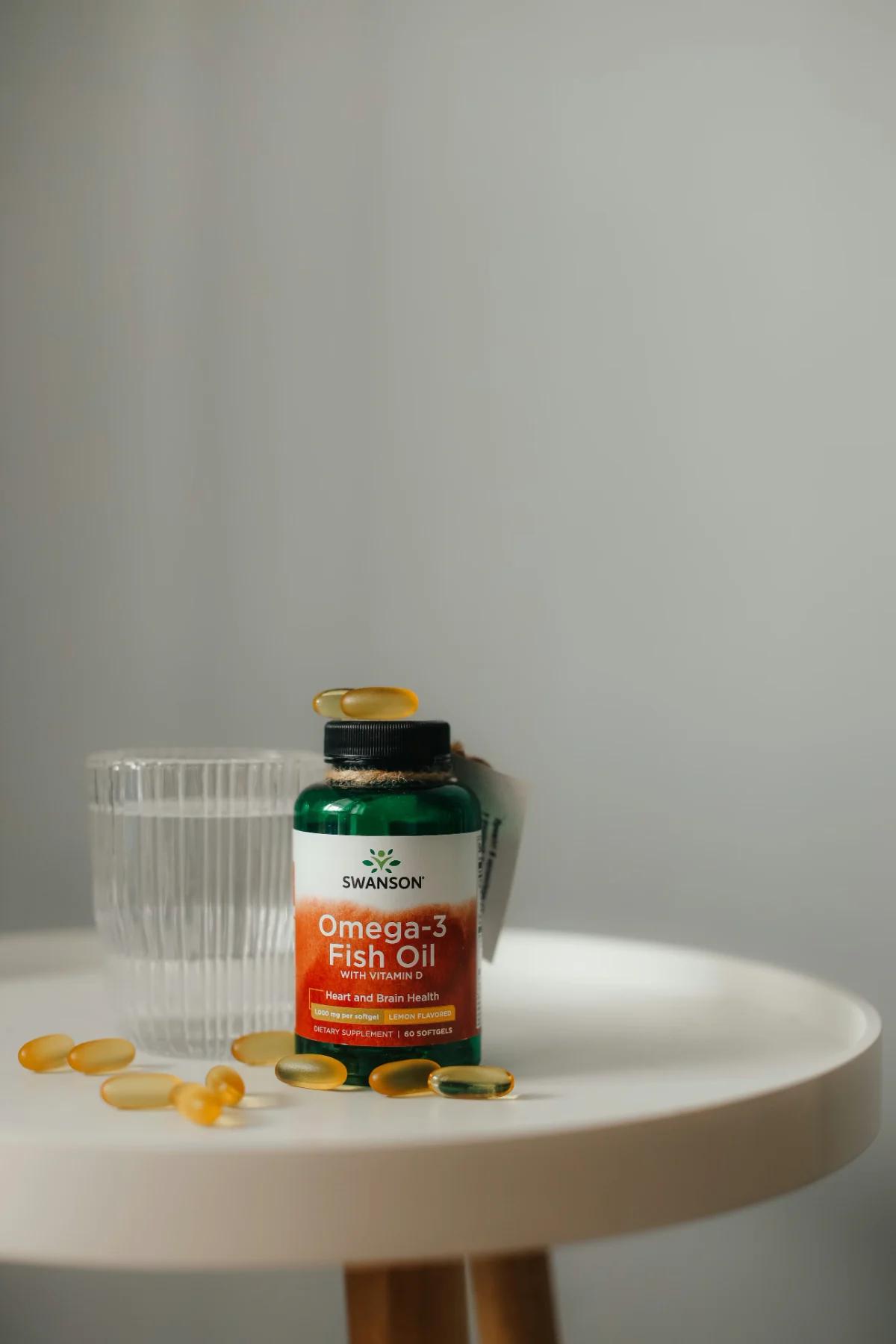
健康食品行业涵盖了一系列食品和饮料产品,这些产品因其被认为对健康、保健和营养有益(超越基本营养)而进行营销和消费。它不是一个单一、严格定义的类别,而是一个由消费者对更健康选择的需求驱动的动态市场。1. 核心产品类别:该行业通常包括几个关键细分领域。这些包括有机食品(不使用合成农药或化肥生产)、功能性食品和饮料(添加了维生素、矿物质、益生菌或其他生物活性化合物以提供特定健康益处)、膳食补充剂(如维生素、矿物质、蛋白粉和草药提取物,形式为丸剂、粉末或液体)、天然和清洁标签产品(加工最少,成分可识别)以及植物基和无添加替代品(如无乳牛奶、肉类替代品和无麸质产品)。2. 超越“食品”:重要的是,该行业连接了传统食品和医疗保健。它包括医疗营养产品(在医疗监督下为管理疾病而特别配制的食品)和运动营养产品(旨在提高运动表现和恢复的产品)。核心理念是,食品既可以提供营养,也可以作为支持整体健康、免疫力、能量和特定健康目标的主动工具。
The health food industry encompasses a broad range of food and beverage products that are marketed and consumed for their perceived benefits to human health, wellness, and nutrition beyond basic sustenance. It’s not a single, rigidly defined category but a dynamic market driven by consumer demand for better-for-you options. 1. Core Product Categories: The industry typically includes several key segments. These are Organic Foods (produced without synthetic pesticides or fertilizers), Functional Foods & Beverages (enhanced with added vitamins, minerals, probiotics, or other bioactive compounds for specific health benefits), Dietary Supplements (such as vitamins, minerals, protein powders, and herbal extracts in pill, powder, or liquid form), Natural & Clean Label Products (made with minimal processing and recognizable ingredients), and Plant-Based & Free-From Alternatives (like dairy-free milk, meat substitutes, and gluten-free items). 2. Beyond Just “Food”: Importantly, the industry bridges traditional food and healthcare. It includes products for Medical Nutrition (specially formulated foods for managing diseases under medical supervision) and Sports Nutrition (products designed to enhance athletic performance and recovery). The driving idea is that food can be both nourishment and a proactive tool for supporting overall well-being, immunity, energy, and specific health goals.
健康食品行业正快速发展,其驱动力来自技术进步、可持续性关注以及对营养学的更深入理解。当前,几个关键趋势正在定义其未来方向:
1. **个性化与精准营养**:一刀切的模式正在消退。趋势指向基于个人DNA、肠道微生物组、生活方式和健康目标的定制化营养方案。家用检测试剂盒、健康应用程序和人工智能驱动的推荐系统使这一趋势成为可能,从而提供量身定制的补充剂组合和食品选择。
2. **植物基革命持续深化**:植物基趋势已超越肉类和牛奶替代品,正扩展至海鲜、鸡蛋、奶酪甚至即食餐。重点也从简单替代转向改善这些产品的口感、质地和营养特性(如完整蛋白质来源),以吸引更广泛的弹性素食人群。
3. **功能性益处与明确宣称**:消费者寻求具有特定、有证据支持的健康益处的产品。热门功能领域包括肠道健康(益生菌、益生元、后生元)、免疫支持(维生素C、D、锌)、心理健康与压力缓解(适应原如南非醉茄)、能量提升以及由内而外的美容(胶原蛋白、抗氧化剂)。
4. **透明度与“清洁”标签**:对成分透明度的需求强烈。消费者仔细审视标签,偏好成分列表简短、简单且可识别、不含人工添加剂、高果糖玉米糖浆或争议性防腐剂的产品。可持续性和道德采购也是这种“清洁”需求的重要组成部分。
The health food industry is evolving rapidly, driven by technological advances, sustainability concerns, and a deeper understanding of nutrition. Several key trends are currently defining its future direction. 1. Personalization and Precision Nutrition: One-size-fits-all is fading. Trends point towards customized nutrition plans based on individual DNA, gut microbiome, lifestyle, and health goals. This is enabled by home test kits, health apps, and AI-driven recommendations, leading to tailored supplement blends and food choices. 2. The Plant-Based Revolution Continues: Moving beyond just alternatives to meat and milk, the plant-based trend is expanding into seafood, eggs, cheese, and even ready meals. The focus is also shifting from simple substitution to improving the taste, texture, and nutritional profile (like complete protein sources) of these products to attract a wider, flexitarian audience. 3. Functional Benefits with Clear Claims: Consumers seek products with specific, evidence-backed health benefits. Popular functional areas include gut health (probiotics, prebiotics, postbiotics), immune support (vitamins C, D, zinc), mental well-being & stress relief (adaptogens like ashwagandha), energy enhancement, and beauty-from-within (collagen, antioxidants). 4. Transparency and “Clean” Labels: There is a strong demand for ingredient transparency. Consumers scrutinize labels, preferring products with short, simple, and recognizable ingredient lists, free from artificial additives, high-fructose corn syrup, or controversial preservatives. Sustainability and ethical sourcing are also significant parts of this “clean” demand.
随着“有机”声明变得普遍,了解如何验证它们至关重要。真正的有机认证涉及从种子到货架的严格标准。1. 寻找官方认证标签:这是最可靠的方法。不要仅仅依赖“天然”或“绿色”等营销词汇。在包装上寻找公认的有机标志。在美国,USDA有机标志是权威的。在欧盟,寻找欧盟有机标志(绿色叶子)。不同国家有自己的认证机构和标志。这些标志保证产品符合特定的政府监管标准。2. 理解标签含义:认证标准通常禁止使用合成农药和化肥、转基因生物(GMO)、抗生素以及动物养殖中的生长激素。它们还促进土壤健康、生物多样性和动物福利。阅读标签上的信息也很明智。根据法律,标有“100%有机”的产品必须只含有机成分,“有机”必须至少含95%有机成分,“使用有机成分制成”必须至少含70%。3. 从信誉良好的来源购买:从成熟的有机品牌、认证农贸市场或具有明确采购政策的信誉良好的零售商处购买,可增加信任度。许多品牌还在其包装或网站上提供“认证ID”,您通常可以在认证机构的网站上查询其当前状态。请记住,对于加工食品,即使是有机的,检查整体营养标签中的糖、盐和脂肪含量仍然很重要。
With “organic” claims becoming common, it’s crucial to know how to verify them. True organic certification involves strict standards from seed to shelf. 1. Look for Official Certification Labels: This is the most reliable method. Don’t just rely on marketing words like “natural” or “green.” Look for a recognized organic seal on the packaging. In the U.S., the USDA Organic seal is authoritative. In the European Union, look for the EU Organic Logo (a green leaf). Different countries have their own certification bodies and logos. These seals guarantee the product meets specific government-regulated standards. 2. Understand What the Label Means: Certification standards typically prohibit the use of synthetic pesticides and fertilizers, genetically modified organisms (GMOs), antibiotics, and growth hormones in animal farming. They also promote soil health, biodiversity, and animal welfare. Reading the label beyond the seal is also wise. By law, products labeled “100% Organic” must contain only organic ingredients, “Organic” must contain at least 95% organic ingredients, and “Made with Organic Ingredients” must contain at least 70%. 3. Buy from Reputable Sources: Purchasing from established organic brands, certified farmers’ markets, or reputable retailers with clear sourcing policies increases trust. Many brands also provide a “certification ID” on their packaging or website, which you can often look up on the certifier’s website to verify its current status. Remember, for processed foods, even if organic, it’s still important to check the overall nutrition facts for sugar, salt, and fat content.
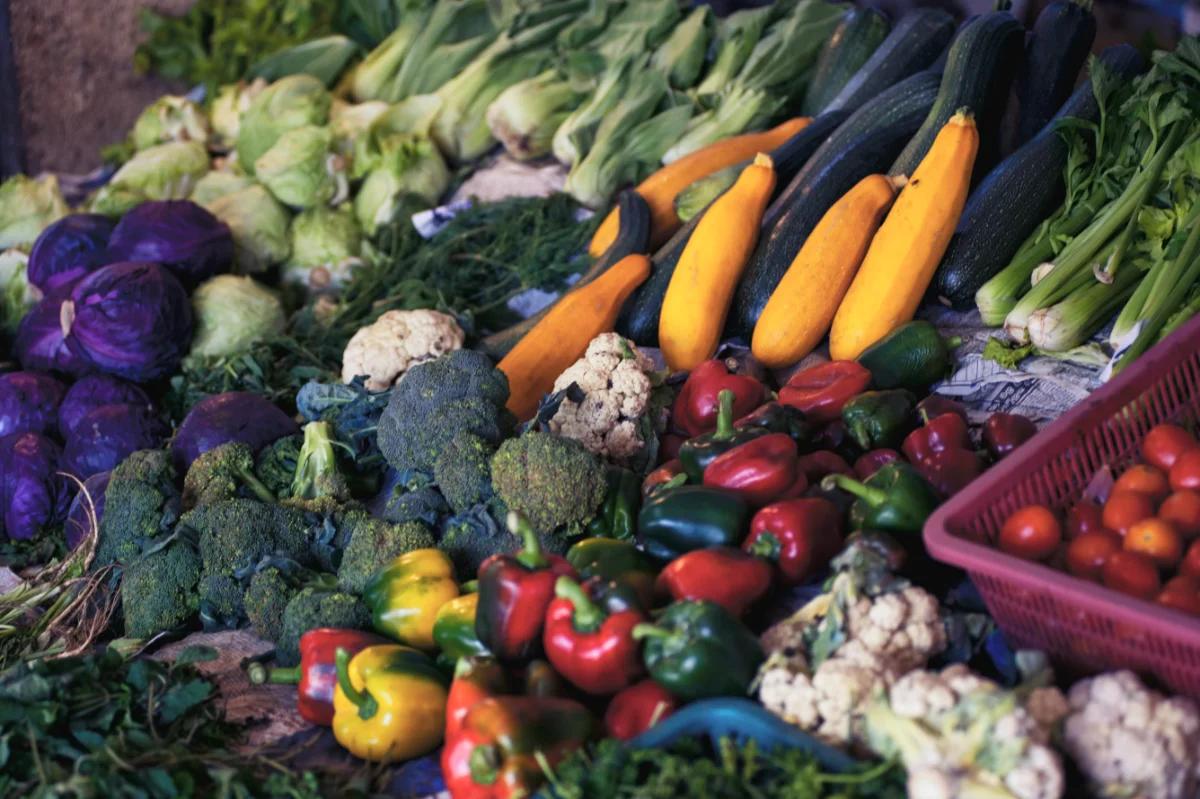
涉足健康食品领域可能会让人不知所措。关键在于从简单入手,专注于天然食品,倾听身体的声音,而不是追逐每一种潮流。1. 优先选择天然、加工程度低的食品:任何健康饮食的基础都是天然食品。这意味着增加水果、蔬菜、全谷物(如燕麦、藜麦)、豆类、坚果和种子的摄入量。这些食物天然富含纤维、维生素和抗氧化剂。购买包装食品时,选择成分列表简短、简单,且你能认出所有成分都是真实食物的产品。2. 明确个人目标:你的选择应与目标一致。你是在追求整体健康、更多精力、更好的消化、免疫支持、运动后肌肉恢复,还是体重管理?例如,关注肠道健康的人可能会寻找含有活性菌的酸奶或发酵食品,而需要快速补充运动后营养的人可能会考虑蛋白奶昔。避免购买宣称模糊、不符合特定需求的产品。3. 批判性阅读标签:不要被包装正面的“低脂”或“高纤维”等宣称所左右。翻到包装背面,阅读营养成分表和成分列表。检查添加糖(可能有多种名称,如糖浆、果汁、浓缩果汁)、钠含量和脂肪类型。按重量排序的成分列表能告诉你很多信息——如果糖是前几种成分之一,就要小心了。4. 逐步引入改变并咨询专业人士:从一两个替换开始,比如选择全麦面包代替白面包,或者用坚果代替薯片作为零食。倾听身体的反应。对于重大的饮食改变、引入许多新补充剂,或者如果你有现有健康问题,咨询注册营养师或医生始终是最安全、最有效的方法。
Venturing into the world of health foods can be overwhelming. The key is to start simple, focus on whole foods, and listen to your body, rather than chasing every trend. 1. Prioritize Whole, Minimally Processed Foods: The foundation of any healthy diet is whole foods. This means increasing your intake of fruits, vegetables, whole grains (like oats, quinoa), legumes, nuts, and seeds. These foods are naturally rich in fiber, vitamins, and antioxidants. When buying packaged items, choose ones with short, simple ingredient lists where you recognize everything as real food. 2. Identify Your Personal Goal: Your choice should align with your objective. Are you seeking general wellness, more energy, better digestion, immune support, muscle recovery after exercise, or weight management? For example, someone focusing on gut health might look for yogurt with live cultures or fermented foods, while someone needing quick post-workout nutrition might consider a protein shake. Avoid buying products with vague claims that don’t match a specific need. 3. Read Labels Critically: Don’t be swayed by front-of-package claims like “low-fat” or “high in fiber.” Turn the package over and read the Nutrition Facts panel and the Ingredients list. Check for added sugars (which can have many names like syrup, nectar, juice concentrate), sodium content, and the type of fats. An ingredient list ordered by weight can tell you a lot—if sugar is one of the first ingredients, be cautious. 4. Introduce Changes Gradually and Consult Professionals: Start by making one or two swaps, like choosing whole-grain bread instead of white, or snacking on nuts instead of chips. Listen to how your body responds. For significant dietary changes, introducing many new supplements, or if you have existing health conditions, consulting a registered dietitian or a doctor is always the safest and most effective approach.
健康食品行业的未来指向科学、技术和可持续性的更大融合,使个性化和主动的健康管理比以往任何时候都更容易获得。1. 通过生物技术实现超个性化:营养科学、基因组学和肠道微生物组研究的融合将使真正个性化的营养成为主流。我们将看到更多产品不仅针对一般目标(如“能量”),而且针对个体的独特生物学构成进行定制,可能根据通过应用程序提供的家庭血液或微生物组测试结果进行推荐。2. 可持续和再生实践:“健康”将越来越多地扩展到地球健康。消费者需求将推动行业向再生农业(改善土壤健康并捕获碳)、升级再造成分(利用食品副产品减少浪费)以及真正可持续、可生物降解或可重复使用的包装发展。道德采购和全供应链透明度将成为基本期望,而非溢价特征。3. 食品、补充剂和药品之间的界限模糊:“医疗食品”或“功能性食品”类别将显著增长。我们将看到更多食品和饮料产品采用临床研究的成分,以精确剂量开发,用于管理或预防特定疾病(如认知衰退、代谢健康)。这些产品将存在于传统食品和药品之间的空间,通常需要清晰的科学支持沟通。4. 技术驱动的创新:技术将彻底改变生产和交付。这包括细胞农业(实验室培养的肉/脂肪)、精密发酵(通过微生物生产特定蛋白质或化合物)和3D食品打印,为老年人或吞咽困难患者创建定制的高营养零食或餐食。人工智能还将在预测趋势、优化配方和管理复杂的个性化供应链方面发挥巨大作用。
The future of the health food industry points towards greater integration of science, technology, and sustainability, making personalized and proactive health management more accessible than ever. 1. Hyper-Personalization Through Biotech: The convergence of nutritional science, genomics, and gut microbiome research will make truly personalized nutrition mainstream. We’ll see more products tailored not just to general goals (like “energy”), but to an individual’s unique biological makeup, potentially recommended based on at-home blood or microbiome test results delivered via an app. 2. Sustainable and Regenerative Practices: “Health” will increasingly extend to planetary health. Consumer demand will push the industry towards regenerative agriculture (which improves soil health and captures carbon), upcycled ingredients (using food byproducts to reduce waste), and truly sustainable, biodegradable, or reusable packaging. Ethical sourcing and full supply chain transparency will become a baseline expectation, not a premium feature. 3. Blurring Lines Between Food, Supplements, and Medicine: The category of “medical foods” or “nutraceuticals” will grow significantly. We’ll see more food and beverage products developed with clinically studied ingredients at precise dosages to manage or prevent specific conditions (like cognitive decline, metabolic health). These products will exist in a space between conventional food and pharmaceuticals, often requiring clear science-backed communication. 4. Technology-Driven Innovation: Technology will revolutionize production and delivery. This includes cellular agriculture (lab-grown meat\/fat), precision fermentation (producing specific proteins or compounds via microbes), and 3D food printing to create customized nutrient-dense snacks or meals for elderly or patients with swallowing difficulties. AI will also play a huge role in predicting trends, optimizing formulations, and managing complex, personalized supply chains.