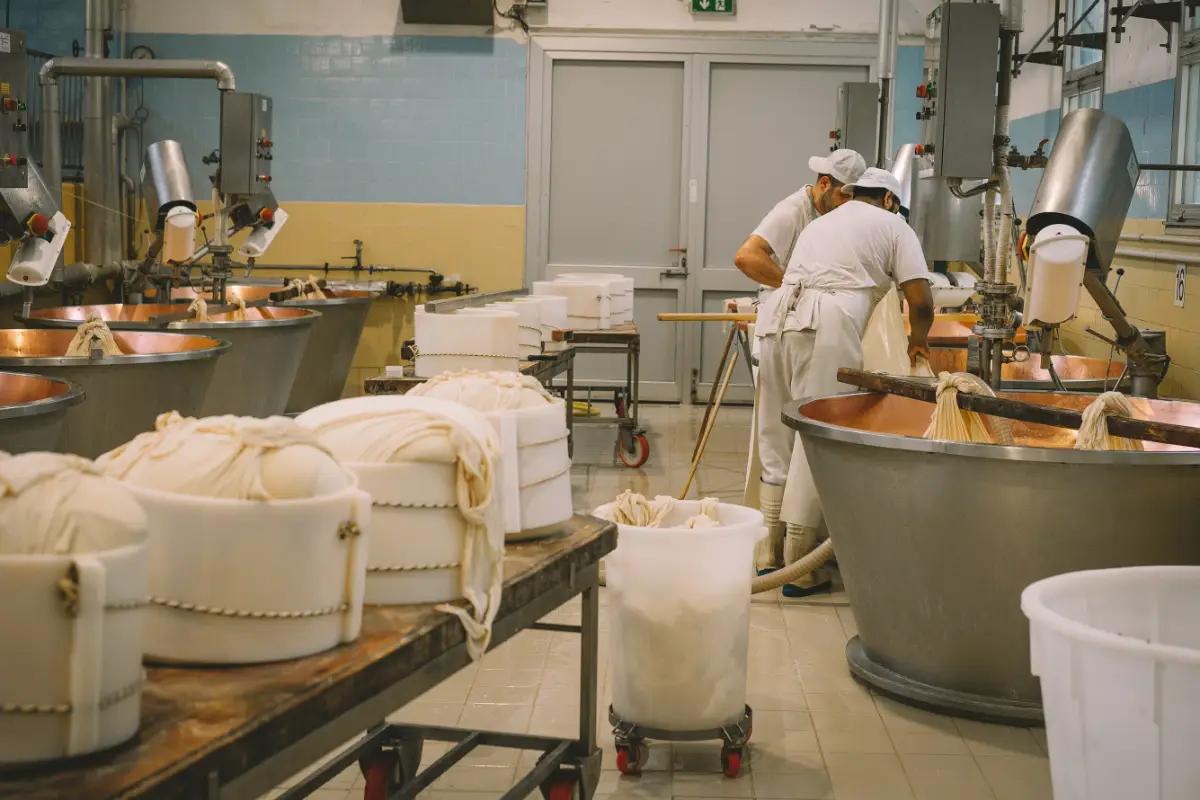
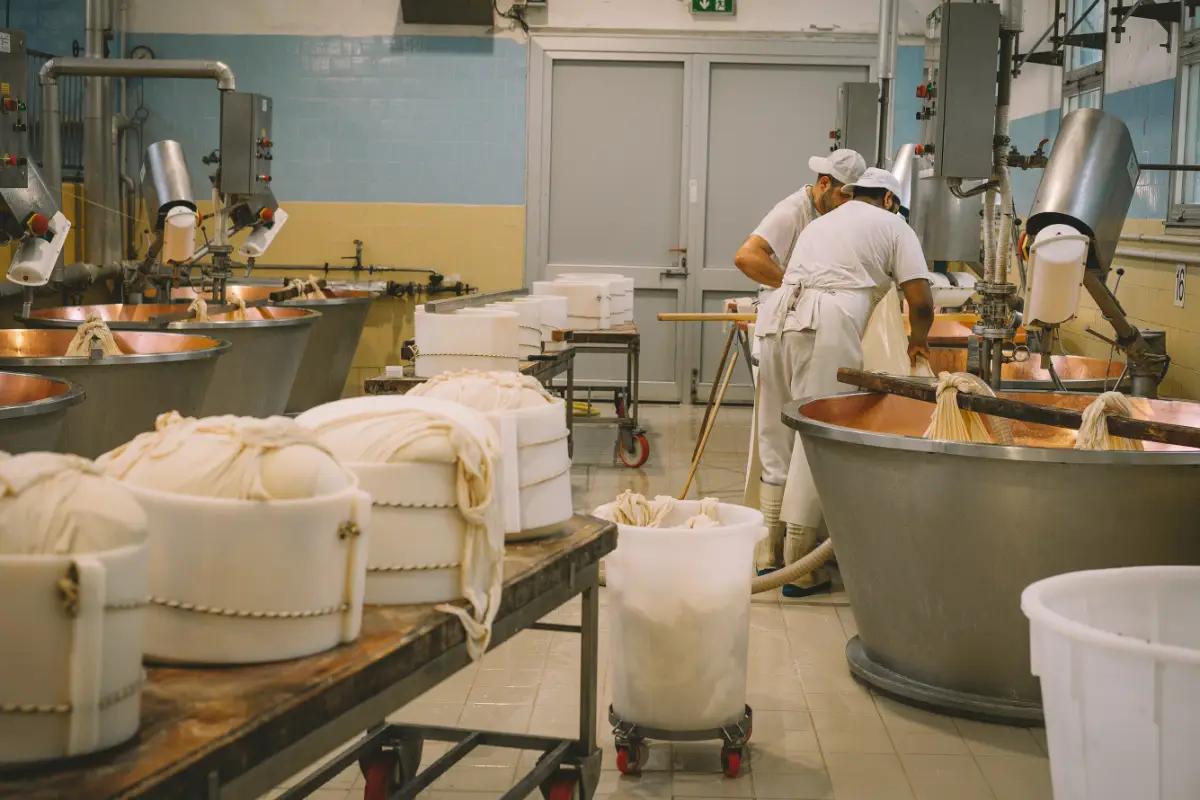
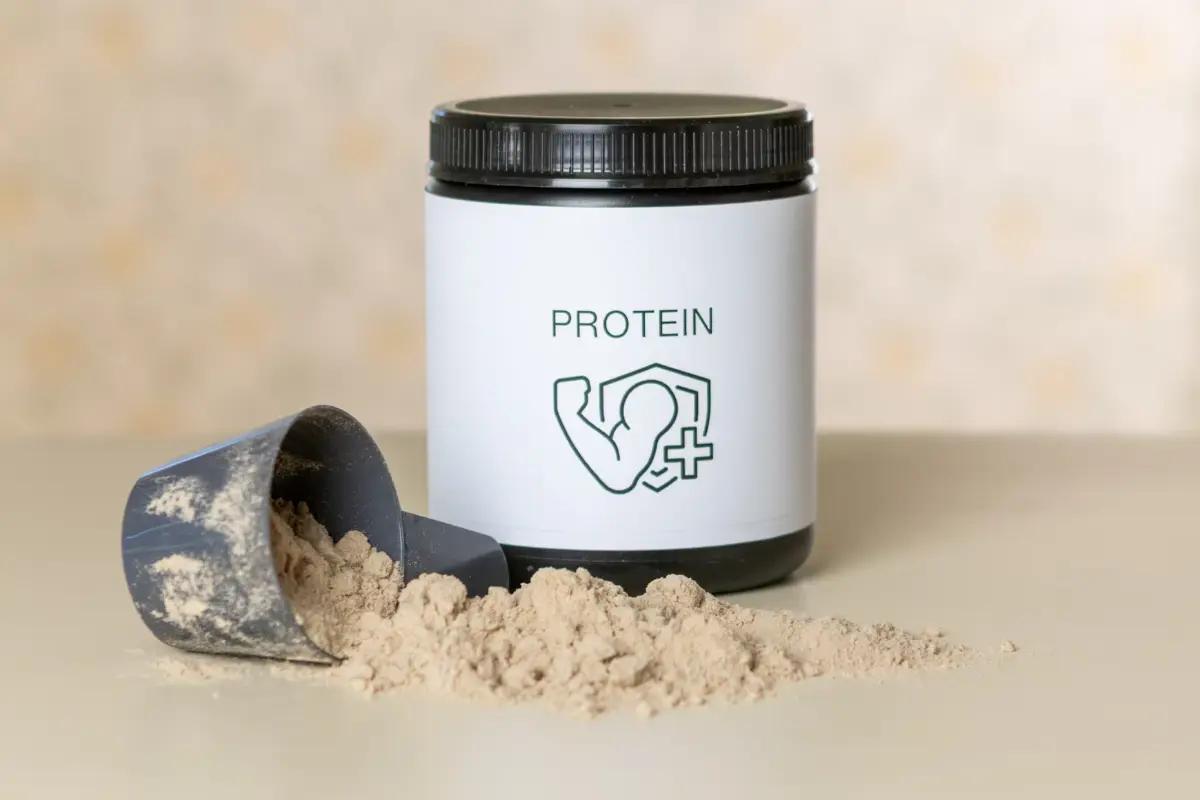
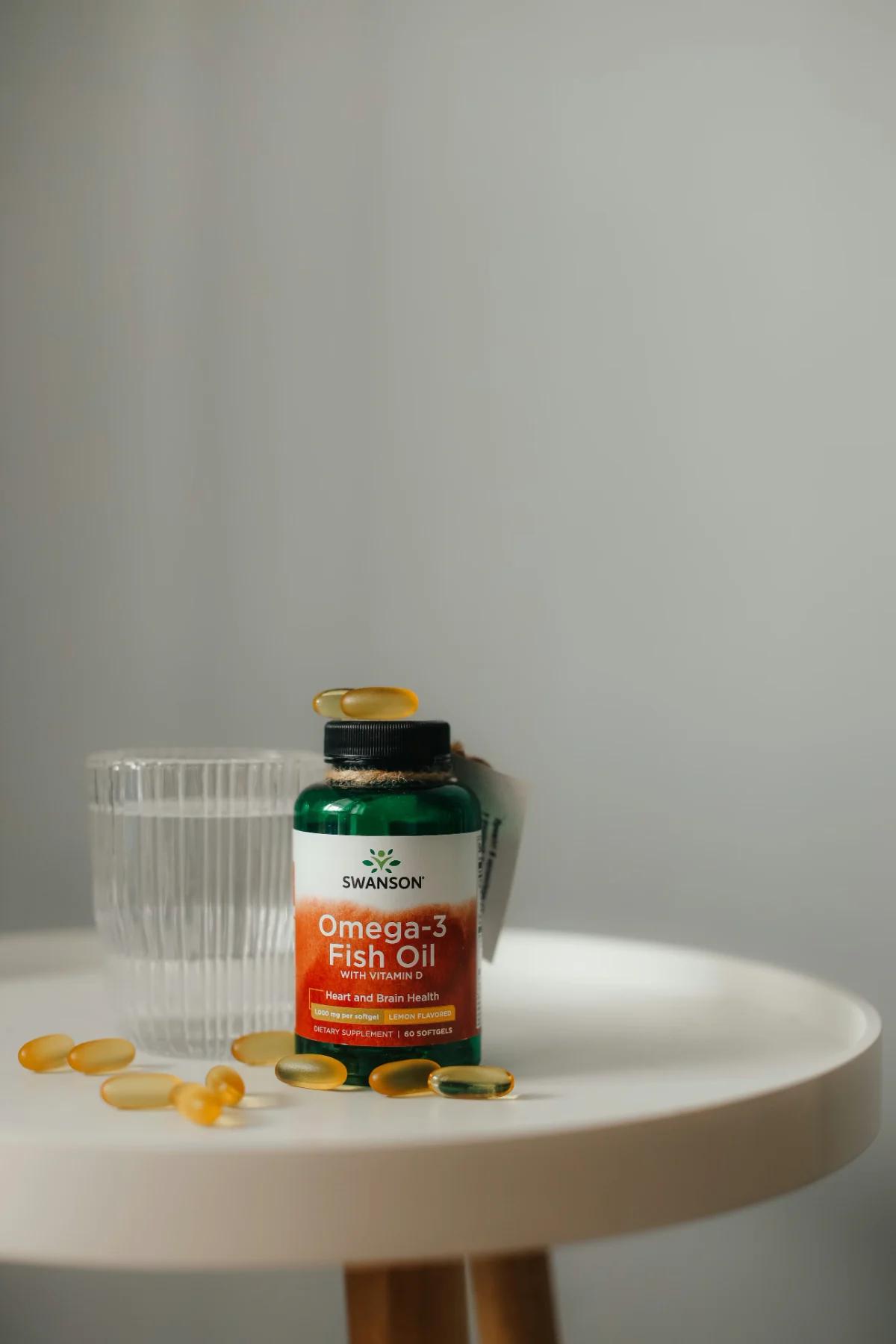
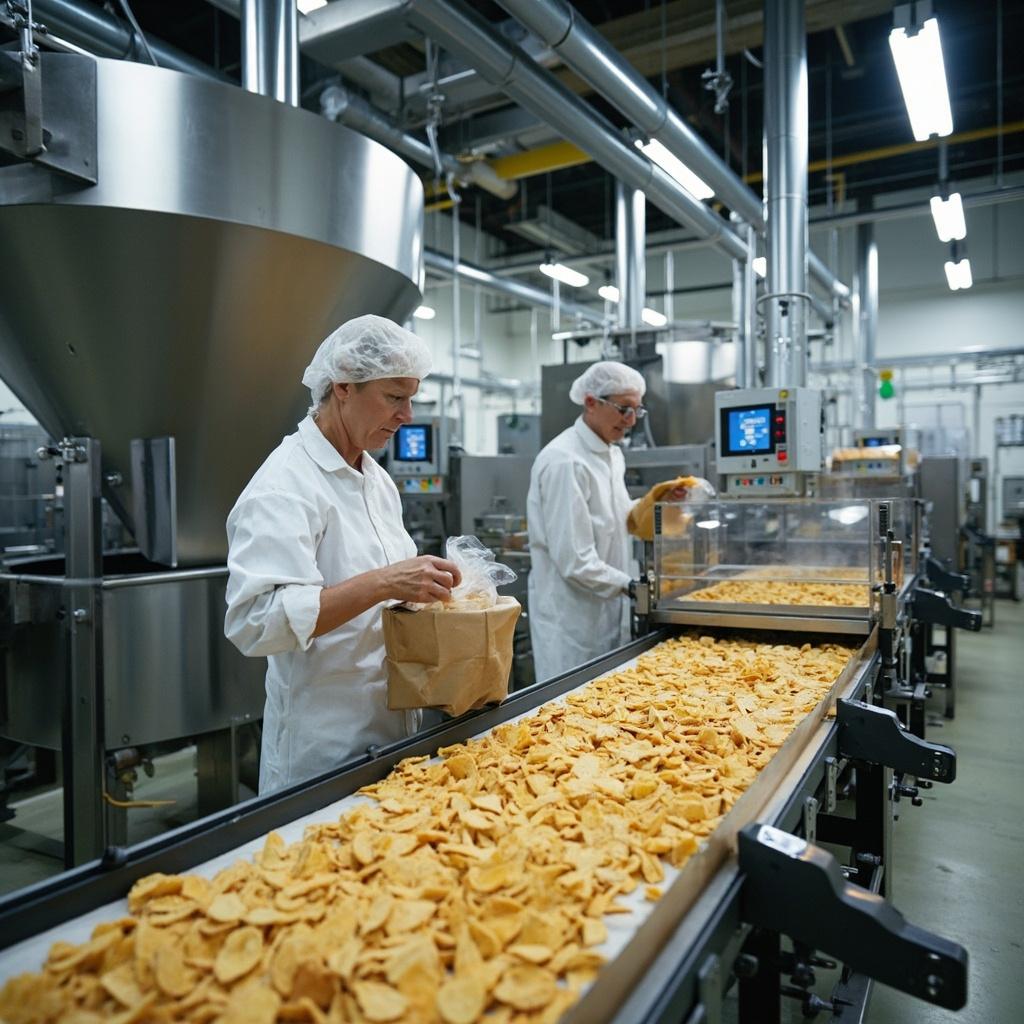
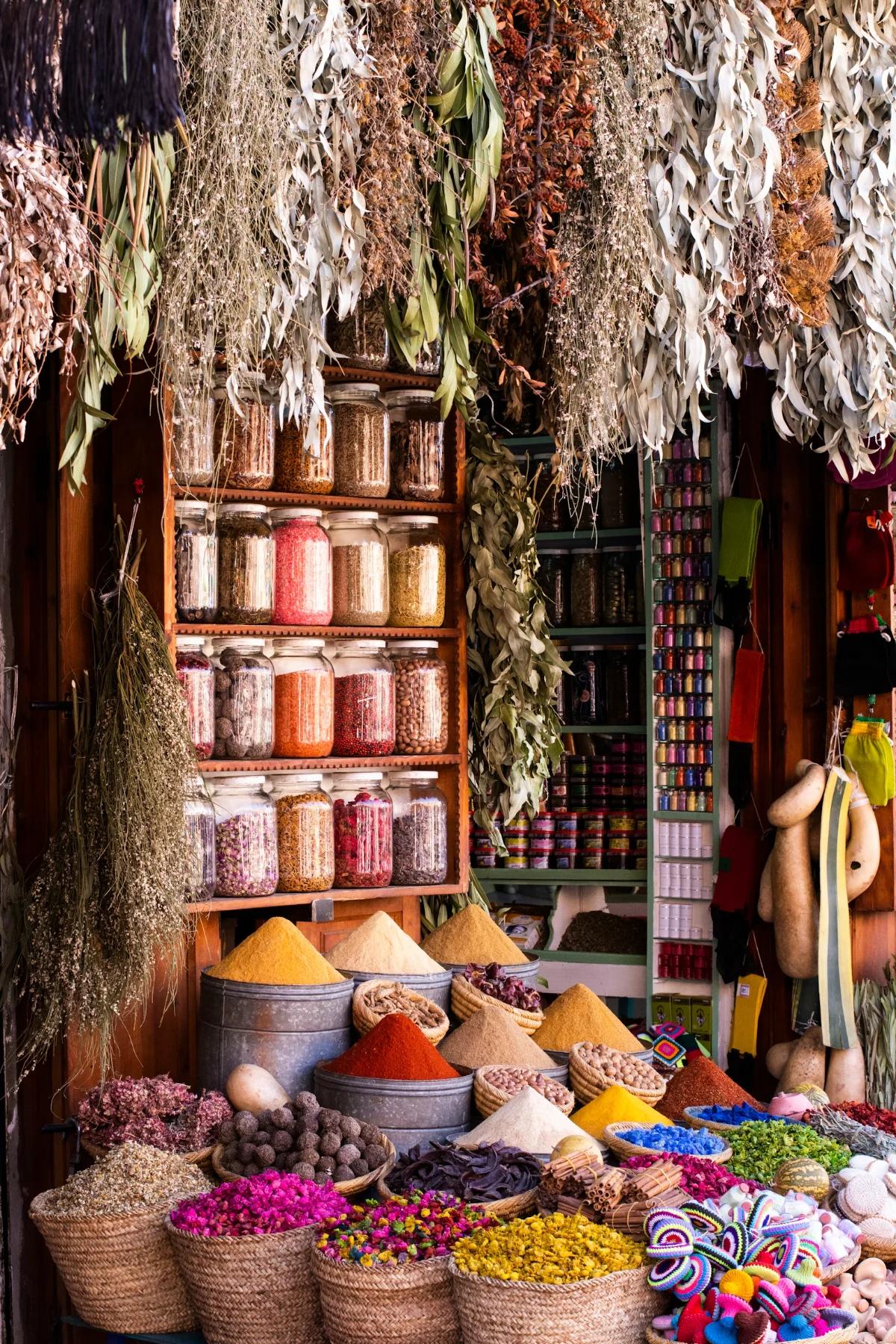
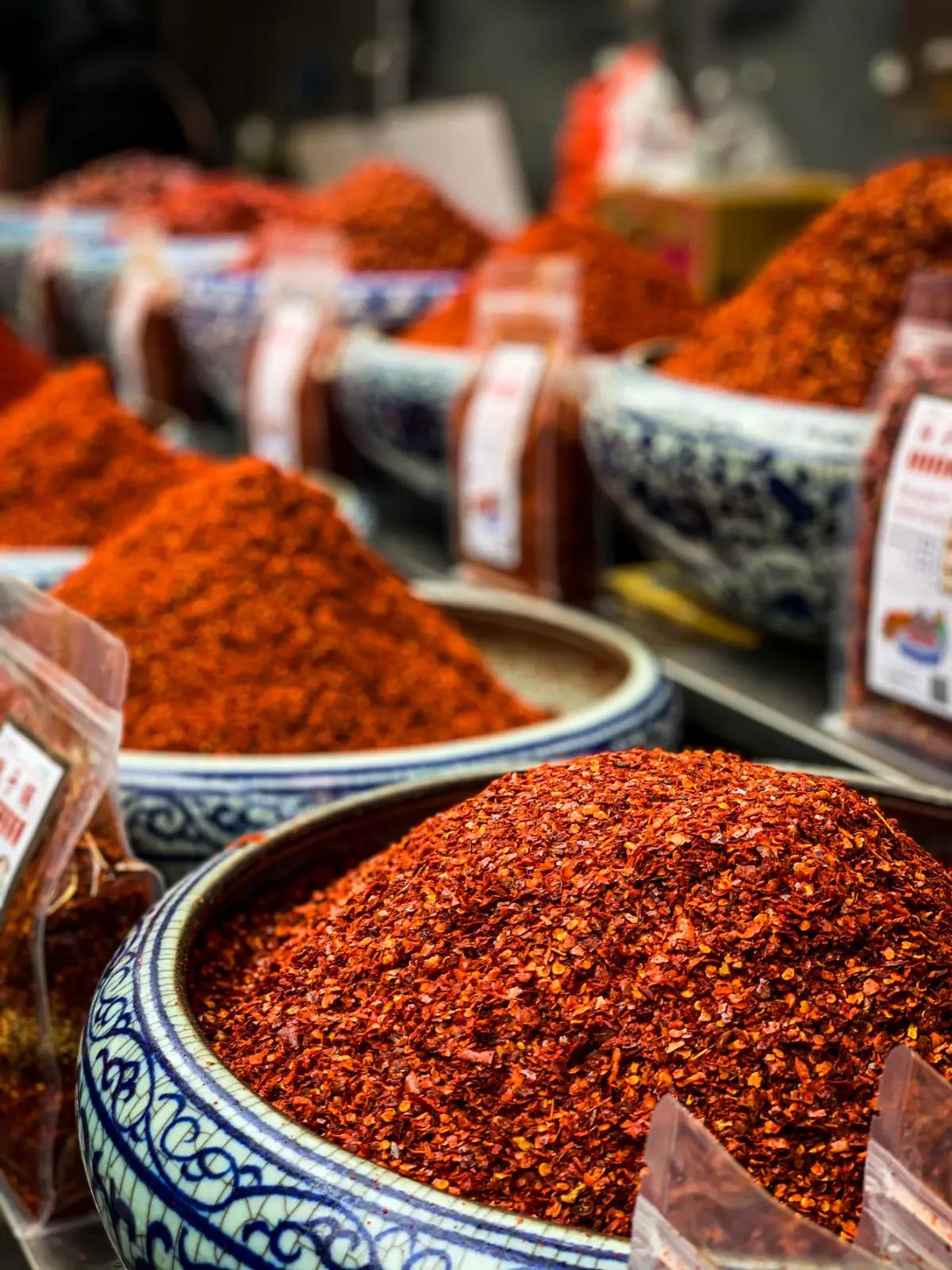
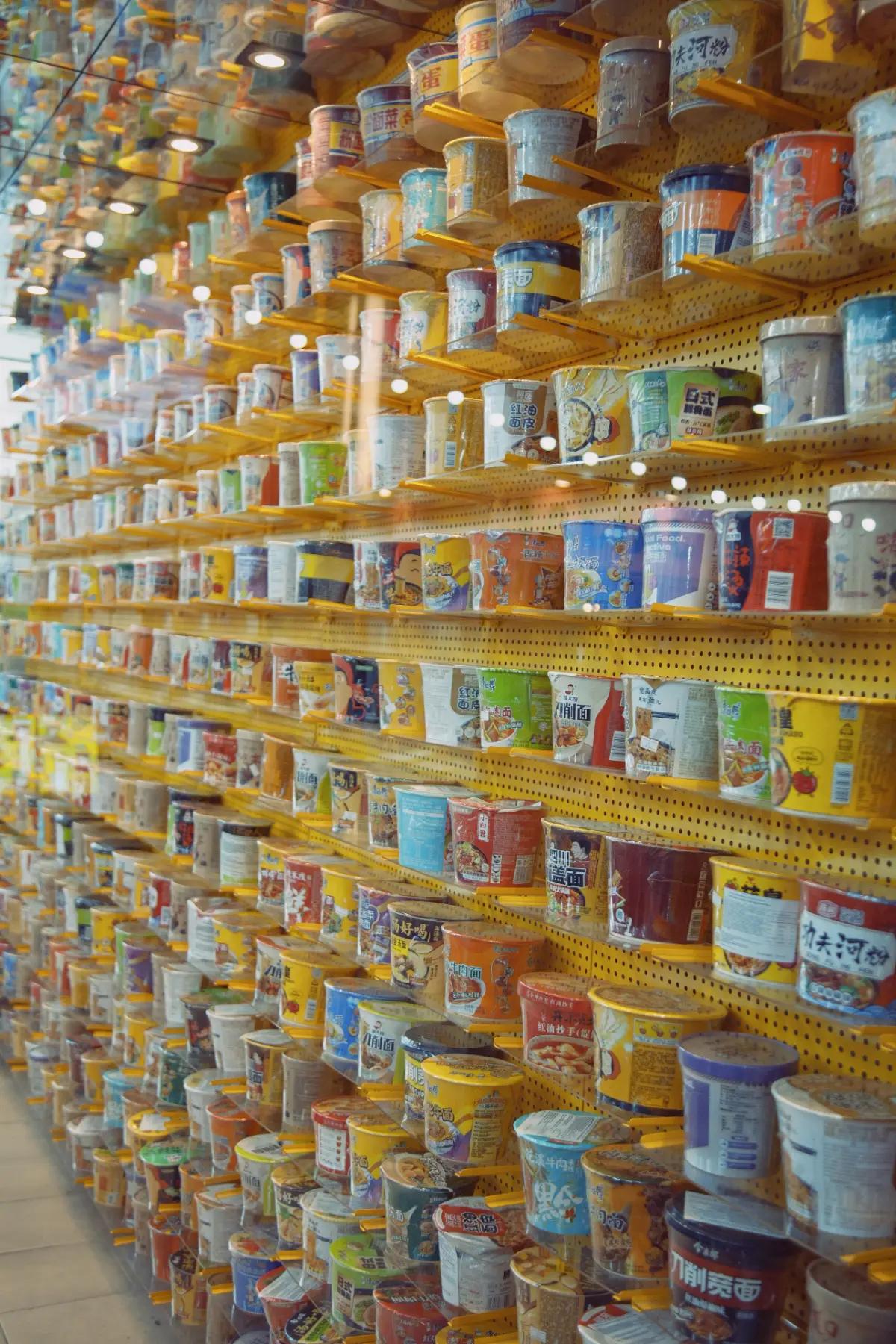
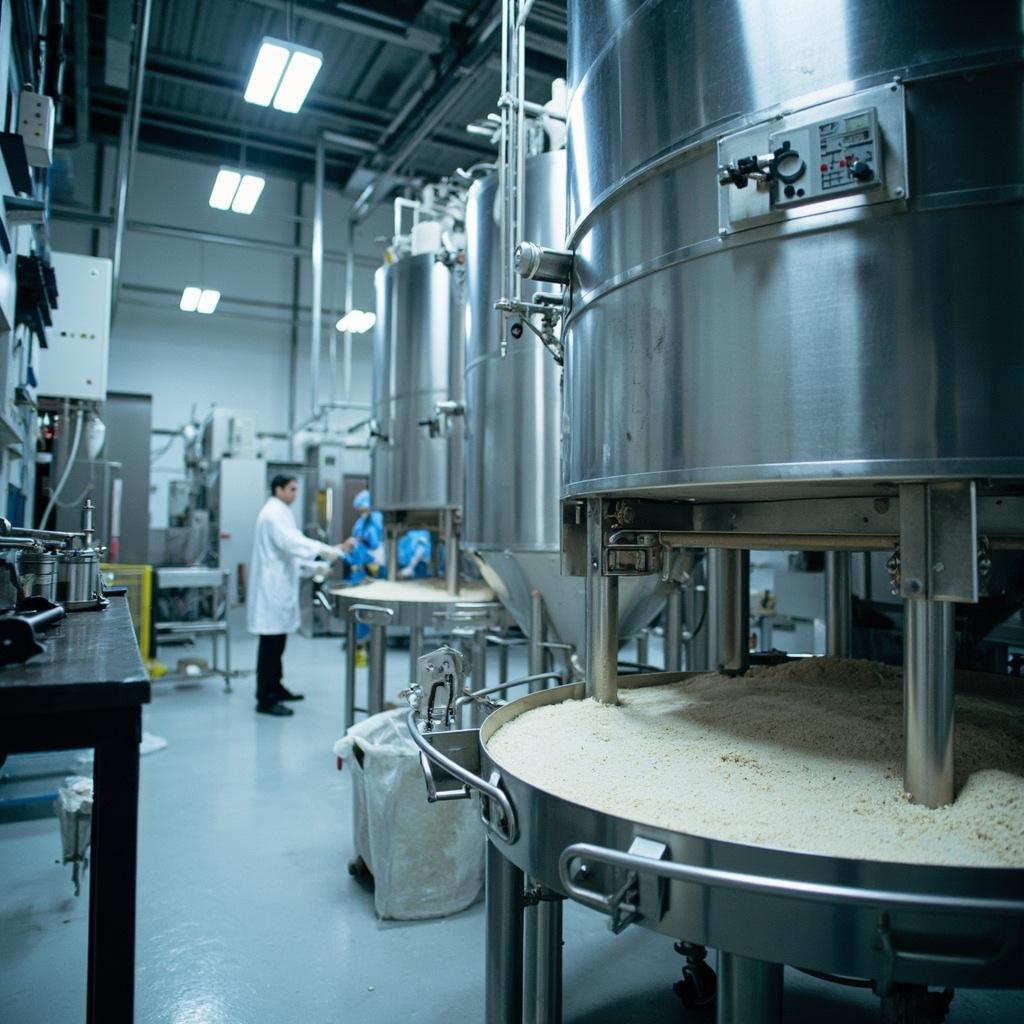
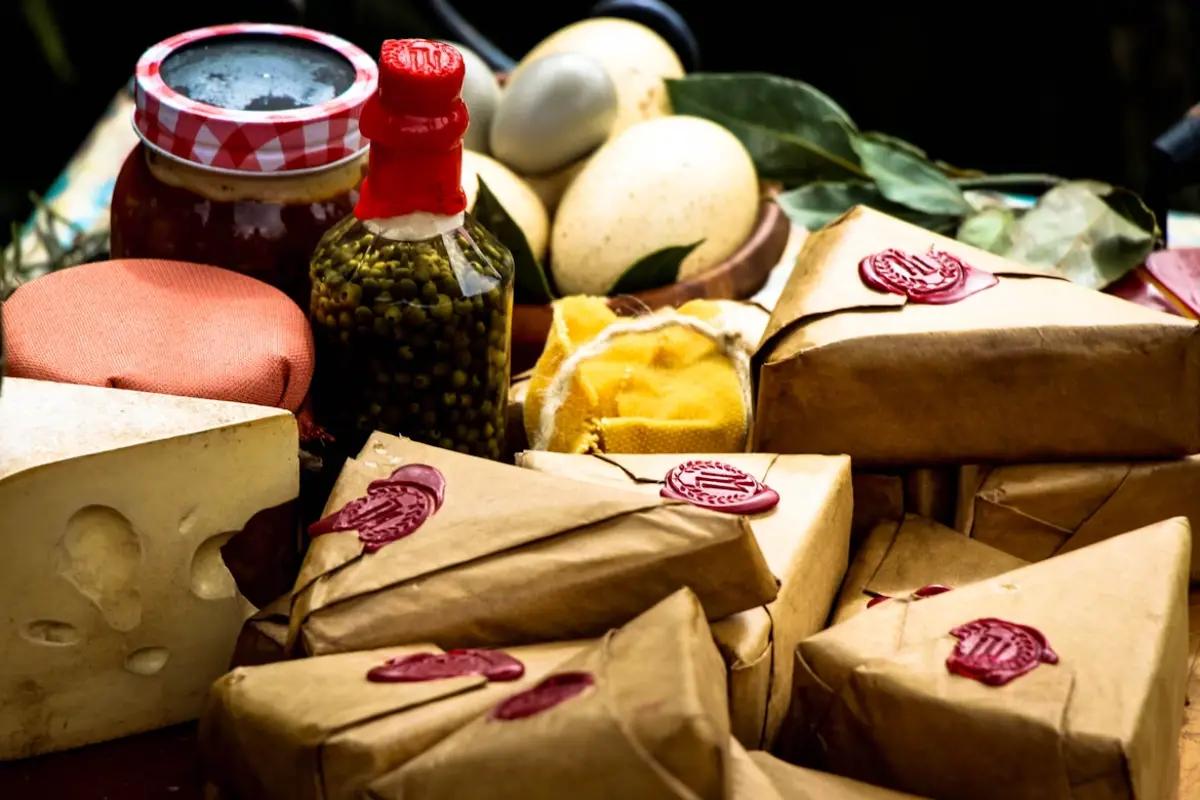
别只想到面粉和糖果棒。这个行业是一个庞大的生态系统,既生产烘焙食品的基础原料(如特种面粉、油脂和酵母),也生产您直接享用的最终零食(如薯片、巧克力和饼干)。它将农场来源的原材料与高科技制造连接起来,提供从手工面包配料到方便包装零食的广泛产品,服务于专业烘焙师和普通消费者。
Think beyond just flour and candy bars. This industry is a massive ecosystem that produces the building blocks for baked goods (like specialty flours, fats, and yeasts) and the final snacks you enjoy directly (like chips, chocolates, and biscuits). It connects farm-sourced raw materials with high-tech manufacturing to deliver a vast range of products, from artisanal bread ingredients to convenient, packaged treats, serving both professional bakers and everyday consumers.
烘焙原料行业是全球经济的重要部分���涵���服务于全球不同终端市场的基本产品的设计、生产和分销。
主要类别:面粉和谷物产品、膨松剂(酵母、泡打粉)、油脂(黄油、人造黄油、起酥油)、甜味剂(糖、蜂蜜、糖浆)、蛋及蛋替代品、乳制品原料、酶制剂、乳化剂和调味料。全球烘焙原料市场超过150亿美元。
行业趋势:清洁标签配方改良、无麸质替代品、古老谷物、酸面团复兴、延长保质期解决方案以及功能性/强化烘焙产品是主要增长动力。
行业动态:烘焙原料行业以持续创新、不断变化的消费者需求和对可持续性的日益重视为特征。投资于技术、质量体系和供应链韧性的公司最能在竞争激烈的全球市场中取得长期成功。
The bakery ingredients industry is a vital segment of the global economy, encompassing the design, production, and distribution of essential products that serve diverse end markets worldwide.
Major Categories: Flour and grain products, leavening agents (yeast, baking powder), fats and oils (butter, margarine, shortening), sweeteners (sugar, honey, syrups), eggs and egg replacers, dairy ingredients, enzymes, emulsifiers, and flavorings. The global bakery ingredients market exceeds $15 billion.
Industry Trends: Clean label reformulation, gluten-free alternatives, ancient grains, sourdough revival, extended shelf life solutions, and functional/fortified bakery products are key growth drivers.
Industry Dynamics: The bakery ingredients sector is characterized by continuous innovation, evolving consumer demands, and increasing emphasis on sustainability. Companies that invest in technology, quality systems, and supply chain resilience are best positioned for long-term success in competitive global markets.
烘焙原料行业由几个关键因素塑造,这些因素决定了竞争成败——从原料质量和制造技术到法规合规性和市场定位。
1. 原料功能性:每种原料发挥特定作用——面筋提供结构,酵母用于膨发,酶用于面团调理,乳化剂改善质构和保质期。
2. 清洁标签运动:消费者对可识别、天然原料的需求推动配方改良——酶基解决方案取代化学面团改良剂,天然色素取代合成色素。
3. 无麸质技术:在不使用面筋的情况下创造可接受的质构和口感,需要替代面粉(大米、高粱、木薯、杏仁)、淀粉和水胶体(黄原胶、车前子壳)的复杂混合。
4. 延长保质期:酶(淀粉酶、脂肪酶)、乳化剂和气调包装共同作用,保持新鲜度、柔软度和微生物稳定性。
质量标准:烘焙原料行业的领先公司通常以ISO 9001认证为基准,许多还持有行业特定认证。产品检测、原料可追溯性和第三方检验是基本的质量保证措施。全球主要买家和监管机构越来越要求可持续发展认证。
The bakery ingredients industry is shaped by several critical factors that determine competitive success — from raw material quality and manufacturing technology to regulatory compliance and market positioning.
1. Ingredient Functionality: Each ingredient plays specific roles — gluten for structure, yeast for leavening, enzymes for dough conditioning, emulsifiers for texture and shelf life.
2. Clean Label Movement: Consumer demand for recognizable, natural ingredients is driving reformulation — enzyme-based solutions replacing chemical dough conditioners, natural colors replacing synthetic ones.
3. Gluten-Free Technology: Creating acceptable texture and taste without gluten requires sophisticated blends of alternative flours (rice, sorghum, tapioca, almond), starches, and hydrocolloids (xanthan gum, psyllium).
4. Shelf Life Extension: Enzymes (amylases, lipases), emulsifiers, and modified atmosphere packaging work together to maintain freshness, softness, and microbial stability.
Quality Standards: Leading companies in the bakery ingredients sector typically hold ISO 9001 certification as a baseline, with many also maintaining industry-specific certifications. Product testing, material traceability, and third-party inspection are essential quality assurance practices. Sustainability certifications are increasingly required by major buyers and regulators worldwide.
采购烘焙原料产品需要全面评估供应商能力、质量体系、成本结构和合规资质。
1. 技术规格:定义关键参数——蛋白质含量(面粉)、降落数值(酶活性)、灰分、水分、粒径和微生物限量。
2. 应用性能:要求在您的特定产品基质中进行应用测试——原料性能因配方和加工条件而异。
3. 供应一致性:农业原料存在自然变异——评估供应商的混合和标准化能力,以确保批次间一致性。
4. 认证:犹太洁食、清真、有机、非转基因和无过敏原认证。无麸质认证(GFCO)需要专用设施或经过验证的清洁程序。
5. 技术支持:领先的原料供应商提供配方支持、故障排除和新产品开发协助——这是一种超越原料本身的有价值合作伙伴关系。
关键建议:尽可能参观供应商设施,要求并核实第三方认证,先下试订单再承诺大批量,与多个合格供应商建立关系以降低集中风险。在采购协议中明确质量规格和检验规程。
Sourcing bakery ingredients products requires thorough evaluation of supplier capabilities, quality systems, cost structures, and compliance credentials.
1. Technical Specifications: Define critical parameters — protein content (flour), falling number (enzyme activity), ash content, moisture, particle size, and microbiological limits.
2. Application Performance: Request application testing in your specific product matrix — ingredient performance varies with formulation and processing conditions.
3. Supply Consistency: Agricultural ingredients have natural variation — evaluate the supplier''s blending and standardization capabilities to ensure batch-to-batch consistency.
4. Certifications: Kosher, Halal, Organic, Non-GMO, and allergen-free certifications. Gluten-free certification (GFCO) requires dedicated facilities or validated cleaning procedures.
5. Technical Support: Leading ingredient suppliers provide formulation support, troubleshooting, and new product development assistance — a valuable partnership beyond the ingredient itself.
Key Recommendations: Visit supplier facilities when possible, request and verify third-party certifications, start with trial orders before committing to large volumes, and build relationships with multiple qualified suppliers to reduce concentration risk. Establish clear quality specifications and inspection protocols in purchase agreements.
全球烘焙原料产业拥有独特的地理布局,受原料获取、制造传统、劳动力成本和市场邻近性等因素影响。
1. 欧洲:乐斯福(全球最大酵母生产商)、焙乐道、CSM Ingredients、AAK、凯瑞集团、科碧恩。
2. 美国:ADM、嘉吉、宜瑞安、科碧恩、IFF——具有全球影响力的主要原料供应商。
3. 中国:安琪酵母(全球第二大酵母生产商)、主要面粉和淀粉生产商。
4. 印度及东南亚:原料制造业不断增长——AB马利、酶制剂和特种原料生产日益壮大。
5. 澳大利亚和新西兰:在乳制品烘焙原料和优质面粉加工方面实力雄厚。
战略启示:在烘焙原料行业,成功的采购需要了解区域专业化,并维持多元化的采购策略,以平衡成本、质量、交货时间和地缘政治风险。可持续性认证和供应链透明度正日益成为进入高端市场的先决条件。
The global bakery ingredients industry has a distinctive geographic footprint shaped by raw material access, manufacturing heritage, labor costs, and market proximity.
1. Europe: Lesaffre (world''s largest yeast producer), Puratos, CSM Ingredients, AAK, Kerry Group, Corbion.
2. United States: ADM, Cargill, Ingredion, Corbion, IFF — major ingredient suppliers with global reach.
3. China: Angel Yeast (world''s #2 yeast), major flour and starch producers.
4. India & Southeast Asia: Growing ingredient manufacturing — AB Mauri, growing enzyme and specialty ingredient production.
5. Australia & New Zealand: Strong in dairy-based bakery ingredients and premium flour milling.
Strategic Implications: Successful procurement in the bakery ingredients industry requires understanding regional specialization and maintaining diversified sourcing strategies that balance cost, quality, lead time, and geopolitical risk. Sustainability certifications and supply chain transparency are increasingly becoming prerequisites for market access in premium segments.