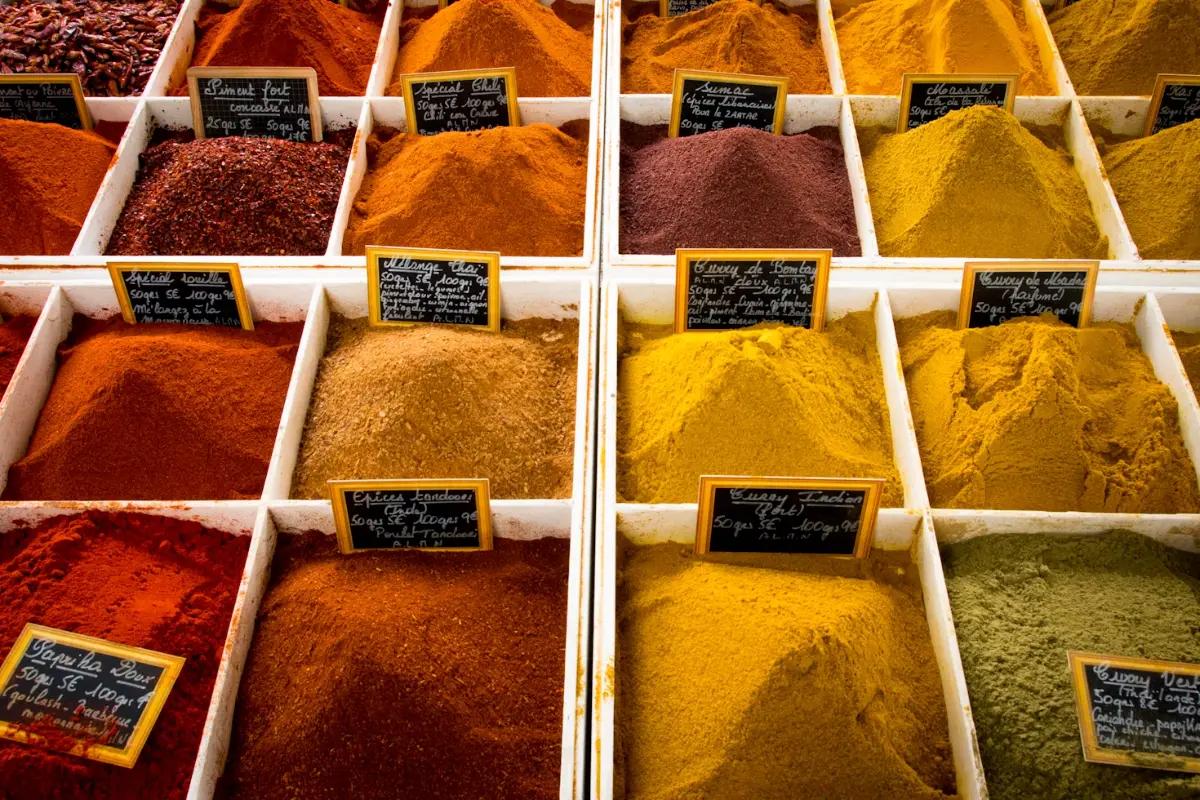
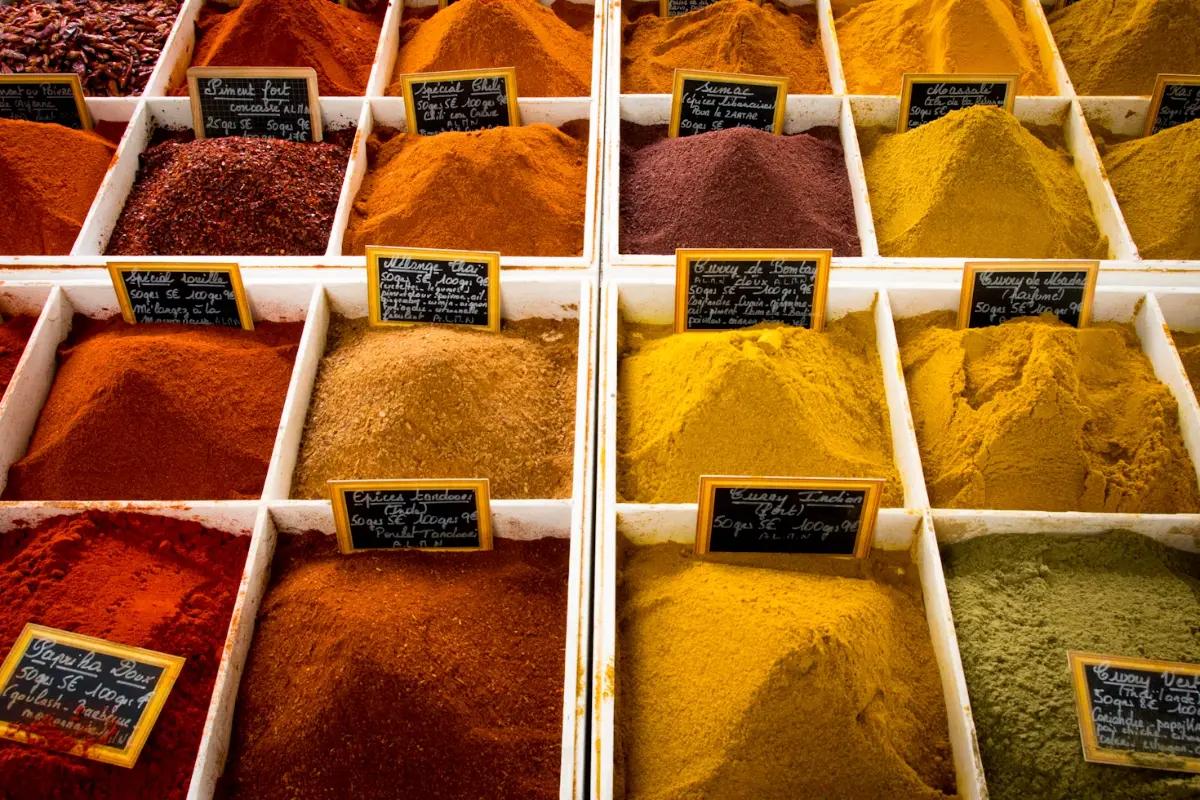
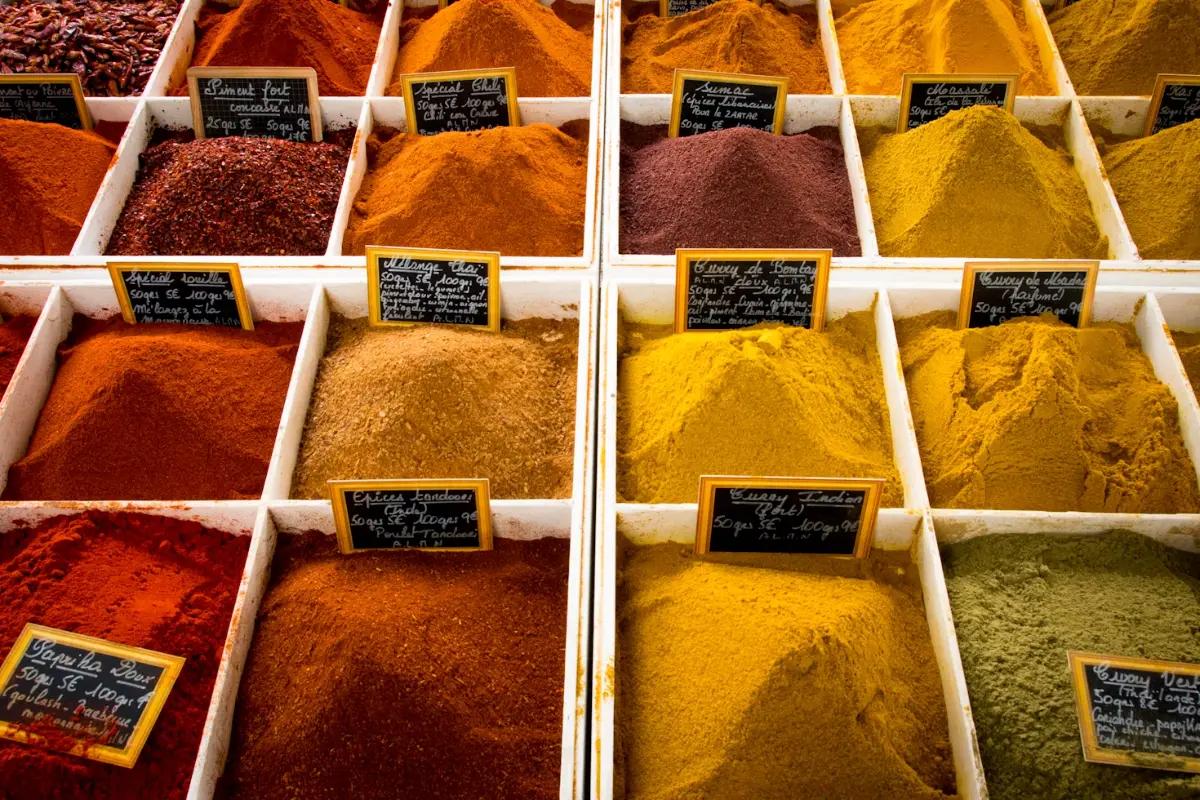
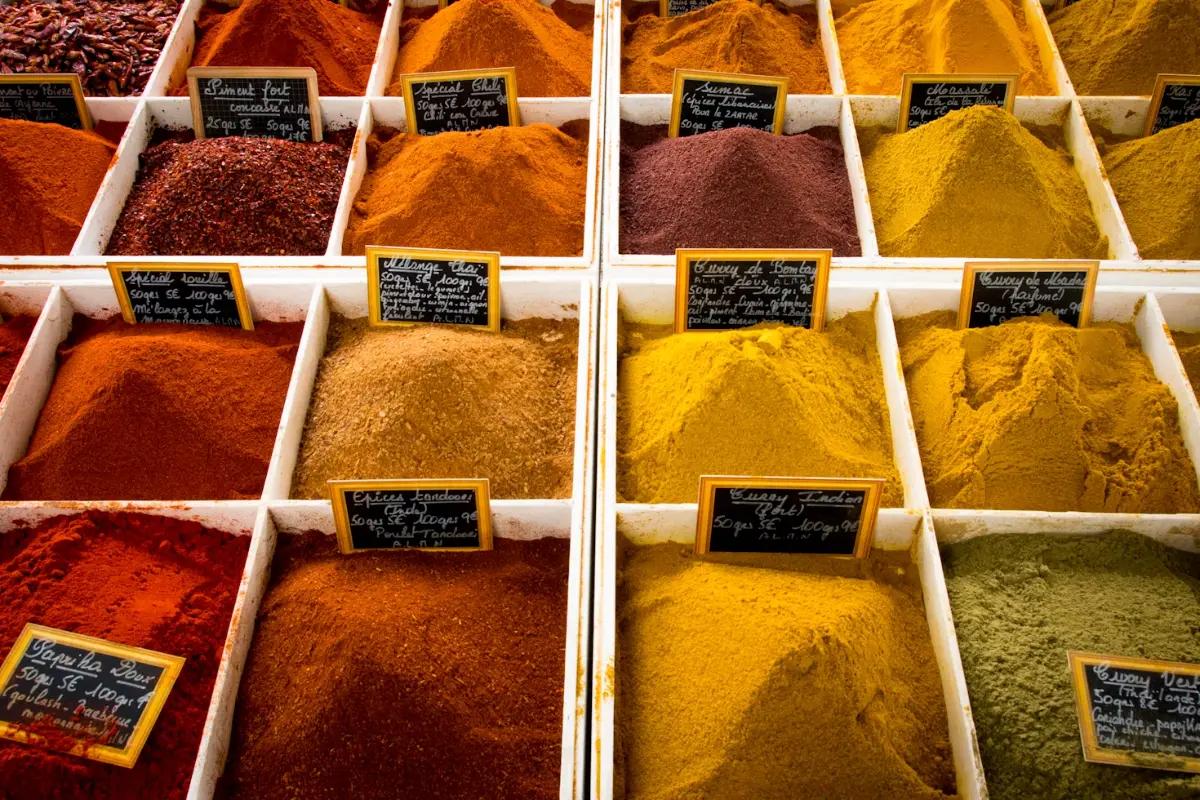
调味品和香料行业涵盖用于增强食物风味的广泛产品。这包括基础发酵调味品如酱油和醋,复合调味品如鸡精和蛋黄酱,以及各种整粒和研磨香料如八角、辣椒粉。它还延伸到特色酱料、腌料、风味油以及功能性产品如低钠选项。本质上,它涵盖了添加到食物中以改变或改善其味道、香气和整体感官体验的任何物质。
The seasonings and spices industry encompasses a wide range of products used to enhance food flavor. This includes foundational fermented seasonings like soy sauce and vinegar, compound seasonings such as chicken bouillon and mayonnaise, and a vast array of whole and ground spices like star anise and chili powder. It also extends to specialty sauces, marinates, flavored oils, and functional products like low-sodium options. Essentially, it covers any substance added to food to alter or improve its taste, aroma, and overall sensory experience.
虽然经常互换使用,但有一个关键区别。香料通常指来自植物干燥部分的芳香物质——如种子(孜然)、树皮(肉桂)、根(姜黄)或果实(辣椒)。调味料是一个更广泛的术语,包括香料,但也包括盐、糖以及酱油、汤块或烧烤酱等加工产品。可以把香料视为原始天然成分,而调味料是创造最终风味的混合物和预制产品。
While often used interchangeably, there's a key difference. Spices typically refer to aromatic substances derived from the dried parts of plants—like seeds (cumin), bark (cinnamon), roots (turmeric), or fruits (chili peppers). Seasoning is a broader term that includes spices, but also encompasses salts, sugars, and manufactured products like soy sauce, bouillon cubes, or BBQ sauce. Think of spices as the raw, natural ingredients, while seasonings are the blends and prepared products that create the final flavor profile.
"清洁饮食"运动正深刻影响着调味品行业。消费者现在积极寻求成分更简单、更易识别的调味品。这推动了功能性调味品的快速增长,例如盐替代品、无味精产品、低钠酱油和无糖番茄酱。同时,对有机和认证产品(如非转基因、清真、犹太洁食)的需求也在上升。品牌正在创新,以减少人工添加剂的同时最大化天然风味,使健康成为产品开发的核心驱动力。
The "clean eating" movement is massively influencing the industry. Consumers now actively seek out seasonings with simpler, recognizable ingredients. This has fueled the rapid growth of functional seasonings, such as salt substitutes, MSG-free options, low-sodium soy sauce, and sugar-free ketchup. There is also rising demand for organic and certified (e.g., Non-GMO, Halal, Kosher) products. Brands are innovating to reduce artificial additives while maximizing natural flavor, making health a core driver of product development.
香料的独特风味与其"风土"密切相关——这是一个法语术语,指作物生长环境中各种因素的独特组合。土壤成分、气候、降雨量和日照都会影响植物中精油和芳香化合物的浓度。例如,印度的胡椒粒可能比越南的更具辛辣感。正是这种自然差异,使得特定产地的香料(如锡兰肉桂或四川花椒)因其独特而卓越的风味而备受推崇。
The flavor of a spice is deeply tied to its "terroir"—a French term for the unique combination of environmental factors where it's grown. Soil composition, climate, rainfall, and sunlight all influence the concentration of essential oils and aromatic compounds in the plant. For example, peppercorns from India may have a different pungency than those from Vietnam. This natural variation is why specific origins, like Ceylon Cinnamon or Sichuan Peppercorns, are highly valued for their distinct and superior flavor profiles.
香料的"有机"认证保证其按照政府制定的严格标准种植和加工。这通常意味着种植过程中未使用合成农药、除草剂或化肥,收获后也未添加人工色素或防腐剂。农场会定期接受检查,以确保土壤和水源的健康。对消费者而言,这代表着更纯净、更天然的产品,且对环境的影响更小。请寻找美国农业部有机认证或欧盟有机认证等官方标志来验证其真实性。
An "Organic" certification on spices guarantees they were grown and processed according to strict government-set standards. This generally means no synthetic pesticides, herbicides, or fertilizers were used in cultivation, and no artificial colors or preservatives were added post-harvest. Farms are routinely inspected to ensure soil and water health. For consumers, this signifies a purer, more natural product with a reduced environmental footprint. Look for official seals like USDA Organic or EU Organic to verify the claim.