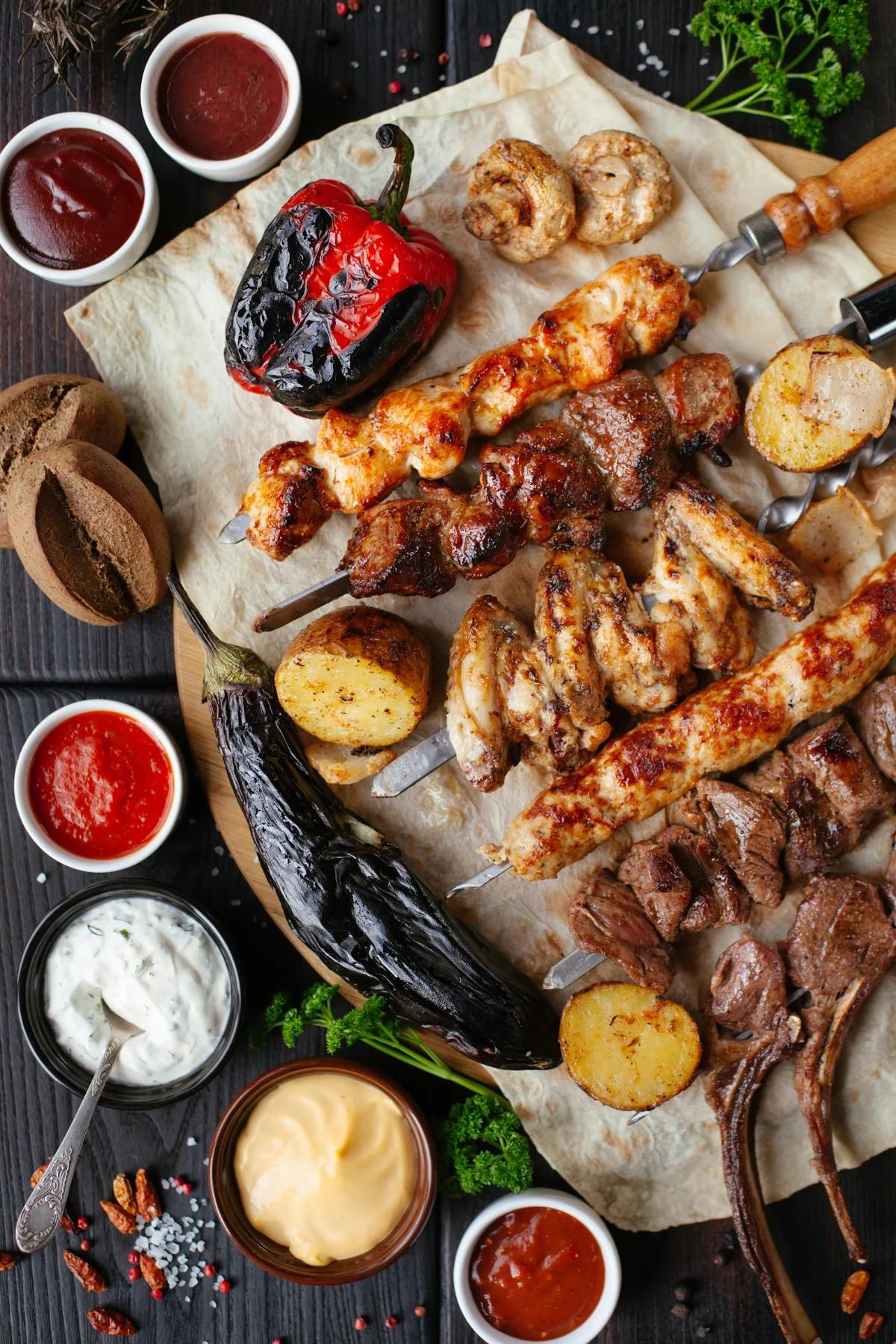
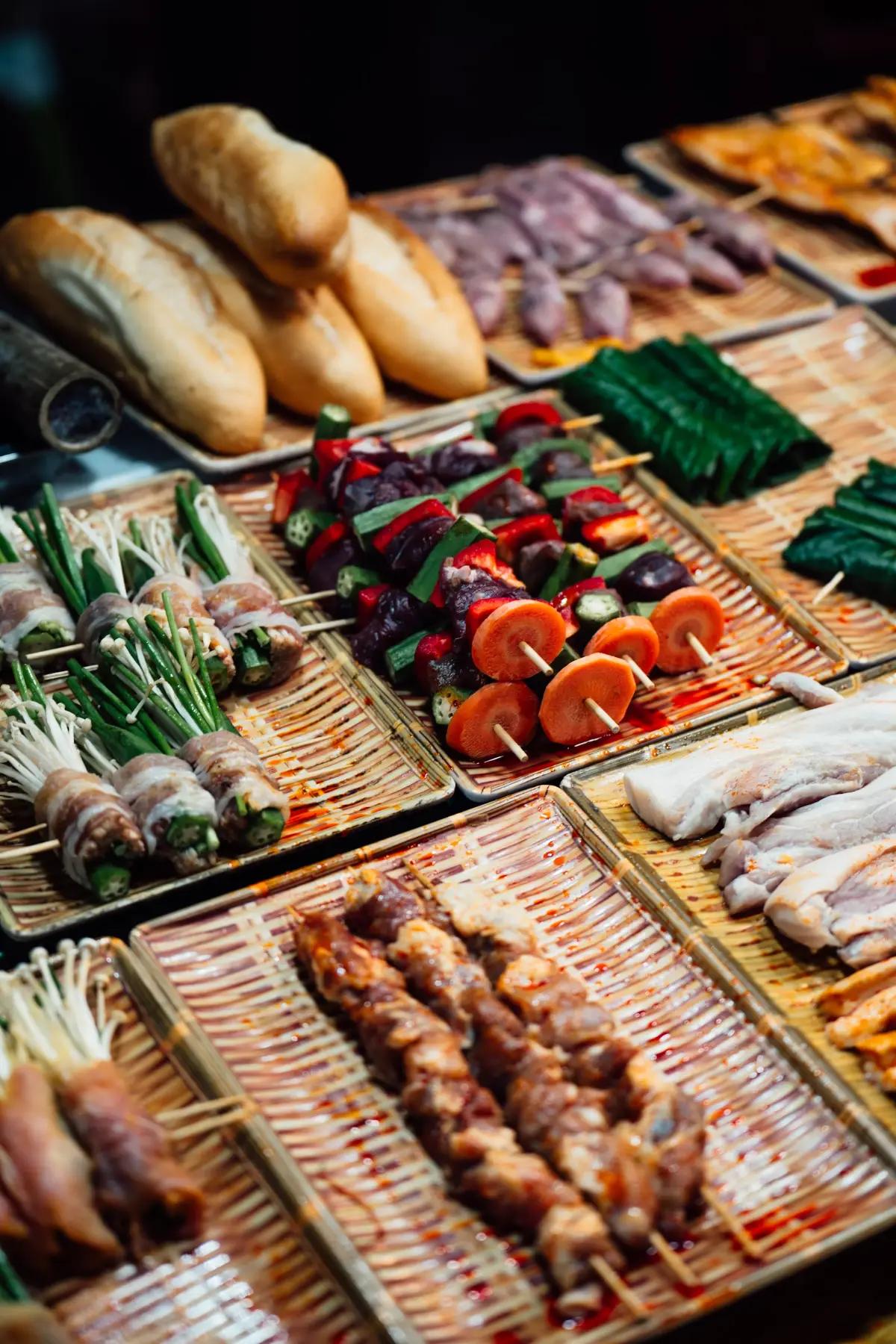
肉类、家禽和海鲜行业是一个庞大的全球性行业,负责动物蛋白的生产、加工、分销和营销。这是一个复杂的供应链,从畜牧业和水产养殖开始,最终以产品出现在您的餐桌上。该行业涵盖广泛的产品,从新鲜的初级分割肉(如牛排和鸡胸肉)到增值产品(如预腌肉、冷冻即食食品如鱼条和鸡块),以及深加工产品(如香肠、金枪鱼罐头和鱼露)。它还包括特色细分市场,如有机、清真认证甚至创新的细胞培养肉,以满足全球消费者的多样化需求。
The Meat, Poultry & Seafood industry is a massive global sector responsible for the production, processing, distribution, and marketing of animal proteins. It's a complex supply chain that begins with livestock farming and aquaculture and ends with products on your table. This industry includes a wide range of products, from fresh primal cuts like beef steaks and chicken breasts to value-added items such as pre-marinated meats, frozen ready-to-cook foods like fish sticks and chicken nuggets, and deeply processed goods like sausages, canned tuna, and fish sauce. It also encompasses specialty segments like organic, halal-certified, and even innovative cell-cultured meats, catering to diverse consumer needs worldwide.
主要区别在于牛的饮食,这对肉的风味、口感和营养成分有显著影响。草饲牛终生以牧场牧草为食,肉质更瘦,风味更浓郁、更具“泥土气息”,通常含有更高水平的某些营养素,如Omega-3脂肪酸。谷饲牛通常先吃草,但在最后几个月会改用谷物(如玉米或大豆)进行“育肥”。这种大理石花纹(肌内脂肪)带来了更丰富、更黄油般的风味和更嫩滑的口感,许多消费者更偏爱这种。两者都是极好的蛋白质来源,选择通常取决于个人口味和饮食偏好。
The primary difference lies in the cattle's diet, which significantly impacts the meat's flavor, texture, and nutritional profile. Grass-Fed cattle graze on pasture for their entire lives, resulting in leaner meat with a stronger, more "earthy" flavor and often higher levels of certain nutrients like Omega-3 fatty acids. Grain-Fed cattle typically start on grass but are "finished" on a grain-based diet (like corn or soy) for the last few months. This marbling (intramuscular fat) creates a richer, buttery flavor and more tender texture that many consumers prefer. Both are excellent sources of protein, and the choice often comes down to personal taste and dietary preferences.
清真认证确保肉类和家禽产品符合《古兰经》规定的伊斯兰饮食法。“清真”一词在阿拉伯语中意为“允许的”。要获得清真认证,动物在屠宰时必须健康,且过程必须由穆斯林操作者快速精准地切割喉咙,同时念诵真主之名。这种方法旨在确保动物福利和血液完全排干,因为血液被认为是不允许食用的。清真认证由经认可的伊斯兰机构管理,为穆斯林消费者提供食品合规性和纯度的保证,涵盖从加工到包装的整个供应链。
Halal certification ensures that meat and poultry products comply with Islamic dietary laws as defined in the Quran. The term "Halal" means "permissible" in Arabic. For meat to be certified Halal, the animal must be healthy at the time of slaughter, and the process must involve a swift, precise cut to the throat by a Muslim practitioner while invoking the name of God. This method is intended to ensure the animal's welfare and complete drainage of blood, which is considered impermissible. Halal certification, managed by accredited Islamic authorities, provides assurance to Muslim consumers about the food's compliance and purity, covering the entire supply chain from processing to packaging.
水产养殖,通常称为“鱼类养殖”,是对鱼类、贝类和藻类等水生生物进行受控培育。它是全球增长最快的食品生产部门之一。其重要性巨大:随着野生鱼类资源因过度捕捞而面临越来越大的压力,水产养殖提供了一种可持续且可靠的方式来满足世界对海鲜日益增长的需求。它有助于稳定价格,减轻对野生种群的压力,并可在各种环境中进行,从淡水池塘和沿海网箱到完全循环的陆基系统。主要养殖品种包括鲑鱼、虾、罗非鱼和巴沙鱼等鲶鱼。
Aquaculture, often referred to as "fish farming," is the controlled cultivation of aquatic organisms like fish, shellfish, and algae. It's one of the fastest-growing food production sectors globally. Its importance is immense: with wild fish stocks under increasing pressure from overfishing, aquaculture provides a sustainable and reliable way to meet the world's growing demand for seafood. It helps stabilize prices, reduces pressure on wild populations, and can be conducted in various environments, from freshwater ponds and coastal net pens to fully recirculating land-based systems. Major farmed species include salmon, shrimp, tilapia, and catfish like Basa.
细胞培养肉(也称为实验室培育肉、培育肉或体外肉)是通过直接培养动物细胞生产的真正动物肉,无需饲养和屠宰整只动物。该过程从从活体动物身上采集少量干细胞开始。这些细胞被放入生物反应器中,并添加富含营养的培养基,模拟动物体内环境,使它们增殖并生长成肌肉组织。结果是具有与传统肉类相似生物结构的真正肉类。这项新兴技术旨在为未来提供更可持续和更具伦理意识的蛋白质来源,尽管它仍处于商业化的早期阶段。
Cell-cultured meat (also called lab-grown, cultivated, or in-vitro meat) is genuine animal meat produced by cultivating animal cells directly, without the need to raise and slaughter entire animals. The process begins by taking a small sample of stem cells from a living animal. These cells are placed in a bioreactor and provided with a nutrient-rich culture medium that mimics the animal's body, allowing them to multiply and grow into muscle tissue. The result is real meat with a similar biological structure to conventional meat. This emerging technology aims to offer a more sustainable and ethically conscious protein source for the future, though it is still in early stages of commercialization.