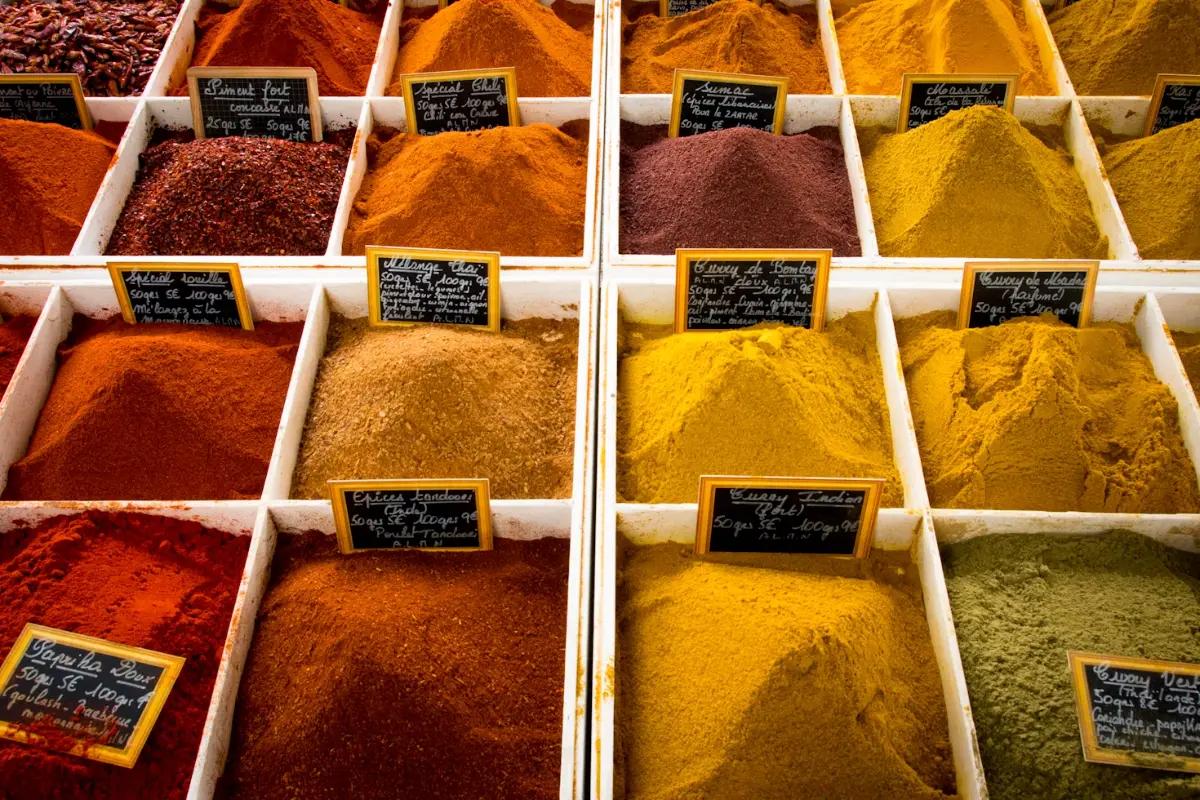
调味品行业涵盖所有用于增强、改变或增加食品和饮料风味的产品的生产。这是一个庞大且不可或缺的行业,服务于家庭厨师、专业厨师和大型食品制造商。1. 核心传统品类:该行业建立在几个基础品类之上。发酵调味品,如酱油、醋、鱼露和蚝油,通过微生物发酵生产,产生复杂的鲜味。复合调味品,如高汤粉、番茄酱、咖喱酱和沙拉酱,是预混合的配方,旨在提供便利和特定的烹饪用途。香辛料(整粒或磨碎)构成另一个关键品类,提供芳香和辛辣风味。2. 现代增长动力:一个重要的现代趋势是复合调味品细分市场的快速扩张,这得益于对烹饪便利性和全球风味的需求。同时,整个行业正在经历健康导向的转型,消费者强烈倾向于清洁标签、低钠、零添加和有机认证的产品。
The seasonings industry encompasses all products used to enhance, alter, or add flavor to food and beverages. It’s a vast and essential sector that serves home cooks, professional chefs, and large-scale food manufacturers alike. 1. Core Traditional Categories The industry is built on several foundational categories. Fermented Seasonings, such as soy sauce, vinegar, fish sauce, and oyster sauce, are produced through microbial fermentation, resulting in complex, savory flavors. Compound Seasonings, like bouillon powder, ketchup, curry paste, and salad dressing, are pre-mixed blends designed for convenience and specific culinary applications. Spices & Herbs (whole or ground) form another crucial category, providing aromatic and pungent notes. 2. Modern Growth Drivers A significant modern trend is the rapid expansion of the Compound Seasonings segment, fueled by demand for cooking convenience and global flavors. Concurrently, the entire industry is undergoing a health-oriented transformation, with a strong consumer push towards products featuring clean labels, reduced sodium, zero additives, and organic certifications.
全球调味品行业正在快速演变,受消费者偏好变化和技术进步的驱动。三大主要趋势正在定义其未来。1. 健康与保健成为首要任务:这是主导力量。全球消费者正在仔细审视标签,积极寻求“清洁标签”(简单、可识别的成分)、低钠、无添加味精和有机认证的产品。这种需求迫使制造商重新配方产品,并在天然防腐和发酵技术方面进行创新。2. 便利性与全球风味的兴起:对简单、美味烹饪解决方案的需求持续激增。复合调味品领域通过提供特定菜肴的酱料、腌料和全球美食的正宗酱料(如韩国辣酱、意大利青酱)而蓬勃发展。这满足了家庭厨师既追求便利又渴望烹饪探索而不需大量准备的需求。3. 可持续性与透明度成为必要条件:道德和环境因素现在至关重要。消费者和企业客户越来越重视原料的道德采购、环保包装和透明的供应链信息。在这些领域展现出真正承诺的品牌正在建立更强的信任和忠诚度。
The global seasonings industry is evolving rapidly, driven by changing consumer preferences and technological advancements. Three major trends are currently defining its future. 1. Health & Wellness as the Foremost Priority This is the dominant force. Consumers globally are scrutinizing labels, actively seeking products with “clean labels” (simple, recognizable ingredients), reduced sodium, no added MSG, and organic certifications. This demand compels manufacturers to reformulate products and innovate in natural preservation and fermentation techniques. 2. The Rise of Convenience & Global Flavors The demand for easy, flavorful cooking solutions continues to surge. The compound seasoning segment thrives by offering meal-specific sauces, marinades, and authentic pastes for global cuisines (e.g., Korean gochujang, Italian pesto). This caters to home cooks who desire both convenience and culinary exploration without extensive preparation. 3. Sustainability & Transparency Become Imperative Ethical and environmental considerations are now critical. Consumers and business clients increasingly value ethical sourcing of raw materials, environmentally friendly packaging, and transparent supply chain information. Brands that demonstrate genuine commitment in these areas are building stronger trust and loyalty.
在杂货店做出更明智的选择需要学会解读产品标签并理解关键质量指标。1. 掌握标签:成分与营养:始终先检查配料表。优先选择配料表较短、含有可识别的天然成分的产品。警惕含有大量人工添加剂、色素(如焦糖色)或防腐剂的冗长配料表。接下来,检查营养标签,关注每份的钠含量。比较产品以找到低钠选项,即使在同一类别内。2. 理解关键术语和工艺:寻找特定声明,但要了解其含义。酱油上的“酿造”或“自然发酵”表示传统、通常较慢的工艺,通常比化学水解产生更好的风味。“有机”认证涉及受监管的种植和加工标准。“低钠”有法律定义;将其作为比较指南。3. 根据用途选择:考虑产品在烹饪中的作用。清淡的通用酱油适合日常炒菜和蘸料,而颜色更深、更浓稠的酱油更适合红烧和上色。投资一小瓶高品质、多用途的酱料(如增鲜酱油)可以提升日常餐食。
Making smarter choices at the grocery store involves learning to decode product labels and understanding key quality indicators. 1. Master the Label: Ingredients & Nutrition Always check the Ingredients List first. Prioritize products with shorter lists containing recognizable, whole-food ingredients. Be wary of long lists filled with artificial additives, colors (e.g., caramel color), or preservatives. Next, examine the Nutrition Facts Panel, focusing on sodium content per serving. Compare products to find lower-sodium options, even within the same category. 2. Understand Key Terms and Processes Look for specific claims, but know what they mean. “Brewed” or “Naturally Fermented” on soy sauce indicates a traditional, often slower process that typically yields better flavor than chemical hydrolysis. “Organic” certification involves regulated farming and processing standards. “Low-Sodium” has legal definitions; use it as a guide for comparison. 3. Align Choice with Purpose Consider the product’s role in your cooking. A light, all-purpose soy sauce is ideal for everyday stir-fries and dipping, while a darker, thicker soy sauce is better for braising and coloring. Investing in a small bottle of a high-quality, versatile sauce (like a flavor-enhanced soy sauce) can elevate everyday meals.
酱油的品种繁多,可通过了解其在烹饪中的不同角色来区分,这些角色由颜色、风味和稠度决定。1. 生抽:万能调味品:这是最常见的类型。它稀薄、咸味、呈浅棕色。主要功能是调味和增加鲜味,而不会明显加深食物颜色。非常适合炒菜、汤、腌料,以及作为餐桌蘸料。2. 老抽:上色与醇厚:老抽更浓稠、颜色更深(因添加焦糖或糖蜜),略带甜味,咸味不那么强烈。其主要用途是为红烧肉、炖菜和炒面等菜肴赋予诱人的深棕色和浓郁醇厚的风味。3. 味极鲜:鲜味之王:像“味极鲜”这样的品种是生抽的一个子类别。它们经过特殊酿造或配方,具有极高的鲜味(氨基酸态氮)。这使得它们用途广泛且效力强劲,非常适合烹饪和作为需要强烈提鲜的蘸料。
The variety of soy sauce can be navigated by understanding their distinct roles in cooking, defined by color, flavor, and consistency. 1. Light Soy Sauce: The All-Purpose Seasoning This is the most common type. It is thin, salty, and light brown in color. Its primary function is to season and add umami without significantly darkening the food. It’s ideal for stir-fries, soups, marinades, and as a table condiment for dipping. 2. Dark Soy Sauce: For Color & Richness Dark soy sauce is thicker, darker (due to added caramel or molasses), and slightly sweeter with a less aggressive saltiness. Its main purpose is to impart a rich, appetizing brown color and a deep, mellow flavor to dishes like red-braised pork, stews, and stir-fried noodles. 3. Flavor-Enhanced Soy Sauce: The Umami Powerhouse Varieties like “Wei Ji Xian” are a sub-category of light soy sauce. They are specially brewed or formulated to have an exceptionally high level of umami (amino nitrogen). This makes them incredibly versatile and potent, excellent for both cooking and as a finishing dip where a strong flavor boost is desired.
现代食品技术是推动调味品行业效率、质量和创新的强大引擎。1. 智能制造与精准控制:“智能工厂”技术的实施具有变革性。生产线上的自动化、物联网传感器和人工智能实现了前所未有的稳定性、效率和可追溯性。这确保了从巨型发酵罐到最终包装的每一批次都符合精确的质量和安全标准。2. 生物技术提升核心工艺:在发酵领域,生物技术发挥着核心作用。使用经过特别筛选或改造的微生物菌株,生产商可以优化风味特征,加速传统上缓慢的发酵周期(例如酱油发酵),并增强理想鲜味化合物的自然形成。这带来了更好且更可持续的生产。3. 食品科学实现健康导向创新:食品科学直接应对当代消费者的需求。它提供了解决方案,如使用天然增鲜剂(如酵母提取物)来显著降低钠含量而不牺牲口感。它还开发了清洁标签的防腐方法以替代人工防腐剂,并生产浓缩、稳定的天然提取物,用于香料混合物和酱料等产品中,带来更鲜活的风味。
Modern food technology is a powerful engine driving efficiency, quality, and innovation across the seasonings industry. 1. Smart Manufacturing & Precision Control The implementation of “smart factory” technologies is transformative. Automation, Internet of Things (IoT) sensors, and Artificial Intelligence (AI) in production lines enable unprecedented consistency, efficiency, and traceability. This ensures every batch meets exact quality and safety standards, from giant fermentation tanks to final packaging. 2. Biotechnology Elevates Core Processes In fermentation, biotechnology plays a starring role. Using specially selected or engineered microbial strains allows producers to optimize flavor profiles, accelerate traditionally slow fermentation cycles (e.g., for soy sauce), and enhance the natural formation of desirable umami compounds. This leads to both better and more sustainable production. 3. Food Science Enables Health-Conscious Innovation Food science directly addresses contemporary consumer demands. It provides solutions like using natural flavor enhancers (e.g., yeast extracts) to significantly reduce sodium content without sacrificing taste. It also develops clean-label preservation methods to replace artificial preservatives and creates concentrated, stable natural extracts for more vibrant flavors in products like spice blends and sauces.