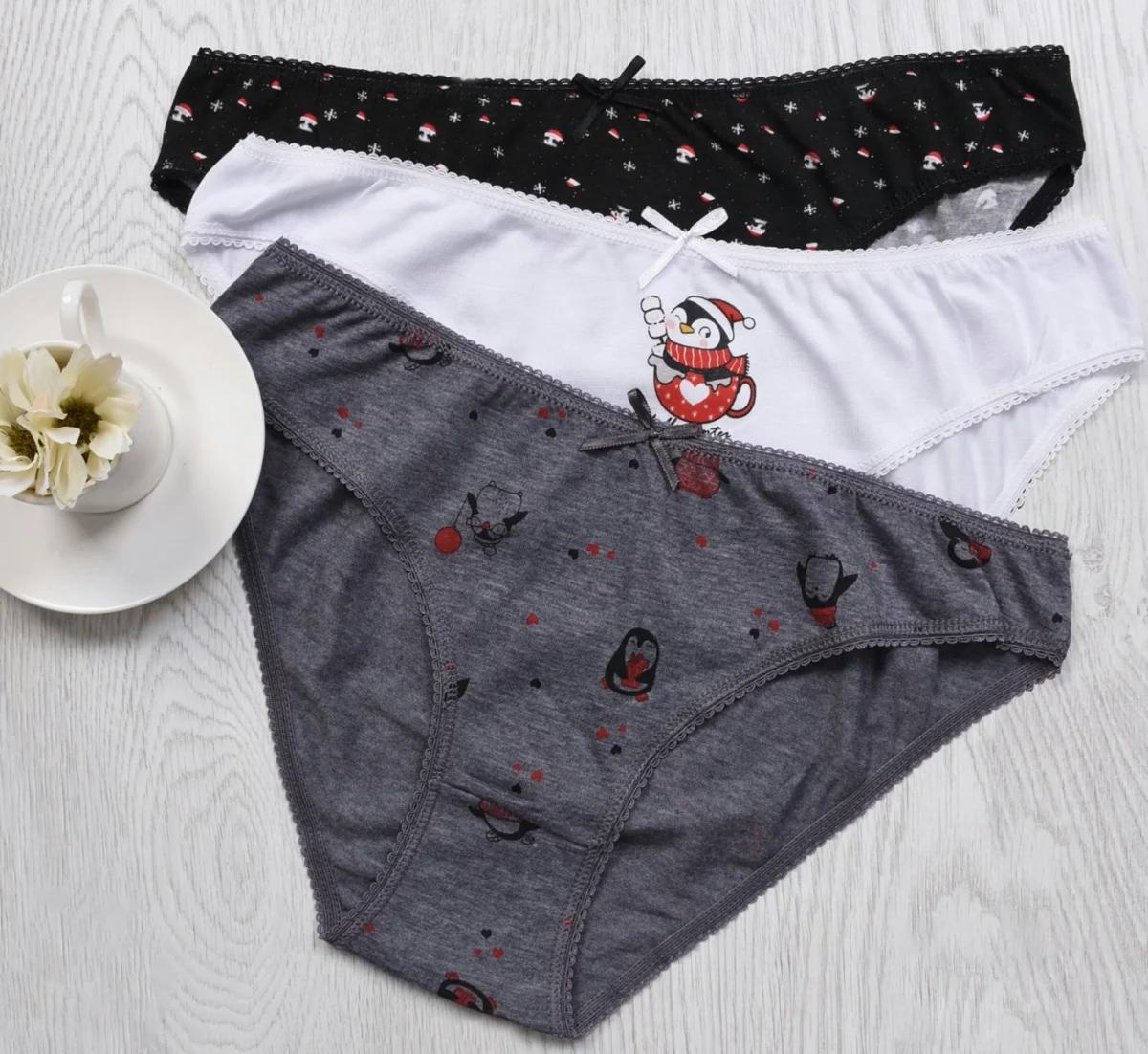
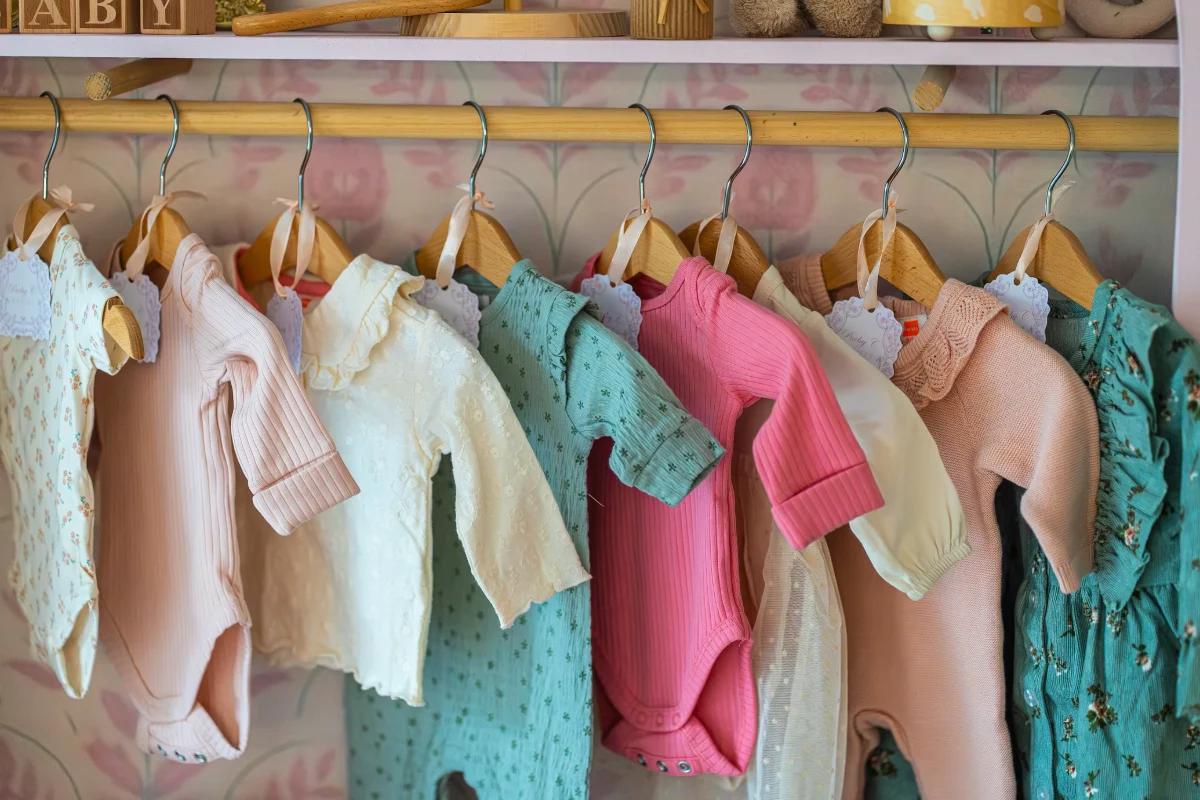
家居服与睡衣行业专注于为居家舒适而设计的服装。它介于睡衣和休闲服之间。睡衣(如睡衣套装和睡裙)主要用于睡眠。家居服(如卫衣套装和家居连衣裙)用于放松、在家工作或轻度社交活动,同时优先考虑舒适性。随着人们寻求多功能、舒适的服装以增加居家时间,这一行业显著增长,这得益于远程工作和对健康的关注等趋势。
The Loungewear & Sleepwear industry focuses on apparel designed for comfort at home. It bridges the gap between sleepwear and casual wear. Sleepwear (like pajamas and nightgowns) is primarily for sleeping. Loungewear (like hoodie sets and lounge dresses) is for relaxing, working from home, or light social activities while prioritizing comfort. This industry has grown significantly as people seek versatile, comfortable clothing for increased home time, driven by trends like remote work and a focus on wellbeing.
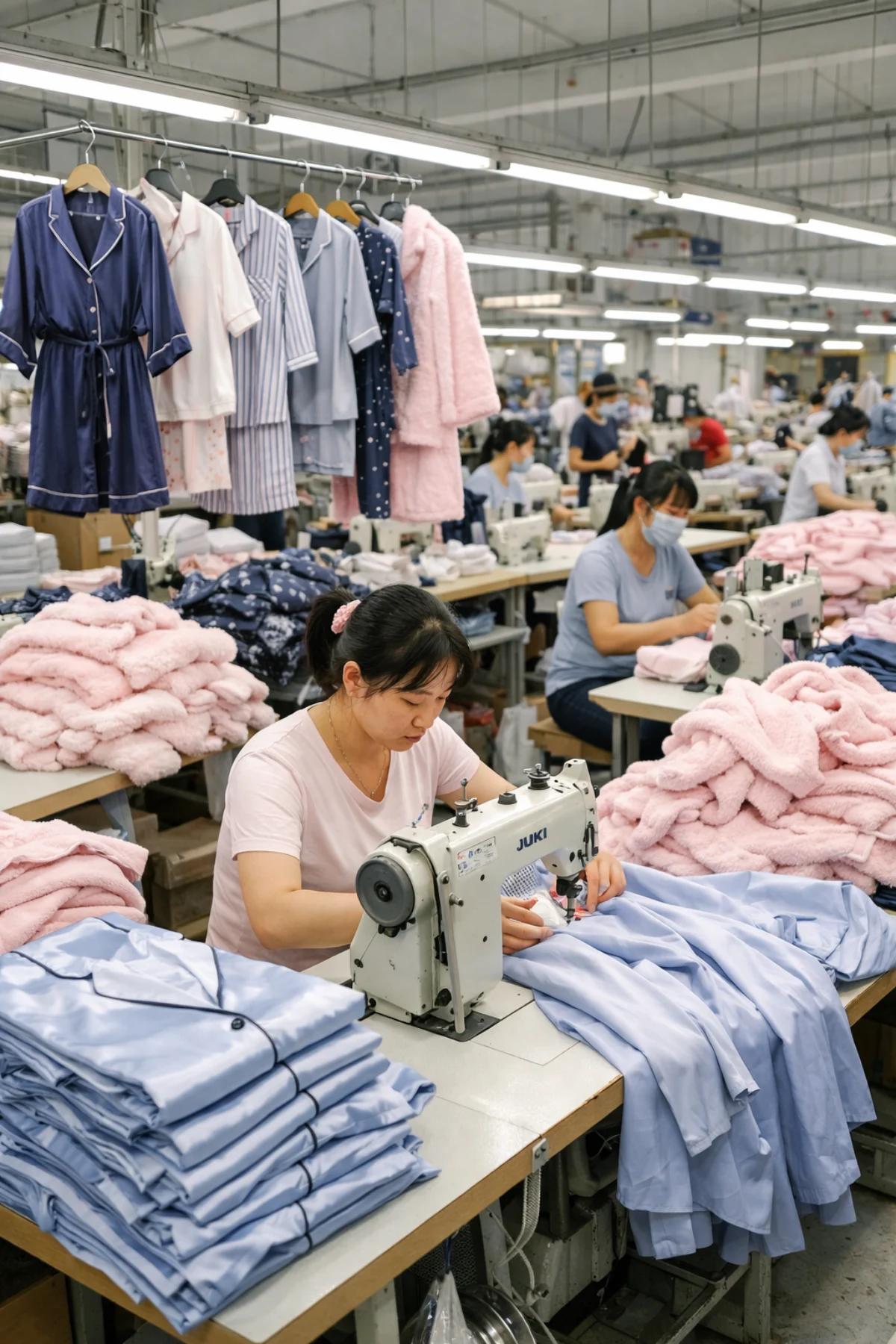
该行业按用途和风格清晰分类:1. 睡衣套装:配套的上下装用于睡眠,包括棉质、丝绸或法兰绒睡衣,以及配套的家庭套装。2. 浴袍:穿在睡衣外或浴后穿着,从毛绒绒的抓绒浴袍到轻薄的丝绸和服和吸水性好的毛巾布浴袍。3. 家居服:设计用于白天在家舒适穿着。包括休闲家居套装、睡裙、开衫以及更时尚的款式如蕾丝吊带裙。4. 拖鞋:完善居家舒适体验,从温暖的毛绒拖鞋到防滑浴室拖鞋。
The industry is neatly categorized by use case and style: 1. Sleep Sets : Coordinated tops and bottoms for sleeping, including cotton, silk, or flannel pajamas, as well as matching family sets. 2. Robes: Worn over sleepwear or post-bath, ranging from plush fleece robes to lightweight silk kimonos and absorbent terry cloth bathrobes. 3. Homewear\/Loungewear: Designed for daytime comfort at home. This includes casual lounge sets, sleep dresses, cardigans, and more fashionable items like lace chemises. 4. Slippers: Completes the at-home comfort experience, from warm plush slippers to non-slip bathroom slides.
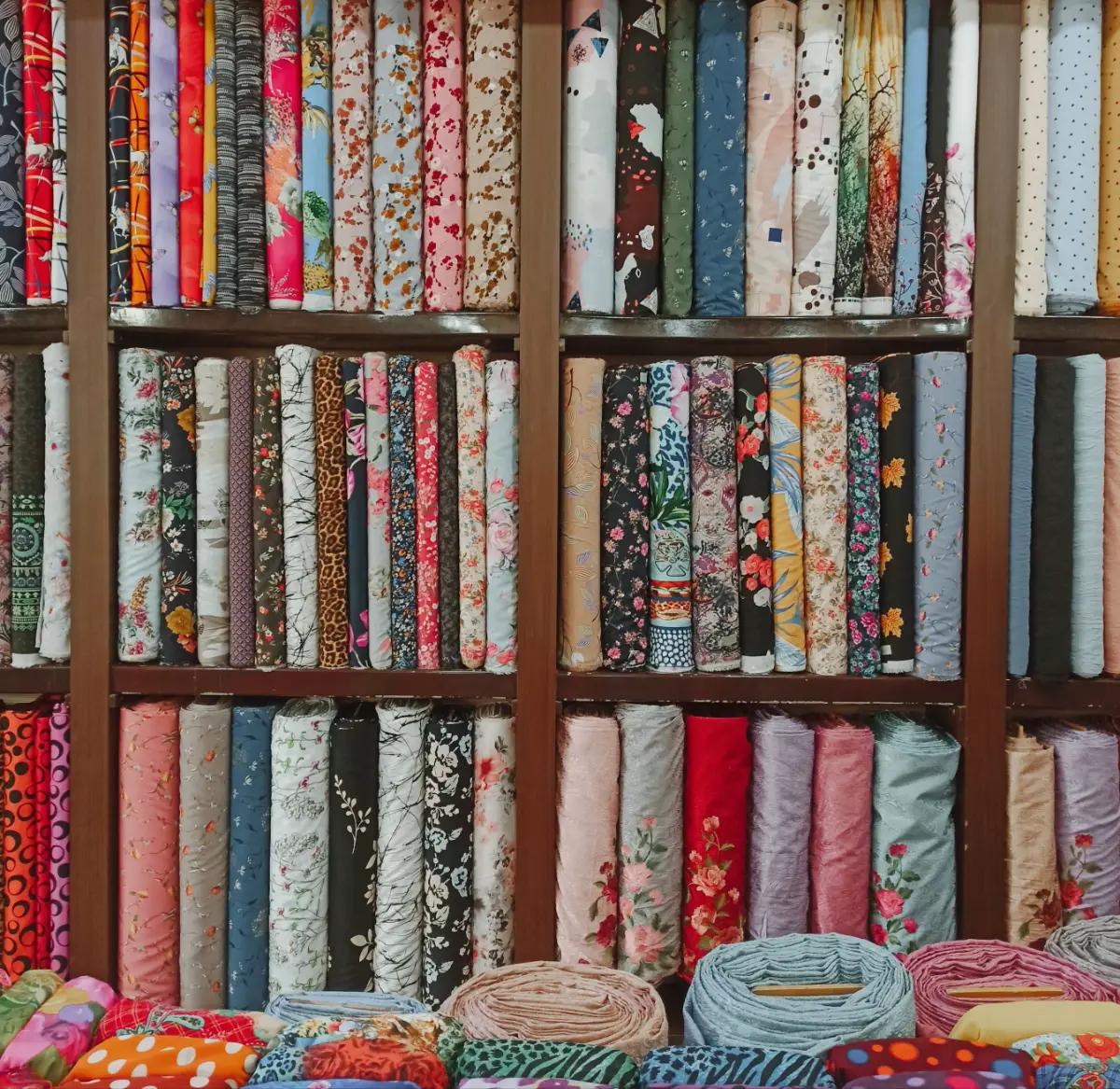
面料是舒适度的核心。关键材料包括:1. 棉:透气、柔软、低致敏性;是基础款的不二之选。2. 丝绸:奢华顺滑,调节温度,对皮肤和头发温和,但需精心护理。3. 莫代尔/竹纤维:异常柔软、透气、吸湿排汗;常用于高端睡衣。4. 法兰绒/抓绒:起绒面料,锁住热量,非常适合寒冷气候下的温暖舒适。5. 创新混纺与科技面料:包括调温相变材料、抗菌处理以及用于活动的弹力混纺。最佳选择取决于你的气候、敏感度和期望的触感。
Fabric is central to comfort. Key materials include: 1. Cotton: Breathable, soft, and hypoallergenic; a timeless choice for basics. 2. Silk: Luxuriously smooth, temperature-regulating, and gentle on skin and hair, but requires careful care. 3. Modal\/Bamboo Rayon: Exceptionally soft, breathable, and moisture-wicking; often used in premium sleepwear. 4. Flannel\/Fleece: Brushed fabrics that trap heat, perfect for cozy warmth in colder climates. 5. Innovative Blends & Tech Fabrics: Include temperature-regulating phase-change materials, antimicrobial treatments, and stretch blends for movement. The best choice depends on your climate, sensitivity, and desired feel.
考虑以下因素以实现完美购买:1. 主要用途:严格用于睡眠、白天休闲还是混合用途(如在家办公)?2. 舒适度与合身度:优先考虑柔软度、透气性和无束缚感。无缝或平缝结构可提升舒适度。3. 面料与季节:夏季选择透气的棉或莫代尔,冬季选择更保暖的法兰绒或抓绒。丝绸全年温度平衡效果很好。4. 护理要求:查看标签。某些娇贵材料(丝绸、蕾丝)需要手洗或干洗。5. 个人风格与价值:决定你是追求基本功能、时尚设计还是长期质量投资。
Consider these factors for the perfect purchase: 1. Primary Use: Is it strictly for sleep, daytime lounging, or a hybrid (like WFH)? 2. Comfort & Fit: Prioritize softness, breathability, and a non-restrictive fit. Seamless or flat-seam construction enhances comfort. 3. Fabric & Season: Choose breathable cotton or modal for summer, and warmer flannel or fleece for winter. Silk is great for year-round temperature balance. 4. Care Requirements: Check labels. Some delicate materials (silk, lace) require hand-washing or dry cleaning. 5. Personal Style & Value: Decide if you seek basic function, trendy design, or long-term investment in quality.
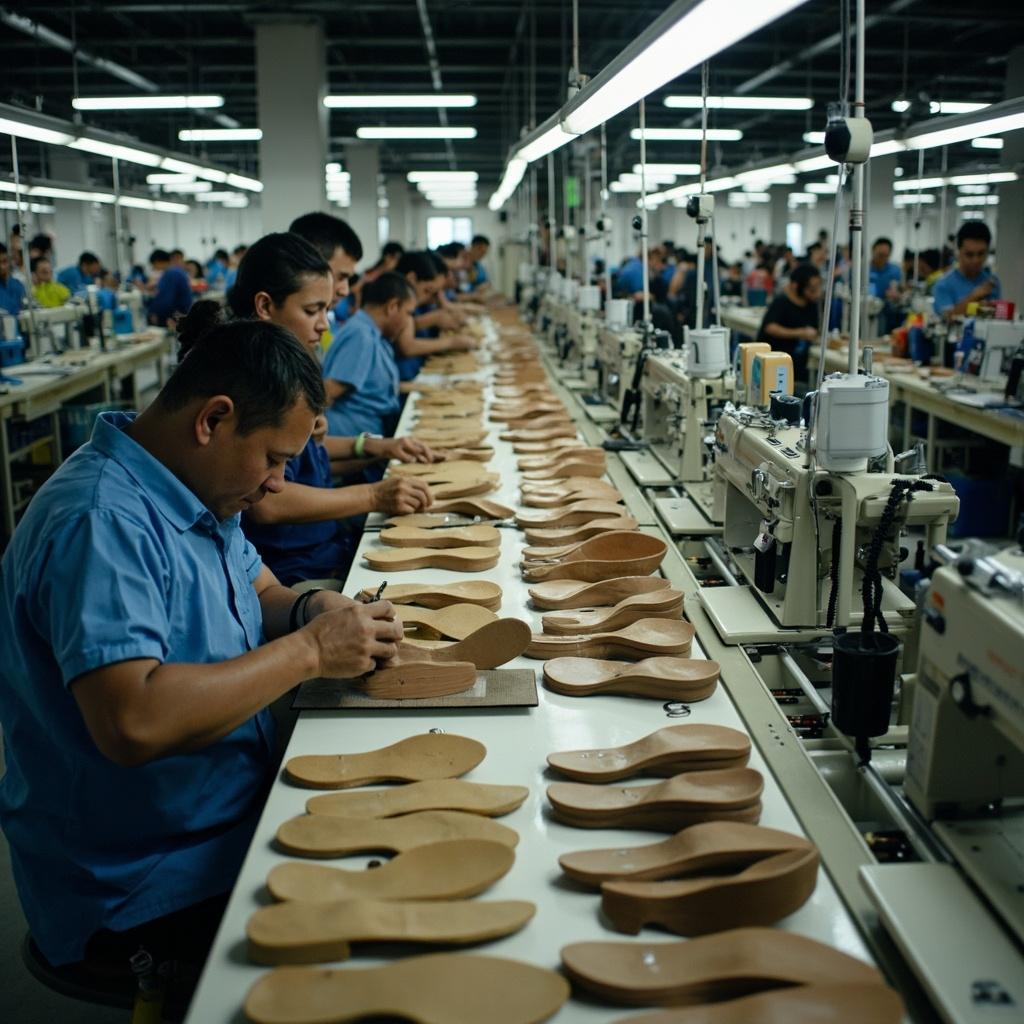
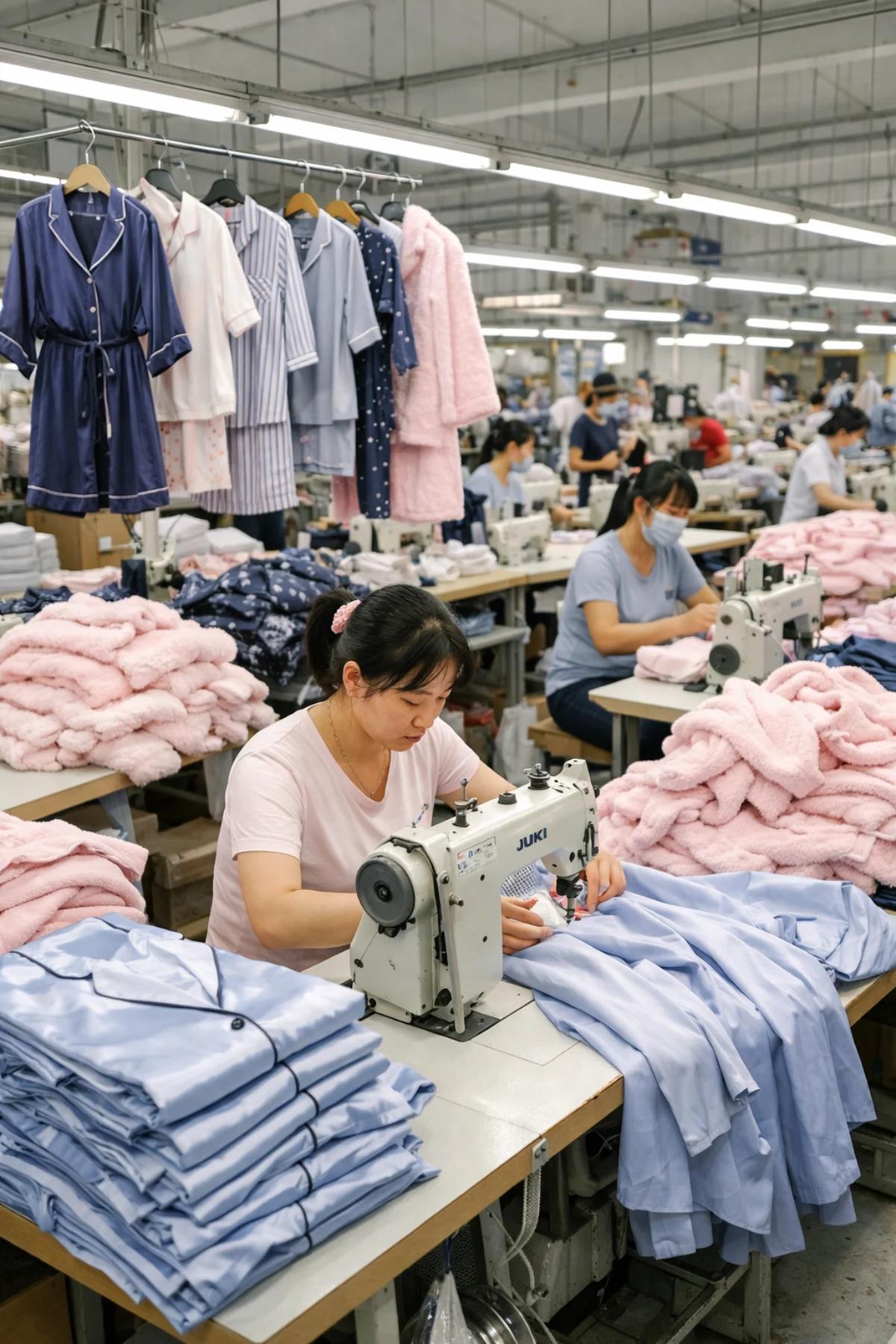
全球家居服产业的地理分布格局独特,受原材料获取、制造传统、劳动力成本和市场 proximity 等因素影响。
1. 中国:各类家居服和睡衣的主导制造商。
2. 孟加拉国和印度:主要的棉质家居服和睡衣生产国。
3. 土耳其:面向欧洲市场的高端棉质家居服中心正在崛起。
4. 越南和柬埔寨:对中高端品牌日益重要。
5. 斯里兰卡:专注于高品质睡衣,拥有强大的道德制造资质。
战略启示:在家居服行业成功采购需要了解区域专业化,并维持多元化的采购策略,以平衡成本、质量、交货时间和地缘政治风险。可持续性认证和供应链透明度正日益成为进入高端市场的先决条件。
The global loungewear industry has a distinctive geographic footprint shaped by raw material access, manufacturing heritage, labor costs, and market proximity.
1. China: Dominant manufacturer across all categories of loungewear and sleepwear.
2. Bangladesh & India: Major cotton-based loungewear and sleepwear producers.
3. Turkey: Growing premium cotton loungewear hub for European markets.
4. Vietnam & Cambodia: Increasingly important for mid-to-premium brands.
5. Sri Lanka: Specializes in high-quality sleepwear with strong ethical manufacturing credentials.
Strategic Implications: Successful procurement in the loungewear industry requires understanding regional specialization and maintaining diversified sourcing strategies that balance cost, quality, lead time, and geopolitical risk. Sustainability certifications and supply chain transparency are increasingly becoming prerequisites for market access in premium segments.