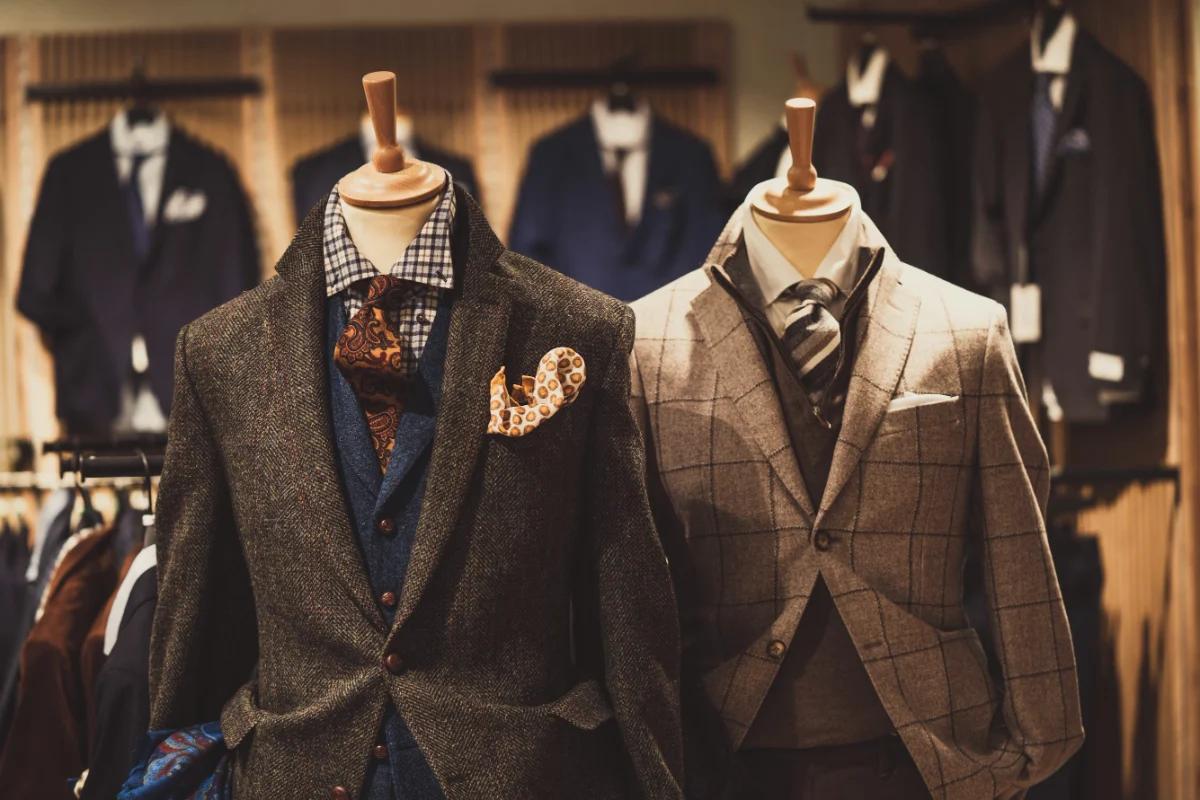
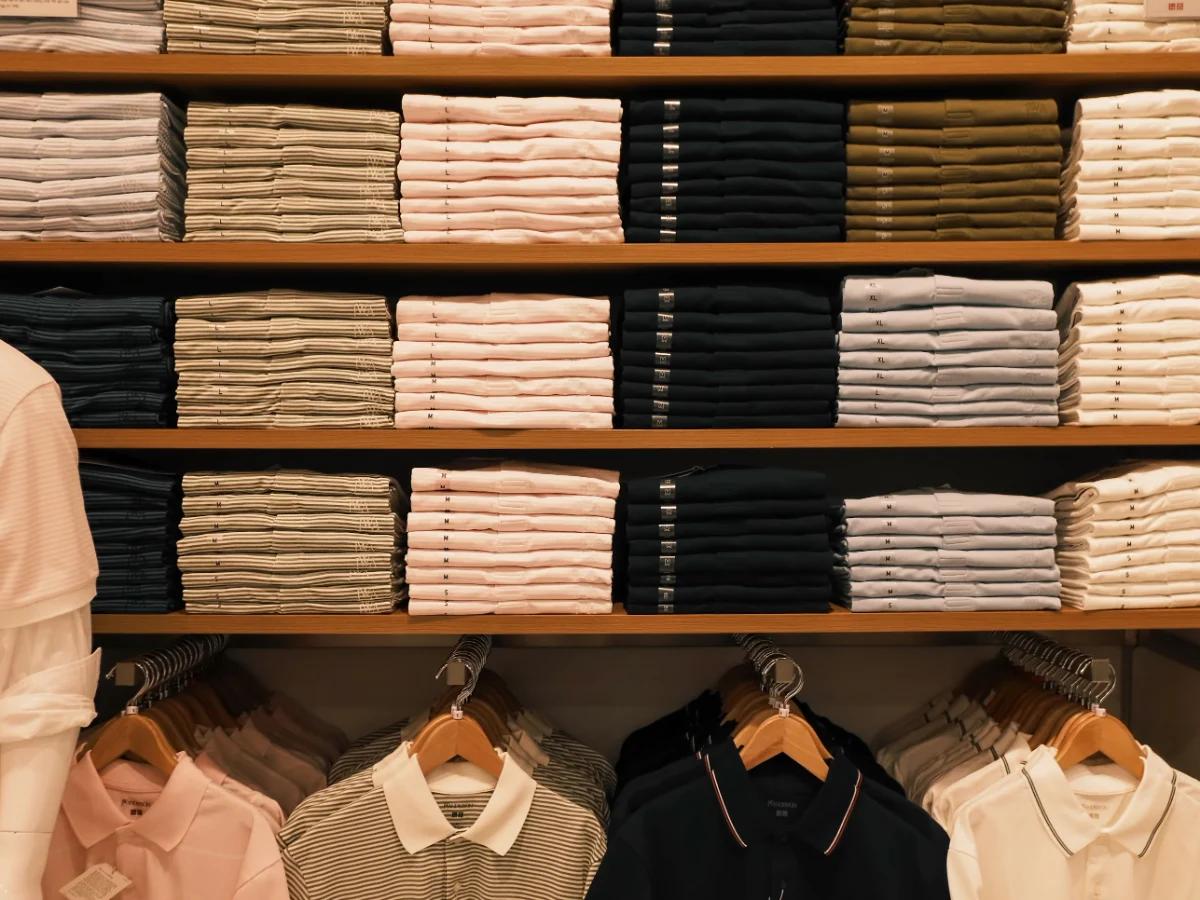
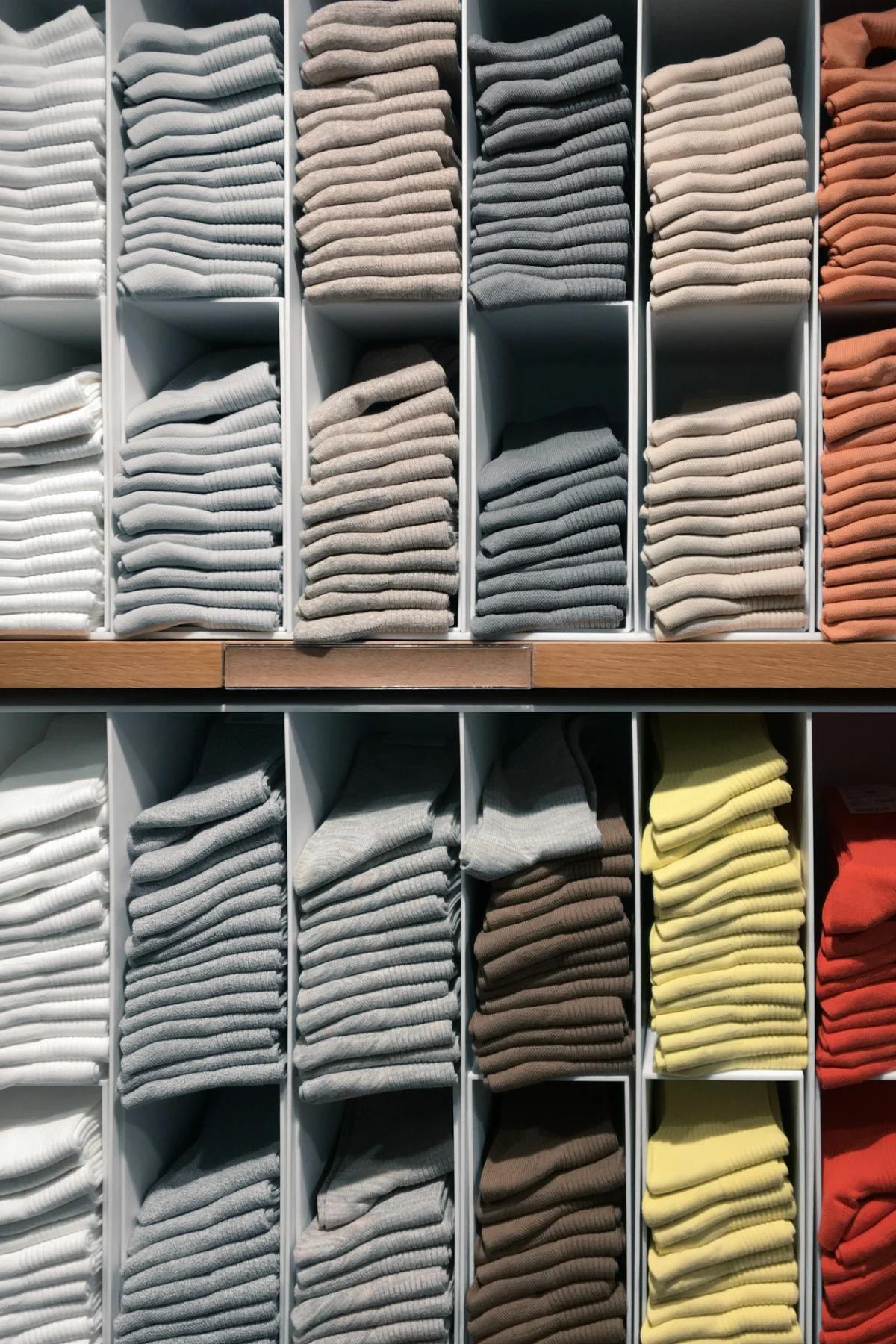
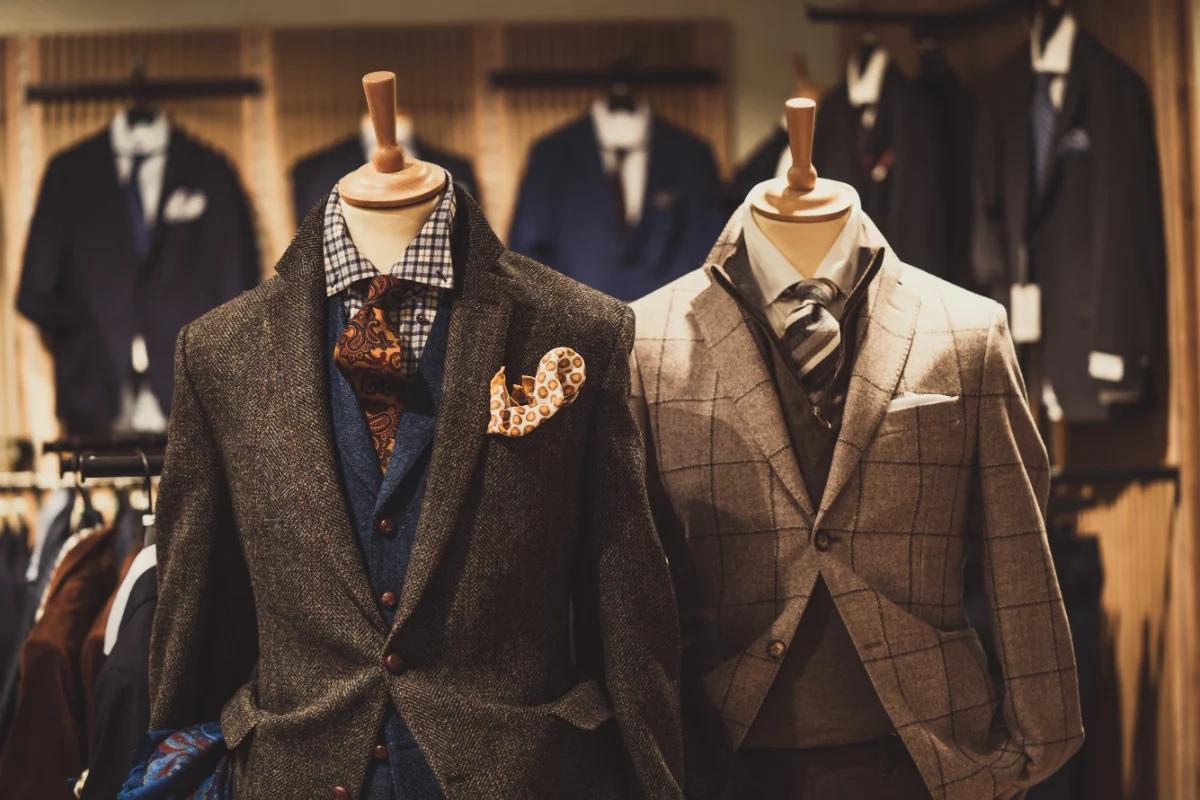
男装行业涵盖专门为男性设计、制造和销售服装的全球业务。这是一个庞大且细分的领域,远不止基本衬衫和裤子。该行业系统性地分为几个核心品类:男士上装(包括正装衬衫、Polo衫和T恤)、外套(如夹克、大衣和连帽衫)、下装(如牛仔裤、长裤和短裤)、西装与正装,以及运动装与性能服饰。每个品类又进一步细分为众多子类(例如牛津衬衫、飞行员夹克、卡其裤),满足不同风格、场合和功能需求,从日常休闲装、商务着装到技术户外装备。
The Men's Clothing Industry encompasses the global business of designing, manufacturing, and selling apparel specifically for men. It’s a vast and segmented sector that goes beyond basic shirts and pants. The industry is systematically divided into several core categories: Men‘s Tops (including dress shirts, polos, and T-shirts), Outerwear (like jackets, coats, and hoodies), Bottoms (such as jeans, trousers, and shorts), Suits & Formalwear, and Sportswear & Performance Wear. Each category further branches into numerous sub-segments (e.g., oxford shirts, bomber jackets, chinos) catering to different styles, occasions, and functionalities, from daily casual wear and business attire to technical outdoor gear.
行业演变由消费者趋势、技术创新和经济力量共同驱动。关键驱动因素包括:1. 消费者观念转变:男性越来越将服装视为自我表达的方式,推动了对个性化、小众风格和品牌价值观的需求。2. 性能与创新:面料进步(如吸湿排汗、温度调节、可持续材料)模糊了休闲、正装和运动装的界限。3. 数字影响:社交媒体和电子商务彻底改变了发现、购买和趋势周期。4. 混合生活方式兴起:对适合居家办公、休闲办公室和休闲活动的多功能服装的需求,推动了“商务休闲”和性能外套等品类。相反,经济不确定性和供应链中断等因素构成了重大挑战。
The industry's evolution is driven by a combination of consumer trends, technological innovation, and economic forces. Key drivers include: 1. Shifting Consumer Mindsets: Men are increasingly viewing clothing as a form of self-expression, fueling demand for personalization, niche styles, and brand values. 2. Performance & Innovation: Advancements in fabrics (e.g., moisture-wicking, temperature regulation, sustainable materials) blur the lines between casual, formal, and sportswear. 3. Digital Influence: Social media and e-commerce have revolutionized discovery, purchasing, and trend cycles. 4. The Rise of Hybrid Lifestyles: Demand for versatile clothing suitable for work-from-home, casual office, and leisure drives categories like “smart casual” and performance outerwear. Conversely, factors like economic uncertainty and supply chain disruptions pose significant challenges.
市场由几种不同的参与者类型构成:1. 奢侈品集团:如LVMH和开云集团拥有品牌组合(例如路易威登、古驰),专注于所有品类的高利润、品牌驱动产品。2. 垂直奢侈品品牌:如杰尼亚和布鲁内洛·库奇内利控制整个供应链,专精于高端材料(如羊绒)和工艺。3. 高端/生活方式品牌:如拉夫·劳伦和博柏利在广泛产品线中平衡传统、设计和可及性。4. 快时尚巨头:如Inditex(Zara)通过快速复制潮流和巨大规模占据主导。5. 运动装专家:耐克、阿迪达斯和安踏专注于性能技术和运动休闲。6. 制造商/批发商:如PVH集团和雅戈尔运营品牌组合和/或提供大规模生产服务。
The market is structured around several distinct player types: 1. Luxury Conglomerates: Groups like LVMH and Kering own portfolio brands (e.g., Louis Vuitton, Gucci) focusing on high-margin, brand-driven products across all categories. 2. Vertical Luxury Brands: Companies like Ermenegildo Zegna and Brunello Cucinelli control their entire supply chain, specializing in premium materials (e.g., cashmere) and craftsmanship. 3. Premium/Lifestyle Brands: Brands like Ralph Lauren and Burberry balance heritage, design, and accessibility across a wide product range. 4. Fast Fashion Giants: Companies like Inditex (Zara) dominate through rapid trend replication and massive scale. 5. Sportswear Specialists: Nike, Adidas, and Anta focus on performance technology and athleisure. 6. Manufacturers/Wholesalers: Entities like PVH Corp. and Youngor operate brand portfolios and/or provide large-scale production services.
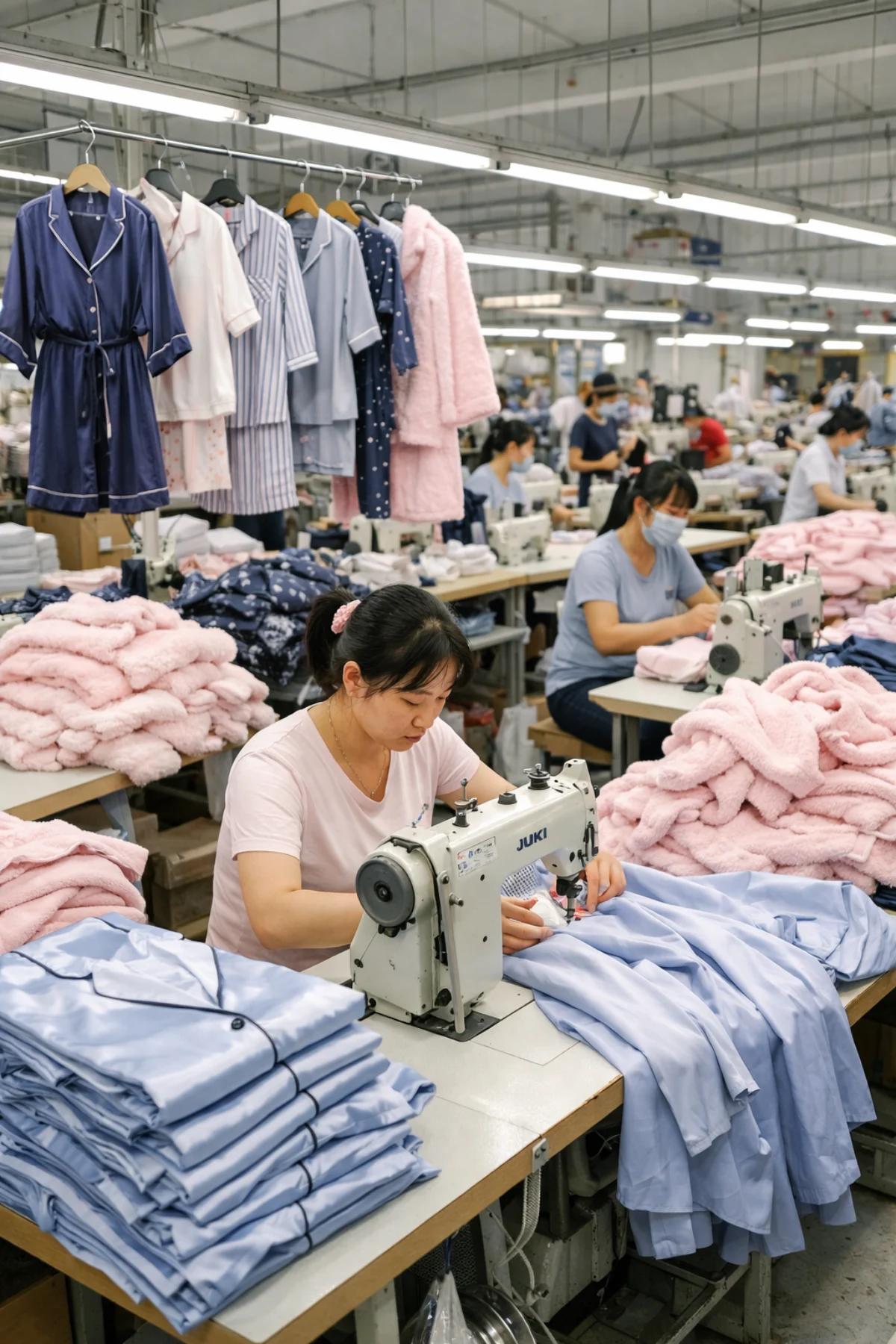
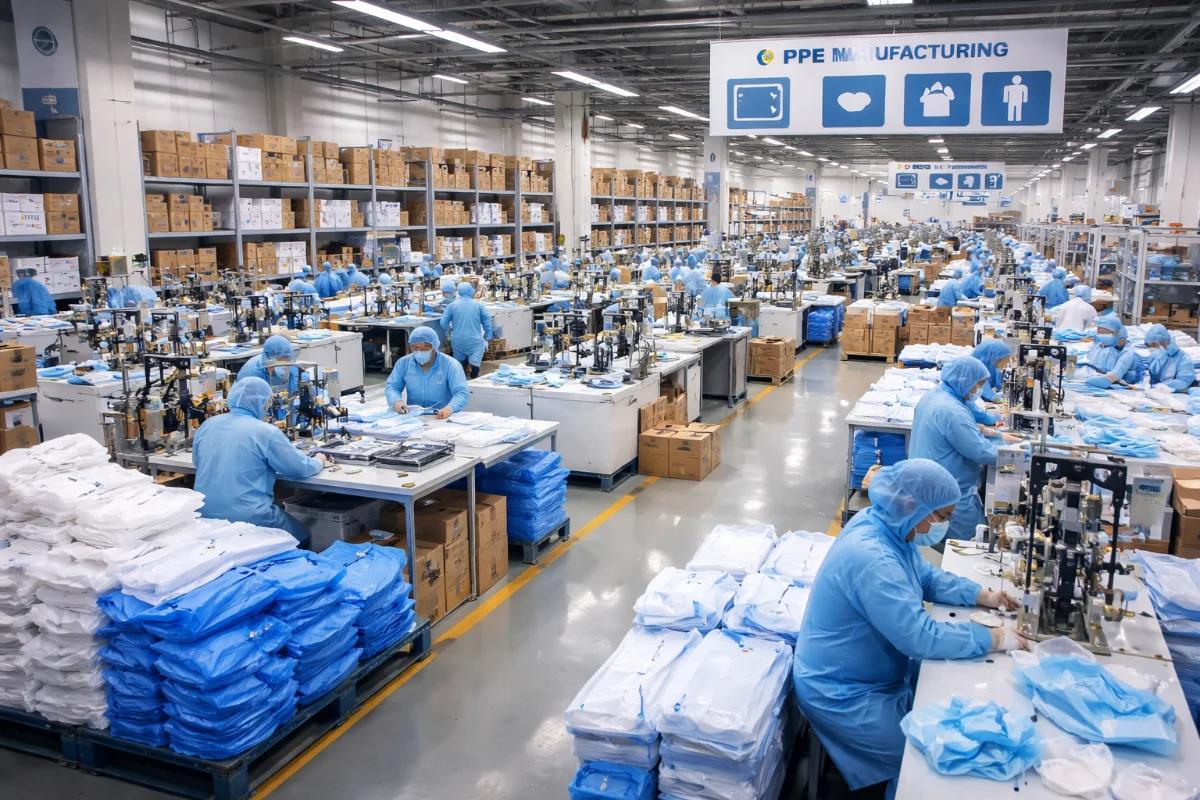
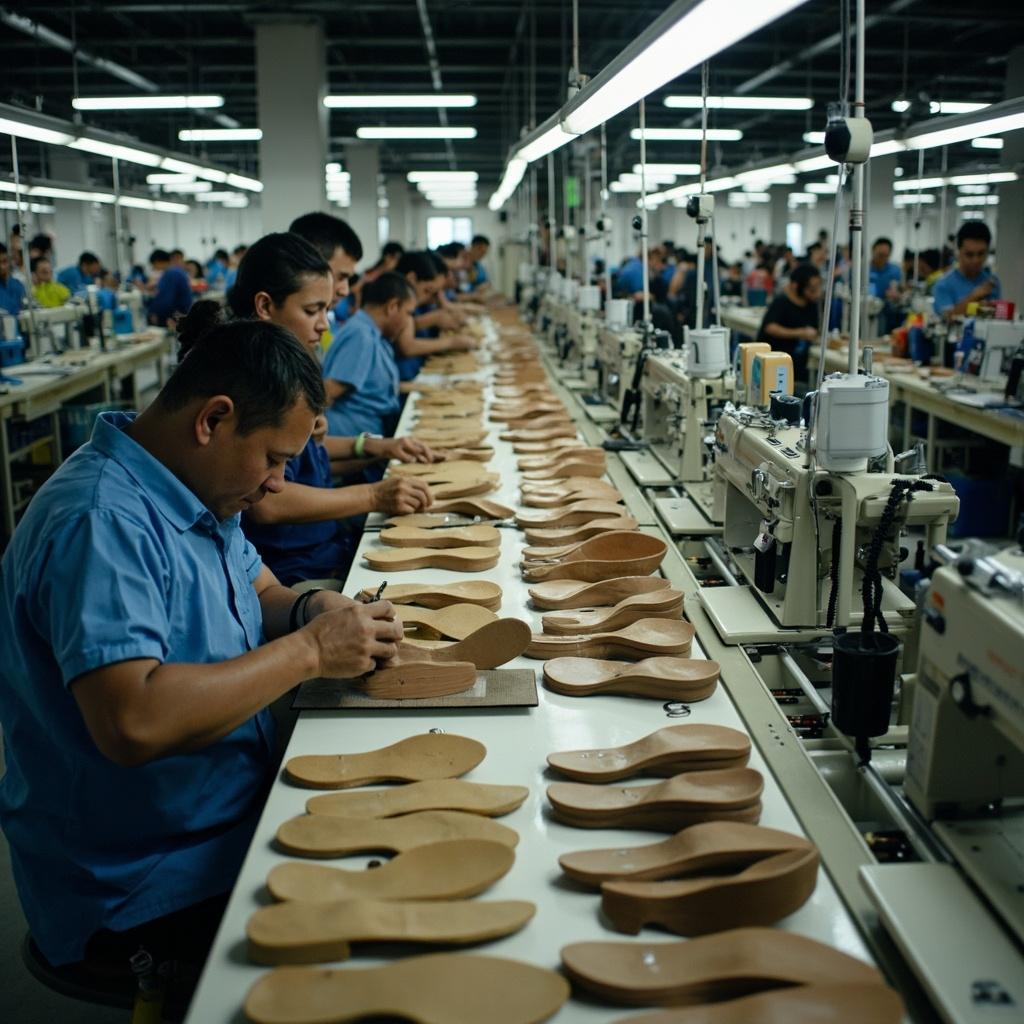
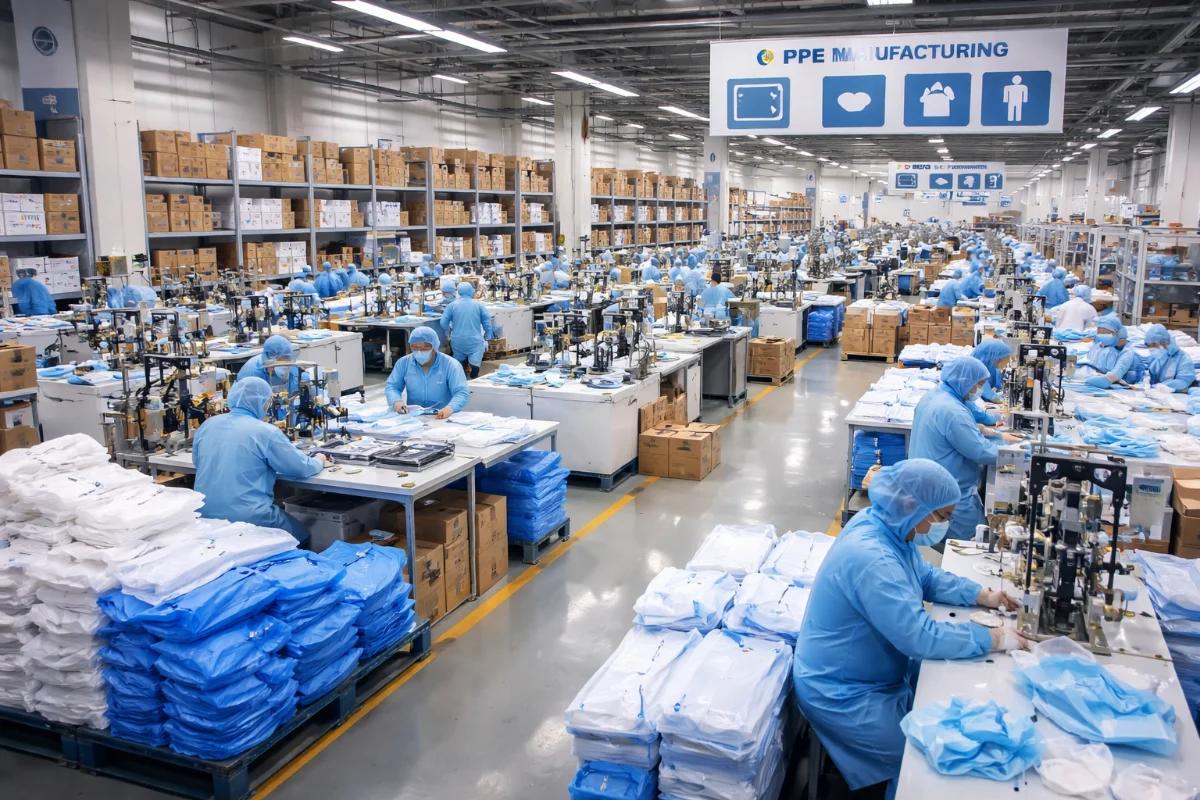
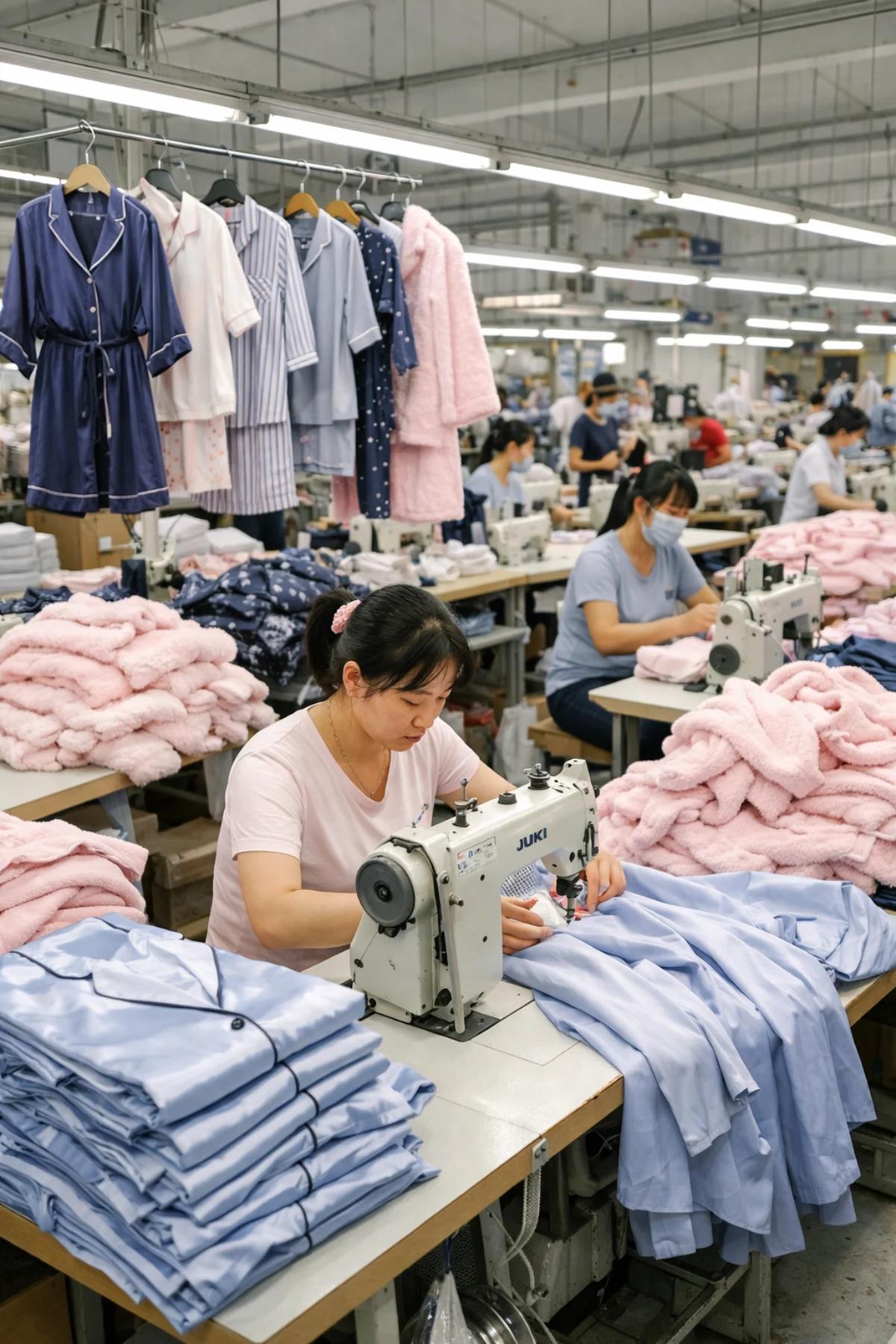
这一区别指的是谁实际制造服装。内部生产意味着品牌拥有并运营自己的工厂(例如爱马仕、杰尼亚),能够实现极致质量控制、保护专有技术和供应链机密,但需要大量资本投入。合同制造(或外包)则指品牌雇佣第三方工厂按规格生产商品(常见于PVH、快时尚品牌)。这种方式提供了灵活性、成本效益和可扩展性。这一选择深刻影响品牌形象:内部生产通常与奢侈、工艺和独特性挂钩(从而支撑高定价),而外包则实现速度和可负担性。许多品牌如古驰和博柏利采用混合模式,核心产品内部生产,基础款外包。
This distinction refers to who physically makes the clothes. In-House Production means a brand owns and operates its own factories (e.g., Hermès, Zegna), allowing for extreme quality control, protection of proprietary techniques, and supply chain secrecy, but requires massive capital investment. Contract Manufacturing (or Outsourcing) means a brand hires third-party factories to produce goods to its specifications (common for PVH, fast fashion). This offers flexibility, cost efficiency, and scalability. The choice profoundly impacts a brand’s identity: in-house production is often tied to luxury, craftsmanship, and exclusivity (justifying higher prices), while outsourcing enables speed and affordability. Many brands, like Gucci and Burberry, use a hybrid model, keeping core products in-house and outsourcing basics.
未来正由几大趋势共同塑造:1. 可持续成为标配:它已超越流行词,成为核心运营要求,推动对回收材料、循环商业模式(租赁、维修)和全供应链透明度的需求。2. 技术融合:可穿戴技术、适应气候的智能面料以及AI驱动的个性化(合身、风格)将更加普及。3. 品类界限模糊:正装、休闲和技术运动装之间的界限将继续消融,催生更多多功能、混合型服装。4. 直面消费者与体验:品牌将加强DTC渠道,并专注于打造沉浸式体验,无论是在线还是旗舰店。5. 区域化与韧性:为降低供应链风险,将向近岸外包和构建更多元化、有韧性的生产网络转移。
The future is being shaped by several converging trends: 1. Sustainability as Standard: Beyond a buzzword, it‘s becoming a core operational requirement, driving demand for recycled materials, circular business models (rental, repair), and full supply chain transparency. 2. Technology Integration: Wearable tech, smart fabrics with climate adaptation, and AI-driven personalization (fit, style) will become more prevalent. 3. Blurring of Categories: The lines between formal, casual, and technical sportswear will continue to dissolve, leading to more versatile, hybrid garments. 4. Direct-to-Consumer & Experience: Brands will strengthen DTC channels and focus on creating immersive experiences, both online and in flagship stores. 5. Regionalization & Resilience: To mitigate supply chain risks, there will be a move towards nearshoring and building more diversified, resilient production networks.



%20Private%20Limited.webp&w=256&q=75)