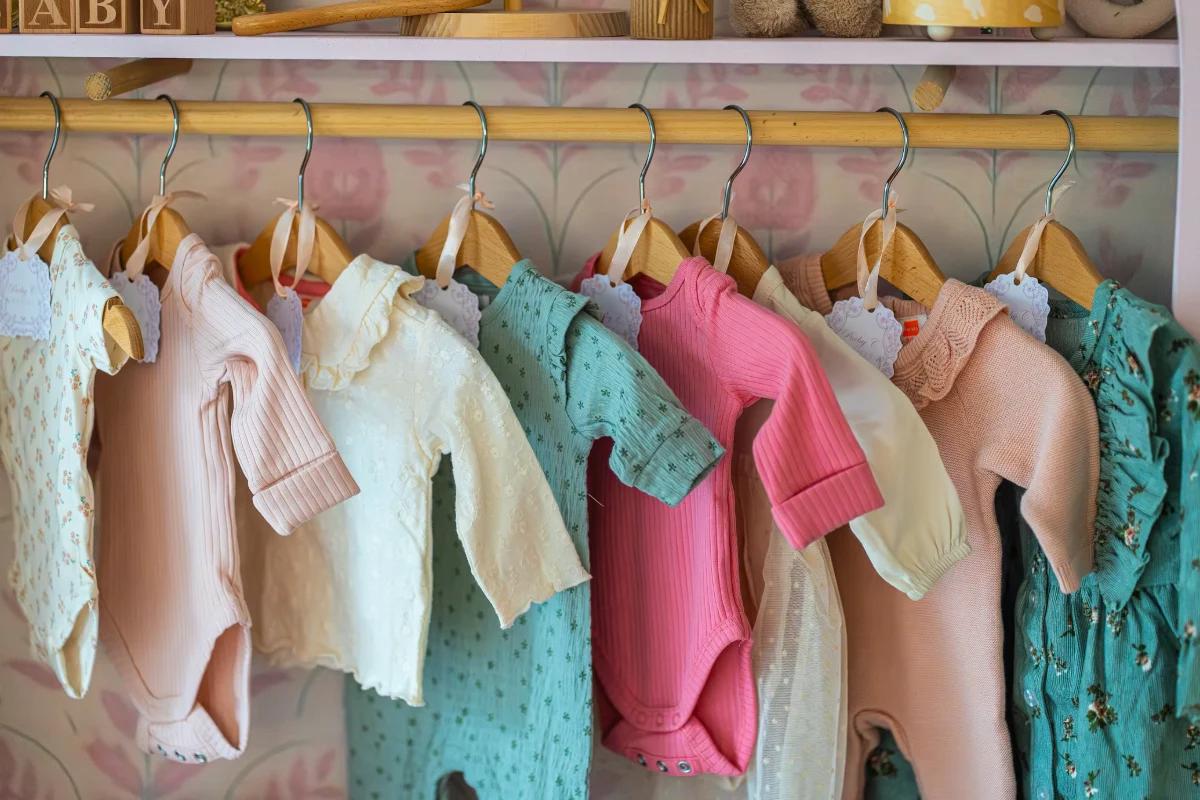
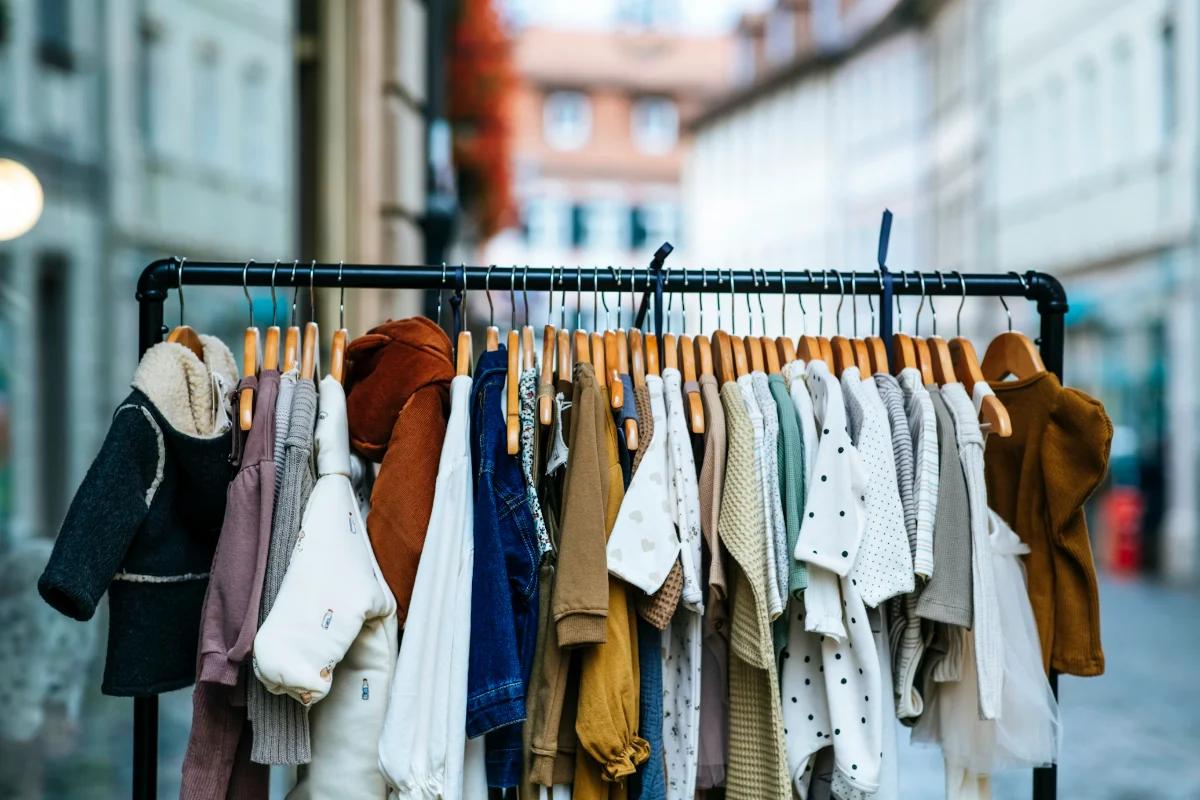
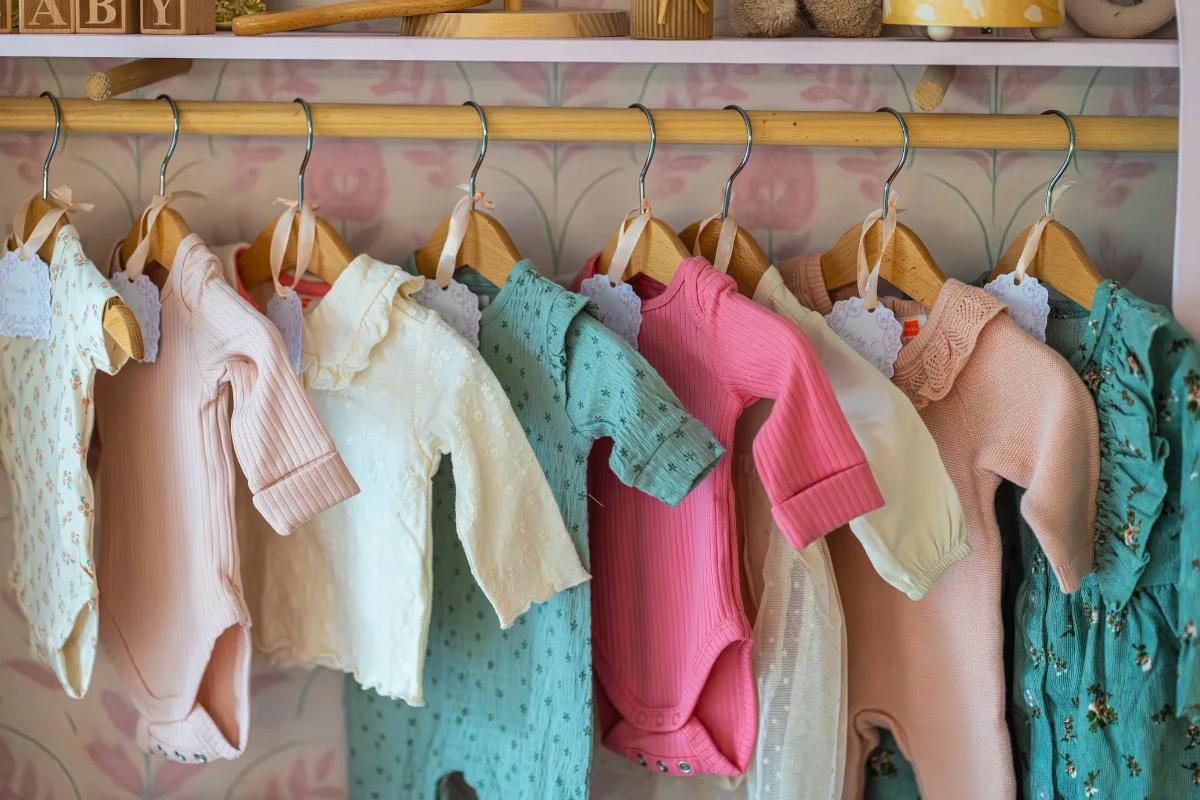
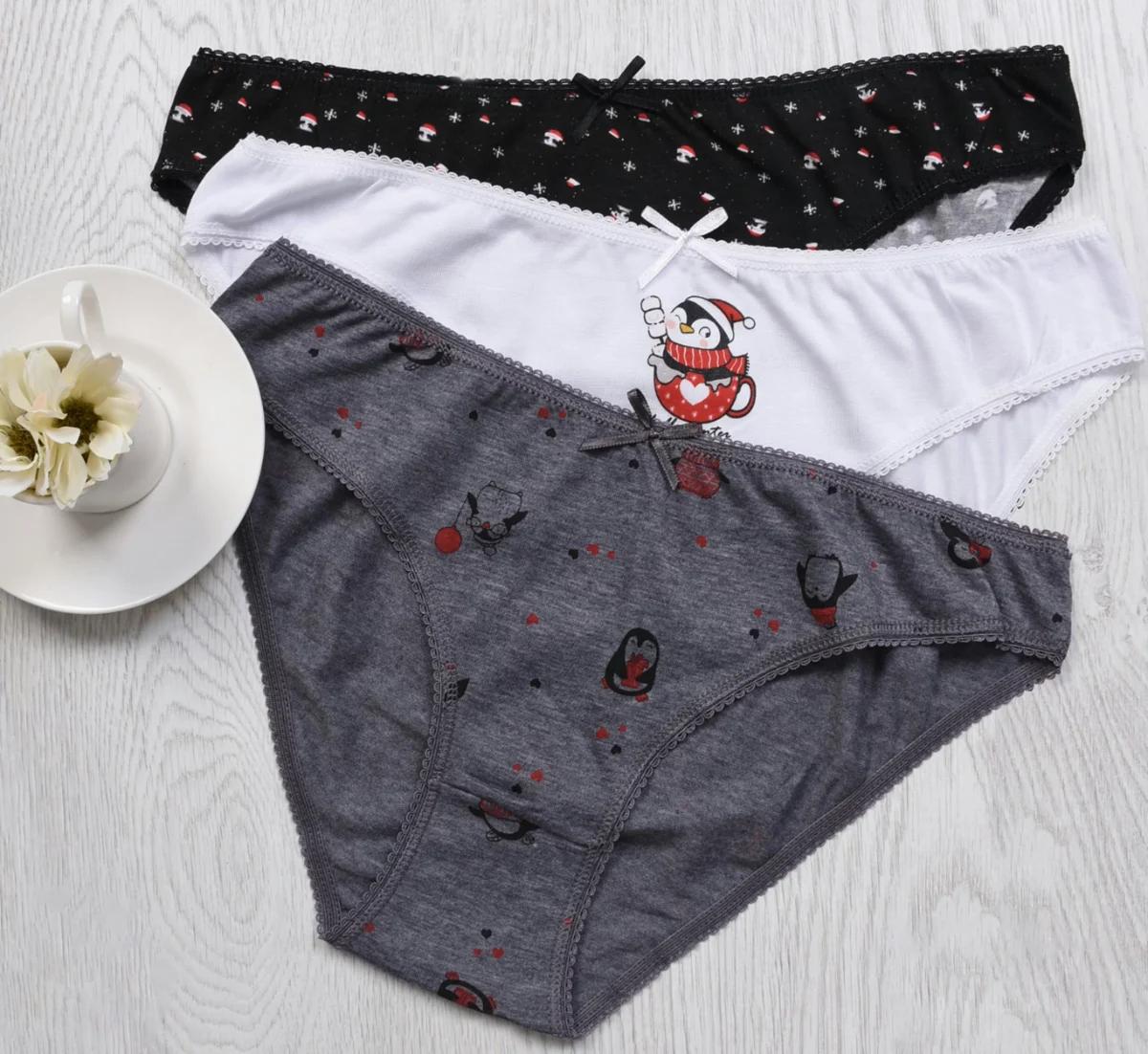
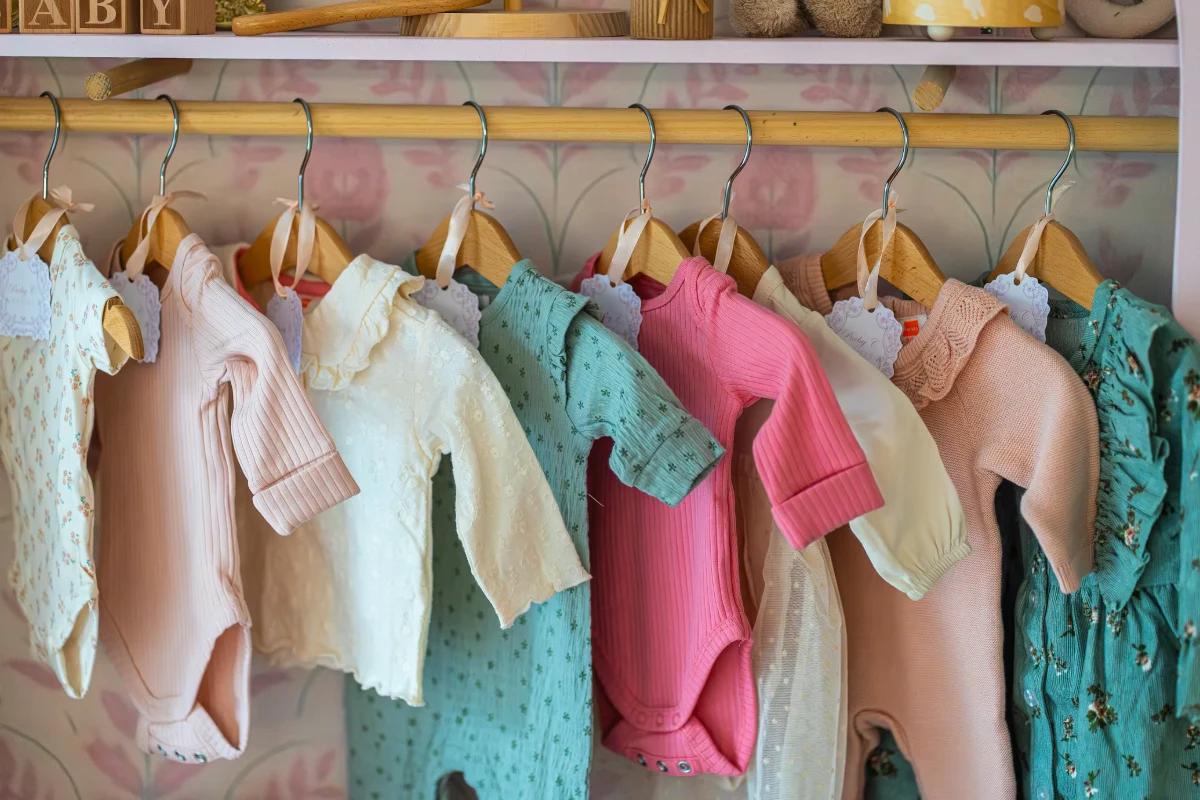
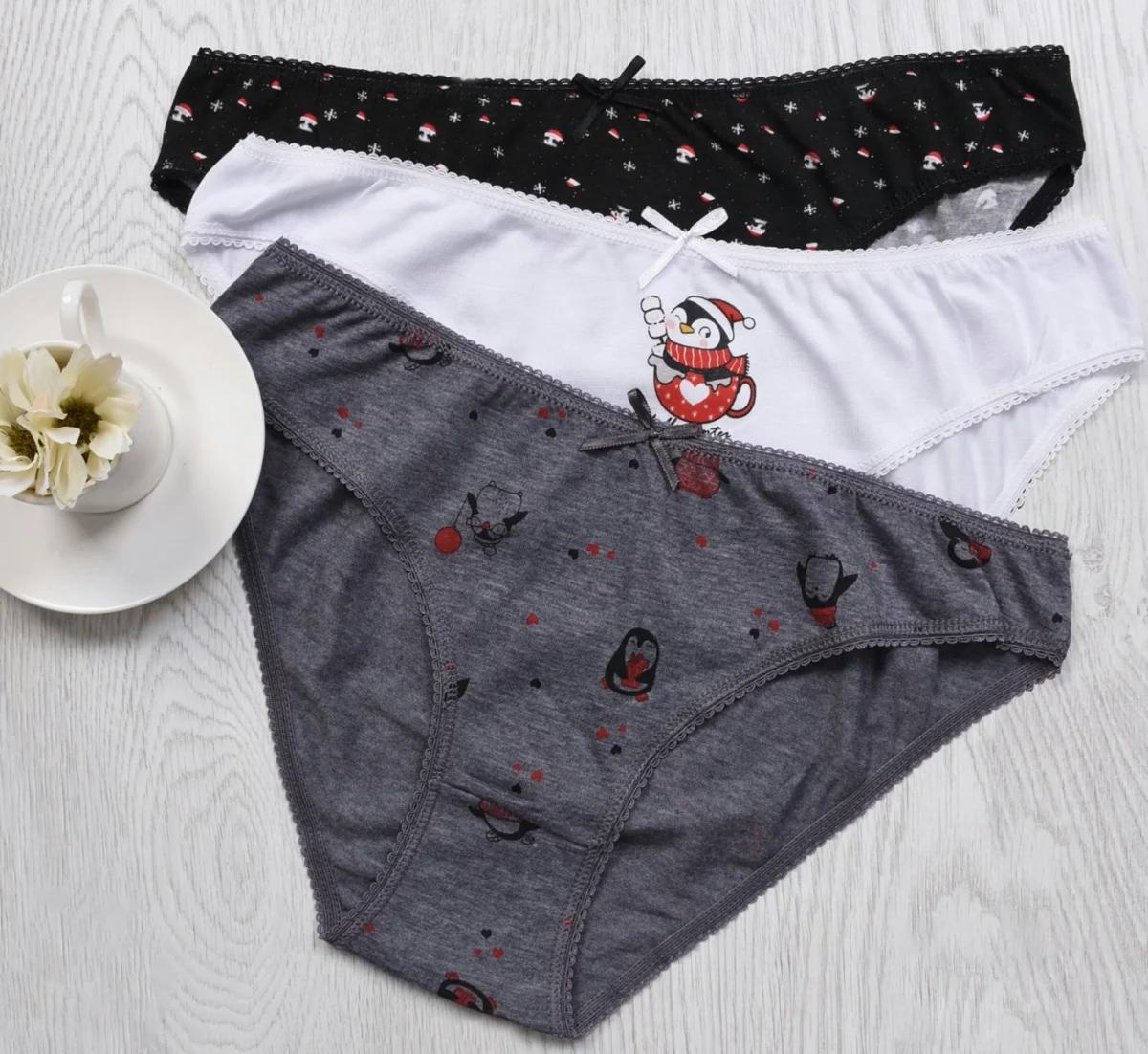
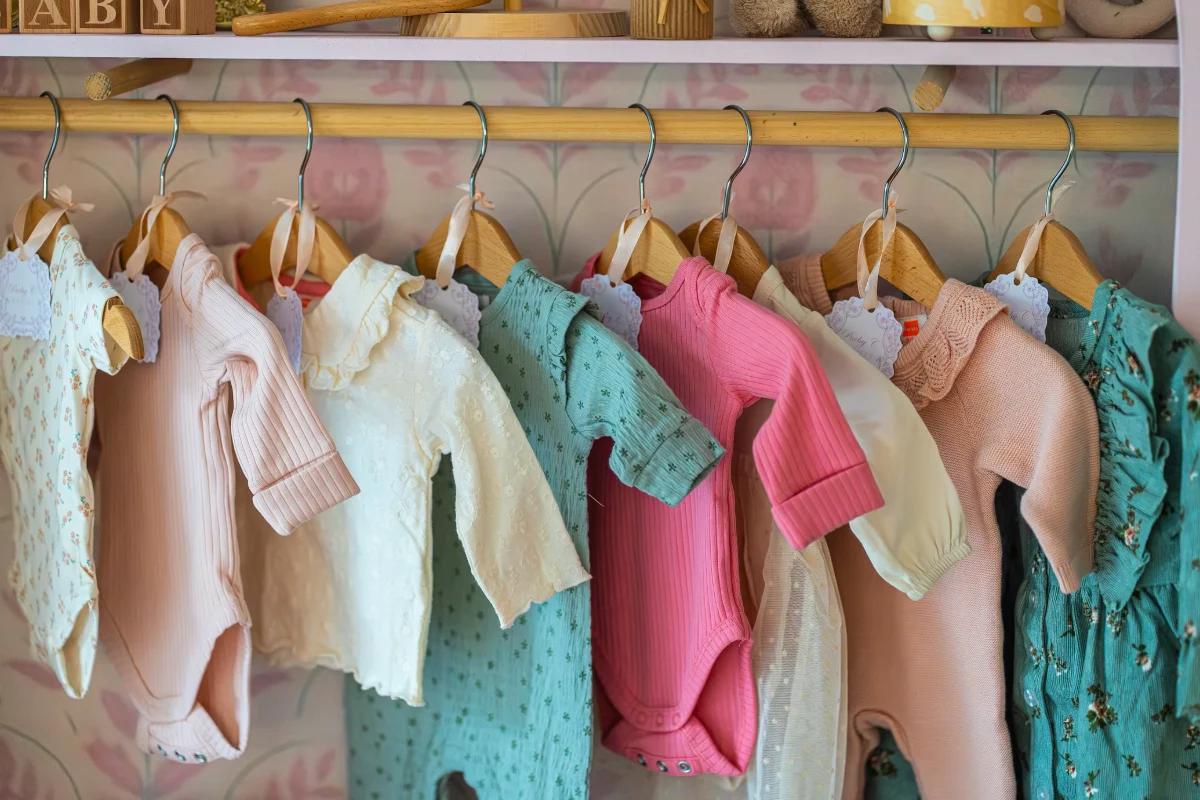
童装与婴儿服装行业涵盖所有专为从出生到大约12岁儿童设计的服装及相关配饰。它按年龄和功能细分:婴儿服装(0-24个月),如连体衣和睡袋;日常穿着(2-12岁),包括上衣、连衣裙和套装;功能性服装,具有防晒和速干特性;校服;配饰,如围兜和鞋子;以及特定场合服装,如派对礼服或民族服饰。这是一个结合了时尚、安全、舒适和不断成长的至关重要的行业,以满足不断变化的家庭需求。
The Kids & Baby Clothing Industry encompasses all apparel and related accessories specifically designed for children from birth to approximately 12 years old. It’s segmented by age and function: Infant Clothing (0-24 months) like bodysuits and sleep sacks; Everyday Wear (2-12 years) including tops, dresses, and sets; Functional Wear with sun-protection and quick-dry features; School Uniforms; Accessories such as bibs and shoes; and Occasion-Specific Outfits like party dresses or cultural attire. It’s a vital sector combining fashion, safety, comfort, and constant growth to meet evolving family needs.
童装市场因其双重客户动态而根本不同:儿童(使用者)和父母(购买者)。这导致了对安全性、舒适性和耐用性的高度重视,而非纯粹的时尚。对材料(如阻燃性、化学安全性)的法规更为严格。增长是非自由裁量的,由儿童身体的持续成长驱动,导致重复购买。此外,产品类别独特(如襁褓、连体衣、校服),营销通常针对父母的价值观,如信任、教育主题或可持续性。
The kidswear market is fundamentally distinct due to its dual customer dynamic: the child (user) and the parent (purchaser). This drives a paramount focus on safety, comfort, and durability over pure fashion. Regulations on materials (e.g., flame resistance, chemical safety) are stricter. Growth is non-discretionary and driven by constant physical growth of children, leading to recurring purchases. Additionally, product categories are unique (e.g., swaddles, onesies, school uniforms), and marketing often targets parental values like trust, educational themes, or sustainability.
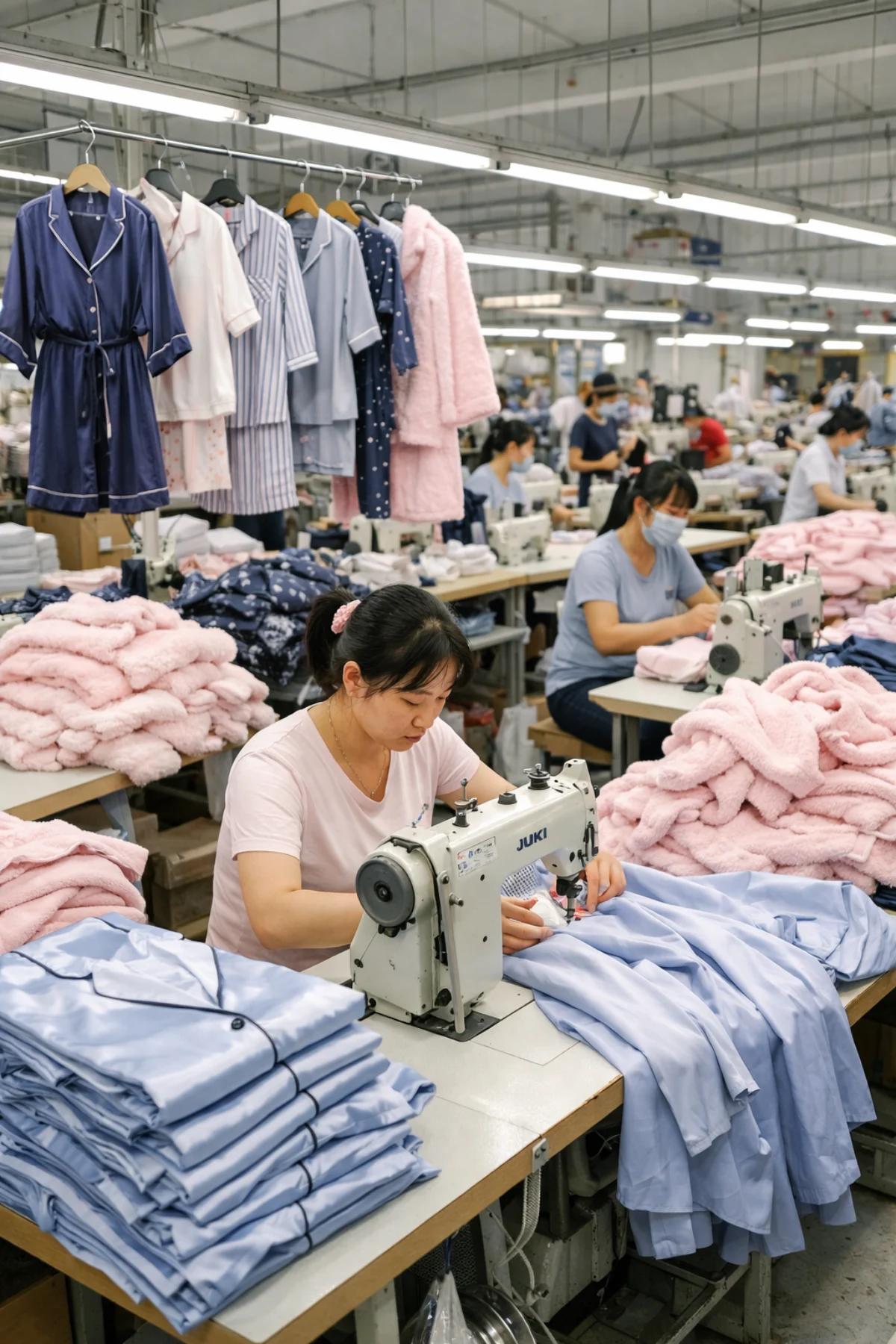
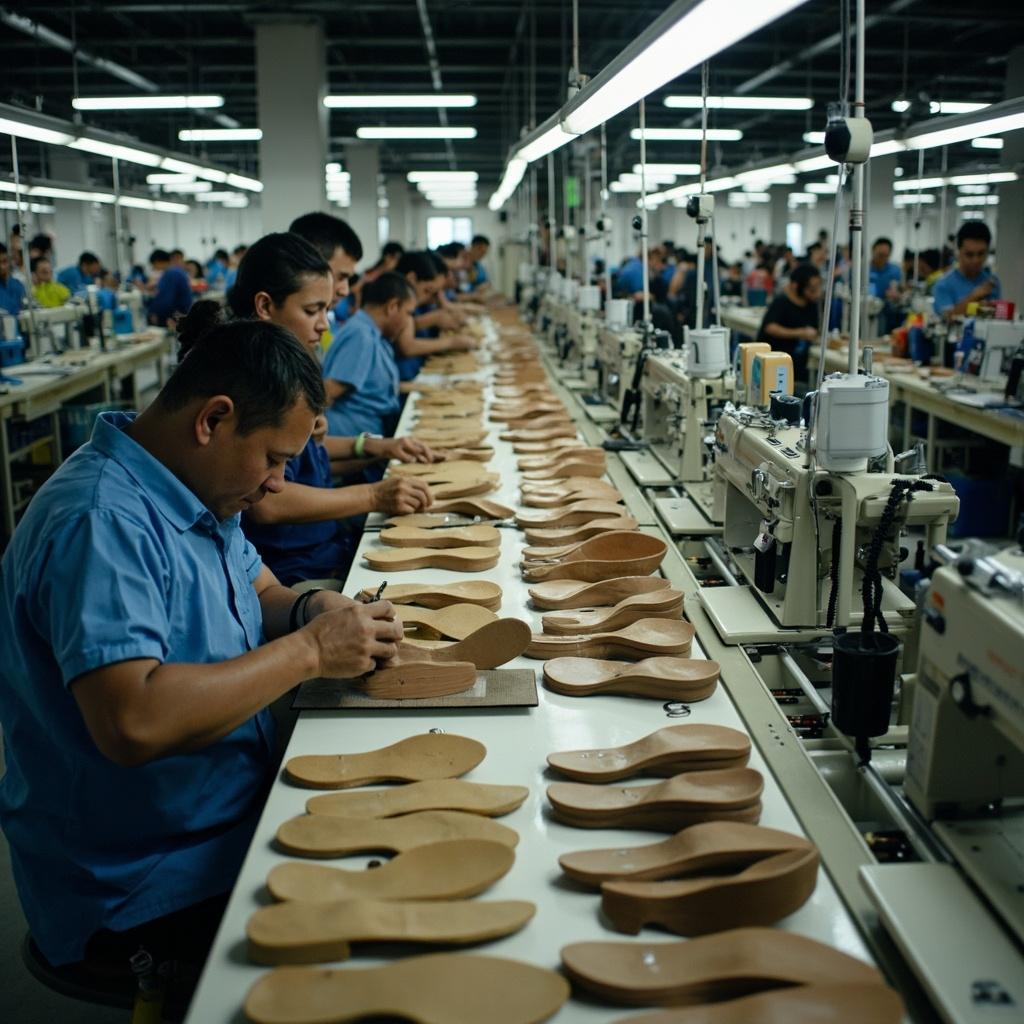
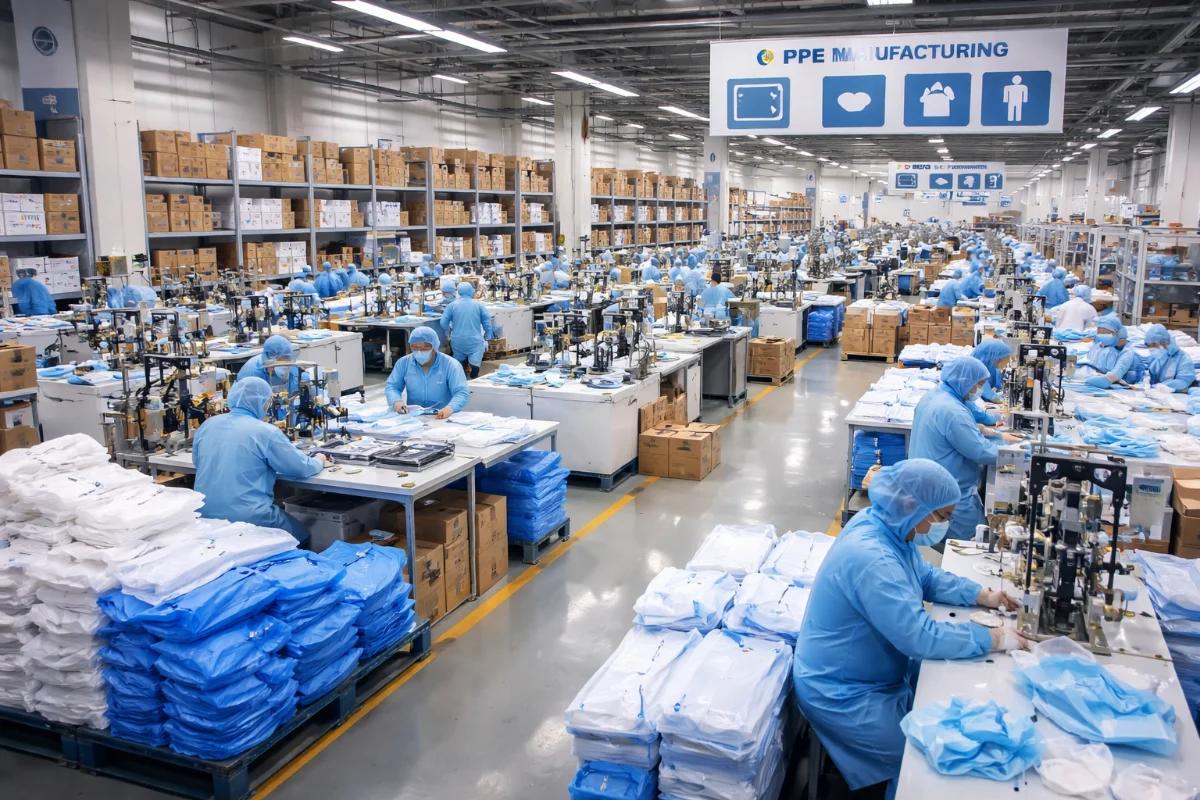
它们构成了生态系统的关键层级。国际品牌(如Carter's、Nike Kids)设定全球趋势,利用强大的品牌资产,通常定价较高。国内品牌(如中国的巴拉巴拉)在深入了解本地市场、快速适应、广泛分销网络和主导本土市场份额方面表现出色。制造商品牌(如好孩子)是产业支柱,推动功能性面料和安全技术的创新。它们通常既作为其他品牌的关键供应商(OEM/ODM),也作为具有竞争力的消费品牌,尤其是在婴儿护理等专业领域。
They form the ecosystem’s key layers. International Brands (e.g., Carter’s, Nike Kids) set global trends, leverage strong brand equity, and often command premium pricing. Domestic Brands (e.g., Balabala in China) excel in deep local market understanding, rapid adaptation, extensive distribution networks, and dominating market share in their home regions. Manufacturer Brands (e.g., Goodbaby) are the industrial backbone, driving innovation in functional fabrics and safety technology. They often operate both as key suppliers (OEM\/ODM) to other brands and as competitive consumer brands themselves, especially in specialized segments like infant care.
几个关键趋势正在重塑格局:1. 高端化与功能性:父母越来越多地投资于高质量、技术性服装(UPF 50+、温度调节、驱虫)。2. 可持续性:对有机棉、回收材料和道德生产的需求正在上升。3. “迷你版我”与场合着装:家庭搭配服装和特殊场合着装(生日、节日)是增长热点。4. 安全与智能技术:在安全背心中集成GPS或在校服中集成RFID等智能功能正在兴起。5. 渠道整合:无缝的线上线下体验和社交商务(通过TikTok/抖音等平台)对用户互动至关重要。
Several key trends are reshaping the landscape: 1. Premiumization & Functionality: Parents increasingly invest in high-quality, technical apparel (UPF 50+, temperature-regulating, insect-repellent). 2. Sustainability: Demand for organic cotton, recycled materials, and ethical production is rising. 3. “Mini-Me” & Occasion Wear: Matching family outfits and specialized occasion wear (birthdays, festivals) are growth hotspots. 4. Safety & Smart Tech: Integration of smart features like GPS in safety vests or RFID in school uniforms is emerging. 5. Channel Integration: Seamless online-to-offline experiences and social commerce (via platforms like TikTok\/Douyin) are crucial for engagement.
除了款式和价格,应优先考虑:1. 安全与认证:寻找来自信誉品牌、符合严格安全标准(如Oeko-Tex Standard 100、无窒息危险)的产品。2. 材料与舒适度:天然、透气的面料如优质棉对敏感肌肤至关重要。检查柔软的接缝和无刺激的标签。3. 合身与功能性:服装应允许自由活动,并适合活动/天气(如运动用快干面料、冬季保暖层)。4. 易于护理:可机洗和耐用的面料适合日常使用。始终在美观与儿童福祉的基本方面之间取得平衡。
Beyond style and price, priority should be given to: 1. Safety & Certifications: Look for products meeting strict safety standards (e.g., Oeko-Tex Standard 100, no choking hazards) from reputable brands. 2. Material & Comfort: Natural, breathable fabrics like high-grade cotton are essential for sensitive skin. Check for soft seams and non-irritating tags. 3. Fit & Functionality: Clothing should allow free movement and be appropriate for the activity\/weather (e.g., quick-dry for sports, warm layers for winter). 4. Ease of Care: Machine-washable and durable fabrics are practical for daily use. Always balance aesthetics with these fundamental aspects of child well-being.