在维瑞评级,我们的排名方法建立在数据之上,而非观点。我们汇总并交叉验证来自多个权威第三方来源的信息,以产生尽可能客观的行业排名。
1. 数据来源——多源交叉验证
我们的主要数据来自四大支柱:
• 国家统计机构:我们收集主要经济体政府统计局的宏观行业数据,包括美国经济分析局、欧盟统计局、中国国家统计局和日本经济产业省。这些数据提供了关于产量、贸易流和行业收入的经过验证的数据。
• 大学附属研究机构:我们纳入来自顶尖学术机构的同行评审研究和行业报告,如麻省理工学院供应链管理项目、苏黎世联邦理工学院、清华大学经济管理学院和伦敦政治经济学院。这些为我们提供了对技术趋势、材料创新和市场动态的深入见解。
• AI驱动的全球消费者情绪分析:我们部署自然语言处理算法,分析超过40种语言平台上数百万条消费者评论、社交媒体帖子、论坛讨论和专业买家反馈。这捕捉了传统调查遗漏的实时市场感知。
• 上市公司财务报告:对于上市公司,我们分析SEC文件、年度报告、财报电话会议记录和ESG披露。这为我们提供了经过验证的收入数据、研发支出、利润率和可持续发展承诺。
2. 四维评分模型
每家公司按四个等权重维度进行评估:
• 市场影响力(25%):全球市场份额、收入规模、分销网络广度、服务国家数量以及同比增长率。
• 品牌声誉(25%):消费者满意度评分、专业买家评级、行业奖项和认证、媒体情绪分析以及品牌认知度调查。
• 创新与研发(25%):有效专利数量、研发投入占收入百分比、新产品发布频率、技术合作伙伴关系以及对行业标准的贡献。
• 可持续发展与道德(25%):环境认证(ISO 14001、LEED等)、碳足迹减排目标、劳工实践和公平贸易合规、供应链透明度以及企业社会责任倡议。
3. 我们对独立性的承诺
我们不接受排名付款。任何公司都不能通过付费来提升其排名或被纳入我们的排名。我们的研究团队独立于商业运营运作。排名每季度更新,以反映最新可用数据。
免责声明:本排名中的数据来自第三方权威来源,包括国家统计机构、大学附属研究机构、AI驱动的全球消费者情绪分析和上市公司财务报告。排名结果基于多维算法模型,仅供参考和市场决策支持,不构成直接的投资建议或品牌背书。
At Verity Rank, our ranking methodology is built on data, not opinions. We aggregate and cross-validate information from multiple authoritative third-party sources to produce the most objective industry ranking possible.
1. Data Sources — Multi-Source Cross-Verification
Our primary data comes from four pillars:
• National Statistical Agencies: We collect macro-level industry data from government statistical bureaus across major economies, including the U.S. Bureau of Economic Analysis, Eurostat, China''s National Bureau of Statistics, and Japan''s Ministry of Economy, Trade and Industry. These provide verified data on production volumes, trade flows, and industry revenues.
• University-Affiliated Research Institutions: We incorporate peer-reviewed studies and industry reports from leading academic institutions such as MIT''s Supply Chain Management Program, ETH Zurich, Tsinghua University''s School of Economics and Management, and the London School of Economics. These give us deep insights into technology trends, material innovations, and market dynamics.
• AI-Driven Global Consumer Sentiment Analysis: We deploy natural language processing algorithms to analyze millions of consumer reviews, social media posts, forum discussions, and professional buyer feedback across platforms in over 40 languages. This captures real-time market perception that traditional surveys miss.
• Publicly Listed Company Financial Reports: For publicly traded companies, we analyze SEC filings, annual reports, earnings call transcripts, and ESG disclosures. This gives us verified revenue data, R&D spending, profit margins, and sustainability commitments.
2. The Four-Dimensional Scoring Model
Each company is evaluated across four equally weighted dimensions:
• Market Influence (25%): Global market share, revenue scale, distribution network breadth, number of countries served, and year-over-year growth rate.
• Brand Reputation (25%): Consumer satisfaction scores, professional buyer ratings, industry awards and certifications, media sentiment analysis, and brand recognition surveys.
• Innovation & R&D (25%): Number of active patents, R&D investment as percentage of revenue, new product launch frequency, technology partnerships, and contributions to industry standards.
• Sustainability & Ethics (25%): Environmental certifications (ISO 14001, LEED, etc.), carbon footprint reduction targets, labor practices and fair trade compliance, supply chain transparency, and corporate social responsibility initiatives.
3. Our Commitment to Independence
We do not accept payment for rankings. No company can pay to improve its position or to be included in our rankings. Our research team operates independently from our commercial operations. Rankings are updated quarterly to reflect the latest available data.
Disclaimer: The data in this ranking is compiled from third-party authoritative sources, including national statistical agencies, university-affiliated research institutions, AI-driven global consumer sentiment analysis, and publicly listed company financial reports. The ranking results are based on a multi-dimensional algorithm model and are intended for reference and market decision support only. They do not constitute direct investment advice or brand endorsement.
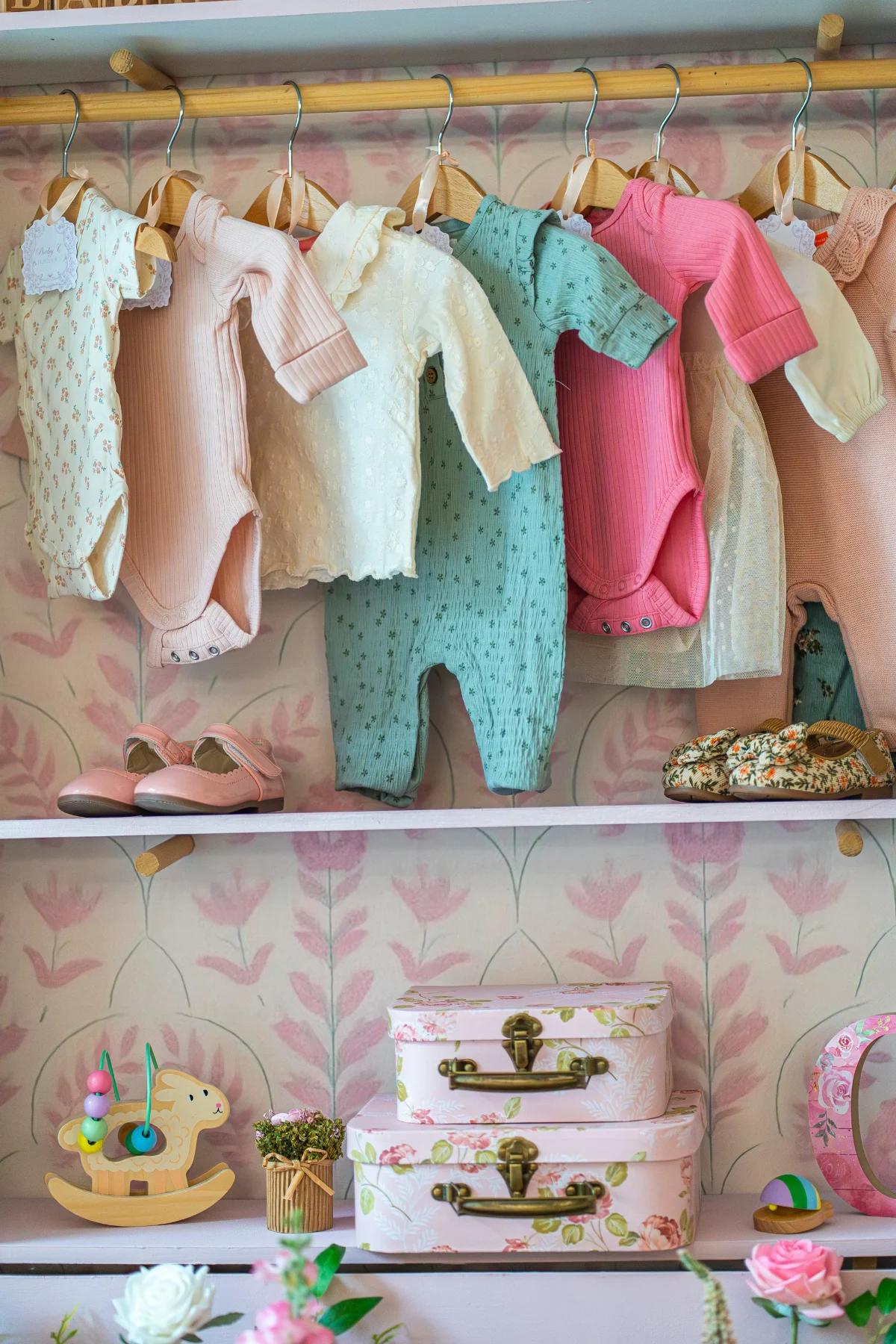
纺织服装业是世界上最古老、规模最大的制造业之一,涵盖从原材料纤维生产到成品时装的所有环节。其全球市场价值超过2.5万亿美元,直接雇佣超过7500万人(间接雇佣数亿人),是全球经济的基石,也是发展中国家实现工业化的重要途径。
行业结构:从纤维到时尚
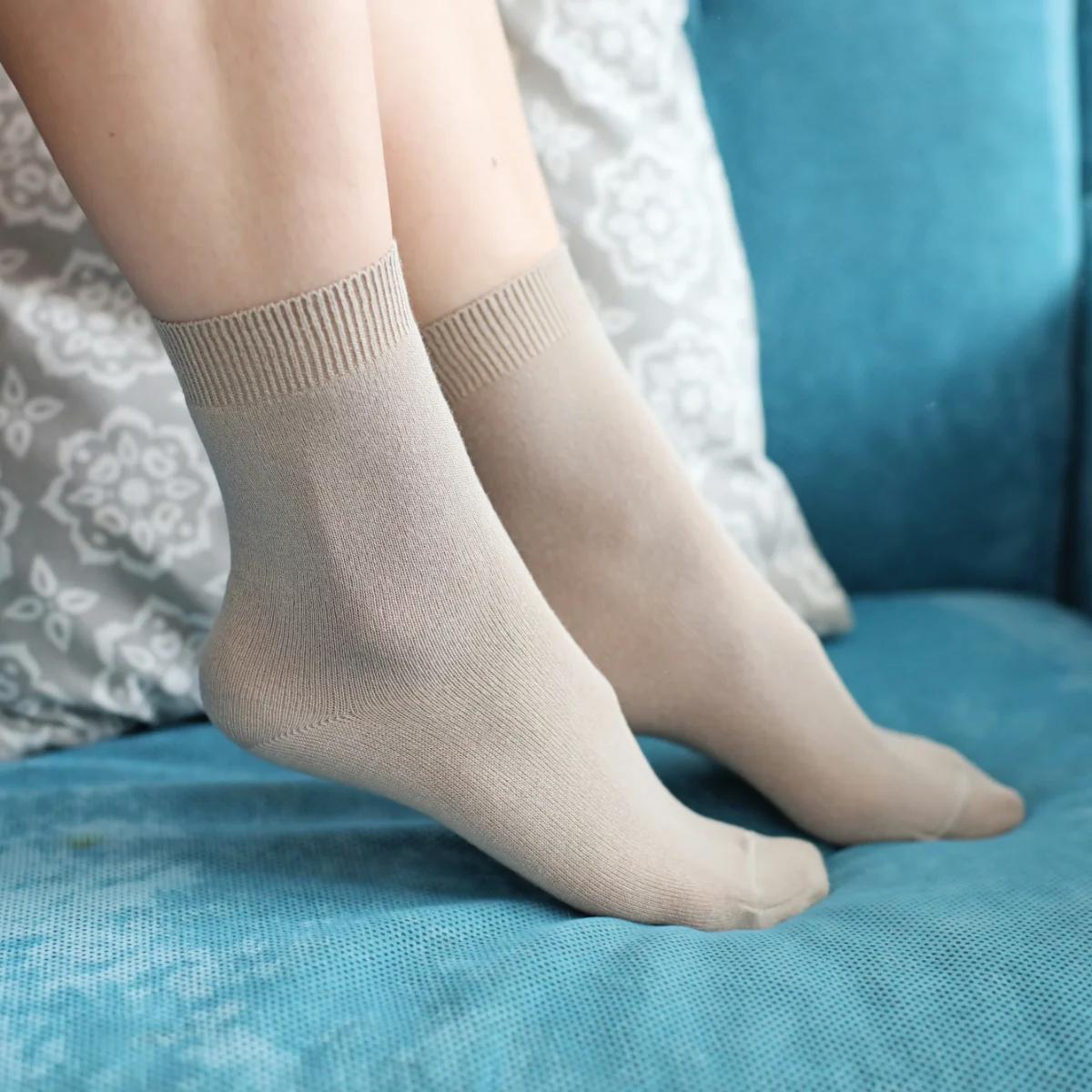
• 纤维生产:行业始于原材料——天然纤维(棉花、羊毛、丝绸、亚麻、大麻)通过种植或收获获得,合成纤维(涤纶、锦纶、腈纶、氨纶)通过化学工艺生产。再生纤维素纤维如粘胶、莱赛尔(TENCEL™)和莫代尔代表了一个日益增长的中端领域,通过化学加工从木浆中提取。
• 纱线和面料制造:纤维纺成纱线,然后通过机织、针织或非织造工艺制成面料。这一阶段包括纺织厂,进行纺纱、织造、针织、染色、印花和后整理。先进的工厂现在提供功能性整理——防水、防紫外线、抗菌、阻燃和免烫处理。
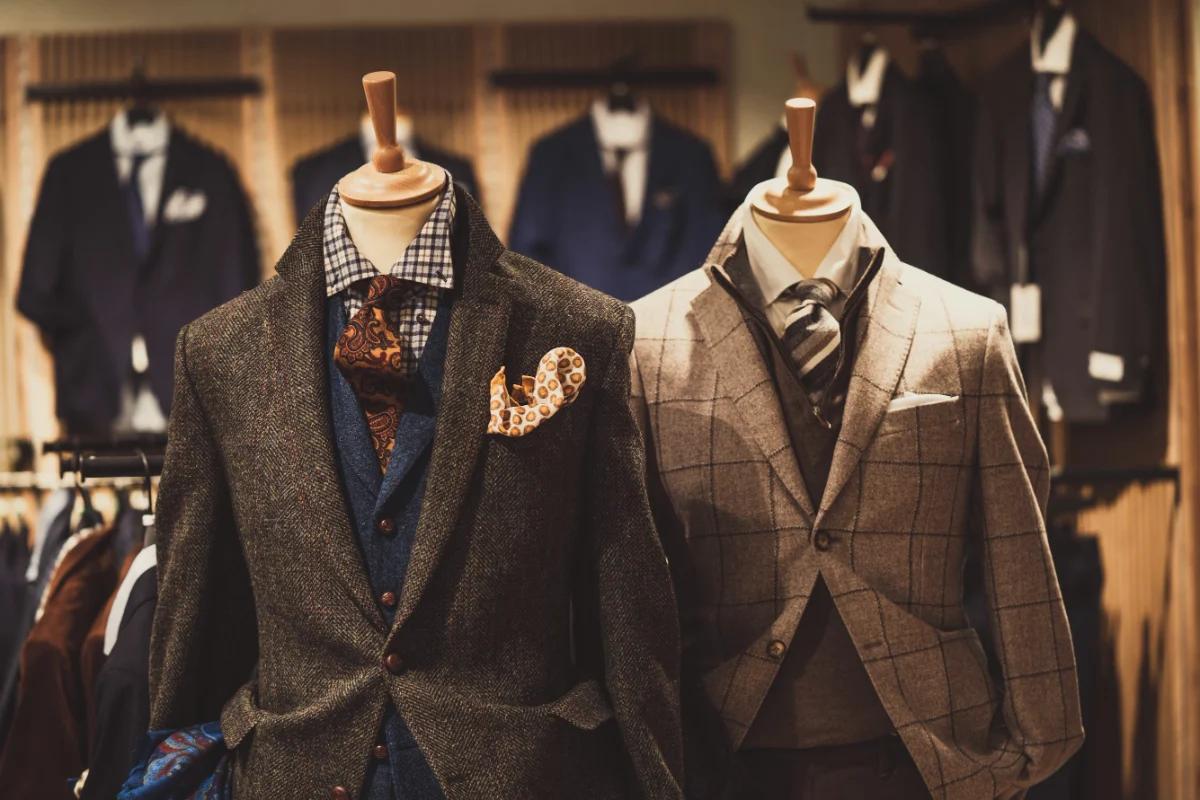
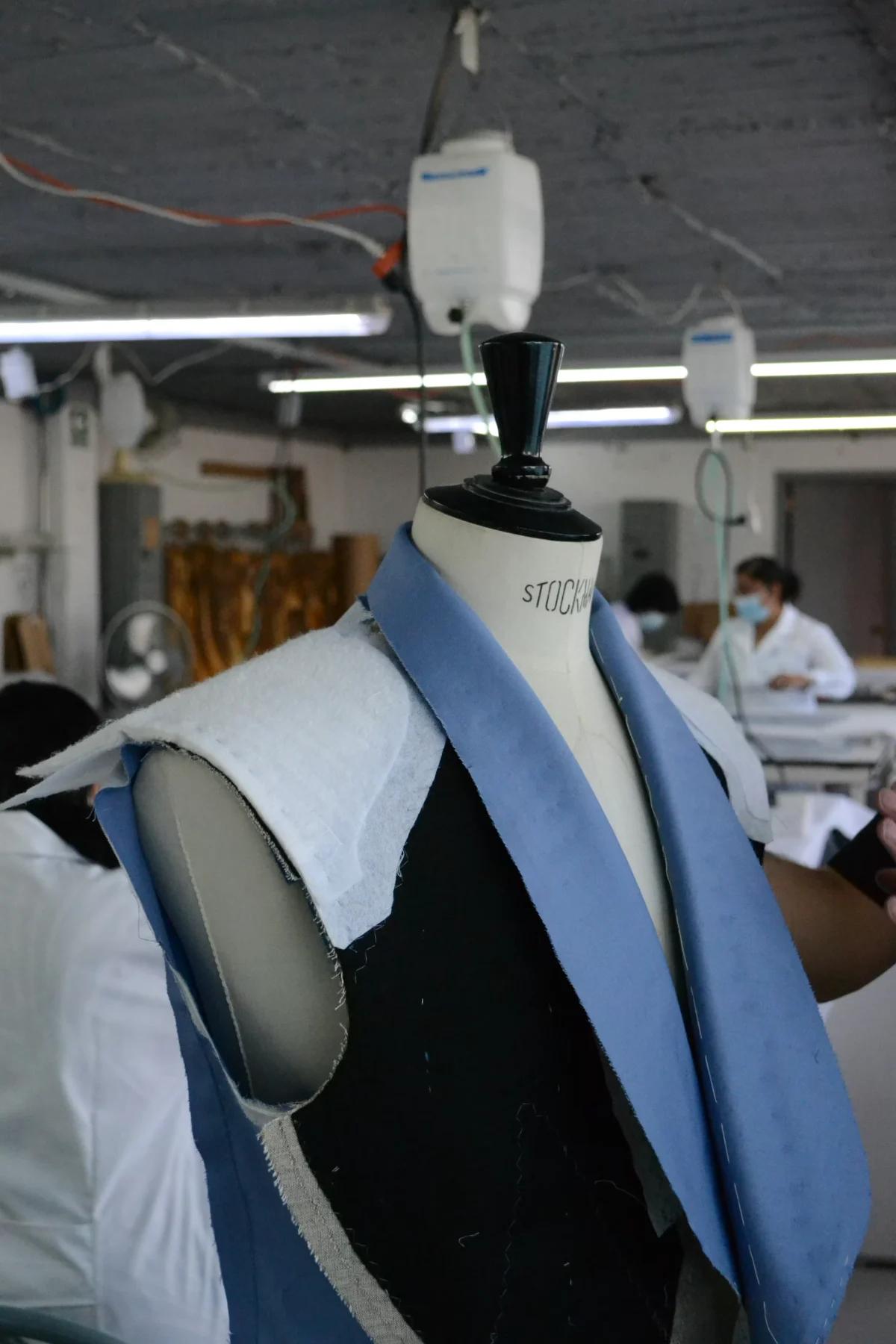
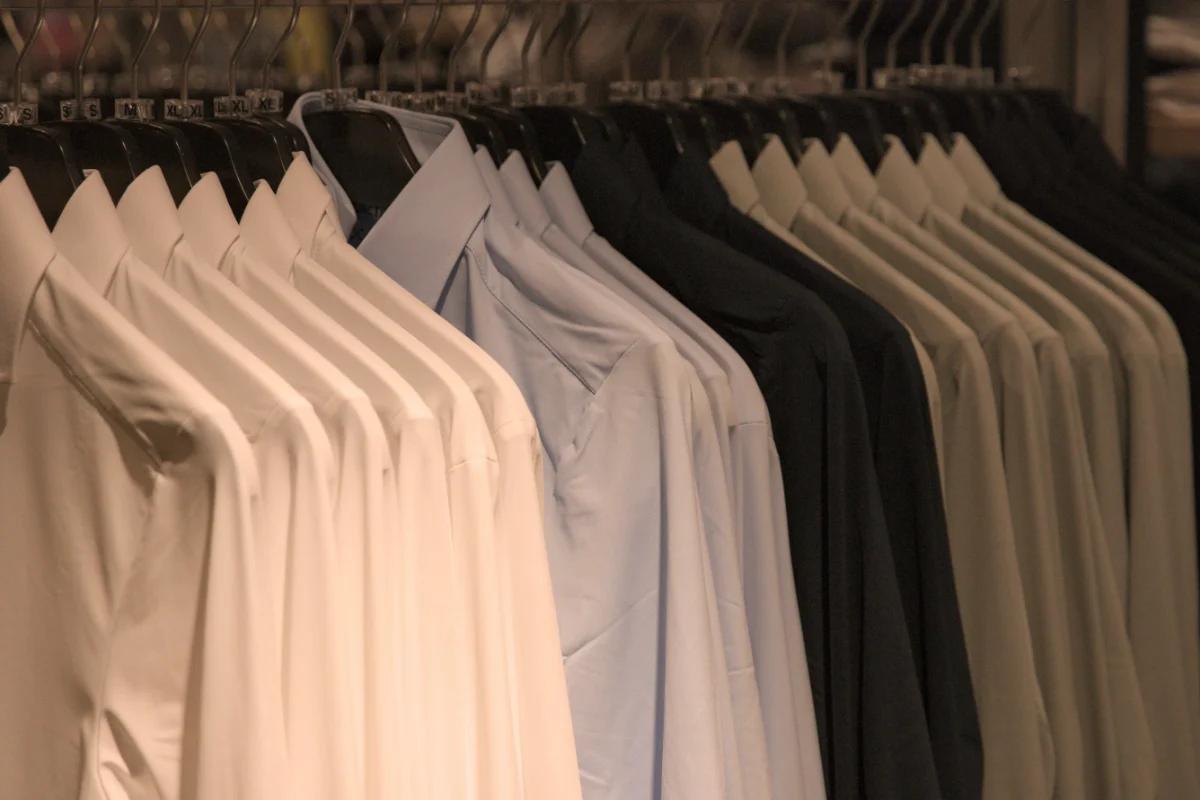
• 服装制造:裁剪-缝制-整烫(CMT)过程将面料转化为服装。这包括打版、裁剪、缝纫、装饰和质量控制。服装制造范围从大规模生产(基本T恤、制服)到高技能工艺(定制西装、高级定制时装)。
• 技术与产业用纺织品:一个快速增长的领域,生产用于非服装应用的纺织品——汽车内饰、医用纺织品(手术服、植入物)、土工布(侵蚀控制、道路建设)、防护服(消防员装备、防弹背心)和农用纺织品。
• 家用纺织品:床上用品、毛巾、窗帘、家具面料、地毯以及其他用于住宅和商业室内装饰的纺织产品。
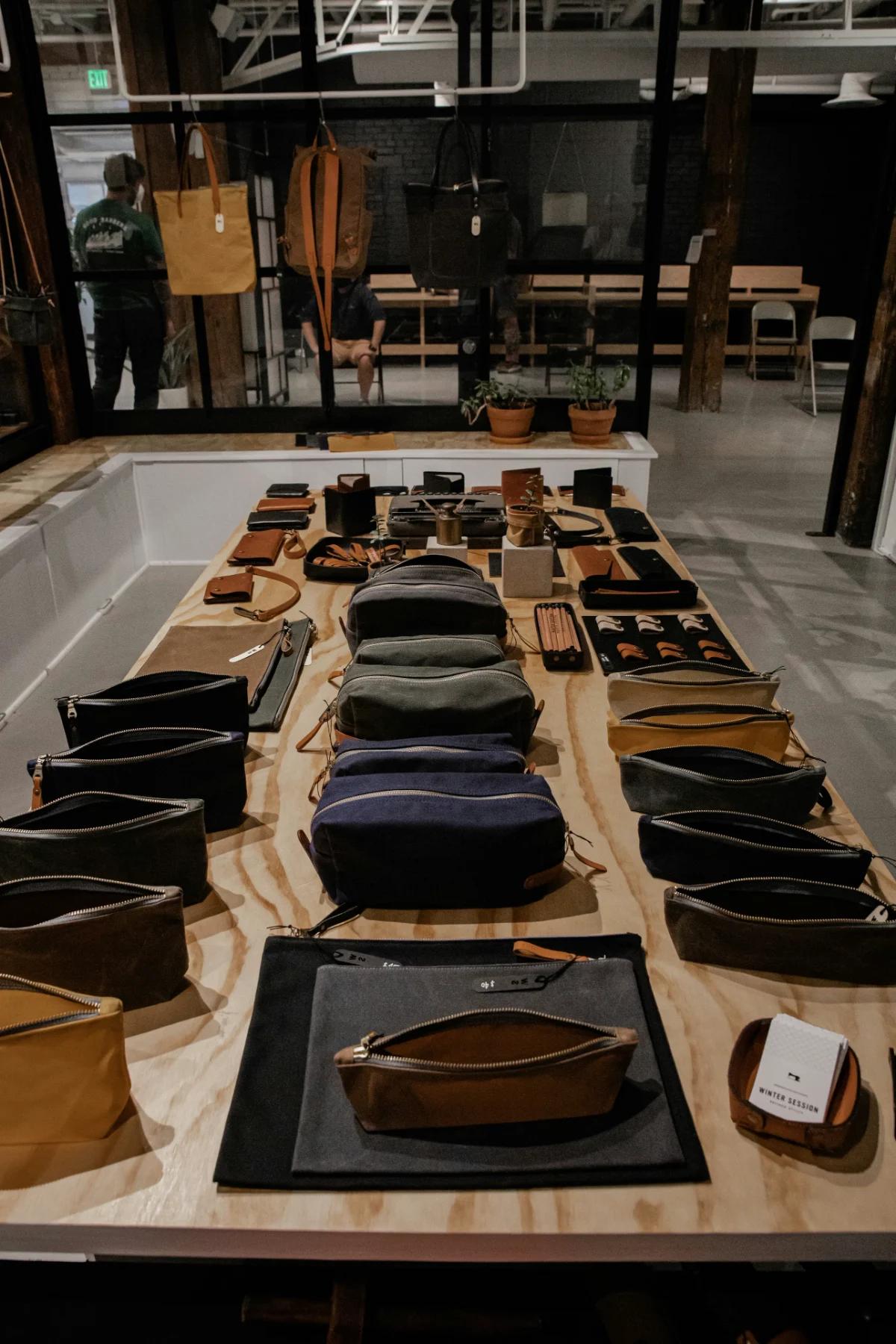
• 时尚配饰:包袋、腰带、围巾、帽子、手套和其他基于纺织品的配饰。
关键行业动态
纺织服装业的特点是长而分散的供应链,通常跨越多个国家——印度种植的棉花可能在越南纺纱,在中国织造,在孟加拉国裁剪和缝制,然后在欧洲百货商店销售。这种复杂性既创造了机遇(成本优化),也带来了挑战(供应链可见性、合规性、碳足迹)。该行业也在经历深刻的可持续转型,由消费者意识、监管压力(欧盟可持续和循环纺织品战略)以及企业对循环经济原则的承诺驱动。从无水染色技术到服装到服装回收,该行业正在为资源受限的未来重塑自身。
The textile and apparel industry is one of the world''s oldest and largest manufacturing sectors, encompassing everything from raw fiber production to finished fashion garments. With a global market value exceeding $2.5 trillion and employing over 75 million people directly (and hundreds of millions more indirectly), it is a cornerstone of the global economy and a critical pathway to industrialization for developing nations.
Industry Structure: From Fiber to Fashion
• Fiber Production: The industry begins with raw materials — natural fibers (cotton, wool, silk, linen, hemp) grown or harvested, and synthetic fibers (polyester, nylon, acrylic, spandex) produced through chemical processes. Regenerated cellulosic fibers like viscose, lyocell (TENCEL™), and modal represent a growing middle ground, derived from wood pulp through chemical processing.
• Yarn & Fabric Manufacturing: Fibers are spun into yarns, which are then woven, knitted, or non-woven into fabrics. This stage includes textile mills that perform spinning, weaving, knitting, dyeing, printing, and finishing. Advanced mills now offer functional finishes — water repellency, UV protection, antimicrobial properties, flame resistance, and wrinkle-free treatments.
• Apparel Manufacturing: The cut-make-trim (CMT) process transforms fabric into garments. This includes pattern making, cutting, sewing, embellishment, and quality control. Apparel manufacturing ranges from mass production (basic t-shirts, uniforms) to highly skilled craftsmanship (tailored suits, haute couture).
• Technical & Industrial Textiles: A fast-growing segment producing textiles for non-clothing applications — automotive interiors, medical textiles (surgical gowns, implants), geotextiles (erosion control, road construction), protective clothing (firefighter gear, bulletproof vests), and agricultural textiles.
• Home Textiles: Bedding, towels, curtains, upholstery, carpets, and other textile products for residential and commercial interiors.
• Fashion Accessories: Bags, belts, scarves, hats, gloves, and other textile-based accessories.
Key Industry Dynamics
The textile and apparel industry is characterized by long, fragmented supply chains that often span multiple countries — cotton grown in India might be spun in Vietnam, woven in China, cut and sewn in Bangladesh, and sold in a European department store. This complexity creates both opportunities (cost optimization) and challenges (supply chain visibility, compliance, carbon footprint). The industry is also undergoing a profound sustainability transformation, driven by consumer awareness, regulatory pressure (EU Strategy for Sustainable and Circular Textiles), and corporate commitments to circular economy principles. From waterless dyeing technologies to garment-to-garment recycling, the industry is reinventing itself for a resource-constrained future.
纺织服装业正经历材料科学、数字技术和可持续制造实践的融合变革。理解这些驱动因素对于评估该领域的品牌或制造商至关重要。
1. 先进纤维技术
时尚的原材料正在快速演变。再生涤纶(rPET),由消费后塑料瓶制成,目前约占全球涤纶产量的15%,被从巴塔哥尼亚到H&M的品牌使用。生物基合成纤维——从玉米淀粉(PLA)、蓖麻油(生物尼龙)和甘蔗(生物聚乙烯)中提取的纤维——与石油基替代品相比,碳足迹更低。下一代纤维素纤维如TENCEL™莱赛尔和LENZING™ ECOVERO™采用闭环生产工艺,回收并重复使用99%的溶剂。高性能纤维融入石墨烯、相变材料(PCM)和导电纱线,使智能纺织品能够调节温度、监测生物特征甚至产生能量。
2. 数字制造与工业4.0
纺织服装制造正在经历数字革命。3D针织(由岛精机制和斯托尔等公司开创)直接从纱线生产完整服装,消除了裁剪浪费并减少了劳动力。数字纺织品印花取代传统丝网印花,用水量减少高达95%,并实现按需生产,零最小起订量。自动裁剪系统使用激光、超声波或计算机控制刀片优化面料利用率并减少浪费。AI驱动的质量检测系统使用计算机视觉检测面料瑕疵,准确率高于人工检验员。数字产品创建(DPC)使用3D设计软件(CLO、Browzwear)使品牌能够在生产实物样品之前虚拟创建和试穿服装,大幅缩短上市时间并减少样品浪费。
3. 可持续加工技术
传统纺织品加工耗水且化学品密集。新技术正在应对这些挑战:无水染色使用超临界CO₂(被耐克、阿迪达斯和DyeCoo采用)消除了水,并通过省去固色剂减少化学品使用。酶整理用生物酶替代苛刻的化学处理,用于牛仔布石洗、生物抛光面料和创造特殊效果。激光整理用于牛仔布,取代手工喷砂和高锰酸钾喷涂,提高工人安全同时实现精确、可重复的效果。闭环水系统在现代纺织厂中可回收高达95%的工艺用水。
4. 循环经济与回收
该行业正从线性的“取-制-弃”模式转向循环模式。机械回收将消费后服装粉碎回纤维——尽管纤维长度退化限制了回收循环次数。化学回收(由Worn Again、Infinited Fiber和伊士曼等公司开创)将纺织品分解到分子水平并重建为原始品质纤维,实现真正的无限回收。纺织品到纺织品回收基础设施正在快速扩展,欧盟规定到2025年单独收集纺织废物。可拆解设计——使用单一材料和可拆卸饰件制作服装——使报废回收在工业规模上可行。
The textile and apparel industry is being transformed by a convergence of material science, digital technology, and sustainable manufacturing practices. Understanding these drivers is essential for anyone evaluating brands or manufacturers in this space.
1. Advanced Fiber Technologies
The raw materials of fashion are evolving rapidly. Recycled polyester (rPET), made from post-consumer plastic bottles, now accounts for approximately 15% of global polyester production and is used by brands from Patagonia to H&M. Bio-based synthetics — fibers derived from corn starch (PLA), castor oil (bio-nylon), and sugarcane (bio-polyethylene) — offer reduced carbon footprints compared to petroleum-based alternatives. Next-generation cellulosics like TENCEL™ Lyocell and LENZING™ ECOVERO™ use closed-loop production processes that recover and reuse 99% of solvents. Performance fibers incorporating graphene, phase-change materials (PCMs), and conductive yarns are enabling smart textiles that regulate temperature, monitor biometrics, and even generate energy.
2. Digital Manufacturing & Industry 4.0
Textile and apparel manufacturing is undergoing a digital revolution. 3D knitting (pioneered by companies like Shima Seiki and Stoll) produces complete garments directly from yarn, eliminating cutting waste and reducing labor. Digital textile printing replaces traditional screen printing, reducing water usage by up to 95% and enabling on-demand production with zero minimum order quantities. Automated cutting systems using laser, ultrasonic, or computer-controlled blades optimize fabric utilization and reduce waste. AI-powered quality inspection systems use computer vision to detect fabric defects with greater accuracy than human inspectors. Digital product creation (DPC) using 3D design software (CLO, Browzwear) allows brands to create and fit garments virtually before producing physical samples, dramatically reducing time-to-market and sample waste.
3. Sustainable Processing Technologies
Traditional textile processing is water and chemical intensive. New technologies are addressing these challenges: Waterless dyeing using supercritical CO₂ (adopted by Nike, Adidas, and DyeCoo) eliminates water and reduces chemical use by eliminating the need for dye-fixing agents. Enzymatic finishing replaces harsh chemical treatments with biological enzymes for stone-washing denim, bio-polishing fabrics, and creating specialty effects. Laser finishing for denim replaces manual sandblasting and potassium permanganate spraying, improving worker safety while achieving precise, repeatable effects. Closed-loop water systems in modern textile mills recycle up to 95% of process water.
4. Circular Economy & Recycling
The industry is moving from linear "take-make-dispose" to circular models. Mechanical recycling shreds post-consumer garments back into fibers — though fiber length degradation limits the number of recycling cycles. Chemical recycling (pioneered by companies like Worn Again, Infinited Fiber, and Eastman) breaks textiles down to the molecular level and rebuilds them into virgin-quality fibers, enabling true infinite recycling. Textile-to-textile recycling infrastructure is scaling rapidly, with the EU mandating separate textile waste collection by 2025. Design for disassembly — creating garments with mono-materials and removable trims — makes end-of-life recycling feasible at industrial scale.
采购纺织服装产品——无论你是时尚品牌、企业制服买家还是家用纺织品零售商——都需要评估成本、质量、合规和关系因素的复杂网络。最低单价很少转化为最低总成本。
1. 工厂能力与专业化
并非所有工厂都一样。评估:
• 产品品类专业化:生产牛仔牛仔裤的工厂可能不擅长定制西装外套。寻找核心能力与你的产品品类匹配的制造商——针织服装、梭织服装、牛仔、外套、内衣或运动服各自需要不同的设备和专业知识。
• 生产技术水平:工厂是否使用自动裁剪、数字印花或3D针织?还是主要依靠手工?技术水平影响一致性、产能和速度。
• 垂直整合:一些制造商控制从面料生产到成品服装的整个过程,提供更好的质量控制和更短的交货时间。其他是纯粹的CMT(裁剪-缝制-整烫)运营。
• 最小起订量(MOQ):高端制造商每款可能100件起订,大众市场工厂则可能10000件以上。MOQ匹配对库存管理至关重要。
2. 质量管理体系
评估工厂的质量基础设施:
• 质量控制检查点:有多少检验阶段?在线检验(生产过程中)远比仅最终检验有效。
• 测试能力:工厂是否有内部面料测试实验室(色牢度、缩水率、拉伸强度、起球)?他们是否使用认可的第三方实验室(SGS、Intertek、必维)?
• AQL标准:他们保证的可接受质量水平是多少?2.5是服装标准;1.5或1.0用于高端产品。
• 样品开发流程:多少轮打样?从技术包到确认样品的典型交期是多少?
3. 合规与道德标准
这日益成为市场准入要求,而非可选:
• 社会责任审核:寻找SMETA(Sedex)、BSCI、SA8000、WRAP或Better Work认证。核实审核日期和任何纠正行动计划。
• 环境合规:OEKO-TEX® STANDARD 100、GOTS(有机纺织品)、GRS(回收含量)、bluesign®、ZDHC(零排放危险化学品)——这些认证展示了环境责任。
• 化学品合规:确保产品满足REACH(欧盟)、CPSIA(美国)和加州65号提案对受限物质的要求。
• 强迫劳动预防:随着立法增加(美国UFLPA、欧盟尽职调查指令),验证供应链无强迫劳动,特别是来自高风险地区的棉花和其他原材料。
4. 成本结构与总到岸成本
超越FOB价格:
• 总到岸成本 = FOB + 运费 + 保险 + 关税 + 报关费 + 仓储 + 质量控制 + 差旅/审计成本。
• 关税优化:了解自由贸易协定和优惠关税计划(GSP、AGOA、除武器外一切),这些可能根据原产国减少或取消关税。
• 付款条件:信用证(L/C)提供安全性但增加成本和复杂性。记账交易需要信任但降低交易成本。
• 货币风险:许多亚洲制造商以美元定价,但当地货币波动可能影响其成本结构和谈判意愿。
5. 关系与沟通
最好的工厂合作伙伴关系建立在透明和相互投资之上:
• 沟通能力:工厂是否有英语跟单员?他们使用专业沟通工具还是仅用WhatsApp?
• 设计与开发支持:他们能否建议替代材料、构造方法或成本节约措施?
• 问题解决记录:他们如何处理质量问题或延误?主动沟通问题的工厂比隐瞒问题的更有价值。
• 长期导向:愿意投资专用生产线、联合研发或联合品牌可持续发展倡议的工厂表明对战略伙伴关系的承诺,而非交易关系。
Sourcing textile and apparel products — whether you''re a fashion brand, a corporate uniform buyer, or a home textile retailer — requires evaluating a complex web of cost, quality, compliance, and relationship factors. The lowest unit price rarely translates to the lowest total cost.
1. Factory Capabilities & Specialization
Not all factories are equal. Evaluate:
• Product category specialization: A factory that produces denim jeans may not excel at tailored blazers. Look for manufacturers whose core competency matches your product category — knitwear, woven garments, denim, outerwear, intimate apparel, or sportswear each require distinct equipment and expertise.
• Production technology level: Does the factory use automated cutting, digital printing, or 3D knitting? Or is it primarily manual? Technology level impacts consistency, capacity, and speed.
• Vertical integration: Some manufacturers control the entire process from fabric production to finished garments, offering better quality control and shorter lead times. Others are pure CMT (cut-make-trim) operations.
• Minimum Order Quantities (MOQ): Can range from 100 pieces per style for high-end manufacturers to 10,000+ pieces for mass-market factories. MOQ alignment is critical for inventory management.
2. Quality Management Systems
Assess the factory''s quality infrastructure:
• Quality control checkpoints: How many inspection stages? In-line inspection (during production) is far more effective than final inspection only.
• Testing capabilities: Does the factory have in-house fabric testing labs (colorfastness, shrinkage, tensile strength, pilling)? Do they use accredited third-party labs (SGS, Intertek, Bureau Veritas)?
• AQL standards: What Acceptable Quality Level do they guarantee? 2.5 is standard for apparel; 1.5 or 1.0 for premium products.
• Sample development process: How many sampling rounds? What''s the typical lead time from tech pack to approval sample?
3. Compliance & Ethical Standards
This is increasingly a market-access requirement, not optional:
• Social compliance audits: Look for SMETA (Sedex), BSCI, SA8000, WRAP, or Better Work certifications. Verify audit dates and any corrective action plans.
• Environmental compliance: OEKO-TEX® STANDARD 100, GOTS (organic textiles), GRS (recycled content), bluesign®, ZDHC (zero discharge of hazardous chemicals) — these certifications demonstrate environmental responsibility.
• Chemical compliance: Ensure products meet REACH (EU), CPSIA (US), and Proposition 65 (California) requirements for restricted substances.
• Forced labor prevention: With increasing legislation (UFLPA in the US, EU Due Diligence Directive), verify that supply chains are free from forced labor, particularly for cotton and other raw materials from high-risk regions.
4. Cost Structure & Total Landed Cost
Look beyond FOB price:
• Total landed cost = FOB + freight + insurance + duties + customs brokerage + warehousing + quality control + travel/audit costs.
• Duty optimization: Understand free trade agreements and preferential tariff programs (GSP, AGOA, Everything But Arms) that may reduce or eliminate duties based on country of origin.
• Payment terms: Letter of credit (L/C) provides security but adds cost and complexity. Open account terms require trust but reduce transaction costs.
• Currency risk: Many Asian manufacturers price in USD, but local currency movements can affect their cost structure and willingness to negotiate.
5. Relationship & Communication
The best factory partnerships are built on transparency and mutual investment:
• Communication capability: Does the factory have English-speaking merchandisers? Do they use professional communication tools or just WhatsApp?
• Design & development support: Can they suggest alternative materials, construction methods, or cost-saving measures?
• Problem-solving track record: How do they handle quality issues or delays? A factory that proactively communicates problems is worth more than one that hides them.
• Long-term orientation: Factories willing to invest in dedicated production lines, joint R&D, or co-branded sustainability initiatives signal commitment to a strategic partnership rather than a transactional relationship.
过去三十年,纺织服装制造业的地理格局因劳动力成本差异、贸易政策、基础设施建设和消费市场变化而发生了巨大重塑。今天的制造格局是多层次的,不同国家在价值链的不同阶段专业化。
1. 中国——无可争议的巨头
尽管成本上升和贸易紧张,中国仍然是全球最大的纺织服装出口国,约占全球服装出口的33%,纺织品出口份额更高。中国的竞争优势已从纯粹的低成本劳动力转向无与伦比的制造生态系统深度:没有其他国家能像中国那样,在单个产业集群内集中如此多的纤维生产商、纺纱厂、织布厂、针织厂、染厂、印花厂、辅料供应商和物流基础设施。一个时尚品牌可以在广州、绍兴或宁波等城市50公里半径内采购服装的所有组件。主要制造中心包括:广东(牛仔、针织、快时尚)、浙江(合成面料、家用纺织品、电商供应)、江苏(羊毛、高端梭织、产业用纺织品)、福建(运动服、鞋类——安踏、特步、匹克所在地)、以及山东(棉纺织品、工业面料)。
2. 孟加拉国和越南——崛起中的挑战者
孟加拉国现在是全球第二大服装出口国,专注于基础针织品、梭织下装和牛仔,价格极具竞争力。成衣(RMG)部门占孟加拉国出口收入的80%以上。优势包括大规模生产能力、深厚的劳动力池以及不断改善的合规标准(超过200家LEED认证的绿色服装工厂)。越南将自己定位为更高质量的替代选择,吸引了来自韩国、台湾和日本的大量外国直接投资。越南在合成和运动服装、鞋类和户外装备方面表现出色,为耐克、阿迪达斯、优衣库和露露乐蒙等主要品牌供货。越南参与的自由贸易协定(CPTPP、EVFTA)提供了孟加拉国缺乏的优惠市场准入。
3. 印度——全栈式纺织强国
印度独特之处在于拥有完整的纺织价值链——它是全球最大的棉花生产国,拥有庞大的纺纱能力,并在手工艺/传统和现代工业制造方面均保持优势。印度的服装出口在增长,但由于基础设施挑战、复杂的劳动法和分散的工厂结构,仍低于潜力。主要优势包括棉纺织品、家用纺织品(毛巾、床单)、刺绣和装饰以及民族服装。政府的生产挂钩激励计划(PLI)针对纺织品,旨在推动对化纤(MMF)服装和产业用纺织品的投资。
4. 土耳其与近岸外包优势
土耳其已成为欧洲品牌寻求更短交货时间和更低碳足迹的关键近岸外包中心。土耳其制造商在针织品、牛仔、定制服装和高级时装方面表现出色,将欧洲质量标准与比亚洲竞争对手更快的交付相结合。土耳其与欧盟的关税同盟为许多纺织品提供了免关税准入。伊斯坦布尔、代尼兹利和加济安泰普等城市拥有密集的纺织集群,具有垂直整合的运营。
5. 新兴参与者——柬埔寨、缅甸、埃塞俄比亚和中美洲
• 柬埔寨:不断增长的服装出口国,受益于欧盟“除武器外一切”(EBA)优惠和改善的劳工标准,但目前正接受EBA部分撤销审查。
• 缅甸:在2021年政治危机前曾是快速增长的采购目的地;许多品牌此后暂停或减少了订单。
• 埃塞俄比亚:非洲最具雄心的纺织品制造项目,中国和土耳其投资者建设工业园区。优势包括对美国(AGOA)和欧盟市场的免关税准入、低电价和年轻劳动力。然而,政治不稳定和物流挑战依然存在。
• 中美洲(危地马拉、洪都拉斯、萨尔瓦多、尼加拉瓜):美国市场在CAFTA-DR下的关键近岸外包区域,专注于基本针织上衣、内衣和运动服,交货时间短(到美国零售商2-4周)。
对买家的战略启示
最优采购策略日益成为中国+1或多元��组合方式。没有哪个单一国家能满足所有产品品类、价格点和交付要求。领先品牌现在在3-6个国家维持供应商基础,平衡成本、速度、质量、合规和地缘政治风险。
The geography of textile and apparel manufacturing has been reshaped dramatically over the past three decades, driven by labor cost differentials, trade policy, infrastructure development, and shifting consumer markets. Today''s manufacturing landscape is multilayered, with different countries specializing at different stages of the value chain.
1. China — The Undisputed Giant
Despite rising costs and trade tensions, China remains the world''s largest textile and apparel exporter, accounting for approximately 33% of global apparel exports and an even larger share of textile exports. China''s competitive advantage has shifted from pure low-cost labor to unmatched manufacturing ecosystem depth: no other country can match China''s concentration of fiber producers, spinner, weavers, knitters, dyers, printers, trim suppliers, and logistics infrastructure within single industrial clusters. A fashion brand can source every component of a garment within a 50km radius in cities like Guangzhou, Shaoxing, or Ningbo. Key manufacturing hubs include: Guangdong (denim, knitwear, fast fashion), Zhejiang (synthetic fabrics, home textiles, e-commerce supply), Jiangsu (wool, high-end wovens, technical textiles), Fujian (sportswear, footwear — home to Anta, Xtep, and Peak), and Shandong (cotton textiles, industrial fabrics).
2. Bangladesh & Vietnam — The Rising Challengers
Bangladesh is now the world''s second-largest apparel exporter, specializing in basic knitwear, woven bottoms, and denim at highly competitive prices. The ready-made garment (RMG) sector accounts for over 80% of Bangladesh''s export earnings. Strengths include large-scale production capacity, a deep labor pool, and improving compliance standards (over 200 LEED-certified green garment factories). Vietnam has positioned itself as a higher-quality alternative, with significant foreign direct investment from South Korea, Taiwan, and Japan. Vietnam excels in synthetic and performance apparel, footwear, and outdoor gear, supplying major brands like Nike, Adidas, Uniqlo, and Lululemon. Vietnam''s participation in free trade agreements (CPTPP, EVFTA) provides preferential market access that Bangladesh lacks.
3. India — The Full-Stack Textile Power
India is unique in having a complete textile value chain — it is the world''s largest cotton producer, has massive spinning capacity, and maintains strengths in both handloom/craft traditions and modern industrial manufacturing. India''s apparel exports are growing but remain below potential due to infrastructure challenges, complex labor laws, and fragmented factory structures. Key strengths include cotton textiles, home textiles (Towels, bed linen), embroidery and embellishment, and ethnic wear. The government''s Production Linked Incentive (PLI) scheme for textiles aims to boost investment in man-made fiber (MMF) apparel and technical textiles.
4. Turkey & the Near-Shoring Advantage
Turkey has emerged as a critical near-shoring hub for European brands seeking shorter lead times and lower carbon footprints. Turkish manufacturers excel in knitwear, denim, tailored clothing, and high-fashion garments, combining European quality standards with faster delivery than Asian competitors. Turkey''s customs union with the EU provides duty-free access for many textile products. Cities like Istanbul, Denizli, and Gaziantep host dense textile clusters with vertically integrated operations.
5. Emerging Players — Cambodia, Myanmar, Ethiopia, and Central America
• Cambodia: Growing apparel exporter benefiting from EU Everything But Arms (EBA) preferences and improving labor standards, though currently under EBA partial withdrawal review.
• Myanmar: Was a rapidly growing sourcing destination before the 2021 political crisis; many brands have since suspended or reduced orders.
• Ethiopia: Africa''s most ambitious textile manufacturing play, with Chinese and Turkish investors building industrial parks. Advantages include duty-free access to US (AGOA) and EU markets, low electricity costs, and a young workforce. However, political instability and logistics challenges persist.
• Central America (Guatemala, Honduras, El Salvador, Nicaragua): Key near-shoring region for the US market under CAFTA-DR, specializing in basic knit tops, underwear, and activewear with short lead times (2-4 weeks to US retailers).
Strategic Implications for Buyers
The optimal sourcing strategy is increasingly a China-Plus-One or diversified portfolio approach. No single country can serve all product categories, price points, and delivery requirements. Leading brands now maintain supplier bases across 3-6 countries, balancing cost, speed, quality, compliance, and geopolitical risk.