在维瑞评级,我们的排名方法基于数据,而非观点。我们汇总并交叉验证来自多个权威第三方来源的信息,以生成尽可能客观的行业排行榜。
1. 数据来源——多源交叉验证
我们的主要数据来自四大支柱:
• 国家统计机构:我们收集主要经济体政府统计局的宏观行业数据。
• 大学附属研究机构:我们纳入全球顶尖学术机构的同行评审研究和行业报告。
• AI驱动的全球消费者情绪分析:我们部署NLP算法,分析超过40种语言的数百万条消费者评论、社交媒体帖子和专业买家反馈。
• 上市公司财务报告:我们分析SEC文件、年报、财报电话会议记录和ESG披露。
2. 四维评分模型
每家公司从四个权重相同的维度进行评估:
• 市场影响力(25%):全球市场份额、收入规模、分销网络广度、服务国家数量和增长率。
• 品牌声誉(25%):消费者满意度、买家评分、行业奖项、媒体情绪和品牌认知度。
• 创新与研发(25%):有效专利、研发投入比例、产品发布频率、技术合作伙伴关系。
• 可持续发展与道德(25%):环境认证、碳减排目标、劳工实践、供应链透明度。
3. 我们对独立性的承诺
我们不接受付费排名。我们的研究团队独立运作。排行榜每季度更新一次。
免责声明:本排行榜中的数据来自第三方权威来源,仅供参考和市场决策支持,不构成直接投资建议或品牌背书。
At Verity Rank, our ranking methodology is built on data, not opinions. We aggregate and cross-validate information from multiple authoritative third-party sources to produce the most objective industry ranking possible.
1. Data Sources — Multi-Source Cross-Verification
Our primary data comes from four pillars:
• National Statistical Agencies: We collect macro-level industry data from government statistical bureaus across major economies.
• University-Affiliated Research Institutions: We incorporate peer-reviewed studies and industry reports from leading academic institutions worldwide.
• AI-Driven Global Consumer Sentiment Analysis: We deploy NLP algorithms to analyze millions of consumer reviews, social media posts, and professional buyer feedback across 40+ languages.
• Publicly Listed Company Financial Reports: We analyze SEC filings, annual reports, earnings transcripts, and ESG disclosures.
2. The Four-Dimensional Scoring Model
Each company is evaluated across four equally weighted dimensions:
• Market Influence (25%): Global market share, revenue scale, distribution network breadth, countries served, and growth rate.
• Brand Reputation (25%): Consumer satisfaction, buyer ratings, industry awards, media sentiment, and brand recognition.
• Innovation & R&D (25%): Active patents, R&D investment ratio, product launch frequency, technology partnerships.
• Sustainability & Ethics (25%): Environmental certifications, carbon reduction targets, labor practices, supply chain transparency.
3. Our Commitment to Independence
We do not accept payment for rankings. Our research team operates independently. Rankings are updated quarterly.
Disclaimer: The data in this ranking is compiled from third-party authoritative sources and is intended for reference and market decision support only. It does not constitute direct investment advice or brand endorsement.
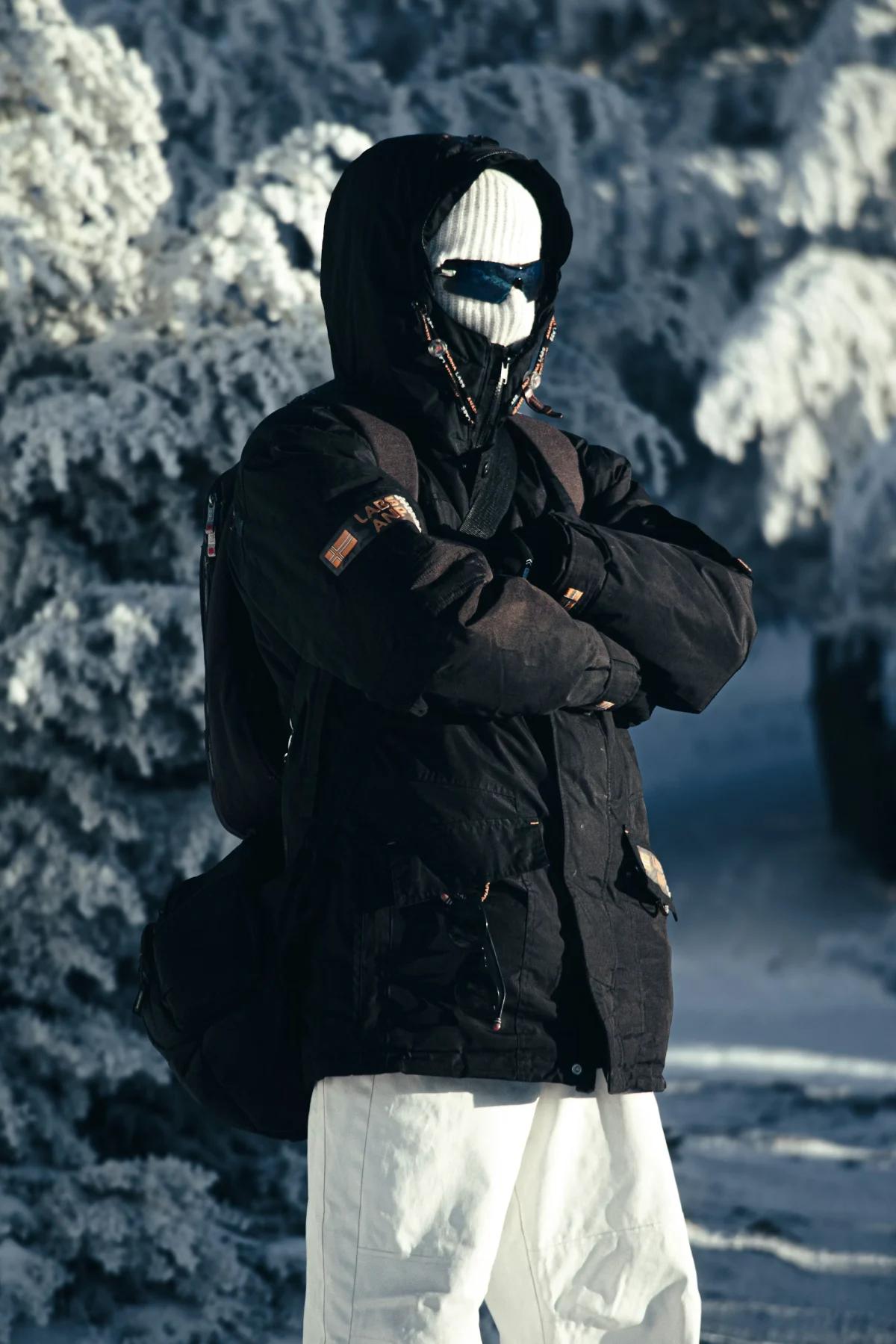
户外装备产业生产用于户外休闲活动的装备、服装和配件——包括露营、徒步、攀登、登山、背包旅行、滑雪、单板滑雪、钓鱼、狩猎和水上运动。全球市场超过500亿美元,由不断增长的户外休闲经济和健康趋势驱动。
主要类别:
• 庇护与睡眠系统:帐篷(背包型、家庭露营型、探险型、超轻型)、睡袋(羽绒 vs. 合成保暖材料、温标)、睡垫(闭孔泡沫、自充气、充气垫,带R值隔热)、吊床和露营袋。
• 背包与背负系统:日用背包、多日背包(40-80升)、水袋背包、攀登背包、滑雪背包和技术型搬运袋,配备背负系统、承重调节带和防雨罩。
• 攀登与登山装备:绳索(动力绳、静力绳、UIAA认证)、快挂、安全带、保护器、机械塞、岩塞/楔子、冰镐、冰爪、头盔和飞拉达套装。
• 户外服装:技术性外套(Gore-Tex、eVent、Futurelight防水透气冲锋衣——三层结构)、保暖夹克(羽绒、合成棉)、打底层、徒步裤/短裤、防晒服(UPF 50+)。
• 烹饪与水具:露营炉具(气罐、液体燃料、柴火炉、Jetboil等一体式系统)、炊具、净水器/过滤器(Sawyer、Katadyn、MSR、Platypus)、水袋和保温瓶。
• 照明与导航:头灯、营地灯、GPS设备(佳明)、卫星通讯器(佳明inReach、SPOT)、地图、指南针和太阳能充电器。
• 冬季运动装备:滑雪板、单板、雪靴、固定器、雪杖、雪崩安全装备(信标、探杆、雪铲)以及滑雪登山用止滑带。
The outdoor gear industry produces equipment, apparel, and accessories for outdoor recreation — camping, hiking, climbing, mountaineering, backpacking, skiing, snowboarding, fishing, hunting, and water sports. With a global market exceeding $50 billion, it''s driven by the growing outdoor recreation economy and wellness trends.
Major Categories:
• Shelter & Sleep Systems: Tents (backpacking, family camping, expedition, ultralight), sleeping bags (down vs. synthetic insulation, temperature ratings), sleeping pads (closed-cell foam, self-inflating, air pads with R-values for insulation), hammocks, and bivy sacks.
• Backpacks & Carrying Systems: Daypacks, multi-day backpacking packs (40-80L), hydration packs, climbing packs, ski packs, and technical haul bags with suspension systems, load-lifter straps, and rain covers.
• Climbing & Mountaineering Gear: Ropes (dynamic, static, UIAA-rated), carabiners, harnesses, belay devices, camming devices, nuts/chocks, ice axes, crampons, helmets, and via ferrata kits.
• Outdoor Apparel: Technical outerwear (Gore-Tex, eVent, Futurelight waterproof/breathable shells — 3-layer construction), insulated jackets (down, synthetic), base layers, hiking pants/shorts, sun protective clothing (UPF 50+).
• Cooking & Hydration: Camp stoves (canister, liquid fuel, wood-burning, integrated systems like Jetboil), cookware, water filters/purifiers (Sawyer, Katadyn, MSR, Platypus), hydration reservoirs, and insulated bottles.
• Lighting & Navigation: Headlamps, lanterns, GPS devices (Garmin), satellite messengers (Garmin inReach, SPOT), maps, compasses, and solar chargers.
• Winter Sports Gear: Skis, snowboards, boots, bindings, poles, avalanche safety equipment (beacon, probe, shovel), and ski touring/climbing skins.
**户外装备处于材料科学的前沿——要求在最严酷的环境中兼具轻量化、极致耐用性、天气防护和安全性。**
**1. 防水透气薄膜:** • **Gore-Tex (ePTFE):** 膨体聚四氟乙烯薄膜,每平方英寸有90亿个微孔——微孔比水滴小20,000倍,但比水蒸气分子大700倍。 • **PU基薄膜(eVent、Pertex Shield):** 亲水性聚氨酯,通过分子扩散传输湿气——无需单独的PU层。 • **静电纺纳米纤维薄膜(The North Face Futurelight、Polartec NeoShell):** 通过静电纺丝聚氨酯纳米纤维制成——透气性极佳,防水等级良好(10,000-20,000毫米静水压头)。
**2. 保暖技术:** • **羽绒:** 以蓬松度衡量(550-900+立方英寸/盎司)——蓬松度越高,单位重量的蓬松体积越大,同等重量下更保暖。负责任羽绒标准(RDS)认证道德采购。 • **合成保暖材料:** PrimaLoft、ThermoBall、CoreLoft——连续长丝或短纤聚酯纤维,潮湿时仍能保暖,与羽绒不同。 • **混合结构:** 核心身体区域使用羽绒,易潮湿区域(帽兜、袖口、腋下)使用合成材料。
**3. 高性能纺织品:** • **Dyneema(UHMWPE——超高分子量聚乙烯):** 重量比强度是钢的15倍——用于超轻背包、帐篷和攀登扁带。 • **Cordura尼龙**——高旦(500D-1000D)耐磨面料,用于背包和行李。 • **防撕裂结构**——在面料中织入更坚固的线网格,防止撕裂扩展。 • **DWR(耐久防水剂):** 表面处理使水珠滚落——根据法规要求,从C8(PFOS/PFOA)向C6(短链)和C0(无氟)配方过渡。
**4. 安全与认证标准:** • **UIAA(国际攀登与登山联合会):** 攀登设备安全标准——绳索、主锁、安全带、头盔必须符合UIAA等级。 • **CE/EN标准:** 在欧盟销售的PPE(个人防护装备)必须符合——EN 12492(攀登头盔)、EN 12277(安全带)、EN 892(动力绳)。 • **AS
Outdoor gear sits at the frontier of materials science — demanding an extraordinary combination of light weight, extreme durability, weather protection, and safety in the world''s harshest environments.
1. Waterproof-Breathable Membranes: • Gore-Tex (ePTFE): Expanded PTFE membrane with 9 billion pores per square inch — pores are 20,000x smaller than water droplets but 700x larger than water vapor molecules. • PU-based membranes (eVent, Pertex Shield): Hydrophilic polyurethane that transports moisture through molecular diffusion — no need for a separate PU layer. • Electrospun nanofiber membranes (The North Face Futurelight, Polartec NeoShell): Created by electrospinning polyurethane nanofibers — highly breathable with good waterproof ratings (10,000-20,000mm hydrostatic head).
2. Insulation Technologies: • Down: Measured by fill power (550-900+ cuin/oz) — higher fill power = more loft per weight = warmer for same weight. Responsible Down Standard (RDS) certifies ethical sourcing. • Synthetic insulation: PrimaLoft, ThermoBall, CoreLoft — continuous filament or short-staple polyester that retains warmth when wet, unlike down. • Hybrid constructions: Down in core body areas, synthetic in moisture-prone zones (hood, cuffs, underarms).
3. High-Performance Textiles: • Dyneema (UHMWPE — Ultra-High Molecular Weight Polyethylene): 15x stronger than steel by weight — used in ultralight backpacks, tents, and climbing slings. • Cordura nylon — high-denier (500D-1000D) abrasion-resistant fabric for packs and luggage. • Ripstop construction — grid of stronger threads woven into fabric to prevent tear propagation. • DWR (Durable Water Repellent): Surface treatment causing water to bead — transitioning from C8 (PFOS/PFOA) to C6 (shorter-chain) and C0 (fluorocarbon-free) formulations per regulatory requirements.
4. Safety & Certification Standards: • UIAA (International Climbing and Mountaineering Federation): Safety standards for climbing equipment — ropes, carabiners, harnesses, helmets must meet UIAA ratings. • CE/EN standards: Required for PPE (Personal Protective Equipment) sold in EU — EN 12492 for climbing helmets, EN 12277 for harnesses, EN 892 for dynamic ropes. • ASTM: US standards for outdoor equipment — ASTM F1772 for climbing harnesses, ASTM F2116 for helmets.
采购户外装备需要评估技术性能、安全认证、极端条件下的耐用性,以及日益重要的可持续性资质——因为户外消费者是环保意识最强的买家群体之一。
1. 安全与责任:攀岩、登山及安全关键装备必须持有有效的UIAA、CE和/或ASTM认证。需核实认证是否在有效期内,并覆盖所采购的具体型号。了解产品责任风险——用于高风险活动的户外装备具有重大法律风险。保留合规文件,并考虑购买产品责任保险。
2. 性能测试与实地验证:要求提供静水压头(HH)测试结果以评估防水等级,湿气透过率(MVTR)以评估透气性,撕裂强度(ASTM D2261),以及耐磨性(ASTM D4966/马丁代尔法)。对于睡袋,需验证EN 13537/ISO 23537温度评级(舒适、极限、极端)。对于帐篷,需评估风洞测试结果和帐杆强度。
3. 可持续性与材料采购:户外品牌面临消费者对可持续性的严格审视。羽绒产品需要求RDS(负责任羽绒标准)或TDS(全球可追溯羽绒标准)认证。纺织品需bluesign®、OEKO-TEX®认证。随着法规逐步淘汰永久性化学品,需验证无PFAS的DWR(C0或等效)。公平服装基金会成员资格表明对道德制造的承诺。
4. 耐用性与保修:户外装备面临极端使用条件。评估保修条款——行业领导者提供终身或有限终身保修(如巴塔哥尼亚铁甲保证、Osprey全能保证、北面有限终身保修)。评估维修计划——户外行业越来越多地提供内部维修服务,以延长产品寿命并减少浪费。
Sourcing outdoor gear requires evaluating technical performance, safety certifications, durability under extreme conditions, and increasingly, sustainability credentials — as outdoor consumers are among the most environmentally conscious buyer segments.
1. Safety & Liability: Climbing, mountaineering, and safety-critical equipment must carry valid UIAA, CE, and/or ASTM certifications. Verify that certifications are current and cover the specific model being sourced. Understand product liability exposure — outdoor gear used in high-risk activities carries significant legal risk. Maintain documentation of conformity and consider product liability insurance.
2. Performance Testing & Field Validation: Request hydrostatic head (HH) test results for waterproof ratings, moisture vapor transmission rate (MVTR) for breathability, tear strength (ASTM D2261), and abrasion resistance (ASTM D4966/Martindale). For sleeping bags, verify EN 13537/ISO 23537 temperature ratings (Comfort, Limit, Extreme). For tents, evaluate wind tunnel testing results and pole strength.
3. Sustainability & Material Sourcing: Outdoor brands face intense consumer scrutiny on sustainability. Demand RDS (Responsible Down Standard) or TDS (Global Traceable Down Standard) certification for down products. Require bluesign®, OEKO-TEX® for textiles. Verify PFAS-free DWR (C0 or equivalent) as regulations phase out forever chemicals. Fair Wear Foundation membership indicates commitment to ethical manufacturing.
4. Durability & Warranty: Outdoor gear faces extreme abuse. Evaluate warranty terms — industry leaders offer lifetime or limited lifetime warranties (Patagonia Ironclad Guarantee, Osprey All Mighty Guarantee, The North Face Limited Lifetime). Assess repair programs — the outdoor industry increasingly offers in-house repair services to extend product lifespan and reduce waste.
**全球户外装备行业具有独特的地理分布,生产集中在兼具原材料获取、制造专长、劳动力成本优势和靠近终端市场的地区。**
**1. 美国:** 标志性品牌所在地——The North Face、Patagonia、Black Diamond、MSR、Therm-a-Rest、Osprey、CamelBak和REI Co-op。户外休闲每年为美国经济贡献约4500亿美元。
**2. 欧洲:** 德国(Jack Wolfskin、Vaude、Deuter——背包)、瑞士(Mammut)、法国(Petzl——攀登装备、Salomon、Millet)、意大利(La Sportiva、Scarpa——鞋类)、斯堪的纳维亚(Fjällräven——瑞典、Helly Hansen——挪威、Halti——芬兰)。欧洲品牌在技术性登山和滑雪装备领域领先。
**3. 中国与越南:** 全球户外品牌的主要制造基地——帐篷、睡袋、背包和服装主要在此生产。中国本土品牌(探路者、牧高笛、Naturehike)正在获得全球市场份额。
**4. 日本与韩国:** Montbell、Snow Peak(日本)——高端露营装备;Black Yak、K2(韩国)——技术性外套。亚洲户外品牌将技术质量与适合潮湿多山地形的轻量化设计相结合。
**战略意义:** 随着供应链多元化,户外装备行业持续演变。买家应保持多国采购策略,平衡成本、质量、交货时间和地缘政治风险。了解区域专业化——哪些国家在哪些产品领域表现出色——对于做出明智的采购决策至关重要。可持续性认证(OEKO-TEX、GOTS、bluesign、GRS)和透明供应链的趋势正在重塑竞争格局,投资于合规和可追溯性的制造商将获得进入高端市场的优先机会。
The global Outdoor Gear industry has a distinct geographic footprint, with production concentrated in regions that combine raw material access, manufacturing expertise, labor cost advantages, and proximity to end-use markets.
1. United States: Home to iconic brands — The North Face, Patagonia, Black Diamond, MSR, Therm-a-Rest, Osprey, CamelBak, and REI Co-op. Outdoor recreation contributes ~$450 billion annually to the US economy.
2. Europe: Germany (Jack Wolfskin, Vaude, Deuter — packs), Switzerland (Mammut), France (Petzl — climbing gear, Salomon, Millet), Italy (La Sportiva, Scarpa — footwear), Scandinavia (Fjällräven — Sweden, Helly Hansen — Norway, Halti — Finland). European brands lead in technical mountaineering and ski equipment.
3. China & Vietnam: Dominant manufacturing bases for global outdoor brands — tents, sleeping bags, backpacks, and apparel are primarily produced here. Chinese domestic brands (Toread, Mobi Garden, Naturehike) are gaining global market share.
4. Japan & South Korea: Montbell, Snow Peak (Japan) — premium camping gear; Black Yak, K2 (Korea) — technical outerwear. Asian outdoor brands combine technical quality with lightweight designs suited to humid, mountainous terrain.
Strategic Implications: The Outdoor Gear industry continues to evolve as supply chains diversify. Buyers should maintain multi-country sourcing strategies that balance cost, quality, lead time, and geopolitical risk. Understanding regional specialization — which countries excel at which product segments — is essential for making informed procurement decisions. The trend toward sustainability certifications (OEKO-TEX, GOTS, bluesign, GRS) and transparent supply chains is reshaping competitive dynamics, with manufacturers who invest in compliance and traceability gaining preferential access to premium markets.