全球办公家具市场呈分层结构,从传统巨头到专业创新者和批量制造商。1. 全球高端品牌与制造商:Steelcase、Herman Miller和Haworth(均来自美国)等公司历史上占据主导地位。它们以开创性的人体工程学研究、标志性设计以及为大型跨国公司提供全面的工作空间解决方案而闻名。2. 主要国际与亚洲参与者:这一层级包括上市公司巨头如HNI Corporation(美国)及其多品牌组合,以及亚洲领导者如国誉和冈村(日本),以其精密的工程和质量著称。3. 领先的中国制造商:中国既是巨大的生产国也是消费国。领先的国内企业如圣奥和冠美已从制造商演变为解决方案提供商,凭借先进的制造和不断增长的研发在亚太市场具有强劲竞争力。4. 专业与利基品牌:许多公司专注于特定细分市场,如高端人体工学椅、隔音舱或高科技可调节办公桌,通常在其类别中推动创新。5. 大众市场零售商:全球巨头如宜家在家庭办公和小企业领域扮演重要角色,提供价格实惠、注重设计的家具。这一生态系统确保了从高端定制项目到现成经济型产品的广泛选择。
The global office furniture market is structured in layers, from legacy giants to specialized innovators and volume manufacturers. 1. Global Premium Brands & Manufacturers: Companies like Steelcase, Herman Miller, and Haworth (all from the USA) are historically dominant. They are known for pioneering ergonomic research, iconic design, and providing full-scale workspace solutions to large multinational corporations. 2. Major International & Asian Players: This tier includes publicly traded giants like HNI Corporation (USA) with its multi-brand portfolio, and Asian leaders like Kokuyo and Okamura (Japan), renowned for their meticulous engineering and quality. 3. Leading Chinese Manufacturers: China is both a massive producer and consumer. Leading domestic players like Sunon and Aurora have evolved from manufacturers to solution providers, competing strongly in the Asia-Pacific market with advanced manufacturing and growing R&D. 4. Specialized and Niche Brands: Many companies focus on specific segments, such as premium ergonomic chairs, soundproof pods, or high-tech adjustable desks, often driving innovation in their category. 5. Mass-Market Retailers: Global giants like IKEA play a significant role in the home office and small business segment, offering affordable, design-conscious furniture. This ecosystem ensures a range of options from high-end, customized projects to readily available, cost-effective products.
办公与书房家具行业是全球经济的重要组成部分,涵盖设计、生产和分销服务于全球不同终端市场的基本产品。
主要类别:办公桌(行政桌、升降/坐站桌、写字桌、电脑桌、L形桌、紧凑型桌)、办公椅(任务椅、行政椅、人体工学椅、网布椅、会议椅)、文件柜和储物(柜子、书架、边柜)、会议/洽谈桌、前台家具以及家庭办公配件。全球办公家具市场规模超过600亿美元,受远程/混合办公趋势影响而转型。
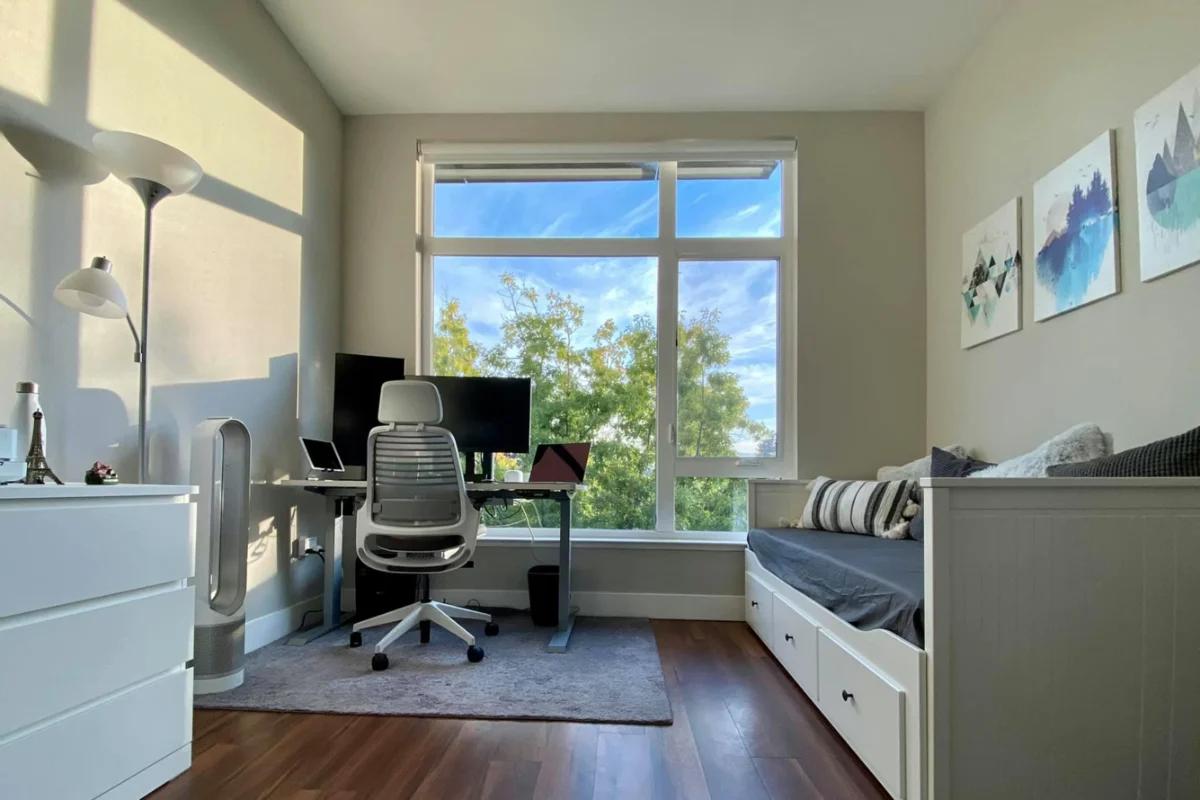
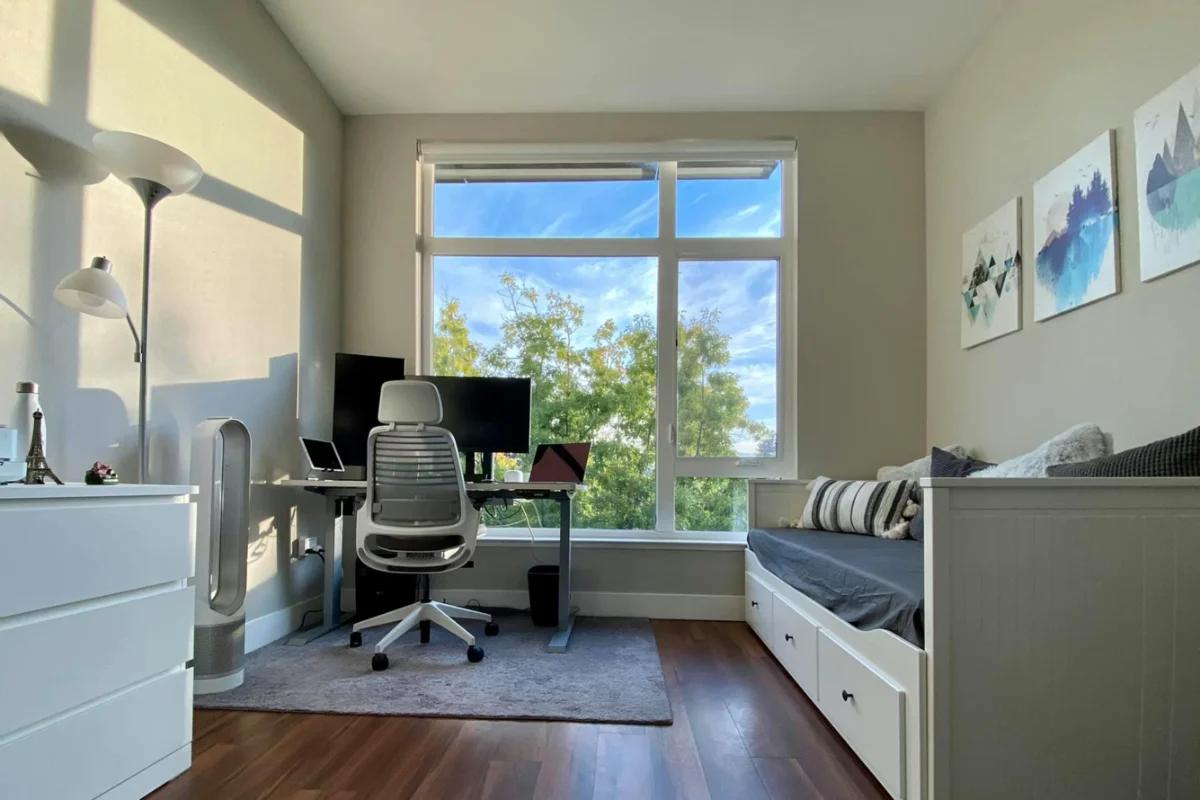
关键趋势:自2020年以来,家庭办公家具需求激增——对符合人体工学、节省空间且美观的家用办公解决方案的需求正在重塑这一品类,这些方案需与家居装饰相融合。升降桌和人体工学椅是增长最快的细分市场。
行业动态:办公与书房家具行业的特点是持续创新、不断变化的消费者需求以及对可持续性的日益重视。投资于技术、质量体系和供应链韧性的公司最有可能在竞争激烈的全球市场中取得长期成功。
The office & study furniture industry is a vital segment of the global economy, encompassing the design, production, and distribution of essential products that serve diverse end markets worldwide.
Major Categories: Desks (executive, standing/sit-stand, writing, computer, L-shaped, compact), office chairs (task, executive, ergonomic, mesh, conference), filing and storage (cabinets, bookshelves, credenzas), meeting/conference tables, reception furniture, and home office accessories. The global office furniture market exceeds $60 billion, transformed by remote/hybrid work trends.
Key Trend: Home office furniture has exploded since 2020 — demand for ergonomic, space-efficient, and aesthetically pleasing home office solutions that blend with residential decor is reshaping the category. Standing desks and ergonomic chairs are the fastest-growing segments.
Industry Dynamics: The office & study furniture sector is characterized by continuous innovation, evolving consumer demands, and increasing emphasis on sustainability. Companies that invest in technology, quality systems, and supply chain resilience are best positioned for long-term success in competitive global markets.
办公与学习家具行业受多个关键因素影响,这些因素决定了企业的竞争力——从原材料质量和制造技术,到法规合规性和市场定位。
1. 人体工学:座椅高度、深度、扶手、腰部支撑和倾斜张力可调节的椅子。高度可调(电动或气动)且带可编程预设的桌子。BIFMA(商业与机构家具制造商协会)标准定义了测试规范。
2. 材料:网布(透气、现代美学)、合成革和真皮、高性能面料(防污)、工程木材(贴三聚氰胺/层压板的MDF)、粉末涂层钢架。
3. 认证:BIFMA level®(可持续性)、GREENGUARD Gold(低化学排放)、ANSI/BIFMA X5.1(办公椅)、X5.5(桌子)、X5.9(储物)。
4. 线缆管理:集成线槽、线孔和电源/USB直通功能是现代桌子设计的基本要素。
质量标准:办公与学习家具领域的领先企业通常以ISO 9001认证为基础,许多企业还持有行业特定认证。产品测试、材料可追溯性和第三方检验是重要的质量保证实践。全球主要买家和监管机构对可持续性认证的要求日益提高。
The office & study furniture industry is shaped by several critical factors that determine competitive success — from raw material quality and manufacturing technology to regulatory compliance and market positioning.
1. Ergonomics: Adjustable seat height, depth, armrests, lumbar support, and tilt tension for chairs. Adjustable-height desks (electric or pneumatic) with programmable presets. BIFMA (Business and Institutional Furniture Manufacturers Association) standards define testing protocols.
2. Materials: Mesh (breathable, modern aesthetic), bonded and genuine leather, high-performance fabrics (stain-resistant), engineered wood (MDF with melamine/laminate), powder-coated steel frames.
3. Certification: BIFMA level® (sustainability), GREENGUARD Gold (low chemical emissions), ANSI/BIFMA X5.1 (office chairs), X5.5 (desks), X5.9 (storage).
4. Cable Management: Integrated cable trays, grommets, and power/USB pass-through are essential features for modern desk design.
Quality Standards: Leading companies in the office & study furniture sector typically hold ISO 9001 certification as a baseline, with many also maintaining industry-specific certifications. Product testing, material traceability, and third-party inspection are essential quality assurance practices. Sustainability certifications are increasingly required by major buyers and regulators worldwide.
采购办公与学习家具产品需要全面评估供应商能力、质量体系、成本结构和合规资质。
1. 人体工学认证:核实是否符合BIFMA或EN 1335标准。要求提供人体工学评估数据。在合同/商业市场中,人体工学合规通常是采购要求。
2. 保修与耐用性:商用级办公家具通常提供框架10年以上、机构5年、面料/内饰2-3年的保修。仔细评估保修条款。
3. 组装复杂度:办公家具从完全组装到大量DIY不等。评估说明书、所需工具和组装时间。复杂的组装是负面评价的主要来源。
4. 环保认证:BIFMA level®、GREENGUARD Gold和FSC认证越来越多地被企业、政府和机构买家指定。
5. 交货周期与定制:合同办公家具的交货周期可能为8-16周。评估供应商处理定制饰面、尺寸和配置的能力。
关键建议:尽可能参观供应商工厂,要求并核实第三方认证,先下试订单再承诺大批量,与多个合格供应商建立关系以降低集中风险。在采购协议中明确质量规格和检验规程。
Sourcing office & study furniture products requires thorough evaluation of supplier capabilities, quality systems, cost structures, and compliance credentials.
1. Ergonomics Certification: Verify BIFMA or EN 1335 compliance. Request ergonomic assessment data. For contract/commercial markets, ergonomic compliance is often a procurement requirement.
2. Warranty & Durability: Commercial-grade office furniture typically carries 10+ year warranties on frames, 5 years on mechanisms, 2-3 years on fabric/upholstery. Evaluate warranty terms carefully.
3. Assembly Complexity: Office furniture ranges from fully assembled to extensive DIY. Evaluate instructions, required tools, and assembly time. Complex assembly is a major source of negative reviews.
4. Environmental Certifications: BIFMA level®, GREENGUARD Gold, and FSC certification are increasingly specified by corporate, government, and institutional buyers.
5. Lead Times & Customization: Contract office furniture can have 8-16 week lead times. Evaluate the supplier''s ability to handle custom finishes, dimensions, and configurations.
Key Recommendations: Visit supplier facilities when possible, request and verify third-party certifications, start with trial orders before committing to large volumes, and build relationships with multiple qualified suppliers to reduce concentration risk. Establish clear quality specifications and inspection protocols in purchase agreements.
全球办公与学习家具行业具有独特的地理分布格局,受原材料获取、制造传统、劳动力成本和市场邻近性影响。
1. 中国:全球最大的生产国和出口国——安吉(浙江)是“办公椅之都”,生产全球约30%的办公椅。广东生产桌子和储物家具。
2. 美国:Herman Miller、Steelcase、Haworth、HNI——设计、人体工学和创新领域的全球领导者。西密歇根是主要的办公家具集群。
3. 欧洲:Vitra(瑞士)、Kinnarps、EFG(瑞典)、Sedus、König + Neurath(德国)——高端设计和人体工学。
4. 日本:Okamura、Kokuyo、Itoki——针对紧凑工作空间的创新、节省空间的设计。
5. 越南和马来西亚:中端办公家具的制造中心正在成长。
战略意义:在办公与学习家具行业成功采购需要了解区域专业化,并维持多元化的采购策略,平衡成本、质量、交货周期和地缘政治风险。可持续性认证和供应链透明度正逐渐成为高端市场准入的先决条件。
The global office & study furniture industry has a distinctive geographic footprint shaped by raw material access, manufacturing heritage, labor costs, and market proximity.
1. China: World''s largest producer and exporter — Anji (Zhejiang) is the "Office Chair Capital" producing ~30% of world''s office chairs. Guangdong for desks and storage.
2. United States: Herman Miller, Steelcase, Haworth, HNI — global leaders in design, ergonomics, and innovation. West Michigan is a major office furniture cluster.
3. Europe: Vitra (Switzerland), Kinnarps, EFG (Sweden), Sedus, König + Neurath (Germany) — premium design and ergonomics.
4. Japan: Okamura, Kokuyo, Itoki — innovative, space-efficient designs for compact workspaces.
5. Vietnam & Malaysia: Growing manufacturing hubs for mid-range office furniture.
Strategic Implications: Successful procurement in the office & study furniture industry requires understanding regional specialization and maintaining diversified sourcing strategies that balance cost, quality, lead time, and geopolitical risk. Sustainability certifications and supply chain transparency are increasingly becoming prerequisites for market access in premium segments.