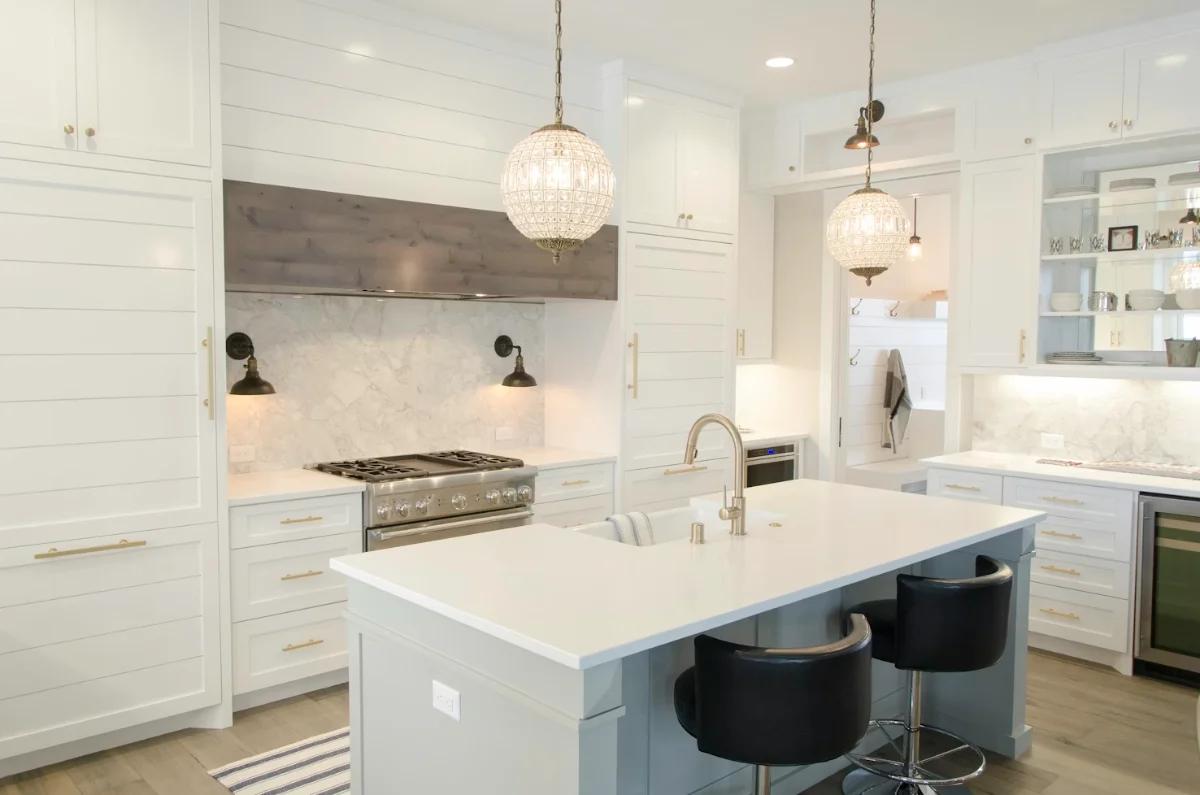
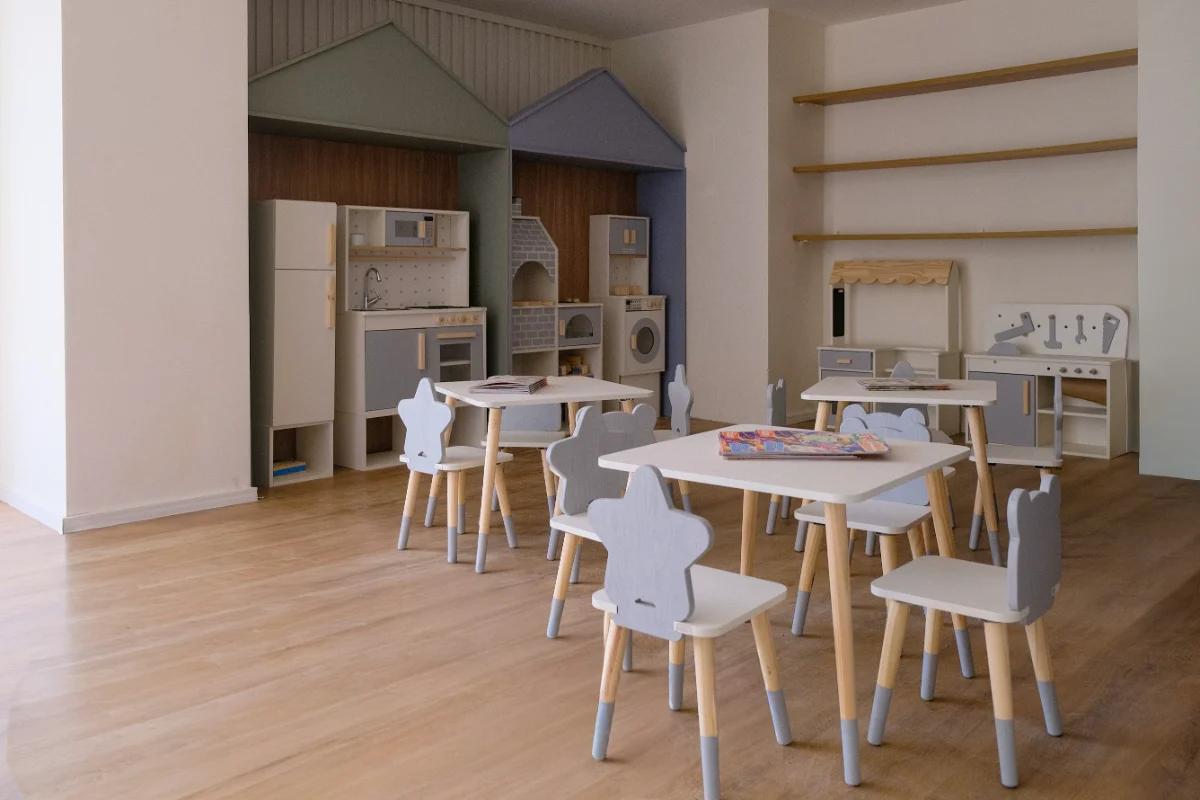
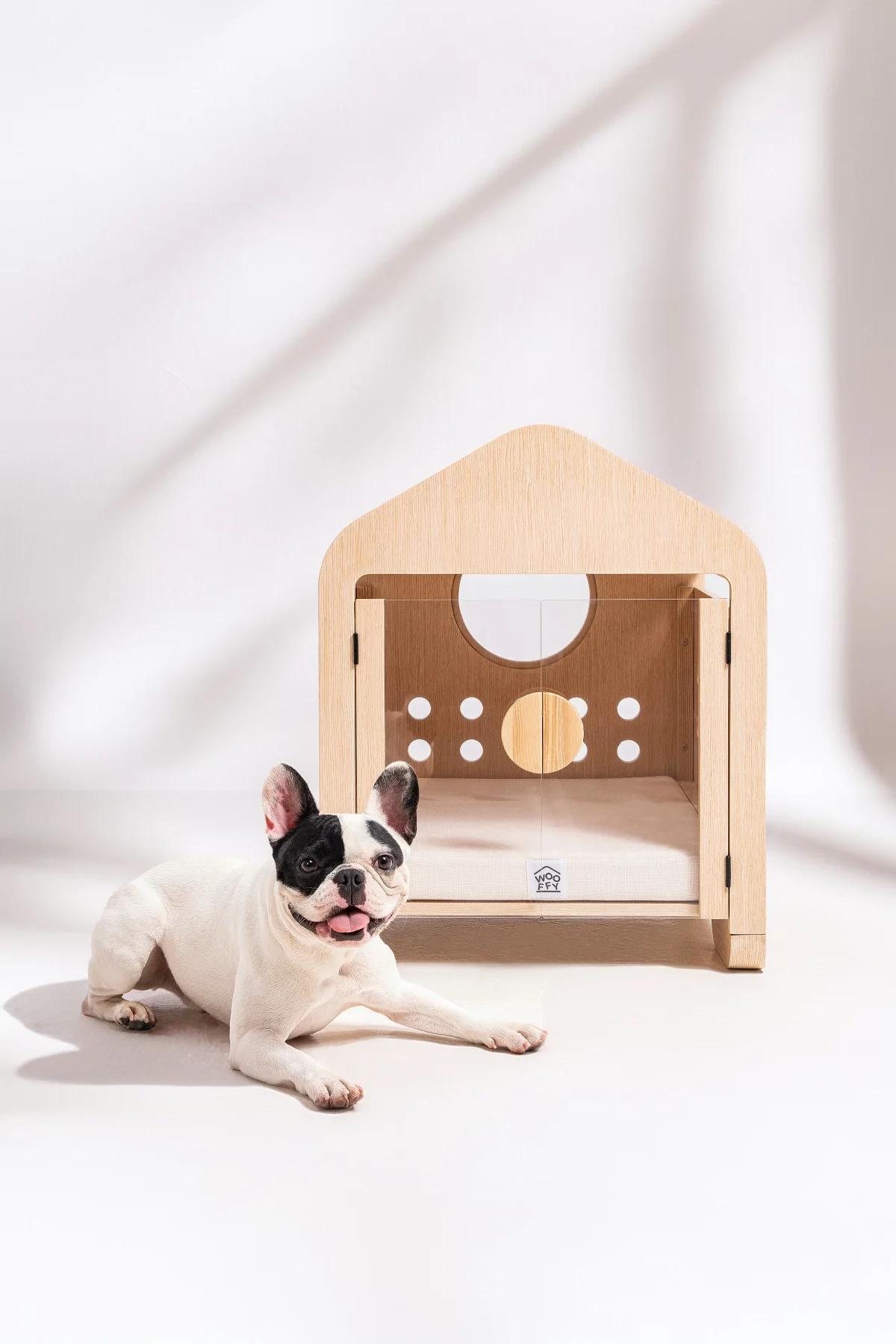
家居收纳市场的全球扩张受到相互关联的社会、人口和经济趋势的推动,这些趋势将整理从一项家务提升为现代生活中受重视的方面。1. 城市化与更小的居住空间。随着全球城市化进程加快,越来越多的人居住在公寓和较小的房屋中。这种个人空间的缩小直接产生了对巧妙收纳解决方案的迫切需求,以最大化利用每一寸空间,从墙壁到家具下方。2. 生活方式运动的影响。极简主义和近藤麻理惠方法等哲学理念广受欢迎。它们鼓励有意识的消费和有序空间的乐趣,将收纳从隐藏杂乱转变为策划一个有意义且宁静的环境,从而推动了对有效产品的需求。3. 体验驱动型消费者的崛起。年轻消费者,尤其是千禧一代和Z世代,将家视为庇护所进行投资。他们重视品质、设计和功能性,经常寻求在社交媒体上分享的上镜且系统的解决方案。这促使品牌在美学和用户体验上进行创新。4. 整理的专业化。专业家居整理师和顾问的出现使收纳成为一项技能服务。这些专家通常推荐特定产品和系统,创造了知识驱动的需求渠道,并提升了消费者的期望。
The global expansion of the home storage market is fueled by interconnected social, demographic, and economic trends that elevate organization from a chore to a valued aspect of modern living. 1. Urbanization & Smaller Living Spaces As global urbanization increases, more people live in apartments and smaller homes. This shrinking personal space creates a direct, urgent need for clever storage solutions that maximize every square inch, from walls to under furniture. 2. The Influence of Lifestyle Movements Philosophies like Minimalism and the KonMari Method have gained massive popularity. They encourage mindful consumption and the joy of an organized space, shifting storage from hiding clutter to curating a purposeful and serene environment, thus driving demand for effective products. 3. The Rise of the Experience-Driven Consumer Younger consumers, especially Millennials and Gen Z, invest in their homes as sanctuaries. They value quality, design, and functionality, often seeking photogenic and systematic solutions shared on social media. This has pushed brands to innovate in aesthetics and user experience. 4. The Professionalization of Organization The emergence of professional home organizers and consultants has legitimized storage as a skilled service. These experts often recommend specific products and systems, creating a knowledgeable demand channel and elevating consumer expectations.
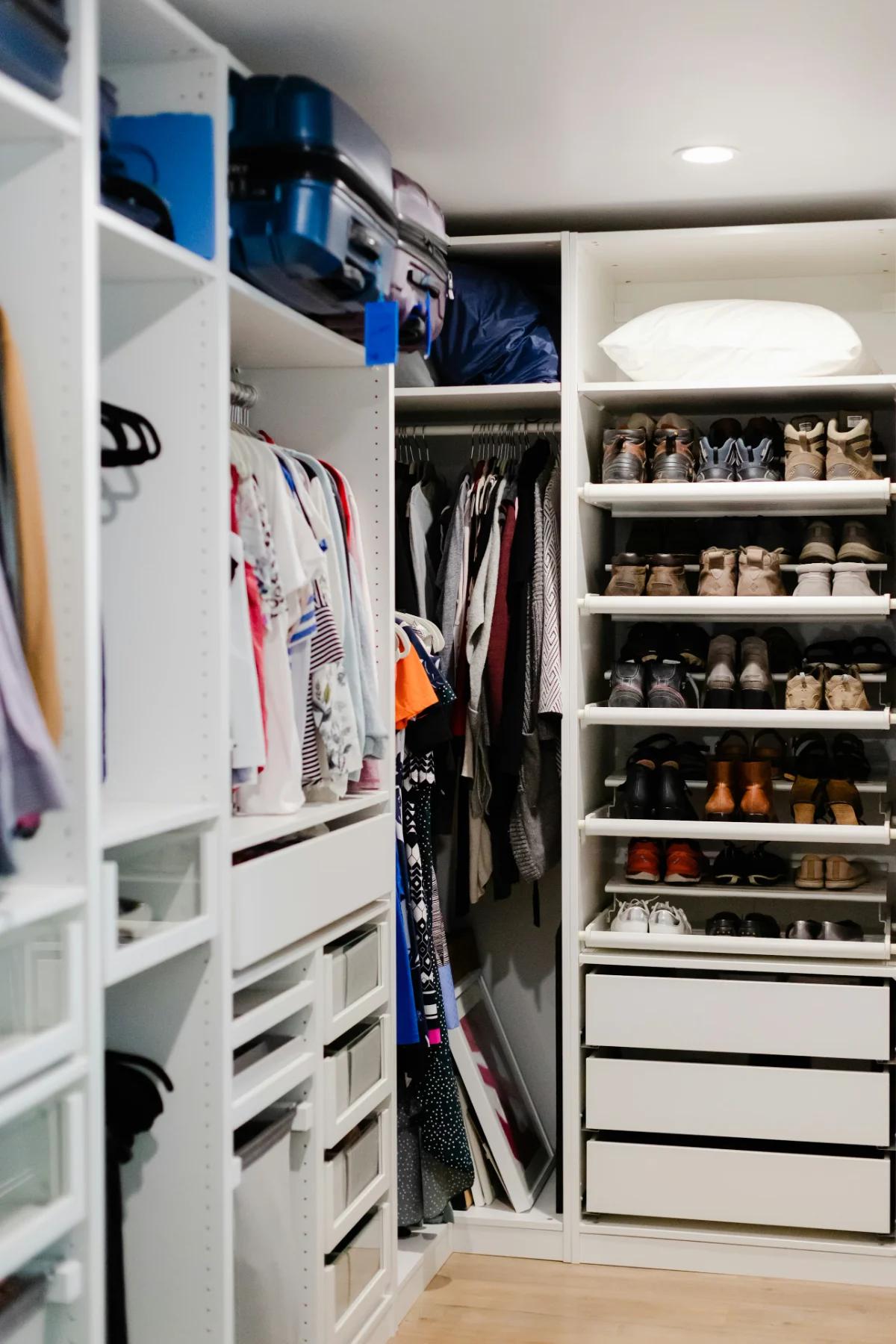
是的,家居收纳市场高度细分,通常按房间或具体解决的问题来划分。各细分领域增长不一,一些成熟板块稳步扩张,而新兴的利基品类则迅猛增长。1. 成熟核心板块:衣柜/衣物整理和厨房收纳是行业传统主力,满足长期高频需求。增长动力来自持续创新(如模块化衣柜系统)和高端材料。通用容器系统(箱子、收纳盒)仍是稳定的大体量基础。2. 高增长与利基板块:小空间与公寓解决方案增长最快,直接关联城市生活趋势。细长推车、多功能家具等产品需求旺盛。墙面收纳系统迎来复兴,洞洞板等时尚可定制选项在家庭办公室和车库中流行。车库收纳、房车/面包车生活整理、美妆收纳等专业领域也因爱好和移动生活方式扩展而快速增长。3. 与“大家居”融合:一个重要趋势是收纳产品与嵌入式家具的界限模糊。定制衣柜系统、整体厨房橱柜和全屋收纳方案代表高价值板块。欧派和宜家等公司是领导者,提供设计主导的嵌入式解决方案,预算更高。
Yes, the home storage market is highly segmented, often by the room or specific problem it addresses. Growth varies, with some established segments expanding steadily while newer, niche categories surge. 1. Established Core Segments Closet\/Clothing Organization and Kitchen Storage are the traditional powerhouses of the industry. They address perennial, high-frequency needs. The growth here is driven by continuous innovation (like modular closet systems) and premium materials. General Container Systems (boxes, bins) remain a stable, high-volume base. 2. High-Growth & Niche Segments Small-Space & Apartment Solutions are among the fastest-growing, directly tied to urban living trends. Products like slim rolling carts and multi-functional furniture are in high demand. Wall Storage Systems have seen a renaissance with stylish, customizable options like pegboards becoming popular in home offices and garages. Specialized Segments like garage storage, RV\/van life organization, and beauty product organizers are also experiencing rapid growth as hobbies and mobile lifestyles expand. 3. The Integration with “Big Home” A significant trend is the blurring line between storage products and built-in furniture. Customized closet systems, integrated kitchen cabinetry, and whole-house organizational solutions represent a high-value segment. Companies like Oppein and IKEA are leaders here, offering design-led, built-in solutions that command larger budgets.
家用收纳行业由几个关键因素塑造,这些因素决定了竞争成败——从原材料质量和制造技术到法规合规性和市场定位。
1. 空间优化:模块化和可定制的收纳系统,适应不同房间大小和布局。
2. 材料创新:轻质人造板、粉末涂层钢、竹子、再生塑料和可持续材料越来越受欢迎。
3. 设计趋势:极简美学、隐藏式收纳、多功能家具(储物床、脚凳长凳)和开放式搁架系统。
4. 安装与组装:免工具组装、墙面安装安全标准和清晰说明对消费者满意度至关重要。
质量标准:家用收纳行业的领先企业通常以ISO 9001认证为基准,许多企业还持有行业特定认证。产品测试、材料可追溯性和第三方检验是基本的质量保证实践。全球主要买家和监管机构越来越要求可持续发展认证。
The home storage industry is shaped by several critical factors that determine competitive success — from raw material quality and manufacturing technology to regulatory compliance and market positioning.
1. Space Optimization: Modular and customizable storage systems that adapt to different room sizes and configurations.
2. Material Innovation: Lightweight engineered wood, powder-coated steel, bamboo, recycled plastics, and sustainable materials gaining traction.
3. Design Trends: Minimalist aesthetics, concealed storage, multi-functional furniture (storage beds, ottoman benches), and open shelving systems.
4. Installation & Assembly: Tool-free assembly, wall-mounting safety standards, and clear instructions are critical for consumer satisfaction.
Quality Standards: Leading companies in the home storage sector typically hold ISO 9001 certification as a baseline, with many also maintaining industry-specific certifications. Product testing, material traceability, and third-party inspection are essential quality assurance practices. Sustainability certifications are increasingly required by major buyers and regulators worldwide.
采购家居收纳产品需要全面评估供应商能力、质量体系、成本结构和合规资质。
1. 材料质量:检查材料规格——板材密度、钢材厚度、表面处理耐久性。要求提供样品进行负载测试和磨损评估。
2. 承重能力:验证搁板、抽屉和挂杆的标称承重。壁挂系统需要合适的锚固五金件和安装指南。
3. 组装复杂度:评估组装说明、五金件质量和所需工具。复杂的组装会导致退货和差评。
4. 安全性:高柜防倾倒五金件、缓闭机构、圆角设计和无毒表面处理。儿童收纳产品必须符合CPSIA/EN 71安全标准。
5. 包装:平板包装优化以提高运输效率、防损包装和清晰标识。
关键建议:尽可能实地考察供应商工厂,要求并核实第三方认证,先下试订单再承诺大批量采购,与多家合格供应商建立关系以降低集中风险。在采购协议中明确质量规格和检验流程。
Sourcing home storage products requires thorough evaluation of supplier capabilities, quality systems, cost structures, and compliance credentials.
1. Material Quality: Check material specifications — board density, steel gauge, finish durability. Request samples for load testing and wear evaluation.
2. Weight Capacity: Verify stated load ratings for shelves, drawers, and hanging rods. Wall-mounted systems require proper anchoring hardware and installation guidelines.
3. Assembly Complexity: Evaluate assembly instructions, hardware quality, and required tools. Complex assembly drives returns and negative reviews.
4. Safety: Anti-tip hardware for tall units, soft-close mechanisms, rounded edges, and non-toxic finishes. Children''s storage must meet CPSIA/EN 71 safety standards.
5. Packaging: Flat-pack optimization for shipping efficiency, damage-resistant packaging, and clear labeling.
Key Recommendations: Visit supplier facilities when possible, request and verify third-party certifications, start with trial orders before committing to large volumes, and build relationships with multiple qualified suppliers to reduce concentration risk. Establish clear quality specifications and inspection protocols in purchase agreements.
全球家居收纳产业的地理分布格局独特,受原材料获取、制造传统、劳动力成本和市场邻近性影响。
1. 中国:主导生产国——广东、浙江、福建产业集群,专注于搁架、衣柜和收纳产品。
2. 宜家(瑞典设计,全球生产):全球最大的家居收纳零售商,通过模块化系统(PAX、BESTÅ、KALLAX)引领全球趋势。
3. 越南和马来西亚:日益增长的收纳家具及配件制造中心。
4. 美国:The Container Store、ClosetMaid、Rubbermaid——强大的本土品牌。
5. 欧洲:德国(Hülsta、Rauch——高端系统)、意大利(Poliform、Lema——设计师收纳)。
战略意义:家居收纳行业的成功采购需要了解区域专业化,并维持多元化的采购策略,以平衡成本、质量、交货时间和地缘政治风险。可持续性认证和供应链透明度正日益成为进入高端市场的先决条件。
The global home storage industry has a distinctive geographic footprint shaped by raw material access, manufacturing heritage, labor costs, and market proximity.
1. China: Dominant producer — Guangdong, Zhejiang, Fujian clusters specializing in shelving, closets, and organization products.
2. IKEA (Sweden design, global production): The world''s largest home storage retailer sets global trends with modular systems (PAX, BESTÅ, KALLAX).
3. Vietnam & Malaysia: Growing manufacturing hubs for storage furniture and accessories.
4. United States: The Container Store, ClosetMaid, Rubbermaid — strong domestic brands.
5. Europe: Germany (Hülsta, Rauch — premium systems), Italy (Poliform, Lema — designer storage).
Strategic Implications: Successful procurement in the home storage industry requires understanding regional specialization and maintaining diversified sourcing strategies that balance cost, quality, lead time, and geopolitical risk. Sustainability certifications and supply chain transparency are increasingly becoming prerequisites for market access in premium segments.