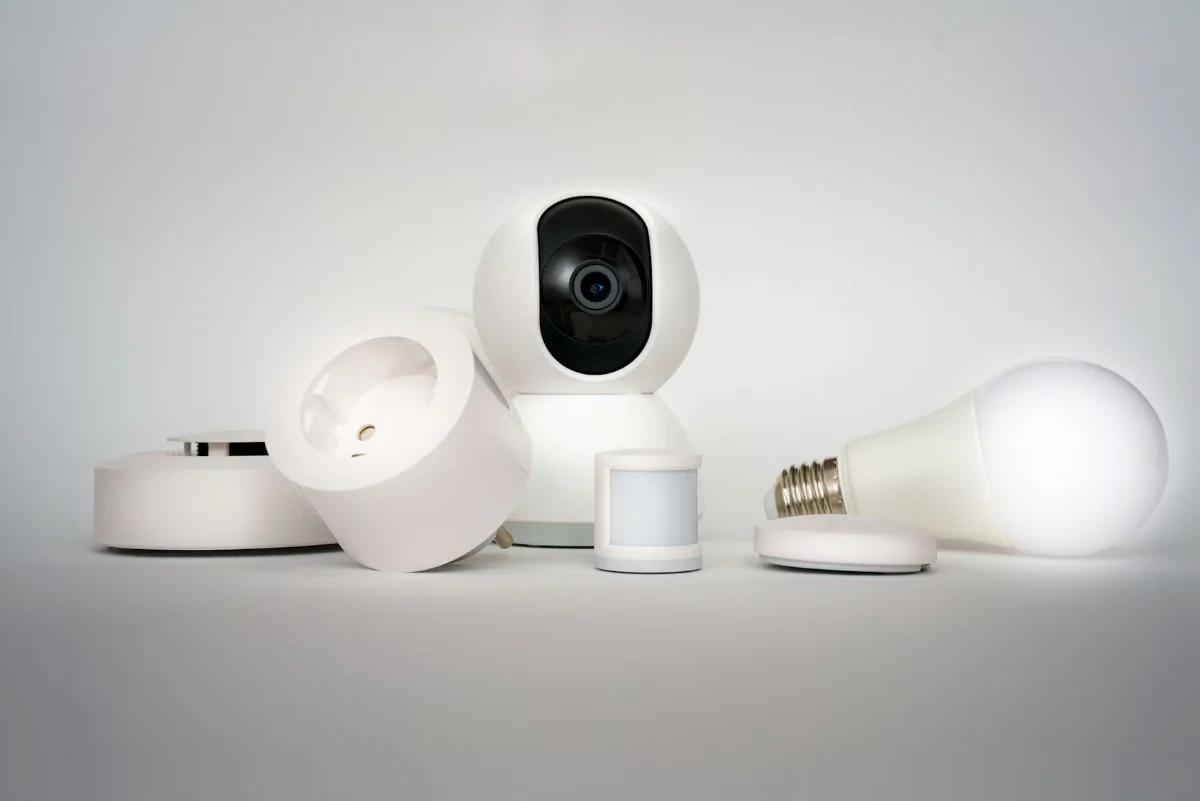
智能家居照明是指可通过智能手机应用、语音助手(如Alexa或Google Assistant)或自动化场景进行控制的照明系统。它超越了简单的开关控制,实现了对光环境的智能管理。1. 核心功能与优势:其主要优势有三:第一,便捷控制——你可以躺在床上关掉所有灯,或设置“欢迎回家”场景自动激活。第二,氛围营造——轻松调节色温和亮度,在阅读、观影或派对模式间切换。第三,效率与健康——定时、感应和模拟日光节律等功能有助于节能并支持昼夜节律。2. 与传统照明的关键区别:与传统布线中一个开关控制一盏灯不同,智能照明本质上是将灯具连接到物联网(IoT)。每个智能灯泡或灯具充当网络节点,通过Wi-Fi、蓝牙Mesh或Zigbee通信。这种集成允许复杂的自动化和远程管理,使照明成为更广泛的智能家居生态系统的一部分,可与窗帘、恒温器等互动。3. 购买注意事项:购买时,密切关注系统兼容性。品牌可能使用不同的协议和生态系统(如Apple HomeKit、Samsung SmartThings)。为避免碎片化体验,选择与你现有智能设备兼容的产品。从单个智能灯泡或灯带开始尝试,是投入全屋系统前的好方法。
Smart home lighting refers to a lighting system that can be controlled via smartphone apps, voice assistants (like Alexa or Google Assistant), or automated scenes. It goes beyond simple on\/off switches to enable intelligent management of your light environment. 1. Core Features & Benefits Its primary advantages are threefold: First, Convenient Control – you can turn off all lights from your bed or set a “Welcome Home” scene for automatic activation. Second, Ambiance Creation – easily adjust color temperature and brightness to switch between reading, movie-watching, or party modes. Third, Efficiency & Well-being – features like scheduling, motion sensing, and daylight-mimicking rhythms help save energy and support your circadian rhythm. 2. Key Difference from Traditional Lighting Unlike traditional wiring where a switch controls a single light, smart lighting essentially connects lights to the Internet of Things (IoT). Each smart bulb or fixture acts as a network node, communicating via Wi-Fi, Bluetooth Mesh, or Zigbee. This integration allows for complex automations and remote management, making lighting an integral part of a broader smart home ecosystem that can interact with blinds, thermostats, and more. 3. Considerations for Purchase When purchasing, pay close attention to System Compatibility. Brands may use different protocols and ecosystems (e.g., Apple HomeKit, Samsung SmartThings). To avoid a fragmented experience, choose products compatible with your existing smart devices. Starting with a single smart bulb or light strip is a great way to experiment before committing to a whole-house system.
选择护眼台灯旨在减少视觉疲劳和预防眼疲劳。除了品牌和价格,重点关注以下光学参数:1. 照度与均匀度(最重要的指标) 根据中国GB/T 9473-2017等标准,台灯分为A级和AA级。强烈推荐AA级。它在距光源中心30cm处提供超过500勒克斯,50cm处超过250勒克斯,且均匀度极佳。这消除了刺眼的“亮点”和阴影,显著减少眼睛的调节负担。2. 显色指数 显色指数衡量光源还原物体颜色的准确度(范围0-100)。选择Ra≥90的台灯。高显色指数意味着书本和艺术品中的颜色更鲜艳真实,减少长时间阅读时的颜色失真——对儿童美术或设计工作至关重要。3. 色温与蓝光 色温定义光的“冷暖”。专注学习时,约4000K(中性白)的色温最理想,既能保持清醒又不像冷白光(如6000K)那样刺眼。确保台灯符合蓝光危害RG0(豁免级)等级——IEC标准中的最高安全级别。4. 减少眩光与遮光 设计良好的台灯必须防止直接眩光。通过扩散器、遮光板或反射器等设计,确保从正常坐姿看不到光源。这能保护眼睛免受不适的亮度刺激。
Choosing an eye-care desk lamp aims to reduce visual fatigue and prevent eye strain. Beyond brand and price, focus on these key optical parameters. 1. Illuminance & Uniformity (The Most Important Metrics) According to standards like China’s GB\/T 9473-2017, desk lamps are classified as Grade A or AA. Grade AA is highly recommended. It provides over 500 lux at 30cm and 250 lux at 50cm from the light center, with excellent uniformity. This eliminates harsh “hot spots” and shadows, significantly reducing the eye’s effort to adjust. 2. Color Rendering Index (CRI\/Ra) CRI measures how accurately a light source reveals object colors (scale 0-100). Look for a lamp with Ra ≥ 90. Higher Ra means colors in books and artwork appear more vibrant and true, minimizing color distortion during long reading sessions—crucial for children’s art or design work. 3. Color Temperature & Blue Light Color temperature defines light “warmth.” For focused study, a color temperature around 4000K (neutral white) is ideal, offering alertness without the harshness of cool white (e.g., 6000K). Ensure the lamp meets the RG0 (Exempt) rating for blue light hazard—the highest safety level per the IEC standard. 4. Glare Reduction & Shading A well-designed lamp must prevent direct glare. Ensure the light source is not visible from normal sitting positions thanks to features like diffusers, baffles, or reflectors. This protects your eyes from uncomfortable brightness.
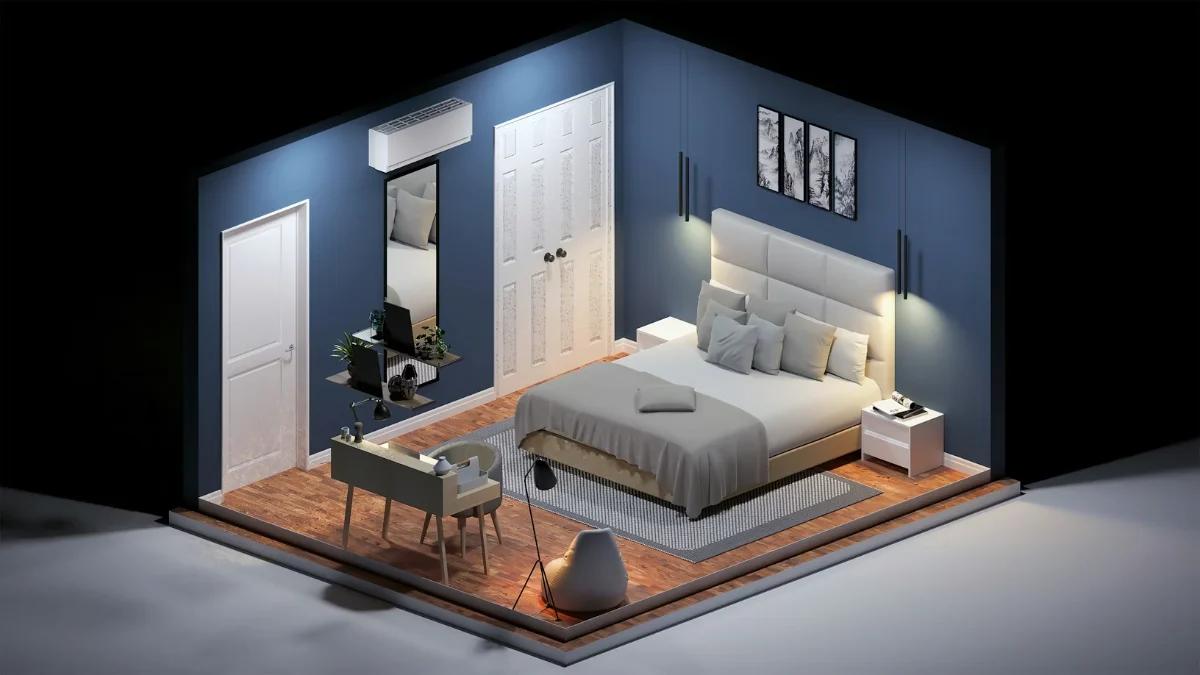
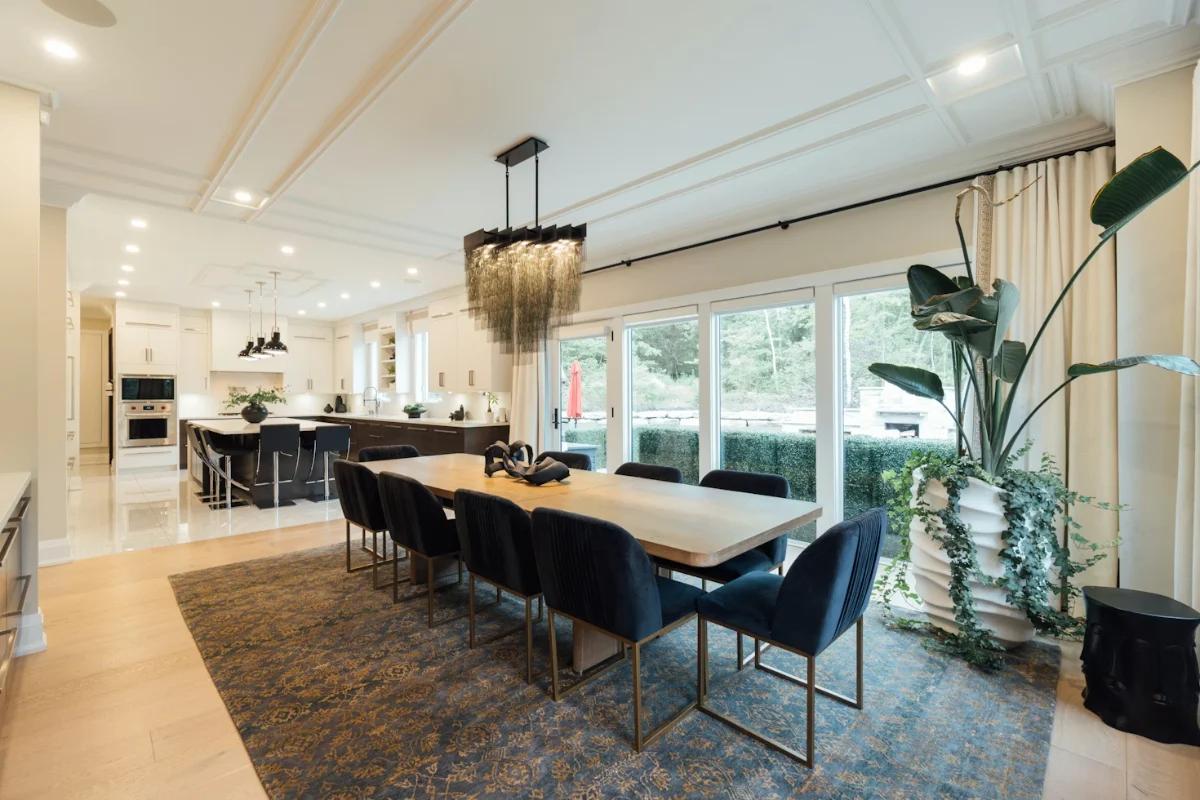
“无主灯设计”是一种流行的现代照明方式,它摒弃了单一的中央吊灯或吸顶灯,转而采用分布式、功能性的光源组合。1. 设计逻辑与核心优势 其原则是“见光不见灯”和“分层照明”。嵌入式筒灯提供环境光,灯带或壁灯营造氛围,而台灯则满足特定需求。优势包括:更富层次感和精致感的照明,能突出建筑特色或艺术品;营造更高的天花板视觉感,让小空间显得更大;以及可根据不同活动和心情灵活调整照明场景。2. 潜在挑战与成本 这种设计需要前期大量规划,并必须在施工阶段整合,考虑布线、灯具位置、光束角度和控制系统。由于灯具、开关数量增多,可能还需智能控制,总体成本通常更高。未来的维护或改造也可能更复杂。3. 适合的房型与业主 它与现代、极简或工业风装饰风格尤为契合。非常适合层高较低(低于2.8米)的公寓,可避免笨重的灯具。但它更适合高度重视照明品质、并愿意在设计安装上投入的业主。偏爱装饰性主灯(如水晶吊灯)或预算有限的业主,可考虑其他方案。
“No-Main-Light Design” is a popular contemporary lighting approach that avoids a single central ceiling light or chandelier. Instead, it uses a combination of distributed, task-specific light sources. 1. Design Logic & Core Benefits The principle is “see the light, not the fixture” and “layered lighting.” Recessed downlights offer ambient light, strips or sconces create mood, and task lamps serve specific needs. Benefits include: More layered and sophisticated lighting that highlights architectural features or artwork; A perception of higher ceilings, making small spaces feel larger; and Flexible lighting scenes adaptable to different activities and moods. 2. Potential Challenges & Cost This design requires significant upfront planning and must be integrated into the construction phase, considering wiring, fixture placement, beam angles, and control systems. The overall cost is typically higher due to more fixtures, switches, and potential smart controls. Future maintenance or changes can also be more complex. 3. Suitable Home Types & Owners It complements modern, minimalist, or industrial decor styles exceptionally well. It’s excellent for apartments with low ceilings (below 2.8m) to avoid a bulky fixture. However, it suits owners who highly value lighting quality and are willing to invest in design and installation. Those who prefer decorative statement lights (like crystal chandeliers) or have a tight budget might consider alternatives.
LED灯带因其柔韧性、可裁剪和变色功能,是营造家居氛围的多功能工具。实现惊艳效果的关键在于“隐藏”和“强调”。1. 主要用途一:间接照明与“洗墙” 这是最精妙的技巧。将灯带隐藏在天花板灯槽、电视背板后、床头板下或橱柜下方。光线经表面反射形成柔和均匀的光晕——“见光不见源”。这种“洗墙”效果能增加层次感和高级感,既提供环境光,又营造视觉戏剧性。2. 主要用途二:轮廓强调与功能性照明 用灯带勾勒轮廓以产生戏剧性效果。例如,围绕化妆镜实现无影梳妆,安装在楼梯踏板下营造安全感和未来感,或置于搁架后方突出收藏品。在窗帘盒内安装灯带,夜晚能营造出美丽的天空般光晕。3. 选购与使用技巧 为达最佳效果,选择高显色指数(Ra>90)、可调光、可变色的高品质灯带。安装前规划好电源位置和控制器位置。在潮湿区域(如浴室),务必使用IP65或更高防水等级的灯带。可通过App控制的智能灯带能实现最具创意和动态的照明场景。
LED strip lights are a versatile tool for home ambiance due to their flexibility, cut-to-length capability, and color-changing features. The key to impressive results lies in “concealment” and “accentuation.” 1. Primary Use #1: Indirect Lighting & “Wall Washing” This is the most sophisticated technique. Conceal strips in ceiling coves, behind TV back panels, under bed headboards, or beneath kitchen cabinets. Light reflecting off surfaces creates a soft, uniform glow—“seeing the light, not the source.” This “wall washing” effect adds depth and a premium feel, providing both ambient light and visual drama. 2. Primary Use #2: Contour Highlighting & Functional Lighting Use strips to accentuate contours for dramatic impact. For example, around vanity mirrors for shadow-free grooming, under stair treads for safety and a futuristic look, or behind shelves to spotlight collections. Installing strips inside curtain cornices creates a beautiful, sky-like glow in the evenings. 3. Selection & Usage Tips For best results, choose high-quality strips with high CRI (Ra>90), dimmability, and color-changing options. Plan power source locations and controller placement before installation. In damp areas (e.g., bathrooms), always use strips with an IP65 or higher waterproof rating. Smart strips controlled via apps allow for the most creative and dynamic lighting scenes.
这是一个非常实际的问题。答案是肯定的,但便捷程度和体验很大程度上取决于所涉及的通信协议和生态系统。1. 通信协议是“语言” 智能设备需要共同的“语言”来通信——即协议(如Wi-Fi、蓝牙Mesh、Zigbee)。使用不同协议的设备通常无法直接相互控制。除非有兼容的网关充当翻译,否则Zigbee开关无法控制仅支持Wi-Fi的灯泡。2. 生态系统是“管理中枢” 即使使用相同协议,品牌也可能在封闭的“围墙花园”内运行。例如,品牌A和B都使用蓝牙Mesh,但品牌A的App可能无法发现品牌B的灯泡。实现统一控制的最佳途径是将所有设备连接到第三方开放生态系统,如Apple HomeKit、Google Home、Amazon Alexa或米家等平台。你必须逐一验证每个产品与你所选中央平台的兼容性。3. 给消费者的实用建议 最简单的方法是坚持使用同一生态系统内的产品。如果混搭品牌,购买前需调研:首先,确认产品支持你计划使用的中央平台(例如“Works with Apple HomeKit”)。其次,了解其协议并确保拥有必要的网关(如Zigbee桥接器)。随意混搭往往会导致控制碎片化,用户体验糟糕。
This is a very practical concern. The answer is yes, but the ease and experience depend heavily on the communication protocols and ecosystems involved. 1. Communication Protocol is the “Language” Smart devices need a common “language” to communicate—the protocol (e.g., Wi-Fi, Bluetooth Mesh, Zigbee). Devices using different protocols generally cannot directly control each other. A Zigbee switch won’t control a Wi-Fi-only bulb unless a compatible hub\/gateway acts as a translator. 2. Ecosystem is the “Management Hub” Even with the same protocol, brands may operate within closed “walled gardens.” For example, both Brand A and B use Bluetooth Mesh, but Brand A’s app may not discover Brand B’s bulb. The best path for unified control is connecting all devices to a third-party, open ecosystem like Apple HomeKit, Google Home, Amazon Alexa, or platforms like Mi Home. You must verify each product’s compatibility with your chosen central platform. 3. Practical Advice for Consumers The simplest approach is sticking to products within the same ecosystem. If mixing brands, research before buying: First, verify the product supports your intended central platform (e.g., “Works with Apple HomeKit”). Second, understand its protocol and ensure you have the necessary hub (like a Zigbee bridge). Random mixing often leads to fragmented control and a frustrating user experience.