卫浴五金行业涵盖浴室中所有固定装置、设备和配件的制造与供应。这是一个融合功能性、美学与科技的行业。产品围绕卫生、用水和个人护理,分为以下几个主要类别:1. 马桶和坐浴器装置:这是核心类别,包括马桶(抽水马桶)、智能马桶盖(坐浴器盖)和小便器。集冲洗、烘干和加热功能于一体的智能马桶是主要增长领域。2. 淋浴和供水系统:包括淋浴套装、花洒、浴缸龙头和面盆龙头。重点在于水压体验、节水性能和设计,流行产品如雨淋花洒、恒温混水器和抽拉式龙头。3. 浴室柜和储物系统:指浴室家具,如浴室柜、镜柜和各种搁架。它们提供重要的储物空间,并显著影响浴室的整体风格和整洁度。4. 淋浴房解决方案:如淋浴房、浴缸和浴帘等产品,实现干湿分离,提升安全性和舒适度。常见类型有直线型和转角型淋浴房,以及独立式浴缸。5. 配件和安全设备:这是一个广泛的类别,包括地漏、毛巾架、马桶刷、置物架,以及注重安全的产品如扶手和淋浴凳,方便行动不便者使用。总之,这是一个与日常健康、生活品质和个人品味息息相关的行业,正朝着更智能、更个性化、更注重健康与可持续性的方向发展。
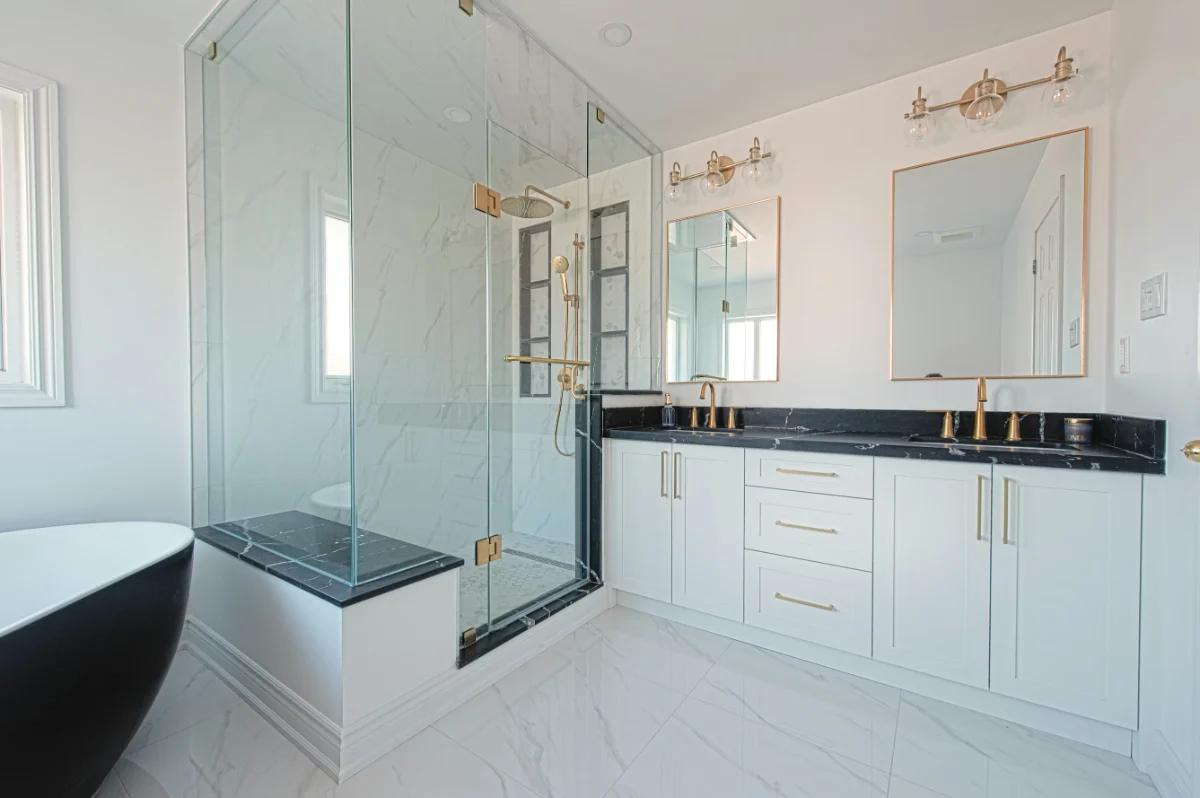
The bathroom fixtures industry encompasses the manufacturing and supply of all fixed installations, equipment, and accessories within a bathroom. It’s an industry that blends functionality, aesthetics, and technology. Products are centered around sanitation, water use, and personal care, falling into several key categories: 1. Toilet and Bidet Fixtures This is the core category, including toilets (water closets), smart toilet seats (bidet seats), and urinals. Integrated smart toilets combining washing, drying, and heating functions are a major growth area. 2. Showering and Water Delivery Systems This includes shower sets, showerheads, bathtub faucets, and basin taps. The focus is on water pressure experience, water-saving performance, and design, with popular products like rainfall showerheads, thermostatic mixers, and pull-down faucets. 3. Vanity and Storage Systems This refers to bathroom furniture, such as vanity cabinets, mirror cabinets, and various shelves. They provide crucial storage and significantly impact the overall style and tidiness of the bathroom. 4. Showering Enclosure Solutions Products like shower enclosures, bathtubs, and shower curtains create wet\/dry separation for enhanced safety and comfort. Common types are straight-line and corner shower stalls, and freestanding tubs. 5. Accessories and Safety Equipment A broad category including drains, towel racks, toilet brushes, caddies, as well as safety-focused items like grab bars and shower stools for accessibility. In summary, it’s an industry integral to daily health, living quality, and personal taste, evolving towards greater smart technology, customization, wellness features, and sustainability.
行业正快速发展,受消费者需求和技术创新驱动。主要趋势包括:1. 智能技术与健康关注 智能马桶正成为标配。功能现已超越加热和清洗,包括紫外线杀菌、脚感冲水和健康监测。带触摸控制和温度显示的数字龙头也日益流行。2. 个性化与设计美学 浴室是个人 sanctuary。这推动了对极简设计(无框淋浴房、隐藏式水箱马桶)、可定制选项(各种颜色/材料的浴室柜)以及作为视觉焦点的艺术雕塑洁具的需求。3. 节水与可持续性 更严格的法规和环保意识强的消费者推动超高效产品。标准现在包括超低流量马桶(每次冲水少于1加仑)、空气注入式花洒以及由回收或可持续材料制成的洁具。4. 集成解决方案与空间优化 品牌销售协调的“浴室套间”而非单个产品。对于小户型,壁挂式马桶、悬空浴室柜、集成镜柜和嵌入式壁龛等节省空间的设计非常受欢迎。5. 卫生、安全与无障碍 疫情后对清洁的关注推动了对具有抗菌表面洁具的需求。此外,人口老龄化增加了对安全和无障碍产品的市场需求,如防滑地板、扶手和淋浴凳。
The industry is evolving rapidly, driven by consumer demand and technological innovation. Key trends include: 1. Smart Technology and Health Focus Smart toilets are becoming a standard. Features now extend beyond heating and washing to include UV sterilization, foot-sensor flushing, and health monitoring. Digital faucets with touch control and temperature displays are also gaining traction. 2. Personalization and Design Aesthetics Bathrooms are personal sanctuaries. This drives demand for minimalist designs (frameless showers, concealed-tank toilets), customizable options (vanities in various colors\/materials), and artistic, sculptural fixtures that serve as focal points. 3. Water Conservation and Sustainability Stricter regulations and eco-conscious consumers push for ultra-efficient products. Standards now include ultra-low-flow toilets (using less than 1 gallon per flush), air-injection showerheads, and fixtures made from recycled or sustainable materials. 4. Integrated Solutions and Space Optimization Brands are selling coordinated “bathroom suites” rather than single items. For smaller homes, space-saving designs like wall-hung toilets, floating vanities, integrated mirror cabinets, and recessed niches are highly popular. 5. Hygiene, Safety, and Accessibility Post-pandemic focus on cleanliness boosts demand for fixtures with anti-microbial surfaces. Additionally, an aging population is growing the market for safety and accessibility products like non-slip floors, grab bars, and shower seats.
选择卫浴洁具需要平衡预算、空间、风格和功能。遵循以下步骤:1. 设定预算并优先排序 合理分配总预算。优先考虑高使用率、高影响的产品,如马桶、淋浴和龙头。智能功能或设计师外观可作为升级选项。2. 精确测量空间 记录浴室尺寸以及管道、排水口和门的位置。这决定了淋浴房、浴室柜和浴缸的大小。对于小空间,选择节省空间的壁挂式或转角式产品。3. 确定功能需求 考虑家庭需求。是否需要为老年人提供无障碍功能?智能马桶的便利性?喜欢泡澡还是淋浴空间更重要?储物是优先项?回答这些问题指导你的选择。4. 选择统一风格 洁具应与家居整体装饰相协调。现代极简空间适合简洁线条和中性色。斯堪的纳维亚风格与木质浴室柜搭配良好。传统浴室需要华丽细节和镀铬或金色饰面。保持瓷砖、橱柜和五金件风格一致。5. 关注质量与规格 · 陶瓷:选择知名品牌光滑、低吸水率的釉面,以防污渍和开裂。 · 龙头:实心黄铜主体和陶瓷阀芯耐用可靠。检查表面处理(如镀铬、哑光黑)是否均匀且高质量。 · 节水效率:寻找EPA WaterSense或当地标准等认证,确保节水性能。
Choosing bathroom fixtures involves balancing budget, space, style, and function. Follow these steps: 1. Set a Budget and Prioritize Allocate your total budget wisely. Prioritize high-use, high-impact items like toilets, showers, and faucets. Smart features or designer looks can be upgrades. 2. Measure Your Space Accurately Note the bathroom’s dimensions and the location of pipes, drains, and doors. This dictates the size of your shower, vanity, and tub. For small spaces, choose space-saving wall-hung or corner units. 3. Identify Functional Needs Consider your household. Do you need accessibility features for seniors? The convenience of a smart toilet? Do you love baths, or is shower space more critical? Is storage a priority? Answering these guides your choices. 4. Choose a Cohesive Style Fixtures should complement your home’s overall decor. Modern minimalist spaces suit clean lines and neutral colors. Scandinavian style pairs well with wood vanities. Traditional bathrooms call for ornate details and chrome or gold finishes. Keep tiles, cabinetry, and hardware cohesive. 5. Focus on Quality and Specifications · Ceramics: Look for smooth, low-absorption glazes from reputable brands to prevent staining and cracking. · Faucets: Solid brass bodies and ceramic disc cartridges are durable and reliable. Check that the finish (e.g., chrome, matte black) is even and high-quality. · Water Efficiency: Look for certifications like EPA WaterSense or local standards to ensure water-saving performance.
差异在于细节、技术和长期价值,而不仅仅是外观:1. 设计、材料与工艺 · 设计:高端品牌聘请知名设计师,打造具有专利外观的标志性、符合人体工程学的产品。普通品牌往往追随潮流,推出简化版本。 · 材料:高端品牌使用优质材料——水龙头主体采用高级黄铜,陶瓷更致密,表面处理如PVD涂层耐腐蚀耐磨。普通品牌可能在材料厚度或涂层层数上妥协。 · 工艺:高端产品的精密制造确保公差小、操作顺滑、手感扎实。釉面均匀如镜。2. 技术创新与专利 高端品牌是创新领导者。其大量研发投入带来核心专利,如独特的冲水技术、先进的智能传感器和节水系统,直接提升性能、可靠性和用户体验。3. 性能与耐用性 这是关键区别。高端产品经过严格的耐久性测试。高端水龙头阀芯可能额定50万次循环,表面处理能承受长时间盐雾测试。其节水效率也始终很高。普通产品可能更快出现磨损——滴漏、灵敏度下降或表面失去光泽。4. 服务与品牌价值 高端品牌提供全套服务:咨询、安装和售后支持。它们提供完整、协调的系列产品。购买还包括品牌传承、声望及其带来的满足感等无形价值。
The difference lies in details, technology, and long-term value, not just appearance: 1. Design, Materials, and Craftsmanship · Design: Premium brands employ renowned designers, creating iconic, ergonomic products with patented looks. Standard brands often follow trends with simplified versions. · Materials: Premium brands use superior materials—high-grade brass for faucet bodies, denser ceramic, and durable finishes like PVD coating that resist corrosion and wear. Standard brands may compromise on material thickness or coating layers. · Craftsmanship: Precision manufacturing in premium products ensures tight tolerances, smooth operation, and a substantial feel. Glazes are even and mirror-smooth. 2. Technology Innovation and Patents Premium brands are innovation leaders. Their significant R&D investment results in core patents for unique flushing technologies, advanced smart sensors, and water-saving systems that directly enhance performance, reliability, and user experience. 3. Performance and Durability This is the key differentiator. Premium products undergo rigorous testing for longevity. A premium faucet cartridge may be rated for 500,000 cycles, and its finish can withstand extended salt spray tests. Their water efficiency is also consistently high. Standard products may show wear—dripping, reduced sensitivity, or tarnished finishes—sooner. 4. Service and Brand Value Premium brands offer full-service packages: consultation, installation, and after-sales support. They provide complete, coordinated collections. The purchase also includes intangible value from the brand’s heritage, prestige, and the satisfaction it brings.
浴室的未来在于更深层次的技术整合以及对个人和地球健康的关注:1. 高级智能与互联互通:浴室将成为智能家居的关键节点。装置不仅能响应语音或应用程序指令,还能与其他系统交互。想象一下,当你进入时,灯光和马桶座圈自动激活,水温已预设为你喜欢的温度。系统将学习你的习惯,并提供主动服务或健康提醒。2. 个性化健康监测与诊断:这可能具有变革性。配备先进生物传感器的智能马桶或洗手池可能进行基本的健康筛查(如尿液分析、身体成分分析、皮肤分析),为用户或医疗保健提供者提供有价值的匿名数据——从而将角色从清洁转变为健康管理。3. 先进的水循环与再利用:除了节水,未来的系统可能在家居层面处理“灰水”(来自淋浴、洗手池),用于冲厕或灌溉。装置将集成到这些闭环水系统中,大幅减少淡水需求。4. 可持续材料的广泛应用:行业将扩大使用回收材料(如玻璃、陶瓷)、生物基材料以及碳足迹更低的替代品。“循环设计”——制造易于拆卸、分类和回收的产品——将变得至关重要。5. 模块化与可升级设计:为了适应快速变化的风格和技术,浴室可能变得更加模块化。用户可以通过更换面板或升级内部智能模块(例如马桶座圈中的模块)来更新外观和功能,而无需完全更换,这符合可持续消费的理念。
The future of bathrooms lies in deeper tech integration and a focus on personal\/planetary well-being: 1. Advanced Intelligence and Interconnectivity Bathrooms will become a key node in the smart home. Fixtures will not only respond to voice\/app commands but also interact with other systems. Imagine lights and toilet seats activating as you enter, with water temperature pre-set to your preference. Systems will learn habits and offer proactive service or wellness reminders. 2. Personalized Health Monitoring and Diagnostics This could be transformative. Smart toilets or sinks with advanced biosensors may conduct basic health screenings (urinalysis, body composition, skin analysis), providing users or healthcare providers with valuable, anonymized data—shifting the role from cleaning to health management. 3. Advanced Water Recycling and Reuse Beyond conservation, future systems might treat “greywater” (from showers, sinks) at a household level for reuse in toilet flushing or irrigation. Fixtures will integrate into these closed-loop water systems, drastically reducing freshwater demand. 4. Widespread Adoption of Sustainable Materials The industry will expand use of recycled content (glass, ceramic), bio-based materials, and alternatives with lower carbon footprints. “Design for circularity” — creating products that are easy to disassemble, sort, and recycle — will become paramount. 5. Modular and Upgradeable Designs To adapt to fast-changing styles and tech, bathrooms may become more modular. Users could update the look and function by swapping panels or upgrading internal smart modules (e.g., in a toilet seat) without full replacement, aligning with sustainable consumption.