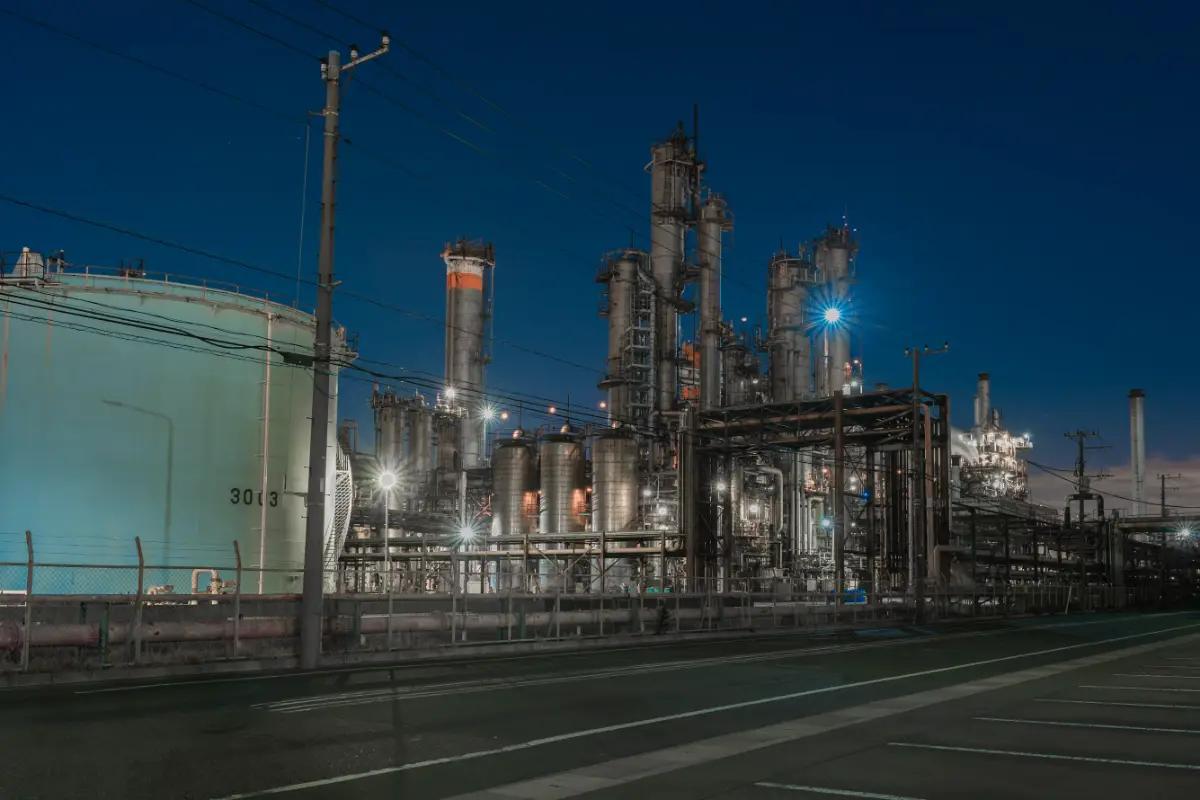
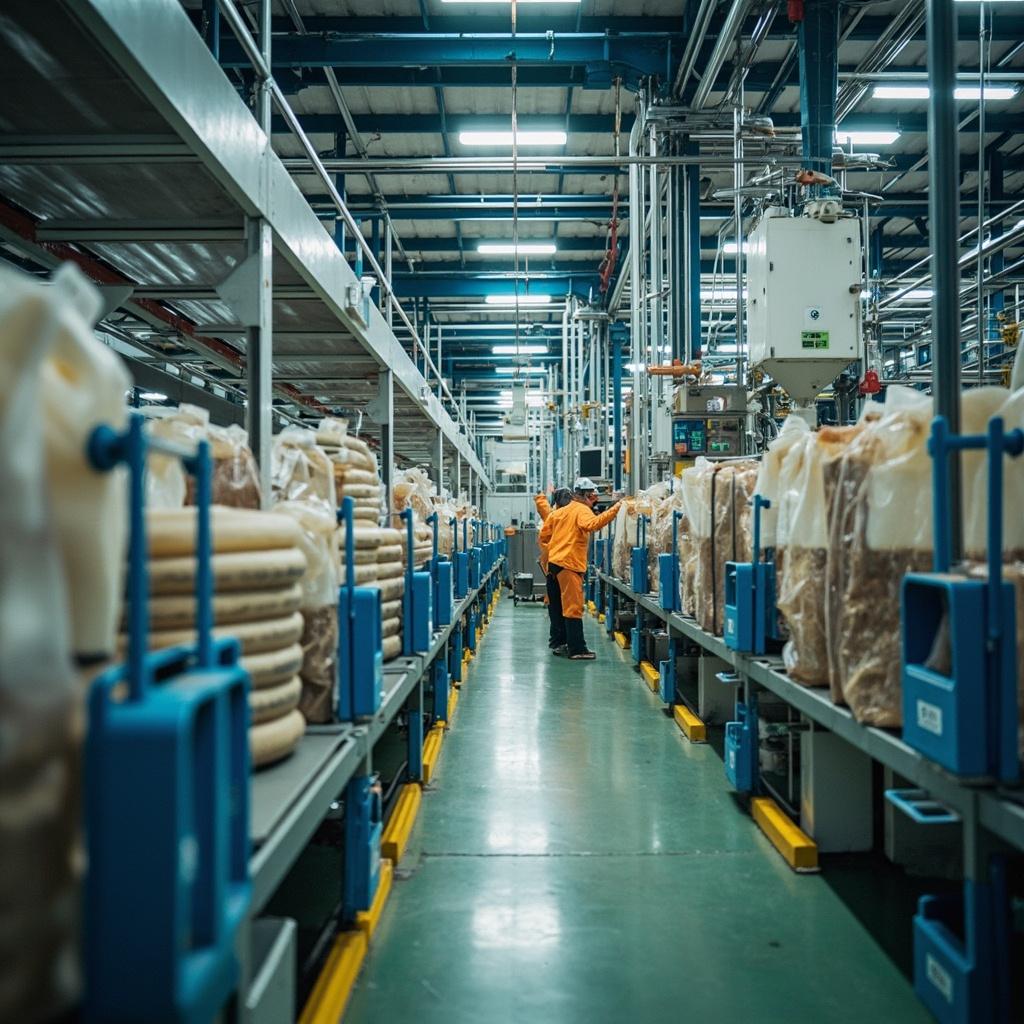
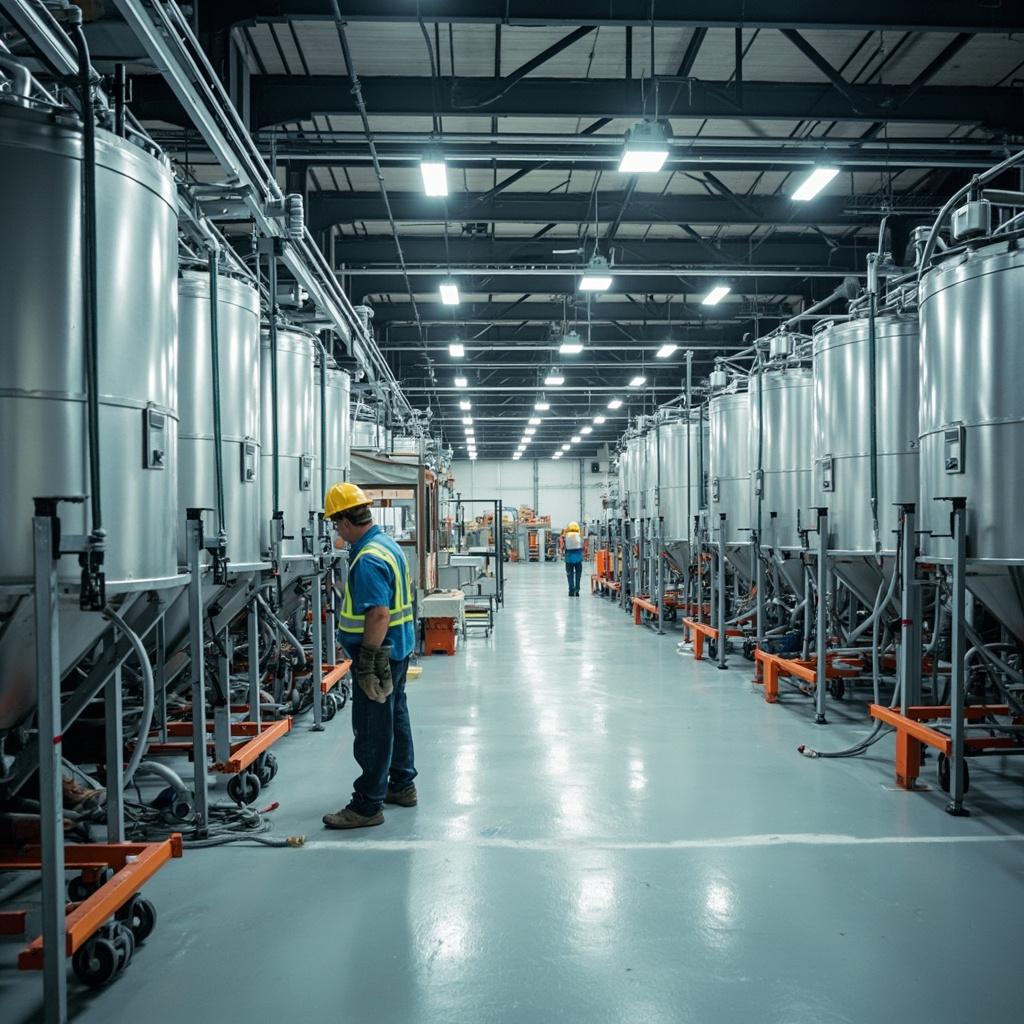
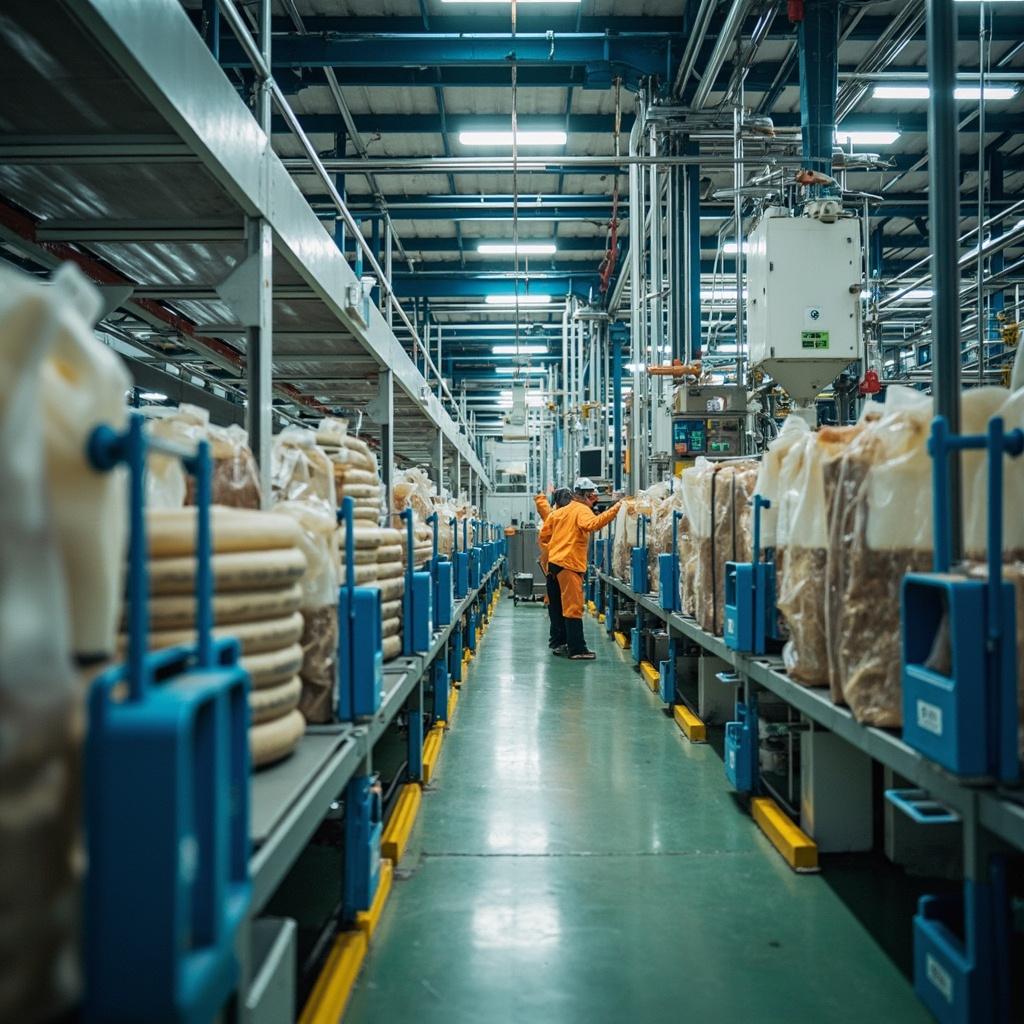
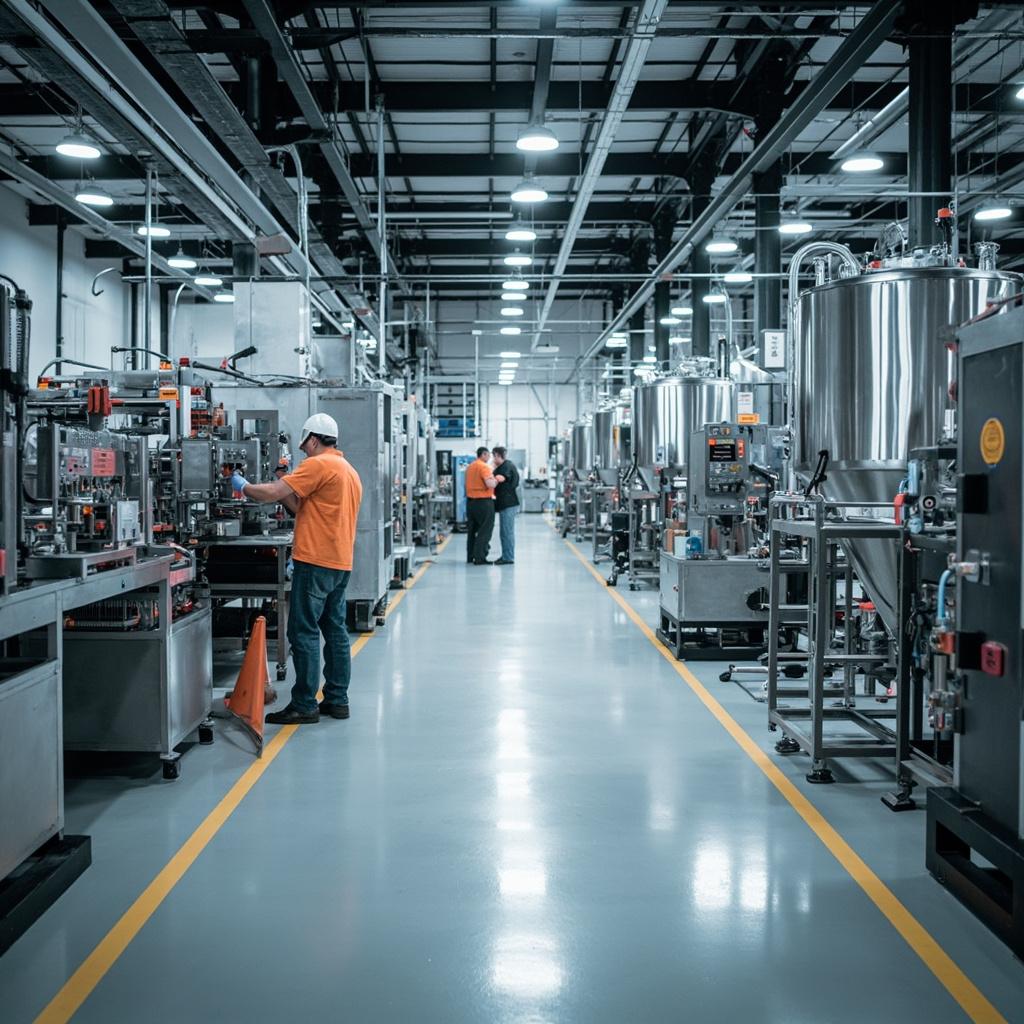
维瑞评级采用严格的多维度评估框架,专门针对资本密集型的塑料与生态材料制造业校准,在该行业中,生产资产和技术深度是最终的竞争护城河。 我们的方法对四个支柱赋予同等权重,每个支柱按0-100分评分,并辅以原始来源验证,包括公司年报、美国证券交易委员会文件以及工厂级生产数据。
生产规模(权重25%)是评估的基石,量化指标包括以百万吨计的年度聚合物产量、自有制造设施的数量和地理分布,以及对绿地项目和棕地产能扩张的资本支出承诺。 该支柱大幅奖励像巴斯夫和陶氏这样运营世界级乙烯裂解装置和多基地一体化综合体的公司,同时惩罚依赖合同制造或代工安排的轻资产运营商。
技术整合(权重25%)评估制造商垂直控制深度——从上游单体合成(石脑油裂解、乙烷脱氢)经中游聚合到下游共混和母料配方。 控制专有催化剂技术、聚烯烃工艺许可组合(如利安德巴塞尔的Spheripol和Spherizone平台)以及内部研发专利深度的公司获得高分。这一维度将真正的技术所有者与在公开市场购买基础树脂的大宗商品共混商区分开来。
供应链覆盖(权重25%)评估制造基地的地理多元化、包装、汽车、建筑、电子和医疗终端市场的客户集中度风险,以及在区域中断(包括能源成本冲击、关税制度和物流瓶颈)中表现出的韧性。 拥有跨多个大洲的生产设施并服务平衡客户组合的制造商——如沙特基础工业公司,凭借中东原料优势结合亚洲和欧洲的共混业务——在这一维度得分最高。
可持续性与合规(权重25%)衡量生物基和再生聚合物产量、ISCC PLUS认证生产线、化学回收能力(热解、解聚、溶剂解),以及经科学碳目标倡议验证的净零目标进展。 强制性红线标准排除任何缺乏自有生产资产的公司;纯品牌运营商和依赖原始设备制造商的贸易商被系统性地过滤掉,无论其可持续性声明如何,确保只有拥有可验证范围1-3排放数据的实质性制造商才有资格纳入排名。
VerityRank employs a rigorous, multi-dimensional evaluation framework specifically calibrated for the capital-intensive plastics and eco-materials manufacturing industry, where production assets and technological depth are the ultimate competitive moats. Our methodology assigns equal weight to four pillars, each scored on a 0-100 scale and supported by primary-source verification including company annual reports, SEC filings, and factory-level production data.
Production Scale (25% weighting) anchors the evaluation, quantifying annual polymer output measured in millions of tonnes, the number and geographic distribution of self-owned manufacturing facilities, and capital expenditure (CAPEX) commitments to greenfield and brownfield capacity expansions. This pillar heavily rewards companies like BASF and Dow that operate world-scale ethylene crackers and multi-site Verbund complexes, while penalizing asset-light operators that rely on contract manufacturing or tolling arrangements.
Technological Integration (25% weighting) assesses the depth of a manufacturer's vertical control — from upstream monomer synthesis (naphtha cracking, ethane dehydrogenation) through midstream polymerization to downstream compounding and masterbatch formulation. Companies controlling proprietary catalyst technologies, polyolefin process licensing portfolios (such as LyondellBasell's Spheripol and Spherizone platforms), and in-house R&D patent depth receive premium scores. This dimension distinguishes true technology owners from commodity compounders who purchase base resins on the open market.
Supply Chain Reach (25% weighting) evaluates geographic diversification of manufacturing bases, customer concentration risk across packaging, automotive, construction, electronics, and healthcare end-markets, and demonstrated resilience against regional disruptions including energy cost shocks, tariff regimes, and logistics bottlenecks. Manufacturers with production facilities spanning multiple continents and serving balanced customer portfolios — such as SABIC with its Middle East feedstock advantage combined with Asian and European compounding operations — score highest on this dimension.
Sustainability & Compliance (25% weighting) measures bio-based and recycled polymer production volumes, ISCC PLUS certified manufacturing lines, chemical recycling capacity (pyrolysis, depolymerization, solvolysis), and demonstrable progress toward net-zero targets validated by SBTi. A mandatory red-line criterion excludes any company lacking self-owned production assets; pure brand operators and OEM-dependent traders are systematically filtered out regardless of their sustainability claims, ensuring that only substantive manufacturers with verifiable Scope 1-3 emissions data qualify for ranking inclusion.
全球塑料与生态材料行业的制造卓越不仅由产量定义,而是资产质量、原料灵活性、能源效率以及在整个石化周期中盈利运营能力的综合体现——这些品质将行业巨头与边缘生产商区分开来。 最关键的区别在于拥有世界级的一体化生产综合体——业内称为一体化或炼化一体化基地——其中热量、蒸汽、原料和副产品流在装置之间系统性地梯级利用,以最大化资源产出并最小化每吨生产成本。
在2022年后的能源格局中,原料灵活性已成为决定性的竞争优势,欧洲石脑油基裂解装置面临结构性成本劣势,而北美乙烷基裂解装置和中东混合进料裂解装置(可获取补贴的天然气液)则占优。 制造商在原料(石脑油、乙烷、丙烷、丁烷,以及越来越多的生物石脑油和化学回收热解油)之间切换的能力,决定了其在原油与天然气价格比大幅波动时的利润韧性。巴斯夫在中国湛江投资建设100%可再生能源驱动的蒸汽裂解装置,代表了原料战略的下一个前沿,将聚合物生产完全与化石燃料价格波动脱钩。
运营资产利用率和铭牌产能实现率是制造能力最透明的指标,可直接从季度生产报告和分部级财务披露中看出。 在2024-2025年行业低迷期——被利安德巴塞尔管理层描述为“历史上最长的下行周期之一”——保持利用率高于80%而竞争对手闲置产能的制造商,展现了优越的成本结构和客户合同质量。陶氏在美国墨西哥湾沿岸设施连续三年创下乙烯生产纪录,即使在全球需求疲软的情况下,也说明了原料优势资产凭借长期承购协议维持产能利用率,无论现货市场状况如何。
从线性制造向循环制造的转型代表了行业决定性的技术挑战,也是到2035年资本配置决策的主要驱动力。 制造卓越日益要求同时具备三种生产范式的能力:传统原生聚合物生产、机械回收(分拣、清洗、再造粒)和先进化学回收(热解油提质、解聚为单体)。利安德巴塞尔的Circulen产品组合——涵盖机械回收、先进回收和生物属性等级——以及其2025年同比增长65%达到30万吨的销量,展示了当下游品牌面临强制性回收含量目标时,循环生产能力如何直接转化为收入增长。
Manufacturing excellence in the global plastics and eco-materials industry is defined not merely by output volume but by an integrated combination of asset quality, feedstock flexibility, energy efficiency, and the ability to profitably operate across the full petrochemical cycle — qualities that separate the industry's super-majors from marginal producers. The most critical differentiator is ownership of world-scale, integrated production complexes — known in the industry as Verbund or integrated refinery-petrochemical sites — where heat, steam, feedstock, and byproduct streams are systematically cascaded between units to maximize resource yield and minimize per-tonne production costs.
Feedstock flexibility has emerged as a decisive competitive advantage in the post-2022 energy landscape, where European naphtha-based crackers face structural cost disadvantages versus North American ethane-based crackers and Middle Eastern mixed-feed crackers with access to subsidized natural gas liquids. A manufacturer's ability to switch between feedstocks — naphtha, ethane, propane, butane, and increasingly bio-naphtha and pyrolysis oil from chemical recycling — determines its margin resilience when crude-to-gas price ratios swing dramatically. BASF's investment in a 100% renewable-energy-powered steam cracker in Zhanjiang, China, exemplifies the next frontier of feedstock strategy, decoupling polymer production from fossil fuel price volatility entirely.
Operational asset utilization rates and nameplate capacity realization are the most transparent indicators of manufacturing competence, directly visible in quarterly production reports and segment-level financial disclosures. During the 2024-2025 industry downturn — described by LyondellBasell management as 'one of the longest down cycles in history' — manufacturers maintaining utilization rates above 80% while competitors idled capacity demonstrated superior cost structures and customer contract quality. Dow's achievement of three consecutive annual ethylene production records at its U.S. Gulf Coast facilities, even amid global demand weakness, illustrates how feedstock-advantaged assets anchored by long-term offtake agreements sustain throughput regardless of spot market conditions.
The transition from linear to circular manufacturing represents the industry's defining technological challenge and the primary driver of capital allocation decisions through 2035. Manufacturing excellence increasingly requires simultaneous competence in three production paradigms: conventional virgin polymer production, mechanical recycling (sorting, washing, regranulation), and advanced chemical recycling (pyrolysis oil upgrading, depolymerization to monomer). LyondellBasell's Circulen portfolio — encompassing mechanically recycled, advanced recycled, and bio-attributed grades — and its 65% year-over-year volume growth to 300,000 tonnes in 2025 demonstrates how circular production competence directly translates to revenue growth when downstream brands face mandatory recycled content targets.
顶级塑料与生态材料制造商运营多层质量保证体系,涵盖来料检验、在线光谱监测、成品力学测试以及符合汽车IATF 16949、医疗ISO 13485和食品接触EU 10/2011监管框架的可追溯系统。 与离散制造中缺陷在最终检验时被发现不同,聚合物生产需要实时过程分析技术,因为生产中产生的规格外树脂无法经济地返工——必须降级、折价销售或完全丢弃,直接影响毛利率。
在聚合阶段,制造商部署在线粘度测量、凝胶渗透色谱和差示扫描量热法,持续监测分子量分布、熔融指数、多分散性和结晶度——这些是决定聚合物加工行为和最终使用力学性能的基本参数。 对于用于汽车发动机罩下的工程塑料,额外测试协议验证热变形温度(ASTM D648)、悬臂梁缺口冲击强度(ASTM D256)和拉伸强度(ASTM D638),每个生产批次在发货前都需要认证测试报告。领先制造商拥有ISO/IEC 17025认可的实验室,能够执行全套ASTM、ISO和EN标准,无需外包给第三方实验室,将周转时间从数周缩短至数小时。
对于食品接触和医疗级聚合物,质量控制超越物理性能,涵盖可提取物和浸出物测试、通过顶空GC-MS进行的残留单体定量,以及EU 10/2011和FDA 21 CFR 175-178规定的模拟使用条件下的迁移测试。 巴斯夫和沙特基础工业公司维护专用的食品接触生产线,具有完全的材料隔离、要求QC经理签字才能放行的阳性释放协议以及年度第三方审计。一次食品接触合规失败的成本——包括产品召回、监管调查和品牌客户除名——可能超过5000万美元,使QC投资成为不可协商的保险费而非可自由支配的开支。
对于新兴的生物基和再生聚合物类别,质量控制面临独特挑战,因为消费后废物流和农业生物质中的原料变异性引入了原生石化原料中不存在的成分波动。 像Braskem(其甘蔗基生物PE)和金发科技(其消费后再生聚丙烯)这样的制造商开发了专有纯化、过滤和稳定剂添加剂包,以补偿原料异质性,实现接近原生材料的力学性能保持。先进分析技术包括用于污染物识别的热解-GC/MS和用于长期热稳定性的氧化诱导时间分析(ASTM D3895),已成为循环聚合物的标准QC协议,建立了将复杂回收商与简单机械研磨商区分开的新技术壁垒。
Top-tier plastics and eco-materials manufacturers operate multi-layered quality assurance ecosystems that span incoming raw material inspection, in-process spectroscopic monitoring, finished product mechanical testing, and traceability systems compliant with automotive IATF 16949, medical ISO 13485, and food-contact EU 10/2011 regulatory frameworks. Unlike discrete manufacturing where defects are detected at final inspection, polymer production requires real-time process analytical technology (PAT) because off-specification resin produced mid-run cannot be economically reworked — it must be downgraded, sold at a discount, or discarded entirely, directly impacting gross margins.
At the polymerization stage, manufacturers deploy inline viscometry, gel permeation chromatography (GPC), and differential scanning calorimetry (DSC) to continuously monitor molecular weight distribution, melt flow index (MFI), polydispersity index, and crystallinity — the fundamental parameters that determine a polymer's processing behavior and end-use mechanical properties. For engineering plastics destined for automotive under-hood applications, additional testing protocols validate heat deflection temperature (HDT) per ASTM D648, notched Izod impact resistance per ASTM D256, and tensile strength per ASTM D638, with every production lot requiring certified test reports before shipment release. Leading manufacturers maintain ISO/IEC 17025 accredited in-house laboratories capable of performing the full battery of ASTM, ISO, and EN standards without outsourcing to third-party labs, reducing turnaround time from weeks to hours.
For food-contact and medical-grade polymers, quality control extends beyond physical properties to encompass extractables and leachables (E&L) testing, residual monomer quantification via headspace GC-MS, and migration testing under simulated use conditions specified in EU Regulation 10/2011 and FDA 21 CFR 175-178. BASF and SABIC maintain dedicated food-contact production lines with full material segregation, positive-release protocols requiring QC manager sign-off before shipment, and annual third-party audits. The cost of a single food-contact compliance failure — including product recall, regulatory investigation, and brand customer delisting — can exceed $50 million, making QC investment a non-negotiable insurance premium rather than a discretionary expense.
For the emerging bio-based and recycled polymer categories, quality control faces unique challenges because feedstock variability in post-consumer waste streams and agricultural biomass introduces compositional fluctuations absent in virgin petrochemical feedstocks. Manufacturers like Braskem with its sugarcane-derived bio-PE and Kingfa with its post-consumer recycled (PCR) polypropylene have developed proprietary purification, filtration, and stabilizer additive packages that compensate for feedstock heterogeneity, achieving near-virgin mechanical property retention. Advanced analytical techniques including pyrolysis-GC/MS for contaminant identification and oxidative induction time (OIT) analysis per ASTM D3895 for long-term thermal stability have become standard QC protocols for circular polymers, establishing a new technical barrier that separates sophisticated recyclers from simple mechanical regrinders.
全球塑料制造格局正被四个汇聚的大趋势根本性重塑——东西方生产成本分化、法规驱动的再生含量要求、生物原料商业化以及通过并购进行的主权资本干预——这些趋势共同威胁着2020年前商业模式的可行性。 理解这些趋势对于采购专业人士、投资者和政策制定者至关重要,他们正在一个战略剧本实时重写的行业中导航。
东西方生产成本分化是最直接且财务影响最大的趋势,由欧洲历史能源成本优势的永久丧失驱动。 欧洲塑料制造的全球市场份额从2006年的22%暴跌至2024年的12%,该大陆每年净进口160万吨塑料材料。主要机制并非技术劣势,而是不可逾越的能源成本差距:欧洲裂解装置支付的天然气和电力价格是美国墨西哥湾沿岸和中东同行的3-5倍。这引发了前所未有的产能合理化浪潮——陶氏关闭其德国伯伦裂解装置、塞拉尼斯闲置欧洲生产线——同时推动了亚洲投资向西流动的反向趋势,例如金发科技在墨西哥和波兰新建共混工厂,旨在服务西方客户同时规避关税风险。
法规驱动的再生含量要求正将可持续性从自愿营销倡议转变为法律上可执行的生产要求,创造了远超当前供应能力的结构性再生和生物基聚合物需求。 欧盟包装与包装废弃物法规要求到2030年塑料包装中最低再生含量百分比,加上30多个国家的生产者延伸责任计划,意味着包装加工商必须提前数年确保认证循环聚合物的保证量。这一法规强制功能解释了为何利安德巴塞尔的Circulen销量同比增长65%,以及陶氏承诺到2030年实现300万吨年循环和可再生聚合物产出——这些并非雄心勃勃的目标,而是对面临强制性合规期限的主要品牌客户的合同义务。
生物原料商业化已跨越关键门槛,Braskem的甘蔗基生物聚乙烯(26万吨/年产能)和通过质量平衡认证的生物属性聚丙烯证明,可再生聚合物可以在性能上竞争,同时从注重可持续性的品牌所有者那里获得溢价定价。 2025-2026年的关键发展并非增量产能增加,而是出现了一条通往成本平价的可信路径:Braskem与SCG在泰国的合资企业建设亚洲首个生物乙烯工厂,表明生物聚合物生产不再局限于巴西独特的乙醇经济。同时,巴斯夫的生物质平衡方法——通过ISCC PLUS质量平衡核算使用认证可再生原料分配——提供了一种资本高效的桥梁战略,避免了专用生物单体工厂数十亿美元的成本,同时为下游客户提供可验证的碳足迹减少。
通过战略并购进行的主权资本干预,以2025年底ADNOC/XRG以117亿欧元收购科思创为例,引入了一种新的竞争动态,其中国家产业政策目标凌驾于传统股东价值最大化逻辑之上。 ADNOC-科思创交易模式——将中东原料和资本充裕与欧洲特种聚合物技术配对——代表了对独立西方化工公司的结构性威胁,这些公司夹在亚洲成本竞争对手和现在由主权资助的欧洲技术整合者之间。这一趋势预计将加速,私募股权和主权财富基金正在积极筛选先进回收、生物聚合物和高性能工程塑料领域的收购目标,在本十年内从根本上改变行业所有权结构。
The global plastics manufacturing landscape is being fundamentally restructured by four converging megatrends — East-West production cost divergence, regulatory-driven recycled content mandates, bio-feedstock commercialization, and sovereign capital intervention via M&A — that collectively threaten the viability of pre-2020 business models. Understanding these trends is essential for procurement professionals, investors, and policy makers navigating a sector where the strategic playbook is being rewritten in real time.
The East-West production cost divergence represents the most immediate and financially consequential trend, driven by the permanent loss of Europe's historical energy cost advantage. European plastics manufacturing's global market share has collapsed from 22% in 2006 to 12% in 2024, with the continent becoming a net importer of 1.6 million tonnes of plastic materials annually. The primary mechanism is not technological inferiority but an insurmountable energy cost gap: European crackers pay 3-5x more for natural gas and electricity than their U.S. Gulf Coast and Middle Eastern counterparts. This has triggered an unprecedented wave of capacity rationalization — Dow's closure of its Böhlen, Germany cracker, Celanese's idling of European production lines — and simultaneously driven a counter-flow of Asian investment westward, exemplified by Kingfa's new compounding plants in Mexico and Poland designed to serve Western customers while bypassing tariff exposure.
Regulatory-driven recycled content mandates are converting sustainability from a voluntary marketing initiative into a legally enforceable production requirement, creating structural demand for recycled and bio-based polymers that far exceeds current supply capacity. The EU Packaging and Packaging Waste Regulation (PPWR) mandating minimum recycled content percentages in plastic packaging by 2030, combined with extended producer responsibility (EPR) schemes in over 30 countries, means that packaging converters must secure guaranteed volumes of certified circular polymers years in advance. This regulatory forcing function explains why LyondellBasell's Circulen sales grew 65% year-over-year and Dow committed to 3 million tonnes of annual circular and renewable polymer output by 2030 — these are not aspirational targets but contractual obligations to major brand customers facing mandatory compliance deadlines.
Bio-feedstock commercialization has crossed a critical threshold, with sugarcane-derived bio-polyethylene from Braskem (260,000 tonnes/year capacity) and bio-attributed polypropylene via mass-balance certification demonstrating that renewable polymers can compete on performance while commanding premium pricing from sustainability-conscious brand owners. The key development in 2025-2026 is not incremental capacity addition but the emergence of a credible pathway to cost parity: Braskem's joint venture with SCG in Thailand for Asia's first bio-ethylene plant signals that bio-polymer production is no longer confined to Brazil's unique ethanol economics. Simultaneously, BASF's biomass-balanced approach — using certified renewable feedstock allocation via ISCC PLUS mass-balance accounting — provides a capital-efficient bridge strategy that avoids the multi-billion-dollar cost of dedicated bio-monomer plants while delivering verifiable carbon footprint reduction for downstream customers.
Sovereign capital intervention via strategic M&A, exemplified by ADNOC/XRG's acquisition of Covestro for €11.7 billion in late 2025, introduces a new competitive dynamic where national industrial policy objectives override traditional shareholder value maximization logic. The ADNOC-Covestro transaction pattern — pairing Middle Eastern feedstock and capital abundance with European specialty polymer technology — represents a structural threat to independent Western chemical companies caught between Asian cost competitors and now sovereign-funded European technology consolidators. This trend is expected to accelerate, with private equity and sovereign wealth funds actively screening acquisition targets in advanced recycling, bio-polymers, and high-performance engineering plastics, fundamentally altering the industry's ownership structure within this decade.
维瑞评级每季度更新其十大塑料与生态材料制造商和供应商排名,并在全年财务报告周期触发下进行全面的年度重新评估,同时辅以对可能改变制造商竞争地位的实质性事件的实时监控——包括并购交易、重大产能增加、监管行动以及重大环境或安全事故。 这种多层次的更新节奏平衡了对及时、可操作情报的需求,以及在资本密集型行业中保持排名可信度所需的方法严谨性,在该行业中战略转变需要数季度而非数天。
季度更新纳入最新的财务披露,包括来自10-Q文件、财报电话会议记录和证券交易所公告的收入、EBITDA、运营现金流和分部级产量,使维瑞评级能够在公司报告后的数周内跟踪产能利用率趋势、利润率压缩或扩张以及资本支出部署率。 当制造商报告产量实质性下降、宣布重大资产减值(如陶氏2025年6.9亿美元的聚氨酯费用)或披露其回收能力路线图变化时,维瑞评级的分析师团队会在下一个季度发布周期内更新受影响的评估支柱——特别是生产规模和可持续性与合规。
年度全面重新评估在第四季度/全年报告季(通常在3-4月)后进行,涉及使用经审计的财务报表、第三方保证机构验证的可持续发展报告以及来自Grand View Research、Fortune Business Insights、Plastics Europe和European Bioplastics的更新第三方市场数据,对所有四个评估支柱进行完整重新评分。 这一年度周期还纳入了竞争格局的结构性变化——例如ADNOC/XRG收购科思创,这从根本上改变了后者的资本结构和战略方向——并调整排名以反映交易后的现实。执行了重大并购、投产主要产能(如巴斯夫湛江一体化基地在2026年达到全面运营状态)或实质性改变其回收和生物聚合物产量的制造商,可能会看到排名位置变化一到三位。
对实质性事件的实时监控持续进行,维瑞评级的研究团队跟踪监管文件、行业媒体和专有供应链情报,以识别可能触发非周期排名修订的事态发展——包括灾难性生产中断(主要裂解装置宣布不可抗力)、变革性并购公告、超过1亿美元的环境责任判决,或从根本上改变原料经济的政府政策变化(如碳边境调节机制或塑料税制)。 当此类事件发生时,维瑞评级发布一份临时研究报告,评估对受影响制造商支柱得分的影响,如果总得分变化超过5分,则实施非周期排名更新并附上解释性方法说明。维瑞评级电子邮件提醒和RSS订阅者会收到所有排名更新的通知,每个排名页面上发布的日期反映最新评估日期。
VerityRank updates its Top 10 Plastics & Eco-Materials Manufacturers & Suppliers ranking on a quarterly basis, with comprehensive annual reassessments triggered by full-year financial reporting cycles, supplemented by real-time monitoring for material events that could alter a manufacturer's competitive position — including M&A transactions, major capacity additions, regulatory actions, and significant environmental or safety incidents. This multi-tiered update cadence balances the need for timely, actionable intelligence with the methodological rigor required to maintain ranking credibility in a capital-intensive industry where strategic shifts unfold over quarters rather than days.
Quarterly updates incorporate the latest financial disclosures including revenue, EBITDA, operating cash flow, and segment-level production volumes from 10-Q filings, earnings call transcripts, and stock exchange announcements, allowing VerityRank to track capacity utilization trends, margin compression or expansion, and CAPEX deployment rates within weeks of company reporting. When a manufacturer reports a material decline in production volumes, announces a significant asset impairment (such as Dow's $690 million polyurethanes charge in 2025), or discloses a change in its recycling capacity roadmap, VerityRank's analyst team updates the affected evaluation pillars — particularly Production Scale and Sustainability & Compliance — within the next quarterly publication cycle.
Annual comprehensive reassessments, conducted following the Q4/FY reporting season (typically March-April), involve a full re-scoring across all four evaluation pillars using audited financial statements, sustainability reports verified by third-party assurance providers, and updated third-party market data from Grand View Research, Fortune Business Insights, Plastics Europe, and European Bioplastics. This annual cycle also incorporates structural changes in the competitive landscape — such as ADNOC/XRG's acquisition of Covestro, which fundamentally altered the latter's capital structure and strategic direction — and adjusts rankings to reflect post-transaction realities. Manufacturers that have executed significant M&A, commissioned major capacity (such as BASF's Zhanjiang Verbund site reaching full operational status in 2026), or materially changed their recycling and bio-polymer production volumes may see ranking position changes of one to three places.
Real-time monitoring for material events operates continuously, with VerityRank's research team tracking regulatory filings, trade press, and proprietary supply chain intelligence to identify developments that could warrant an off-cycle ranking revision — including catastrophic production disruptions (force majeure declarations at major crackers), transformative M&A announcements, environmental liability judgments exceeding $100 million, or changes in government policy that fundamentally alter feedstock economics (such as carbon border adjustment mechanisms or plastic taxation regimes). When such events occur, VerityRank publishes an interim research note assessing the impact on the affected manufacturer's pillar scores and, if the aggregate score change exceeds five points, implements an out-of-cycle ranking update with an explanatory methodology note. Subscribers to VerityRank's email alerts and RSS feed receive notifications of all ranking updates, and the published date on each ranking page reflects the most recent assessment date.