金属冶炼加工业是将原始金属矿石和回收废料转化为可用纯金属及合金的基础产业。它涉及冶炼(通过加热提取金属)、精炼(提纯)和成型(如轧制或铸造)等工艺,生产出构成文明支柱的材料。从建筑、汽车、智能手机到风力涡轮机和医疗设备,几乎所有现代产品都依赖该行业加工的金属。它连接采矿和制造业,为建筑、交通、能源和先进技术提供关键材料。
VerityRank的制造商排名建立在一个专有评估框架之上,该框架严格排除轻资产企业,仅评估拥有大量、独立控制的实体生产基础设施的公司。我们的方法论在四个权重相等的维度上评估制造商:生产规模与能力(25%)衡量2025年实际产出数据——粗钢吨位、原铝产量和阴极铜产量——以及总制造设施占地面积;品类覆盖与垂直整合(25%)评估在七个核心金属冶炼类别中的业务深度一致性,以及原材料自给率和自备能源整合;技术与工艺创新(25%)评估先进制造技术,包括电炉、氢还原、AI过程控制和特种合金能力;可持续性与供应链韧性(25%)衡量每吨碳强度、回收含量比例、ASI/LBMA认证和地理生产多样化。
制造商排名与公司排名有何不同?
公司排名评估更广泛的品牌影响力、市场存在和财务表现。制造商排名则专门关注实体生产能力——实际生产的金属吨位、拥有的冶炼设施数量、生产过程的工艺复杂程度以及供应链自主程度。在制造方面表现出色的公司可能与其在品牌导向评估中的排名不同。例如,江西铜业超过200万吨的阴极铜产能使其在制造排名中的位置高于其品牌认知度所暗示的。
生产数据如何验证?
生产数据来自公司年报(2025财年)、世界钢铁协会统计、世界金属统计局、伦敦金属交易所仓库数据和监管文件。我们将自我报告的生产数据与独立行业数据库和第三方验证(如有)进行交叉引用。分析产能利用率和同比生产变化以检测异常。
VerityRank's manufacturer rankings are built on a proprietary evaluation framework that rigorously excludes asset-light enterprises and exclusively evaluates companies with substantial, independently controlled physical production infrastructure. Our methodology assesses manufacturers across four equally weighted dimensions: Production Scale & Capacity (25%) measuring actual 2025 output data—crude steel tonnage, primary aluminum output, and cathode copper production—alongside total manufacturing facility footprint; Category Coverage & Vertical Integration (25%) evaluating depth of business alignment across seven core metal smelting categories plus self-sufficiency in raw materials and captive energy integration; Technology & Process Innovation (25%) assessing advanced manufacturing technologies including EAF, hydrogen reduction, AI process control, and specialty alloy capabilities; and Sustainability & Supply Chain Resilience (25%) measuring carbon intensity per tonne, recycled content ratios, ASI/LBMA certifications, and geographic production diversification.
What differentiates manufacturer rankings from company rankings?
The Company ranking evaluates broader brand influence, market presence, and financial performance. The Manufacturer ranking focuses exclusively on physical production capability—the actual tonnes of metal produced, the number of smelting facilities owned, the technological sophistication of production processes, and the degree of supply chain autonomy. Companies excelling in manufacturing may rank differently than in brand-oriented assessments. For example, Jiangxi Copper's 2+ million tonnes of cathode copper capacity places it higher in manufacturing rankings than its brand recognition would suggest.
How is production data verified?
Production data is sourced from company annual reports (FY2025), World Steel Association statistics, World Bureau of Metal Statistics, London Metal Exchange warehouse data, and regulatory filings. We cross-reference self-reported production figures against independent industry databases and third-party verification where available. Capacity utilization rates and year-over-year production changes are analyzed to detect anomalies.
该行业正经历由两大趋势驱动的深刻变革:绿色转型和数字化。为减少大量碳排放,企业正投资于氢基直接还原、使用废料的电弧炉以及碳捕集技术。电动汽车和可再生能源的转型正在提升对铜和锂等特定金属的需求。同时,工业4.0技术(物联网、人工智能、自动化)被用于优化能源使用、预测性维护和提高安全性。其他关键趋势包括增加回收利用(循环经济)以及关键矿产的供应链多元化。
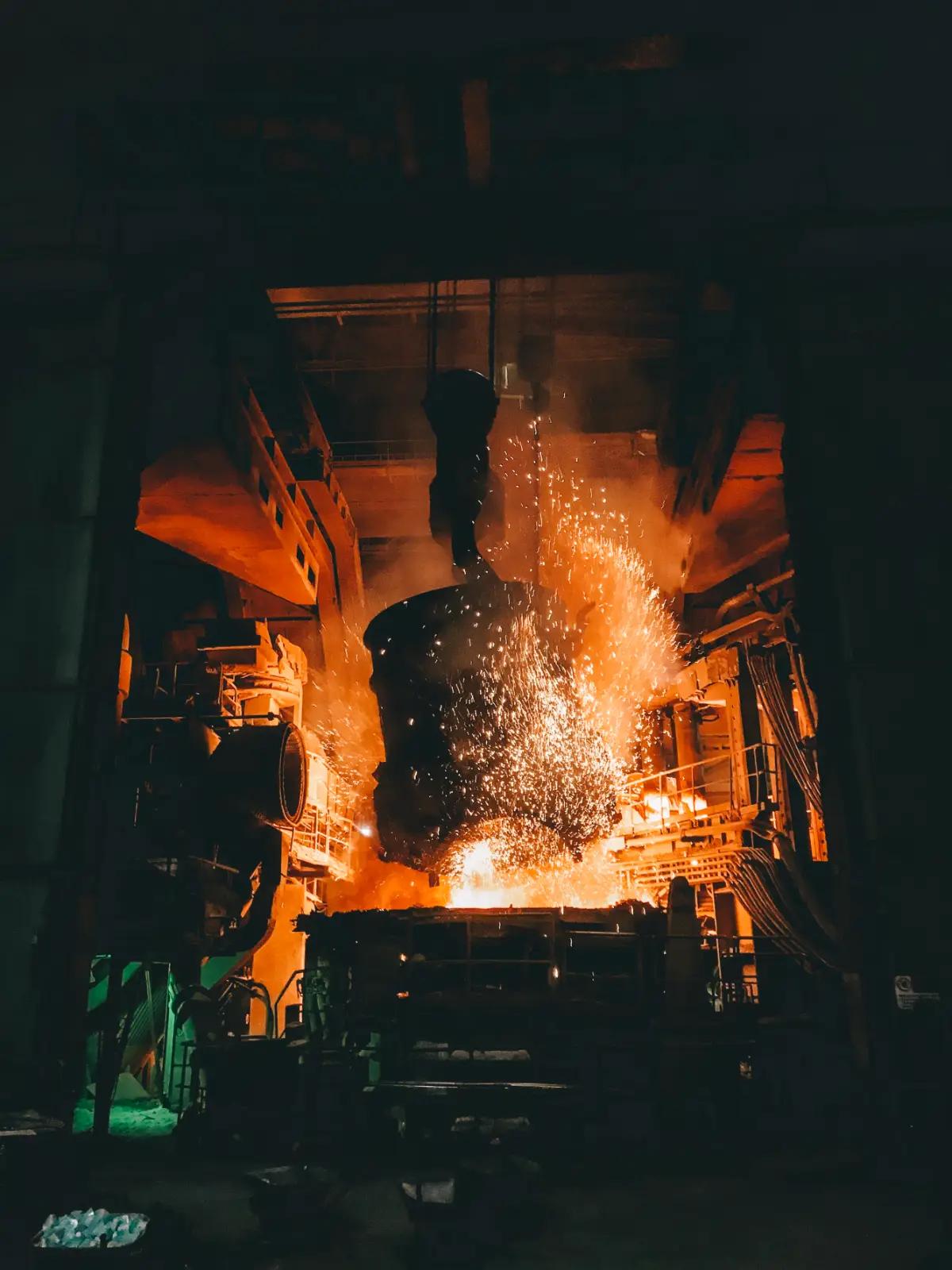
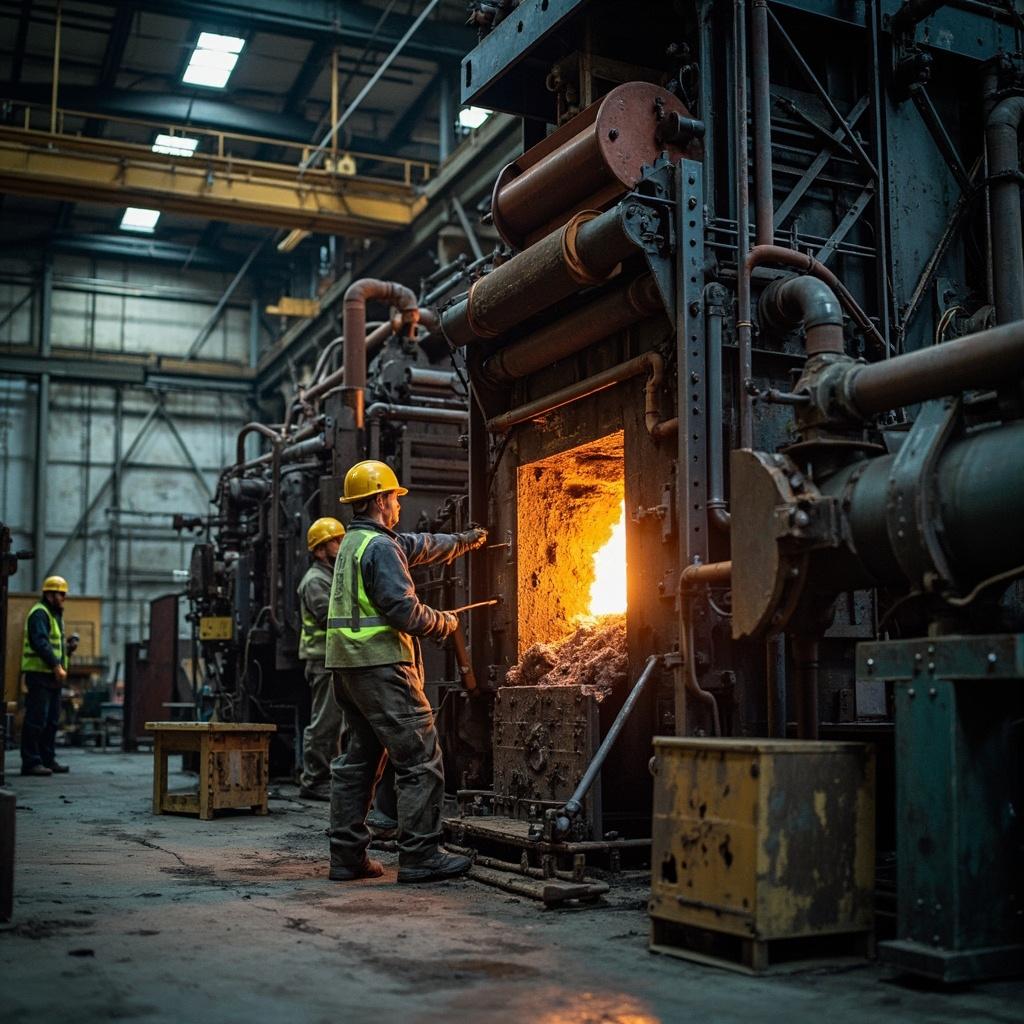
钢铁和有色金属制造采用根本不同的生产工艺,每种工艺都有独特的成本结构、能源需求和环境足迹。钢铁制造主要通过两种途径进行。占主导地位的联合路线(高炉-转炉法)使用铁矿石、冶金煤和石灰石,在超过2000°C的高炉中生产铁水,然后在碱性氧气转炉中精炼成钢。中国宝武、安赛乐米塔尔和新日铁主要采用这种路线,每吨钢产生约1.8-2.0吨二氧化碳。另一种电弧炉路线使用电力熔化回收的废钢,碳排放量仅为前者的三分之一。纽柯是全球电弧炉先驱,安赛乐米塔尔正在积极扩大电弧炉产能。一个联合钢铁厂——如宝武的宝山基地——年产量可超过1500万吨,需要大量资本投资,但能实现显著的规模经济。
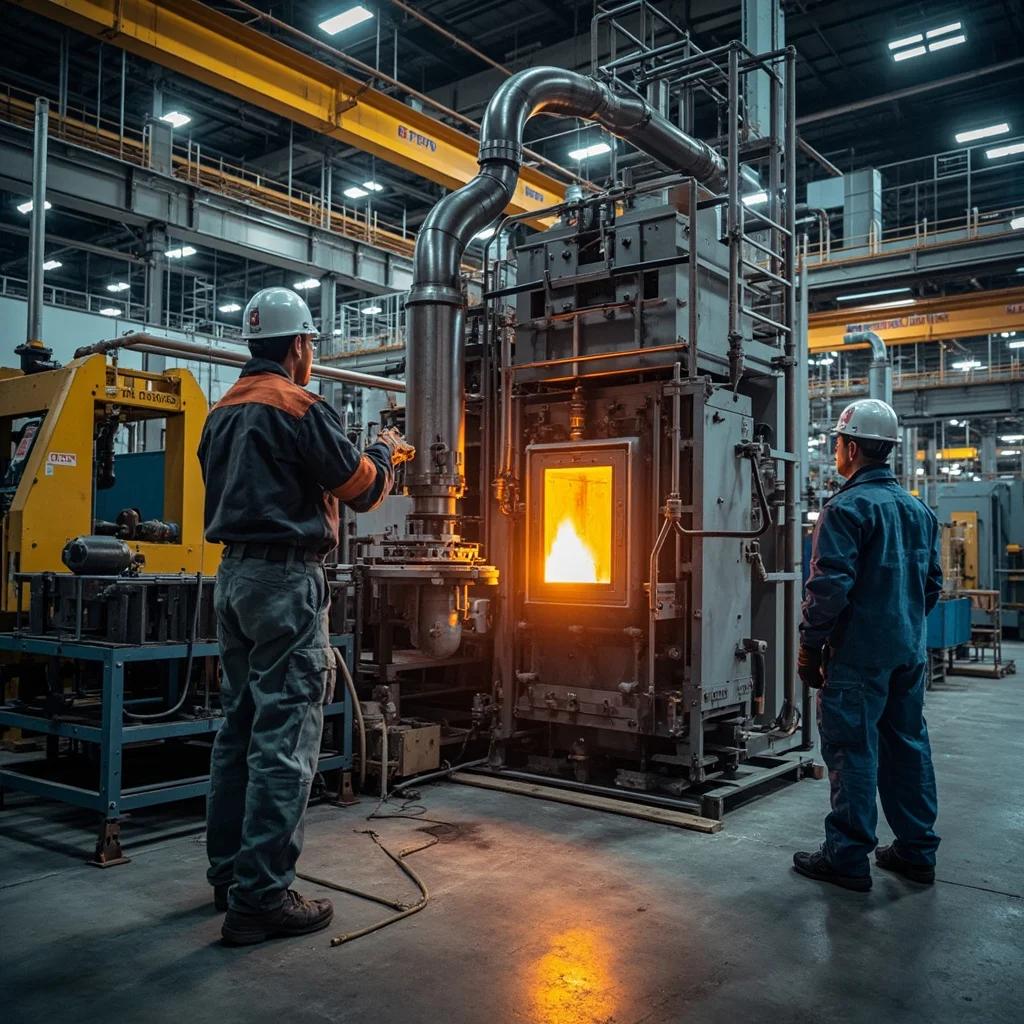
有色金属生产则面临完全不同的工程挑战。铝冶炼采用霍尔-埃鲁电解工艺,将巨大电流通过溶解在熔融冰晶石浴中的氧化铝。这种极高的电力强度——每吨铝15-16兆瓦时——使得电力成本成为主导竞争因素,这解释了为什么冶炼厂集中在廉价水电附近(如挪威的海德鲁、中国宏桥向云南的转移)或自备煤电(宏桥的山东基地)。铜生产遵循多阶段工艺:在闪速炉或熔池炉中熔炼精矿,生产98-99%纯度的粗铜,然后通过电解精炼达到99.99%的LME A级阴极铜。江西铜业的贵溪冶炼厂——全球最大的单一铜冶炼厂——以及奥鲁比斯的欧洲网络代表了大规模铜制造。从铜阳极泥中回收贵金属提供了重要的副产品收入流,奥鲁比斯在产出铜的同时,每年还生产数千吨黄金和白银。
Steel and non-ferrous metal manufacturing employ fundamentally different production processes, each with distinct cost structures, energy requirements, and environmental footprints. Steel manufacturing operates through two primary routes. The dominant integrated route (BF-BOF) uses iron ore, metallurgical coal, and limestone in blast furnaces operating above 2,000°C to produce molten iron, which is then refined into steel in basic oxygen furnaces. China Baowu, ArcelorMittal, and Nippon Steel primarily employ this route, which generates approximately 1.8-2.0 tonnes of CO2 per tonne of steel. The alternative electric arc furnace (EAF) route melts recycled scrap steel using electricity, producing one-third the carbon emissions. Nucor is the global EAF pioneer, and ArcelorMittal is aggressively expanding EAF capacity. A single integrated steelworks—like Baowu's Baoshan base—can produce over 15 million tonnes annually, requiring massive capital investment but achieving significant economies of scale.
Non-ferrous metal production presents entirely different engineering challenges. Aluminum smelting uses the Hall-Héroult electrolytic process, passing massive electrical currents through dissolved alumina in molten cryolite baths. This extraordinary electricity intensity—15-16 MWh per tonne of aluminum—makes power costs the dominant competitive factor, explaining why smelters cluster near cheap hydropower (Hydro in Norway, China Hongqiao's Yunnan transition) or captive coal generation (Hongqiao's Shandong base). Copper production follows a multi-stage process: concentrate smelting in flash or bath furnaces producing 98-99% pure blister copper, followed by electrolytic refining to 99.99% LME Grade-A cathodes. Jiangxi Copper's Guixi smelter—the world's largest single-site copper operation—and Aurubis's European network exemplify copper manufacturing at scale. Precious metal recovery from copper anode slimes provides significant by-product revenue streams, with Aurubis producing thousands of tonnes of gold and silver annually alongside its copper output.
金属冶炼与加工行业受多个关键因素影响,这些因素决定了竞争成败——从原材料质量和制造技术到法规合规性和市场定位。
1. 冶炼技术:高炉(铁)、闪速熔炼(铜)、霍尔-埃鲁法(铝)和电弧炉(钢铁回收)是核心工艺。
2. 能源强度:冶炼是能源最密集的工业过程之一——电力成本可占运营支出的20-40%。
3. 环境控制:二氧化硫捕集(转化为硫酸)、颗粒物过滤、水处理和炉渣管理对合规至关重要。
4. 碳转型:用于直接还原铁(DRI)的绿氢、铝的惰性阳极技术和碳捕集是关键的脱碳路径。
质量标准:金属冶炼与加工行业的领先企业通常以ISO 9001认证为基础,许多企业还持有行业特定认证。产品测试、材料可追溯性和第三方检验是基本的质量保证措施。可持续性认证正日益成为全球主要买家和监管机构的要求。
垂直整合可以说是金属冶炼和加工中最重要的竞争差异化因素,它决定了成本结构和供应安全。通过自有采矿业务控制上游原材料的完全整合制造商,拥有非整合竞争对手无法复制的结构性优势。安赛乐米塔尔是这一范式的典范:公司的铁矿石自给率从2024年的58%飙升至2025年的72%,自有储量37亿吨提供了数十年的原材料安全。在铁矿石价格飙升期间,整合生产商在采矿和冶炼阶段都能获取利润,而非整合竞争对手则面临利润压缩。
在铝行业,由于冶炼的极端能源强度,整合的必要性更为突出。中国宏桥的“火电-铝”模式——自备煤电实现46%的电力自给率——创造了依赖电网的竞争对手无法比拟的成本结构。该公司在几内亚的赢联盟铝土矿业务确保了世界级矿床的长期获取,完成了铝土矿-氧化铝-铝的整合链。海德鲁公司的模式代表了绿色整合范式:水力发电、铝土矿开采(Paragominas)、氧化铝精炼(Alunorte——中国以外全球最大的氧化铝厂)和原铝冶炼形成了一个整合的可再生能源到金属的生态系统。
对于铜而言,整合深度通过精矿供应安全和副产品回收能力来衡量。江西铜业的五座全资运营矿山为其贵溪冶炼厂提供自给原料,而其硫酸副产品(年产能超过6.53亿吨)在2025年初贡献了超过14.65%的毛利润——展示了副产品货币化如何抵消原生冶炼的利润压力。奥鲁比斯公司专有的凯泽回收系统代表了另一种整合范式:向下游垂直整合进入复杂废物处理领域,以获取传统冶炼厂无法处理的含金属原料。
Vertical integration is arguably the single most important competitive differentiator in metal smelting and processing, determining both cost structure and supply security. Fully integrated manufacturers that control upstream raw materials through captive mining operations enjoy structural advantages that non-integrated competitors cannot replicate. ArcelorMittal exemplifies this paradigm: the company's iron ore self-sufficiency surged from 58% in 2024 to 72% in 2025, with self-owned reserves of 3.7 billion tonnes providing decades of raw material security. During periods of iron ore price spikes, integrated producers capture margin at both mining and smelting stages, while non-integrated competitors face margin compression.
In the aluminum sector, the integration imperative is even more pronounced due to the extreme energy intensity of smelting. China Hongqiao's "thermal power-aluminum" model—captive coal generation achieving 46% electricity self-sufficiency—creates cost structures that grid-dependent competitors cannot match. The company's Winning Alliance bauxite operations in Guinea secure long-term access to world-class ore deposits, completing the bauxite-alumina-aluminum integration chain. Norsk Hydro's model represents the green integration paradigm: hydropower generation, bauxite mining (Paragominas), alumina refining (Alunorte—the world's largest outside China), and primary aluminum smelting form an integrated renewable energy-to-metal ecosystem.
For copper, integration depth is measured by concentrate supply security and by-product recovery capability. Jiangxi Copper's five 100%-owned operating mines provide captive feed for its Guixi smelter, while its sulfuric acid by-product (653+ million tonnes annual capacity) generated over 14.65% of gross profit in early 2025—demonstrating how by-product monetization can offset primary smelting margin pressure. Aurubis's proprietary Kayser Recycling System represents a different integration paradigm: vertically integrating downstream into complex waste processing to secure metal-bearing feedstocks that traditional smelters cannot process.
采购金属冶炼与加工产品需要全面评估供应商能力、质量体系、成本结构和合规资质。
1. 产品规格:化学成分、杂质限值、物理形态(锭、板坯、方坯、阳极、阴极)和尺寸公差。
2. 认证:带有炉号/批次可追溯性的工厂检验证书(MTC)、ISO 9001和行业特定标准(ASTM、EN、JIS、GB)。
3. 价格风险管理:金属价格波动剧烈——了解LME/SHFE/COMEX定价机制,协商基于公式的定价(交易所±升贴水),并考虑套期保值策略。
4. 物流:金属重量大、运输资金密集——评估运费、港口通达性、包装(捆扎、托盘化)和保险要求。
5. 可持续性:核实再生含量、碳足迹数据和环境合规记录。欧盟碳边境调节机制(CBAM)将从2026年起影响进口成本。
关键建议:尽可能实地考察供应商工厂,要求并核实第三方认证,先下试订单再承诺大批量采购,与多家合格供应商建立关系以降低集中风险。在采购协议中明确质量规格和检验流程。
全球金属制造商正面临数十年来最严重的原材料供应压力,其驱动因素包括矿石品位下降、地缘政治供应中断以及能源转型带来的指数级需求增长。铜市场提供了最鲜明的例证:2025年全球铜精矿处理和精炼费用(TC/RC)暴跌,因为矿山供应未能跟上冶炼厂产能扩张的步伐,导致一些中国边缘冶炼厂陷入负利润。江西铜业的应对措施——保持满负荷生产,同时依靠硫酸和贵金属副产品收入来弥补冶炼亏损——展示了多元化、规模优势运营商的韧性。该公司与第一量子矿业达成的5亿美元预付款协议,每年额外获得5万吨赞比亚铜阳极供应,体现了向上游精矿安全保障的战略转变。
在铝行业,铝土矿供应安全已成为决定性的战略考量。中国宏桥集团在几内亚的“赢联盟”——一个价值数十亿美元的综合性铝土矿开采、物流和出口项目——确保了长期获得高质量矿石,不受波动的海运市场条件影响。对于钢铁制造商而言,转向废钢基电弧炉生产既是一种脱碳战略,也是一种原材料多元化策略。安赛乐米塔尔的电弧炉扩建减少了对铁矿石和冶金煤的依赖,同时使公司能够利用发达经济体老旧基础设施退役带来的废钢供应结构性增长。
应对原材料压力最具创新性的回应是战略性地拥抱“城市采矿”。奥鲁比斯位于佐治亚州里士满的工厂——于2025年9月投产,耗资超过7亿美元——代表了这一战略的前沿:一座专门的二次冶炼厂,将电子废料、印刷电路板和工业残渣加工成纯铜、金、银和铂族金属。诺贝丽斯通过处理消费后饮料罐和汽车废料实现了63%的回收含量,从而有效摆脱了原生铝价格波动的影响。随着矿石品位持续下降,新矿山的环保许可审批时间延长至十年以上,回收原料将成为金属的边际供应来源,从根本上奖励那些拥有先进回收技术能力的制造商。
Global metal manufacturers face the most severe raw material supply pressures in decades, driven by declining ore grades, geopolitical supply disruptions, and exponentially growing demand from the energy transition. The copper market provides the starkest illustration: global copper concentrate treatment and refining charges (TC/RCs) collapsed in 2025 as mine supply failed to keep pace with smelter capacity expansion, pushing some marginal Chinese smelters into negative margins. Jiangxi Copper's response—maintaining full production while relying on sulfuric acid and precious metal by-product revenues to offset smelting losses—demonstrates the resilience of diversified, scale-advantaged operators. The company's $500 million prepayment agreement with First Quantum Minerals, securing an additional 50,000 tonnes of Zambian copper anode supply annually, exemplifies the strategic shift toward upstream concentrate security.
In aluminum, bauxite supply security has become the defining strategic consideration. China Hongqiao's Winning Alliance in Guinea—a multi-billion-dollar integrated bauxite mining, logistics, and export operation—ensures long-term access to high-quality ore independent of volatile seaborne market conditions. For steel manufacturers, the pivot toward scrap-based EAF production represents both a decarbonization strategy and a raw material diversification play. ArcelorMittal's EAF expansion reduces dependency on iron ore and metallurgical coal while positioning the company for the structural growth of scrap availability as aging infrastructure is decommissioned across developed economies.
The most innovative response to raw material pressures is the strategic embrace of "urban mining." Aurubis's Richmond, Georgia facility—commissioned September 2025 at a cost exceeding $700 million—represents the vanguard of this strategy: a dedicated secondary smelter processing electronic scrap, printed circuit boards, and industrial residues into pure copper, gold, silver, and platinum group metals. Novelis achieves 63% recycled content by processing post-consumer beverage cans and automotive scrap, effectively decoupling from primary aluminum cost volatility. As ore grades continue their secular decline and environmental permitting for new mines extends beyond a decade, recycled feedstocks will become the marginal source of metal supply, fundamentally rewarding manufacturers with advanced recycling technology capabilities.
全球金属冶炼与加工业的地理分布独具特色,受原材料获取、制造业传统、劳动力成本及市场邻近性等因素影响。
1. 中国:全球最大的钢铁、铝、铜、锌、铅及稀土生产国——在许多金属品种上占全球产量50%以上。
2. 印度:钢铁和铝产量全球第二——塔塔钢铁、JSW钢铁、欣达尔科、韦丹塔。
3. 日本与韩国:高科技钢铁(新日铁、JFE、浦项制铁、现代制铁)——汽车、造船、电子级产品。
4. 俄罗斯:主要铝生产商(俄铝——中国以外全球最大)、镍(诺里尔斯克镍业)、钢铁及铜生产商。
5. 澳大利亚与巴西:主要原材料出口国——铁矿石、铝土矿、氧化铝供应亚洲冶炼厂。
战略启示:在金属冶炼与加工业中成功采购需要了解区域专业化,并维持多元化的采购策略,以平衡成本、质量、交货期和地缘政治风险。可持续性认证和供应链透明度正日益成为进入高端市场的先决条件。
到2030年,制造竞争力格局将由四个关键成功因素决定,这些因素将行业领导者与落后者区分开来。首先,能源战略和碳定位已从可选变为生死攸关。随着欧盟CBAM加速实施和碳定价机制全球扩展,拥有可验证低碳足迹的制造商——如挪威海德鲁(水电)、浦项制铁(HyREX氢还原)、安赛乐米塔尔(电炉扩张)——将获得结构性溢价,而高碳生产商则面临不断上升的成本惩罚。制造业内的能源转型资本密集:仅安赛乐米塔尔一家就向电炉产能和2.8吉瓦可再生能源项目投入数十亿美元。无法为这一转型融资的制造商,在碳监管市场中面临成为搁浅资产的风险。
其次,工艺控制的技术 sophistication 正在造成无法弥合的效率差距。中国宝武的AI高炉优化——实时处理5000多个数据维度,预测准确率超过90%——每座高炉每年创造超过1000万元人民币的增量价值。这不是边际改进,而是工艺能力的阶跃变化,没有AI基础设施的竞争对手无法复制。其影响超越成本:AI优化高炉可生产更一致的金属质量,降低燃料消耗,延长设备寿命,随时间推移创造复合竞争优势。
第三,循环经济能力正从可持续性差异化因素转变为核心利润驱动力。诺贝丽斯63%的回收含量和奥鲁比斯的多金属回收技术代表了技术护城河,随着电子废弃物量增长和原生矿石品位下降,这一护城河将不断拓宽。早期投资回收基础设施的制造商,如今已准备好捕获结构性增长的原料量,同时以更低的碳强度和可变成本生产金属。
第四,地缘政治敏捷性和多司法管辖区制造布局正变得至关重要。新日铁收购美国钢铁受阻表明,单一市场出口战略面临不断升级的政治风险。在多个贸易集团分布生产设施的制造商——如安赛乐米塔尔在15个国家、嘉能可在30多个国家——能够应对关税制度,在贸易壁垒内服务客户,并在区域中断期间保持供应连续性。这种地理选择性虽然资本密集,但在日益碎片化的贸易环境中,正成为服务全球客户的先决条件。
The manufacturing competitiveness landscape through 2030 will be defined by four critical success factors that separate industry leaders from laggards. First, energy strategy and carbon positioning has become existential rather than optional. With EU CBAM implementation accelerating and carbon pricing mechanisms expanding globally, manufacturers with verifiably low carbon footprints—Norsk Hydro (hydropower), POSCO (HyREX hydrogen reduction), ArcelorMittal (EAF expansion)—will command structural pricing premiums while high-carbon producers face escalating cost penalties. The energy transition within manufacturing is capital-intensive: ArcelorMittal alone is deploying billions toward EAF capacity and 2.8 GW of renewable energy projects. Manufacturers unable to finance this transition risk becoming stranded assets in carbon-regulated markets.
Second, technological sophistication in process control is creating unbridgeable efficiency gaps. China Baowu's AI-driven blast furnace optimization—processing 5,000+ data dimensions in real time with 90%+ prediction accuracy—generates over RMB 10 million in incremental annual value per furnace. This is not marginal improvement but a step-change in process capability that competitors without AI infrastructure cannot replicate. The implications extend beyond cost: AI-optimized furnaces produce more consistent metal quality, reduce fuel consumption, and extend equipment life, creating compounding competitive advantages over time.
Third, circular economy capabilities are transitioning from sustainability differentiators to core profit drivers. Novelis's 63% recycled content and Aurubis's multi-metal recovery technology represent technological moats that will widen as e-waste volumes grow and virgin ore grades decline. The manufacturers that invested early in recycling infrastructure are now positioned to capture structurally growing feedstock volumes while producing metals at reduced carbon intensity and lower variable costs.
Fourth, geopolitical agility and multi-jurisdictional manufacturing presence are becoming essential. The blocked Nippon Steel-U.S. Steel merger illustrates that single-market export strategies face escalating political risk. Manufacturers with production facilities distributed across multiple trade blocs—ArcelorMittal in 15 countries, Glencore in 30+—can navigate tariff regimes, serve customers within trade barriers, and maintain supply continuity during regional disruptions. This geographic optionality, while capital-intensive, is becoming a prerequisite for serving global customers in an increasingly fragmented trade environment.