维瑞评级致力于提供真实、透明且可验证的行业洞察。本排行榜并非基于主观意见,而是依据严格的多维度评估模型。我们系统性地收集并交叉验证来自全球的公开数据和权威信息,对每家公司在财务表现、市场影响力、供应链控制、消费者情绪以及创新可持续性等关键维度进行量化分析。我们的数据来源包括但不限于:上市公司的公开财务文件、国际市场研究机构的报告、政府和行业机构的统计数据、顶尖大学和智库的专项研究,以及通过AI技术整合的全球公众情绪和搜索趋势数据。所有数据均经过清洗和加权计算,以确保最终排名的客观性和中立性,为您呈现可信的行业全景图。
Verity Rank is committed to delivering authentic, transparent, and verifiable industry insights. This ranking is not based on subjective opinions but on a rigorous multi-dimensional evaluation model. We systematically collect and cross-verify public data and authoritative information from global sources, conducting quantitative analysis on key dimensions for each company, including financial performance, market influence, supply chain control, consumer sentiment, and innovative sustainability. Our data sources include, but are not limited to: public financial filings of listed companies, reports from international market research authorities, statistics from government and industry bodies, specialized research from leading universities and think tanks, as well as global public sentiment and search trend data integrated via AI technology. All data undergoes cleaning and weighted calculation to ensure the objectivity and neutrality of the final ranking, presenting you with a credible panorama of the industry.
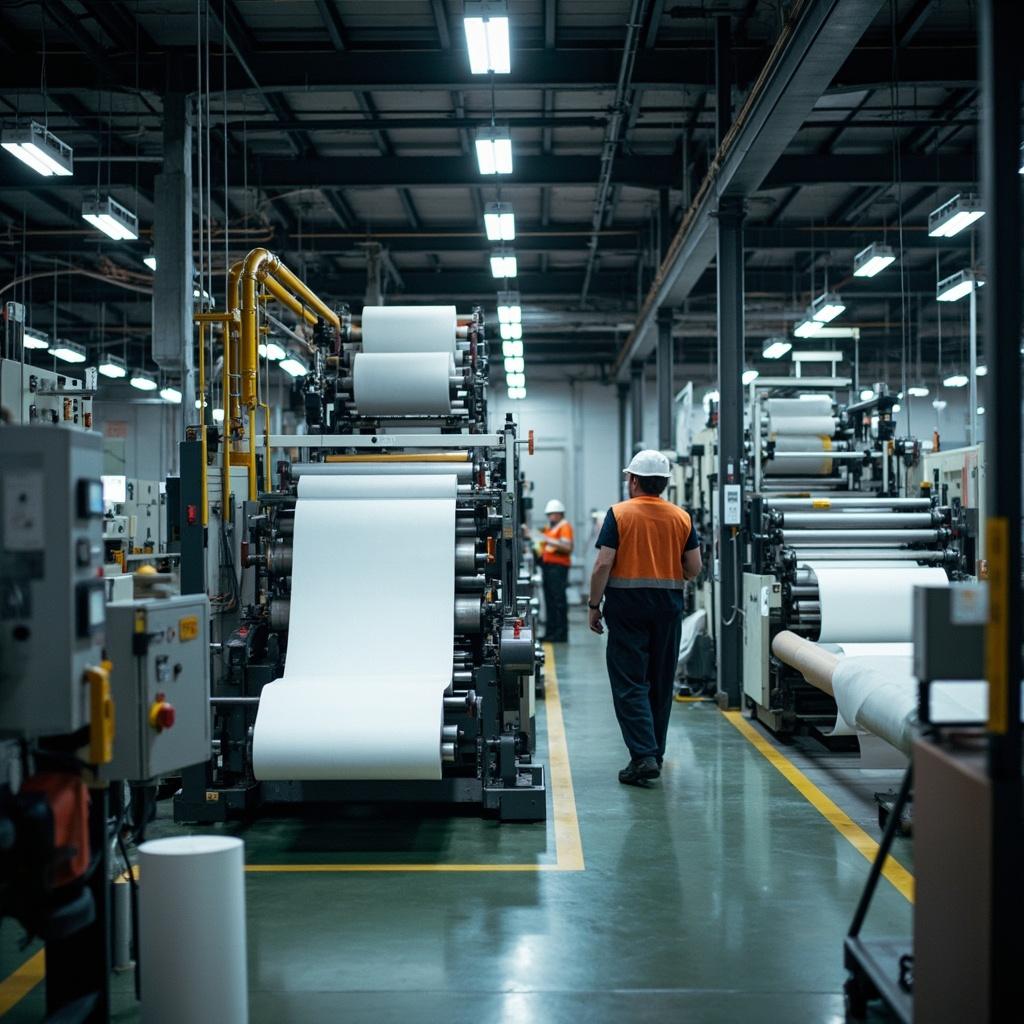
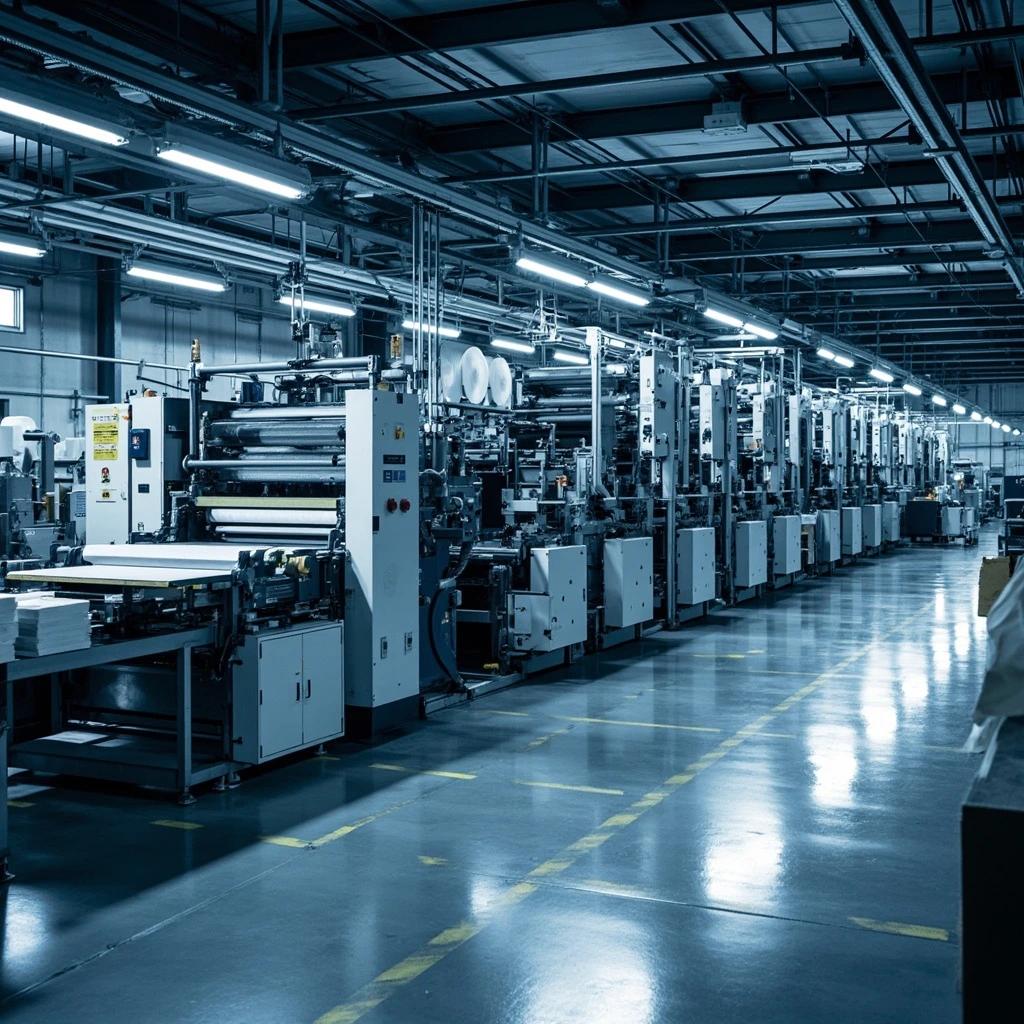
顶级手工���术纸制造商通过五种关键制造能力脱颖而出,这些能力创造了持久的竞争护城河。首先,垂直整合深度:精英生产商控制从原材料纤维采购——无论是棉布、楮树皮、大麻还是地理保护的青檀——到成品纸张成型和表面处理的整个价值链。Fedrigoni集团是典范,在其Fabriano工厂的同一屋檐下运营长网机、圆网机和传统手工捞纸工艺。其次,圆网和捞纸技术:这些缓慢的手工工艺生产出具有随机多向纤维取向、天然毛边和卓越尺寸稳定性的纸张——这些特性无法在高速长网机上复制。F.I.L.A.集团的Arches工厂是法国唯一运营传统圆网机生产100%棉美术纸的设施。第三,纤维专业知识和专有配方:领先制造商拥有多代传承的纤维打浆、自然发酵周期、表面施胶(槽式施胶)和纤维混合比例知识。中国宣纸股份有限公司的青檀树皮经过100多道手工处理步骤,包括数月的自然日晒漂白。第四,内部涂布和整理能力:像Hahnemühle和Awagami Factory这样的先进生产商开发了专有的微孔喷墨接收涂层,将传统手工纸制造与数字美术印刷连接起来。第五,质量与规模的平衡:最强大的制造商证明,手工质量可以与有意义的产量共存——无论是通过Fedrigoni的78个工厂全球网络、中国宣纸的千名工匠队伍,还是Khadi Papers服务于全球供应链的印度工厂生态系统。
Top-tier handmade artisan paper manufacturers distinguish themselves through five critical manufacturing capabilities that create durable competitive moats. First, vertical integration depth: elite producers control the entire value chain from raw fiber sourcing—whether cotton rag, kozo bark, hemp, or geographically protected blue sandalwood—through to finished sheet formation and surface treatment. Fedrigoni Group exemplifies this, operating Fourdrinier machines, cylinder mould machines, and traditional handmade vat processes under a single roof at its Fabriano mill. Second, cylinder mould and vat-lifting technology: these slow, artisanal processes produce sheets with randomized multi-directional fiber orientation, natural deckle edges, and superior dimensional stability—properties impossible to replicate on high-speed Fourdrinier machines. F.I.L.A. Group's Arches mill remains France's sole facility operating traditional cylinder mould machines for 100%cotton fine art papers. Third, fiber expertise and proprietary formulations: leading manufacturers maintain multi-generational knowledge of fiber beating, natural fermentation cycles, surface sizing (tub-sizing), and fiber blending ratios. China Xuan Paper Co.'s blue sandalwood bark undergoes over 100 manual processing steps, including months-long natural sun-bleaching. Fourth, in-house coating and finishing capabilities: advanced producers like Hahnemühle and Awagami Factory have developed proprietary microporous inkjet receptive coatings, bridging traditional handmade papermaking with digital fine art printing. Fifth, quality-to-scale balance: the most formidable manufacturers demonstrate that artisanal quality can coexist with meaningful production scale—whether through Fedrigoni's 78-site global network, China Xuan Paper's thousand-craftsman workforce, or Khadi Papers' India-based mill ecosystem serving global supply chains.
在地理分散的手工纸生产站点之间保持质量一致性是手工制造业中最严峻的运营挑战之一,领先生产商部署了多层系统来应对这一挑战。专有原材料规格构成了第一道防线:顶级制造商为地理保护的纤维维持独家供应关系——Fedrigoni控制其Fabriano品牌棉短绒的采购,而中国宣纸股份有限公司独家获取泾县的青檀树林和沙田稻草田。纤维批次追溯系统记录从田间到成品纸张的产地。标准化打浆和成型规程管理各站点的纸浆制备:以荷兰打浆机转数衡量的受控打浆时长、标准化的游离度(肖伯尔-瑞格勒)目标以及精确的pH调节成型水化学,确保在不同工厂生产的纸张具有相同的表面施胶吸收性、湿强度和档案稳定性。工匠大师培训和知识编码至关重要——F.I.L.A.集团已投资将Arches和Canson大师造纸师的隐性知识正式化为文档化的标准操作程序,而中国宣纸股份有限公司则维持着国家认证的非物质文化遗产培训计划,确保技术代代相传。多点质量测试结合了传统和现代方法:经验丰富的工匠进行触觉克重评估、透光纤维分布检查和毛边均匀性检查,而ISO认证实验室则进行加速老化测试、pH测量、亮度和不透明度读数以及拉伸强度分析。跨站点审计轮换——同一集团内不同工厂的大师造纸师之间的轮换——确保手工判断的校准——这一做法在Exacompta Clairefontaine的四工厂网络中尤为有效。最后,限量版和批次编号生产实现了从成品纸张回溯到特定纸槽、工匠班次和原材料纤维批次的完全可追溯性,创造了相当于奢侈品制造部门的问责压力。
Quality consistency across geographically dispersed handmade paper production sites represents one of the most formidable operational challenges in artisan manufacturing, and leading producers deploy multi-layered systems to address it. Proprietary raw material specifications form the first line of defense: top manufacturers maintain exclusive supply relationships for geographically protected fibers—Fedrigoni controls sourcing for its Fabriano-branded cotton linters, while China Xuan Paper Co. holds exclusive access to Jing County's Pteroceltis tatarinowii (blue sandalwood) groves and Shatian rice straw fields. Fiber lot traceability systems document provenance from field to finished sheet. Standardized beating and formation protocols govern pulp preparation across sites: controlled beating durations measured in Holland beater revolutions, standardized freeness (Schopper-Riegler) targets, and precise pH-adjusted formation water chemistry ensure that paper produced at different mills delivers identical surface sizing absorption, wet-strength, and archival stability. Master craftsman training and knowledge codification is critical—F.I.L.A. Group has invested in formalizing the tacit knowledge of Arches and Canson master papermakers into documented standard operating procedures, while China Xuan Paper Co. maintains a state-certified intangible cultural heritage training program ensuring technical continuity across generations. Multi-point quality testing applies both traditional and modern methods: experienced craftsmen perform tactile grammage assessment, light-table fiber distribution inspection, and deckle-edge uniformity checks, while ISO-certified laboratories conduct accelerated aging tests, pH measurements, brightness and opacity readings, and tensile strength analysis. Cross-site audit rotation among master papermakers from different mills within the same group ensures calibration of artisanal judgment—a practice particularly effective at Exacompta Clairefontaine's four-mill network. Finally, limited-edition and batch-numbered production enables full traceability from finished sheet back to specific vat, craftsman shift, and raw fiber lot, creating accountability pressure equivalent to luxury manufacturing sectors.
2025-2026年,手工艺术纸制造业正被三种变革性的结构力量重塑,每种力量都对生产战略和资本配置产生深远影响。趋势1:产能高端化和商品剥离。大型企业集团正在永久关闭低利润的商品纸生产线,将资本转向高利润的美术纸生产。Fedrigoni在2024-2025年永久关闭了其15万吨的F3办公纸生产线,并承诺到2028年投入超过5000万欧元用于扩大美术纸、高安全性和数字喷墨纸产能。这一战略逻辑得到了F.I.L.A.集团财务架构的验证:其美术纸部门以约14%的总收入贡献了近30%的合并EBITDA,毛利率为38-42%。整个行业的信息很明确——手工艺术纸制造正在取代商品纸,成为多元化造纸集团的利润中心。趋势2:非木纤维复兴。全球大麻纸市场正以20.1%的复合年增长率加速发展,预计估值达到55亿美元,这得益于一次性塑料法规的收紧和艺术家对无酸、档案级基材的偏好。日本和纸占据全球市场17亿美元,而印度棉布纸通过全球艺术供应链流通。Hahnemühle的2025年Natural Line——商业化规模生产大麻、龙舌兰和竹子纸张——以及Green Field Paper Company的100%大麻和含种子可种植纸产品,体现了向无树、可生物降解手工基材的转变。趋势3:数字-手工混合化。有远见的制造商正在将数百年历史的工艺与21世纪技术融合。Awagami Factory的AIJP喷墨系列为传统和纸涂覆数字打印接收层,为手工日本纸打开了全球美术数字印刷市场。Hahnemühle的MAR 2.0区块链认证平台将其商业模式从基材制造扩展到数字溯源和艺术注册服务。这种古老纤维知识与数字涂层、认证和分销技术的融合,将手工纸定位为一个高价值、技术增强的工业-手工部门,��有独立于商品纸浆周期的卓越定价弹性。
The handmade artisan papers manufacturing sector is being reshaped by three transformative structural forces in 2025–2026, each carrying profound implications for production strategy and capital allocation. Trend 1: Capacity Premiumization and Commodity Divestment. Major conglomerates are permanently idling low-margin commodity paper lines to redirect capital toward high-margin fine art production. Fedrigoni permanently shuttered its 150,000-tonne F3 office paper line in 2024–2025 and committed over €50 million to expanding fine art, high-security, and digital inkjet paper capacity through 2028. This strategic logic is validated by F.I.L.A. Group's financial architecture: its fine arts paper division contributes nearly 30%of consolidated EBITDA from approximately 14%of total revenue, with gross margins of 38–42%. The industry-wide message is clear—artisanal paper manufacturing is replacing commodity paper as the profit center for diversified paper groups. Trend 2: The Non-Wood Fiber Renaissance. The global hemp paper market is accelerating at a 20.1%CAGR toward a projected .55 billion valuation, driven by tightening single-use plastic regulations and artists' preference for acid-free, archival-quality substrates. Japanese washi commands a .7 billion global market, while Indian cotton rag papers circulate through global art supply chains. Hahnemühle's 2025 Natural Line—commercially scaling hemp, agave, and bamboo papers—and Green Field Paper Company's 100%hemp and seed-embedded plantable paper products exemplify this shift toward tree-free, biodegradable artisanal substrates. Trend 3: Digital-Artisanal Hybridization. Forward-thinking manufacturers are fusing centuries-old craft with 21st-century technology. Awagami Factory's AIJP inkjet series coats traditional washi with digital print-receptive layers, opening the global fine art digital print market to handmade Japanese papers. Hahnemühle's MAR 2.0 blockchain authentication platform extends its business model from substrate manufacturing into digital provenance and art registry services. This convergence of ancient fiber knowledge with digital coating, authentication, and distribution technology positions handmade paper as a high-value, technology-enhanced industrial-artisanal sector with exceptional pricing resilience independent of commodity pulp cycles.
维瑞评级每半年更新一次手工艺术纸制造商排名,主要评审在每年6月和12月进行。这一节奏旨在捕捉行业中的重大结构性变化,同时过滤短期噪音。触发非周期更新的事件包括:重大并购(如Fedrigoni收购Mohawk美术纸资产,或F.I.L.A.整合Canson-Arches-St Cuthberts制造组合)、永久性工厂关闭或产能增加超过制造商美术纸产量的10%,以及变革性生产技术的商业发布。每个更新周期包含:新发布的上市公司年度报告和财务披露(Fedrigoni、F.I.L.A.集团/BIT:FILA、Exacompta Clairefontaine/EPA:ALEXA)、更新的Smithers和Dataintelo市场情报报告、修订后的可持续性披露和碳足迹数据、与纸张涂层和纤维加工技术相关的专利申请,以及制造商通过维瑞评级自我报告门户提交的经过验证的信息。微型手工工坊(通常排名第8-10位)的评估周期稍长,因为传统工艺运营的结构变化速度较慢,工艺传承分数每12-18个月评审一次,除非受到触发事件(如联合国教科文组织遗产认定变更或灾难性工厂损坏)的影响。透明度说明:我们的排名方法和权重方案在每个排名页面上完整发布。制造商或行业利益相关者可以通过维瑞评级联系表提交更新信息、更正或质疑,我们保证在30个工作日内进行审核和回复。
VerityRank updates its handmade artisan papers manufacturer rankings on a semi-annual cycle, with major reviews conducted each June and December. This cadence is calibrated to capture significant structural changes in the industry while filtering out short-term noise. Trigger events that prompt off-cycle updates include: major mergers and acquisitions (such as Fedrigoni's acquisition of Mohawk fine paper assets or F.I.L.A.'s consolidation of the Canson-Arches-St Cuthberts manufacturing portfolio), permanent mill closures or capacity additions exceeding 10%of a manufacturer's fine art paper output, and the commercial launch of transformative production technologies. Each update cycle incorporates: newly published annual reports and financial disclosures from publicly listed entities (Fedrigoni, F.I.L.A. Group/BIT:FILA, Exacompta Clairefontaine/EPA:ALEXA), updated Smithers and Dataintelo market intelligence reports, revised sustainability disclosures and carbon footprint data, patent filings related to paper coating and fiber processing technologies, and verified submissions from manufacturers through VerityRank's self-reporting portal. Micro-scale artisanal workshops (typically ranked positions 8–10) are evaluated on slightly extended cycles given the slower pace of structural change in heritage craft operations, with craft heritage scores reviewed every 12–18 months unless affected by trigger events such as UNESCO heritage designation changes or catastrophic mill damage. Transparency note: Our ranking methodology and weighting scheme are published in full for each ranking page. Manufacturers or industry stakeholders may submit updated information, corrections, or challenges through the VerityRank contact form, with review and response guaranteed within 30 business days.