在维瑞评级,我们的排名方法基于数据,而非观点。我们汇总并交叉验证来自多个权威第三方来源的信息。
1. 数据来源: 国家统计机构、大学附属研究机构、AI驱动的全球消费者情绪分析(40+语言)、上市公司财务报告。
2. 四维评分模型: 市场影响力(25%)、品牌声誉(25%)、创新与研发(25%)、可持续性与道德(25%)。
3. 我们的承诺: 我们不接受付费排名。排名每季度更新。
免责声明: 本排名中的数据来自第三方权威来源,仅供参考和市场决策支持,不构成直接的投资建议或品牌背书。
At Verity Rank, our ranking methodology is built on data, not opinions. We aggregate and cross-validate information from multiple authoritative third-party sources.
1. Data Sources: National Statistical Agencies, University-Affiliated Research Institutions, AI-Driven Global Consumer Sentiment Analysis (40+ languages), Publicly Listed Company Financial Reports.
2. Four-Dimensional Scoring Model: Market Influence (25%), Brand Reputation (25%), Innovation & R&D (25%), Sustainability & Ethics (25%).
3. Our Commitment: We do not accept payment for rankings. Rankings updated quarterly.
Disclaimer: The data in this ranking is compiled from third-party authoritative sources and is intended for reference and market decision support only. It does not constitute direct investment advice or brand endorsement.
运输设备行业设计并制造在全球范围内运送人员和货物的车辆、船舶、飞机和铁路系统——这是一个超过5万亿美元的全球产业,处于全球贸易、出行和经济发展核心。
主要类别:
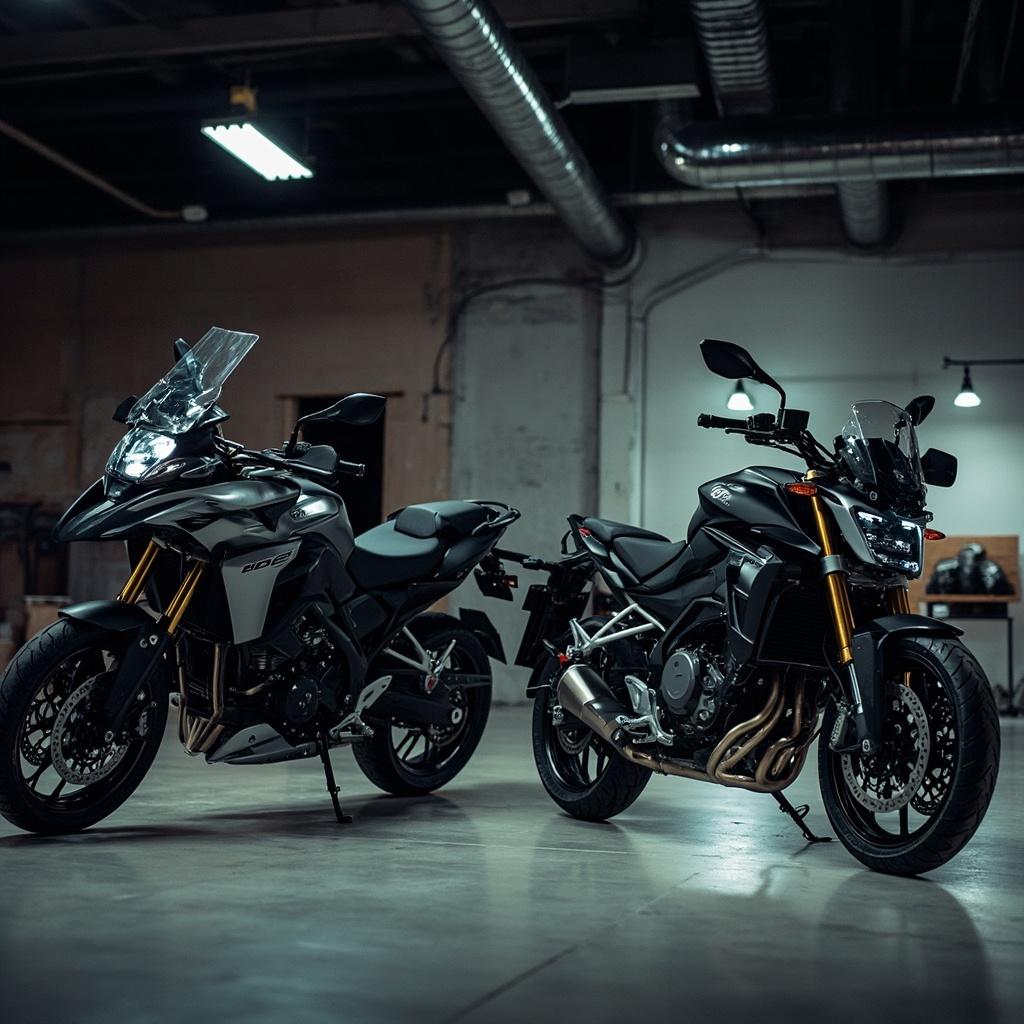
• 汽车: 乘用车、SUV、皮卡、商用车(卡车、客车)和摩托车。仅汽车行业就超过3万亿美元,年产约9000万辆。关键部件:发动机、变速箱、底盘、车身结构、内饰,以及日益重要的电池、电机和自动驾驶系统。
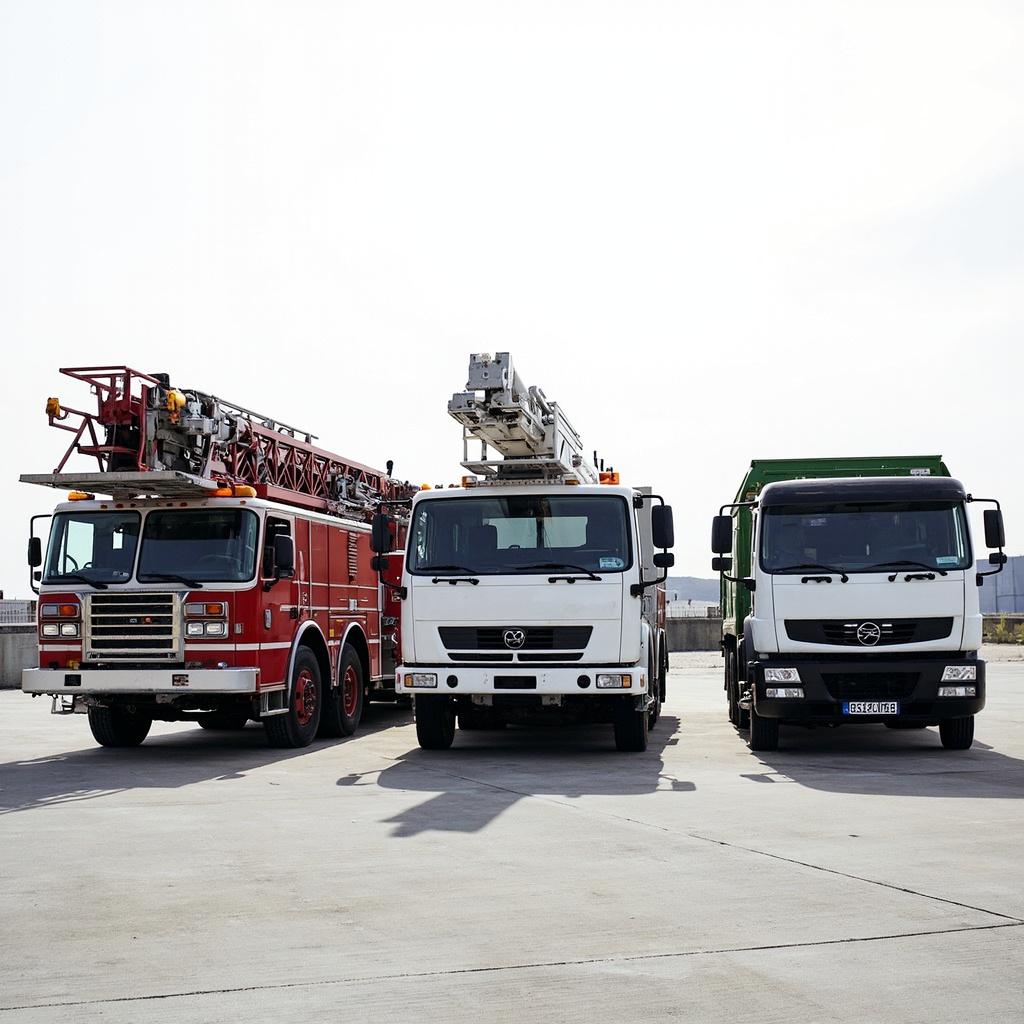
• 商用与重型车辆: 重型卡车(7-8级)、工程和采矿车辆、农用车辆和特种车辆(消防车、军用车辆、机场地面支持设备)。
• 铁路设备: 机车(电力、内燃电力)、高速列车(300+公里/小时——新干线、TGV、CRH)、地铁/轻轨车辆、有轨电车、货车和铁路基础设施(信号、轨道、电气化)。
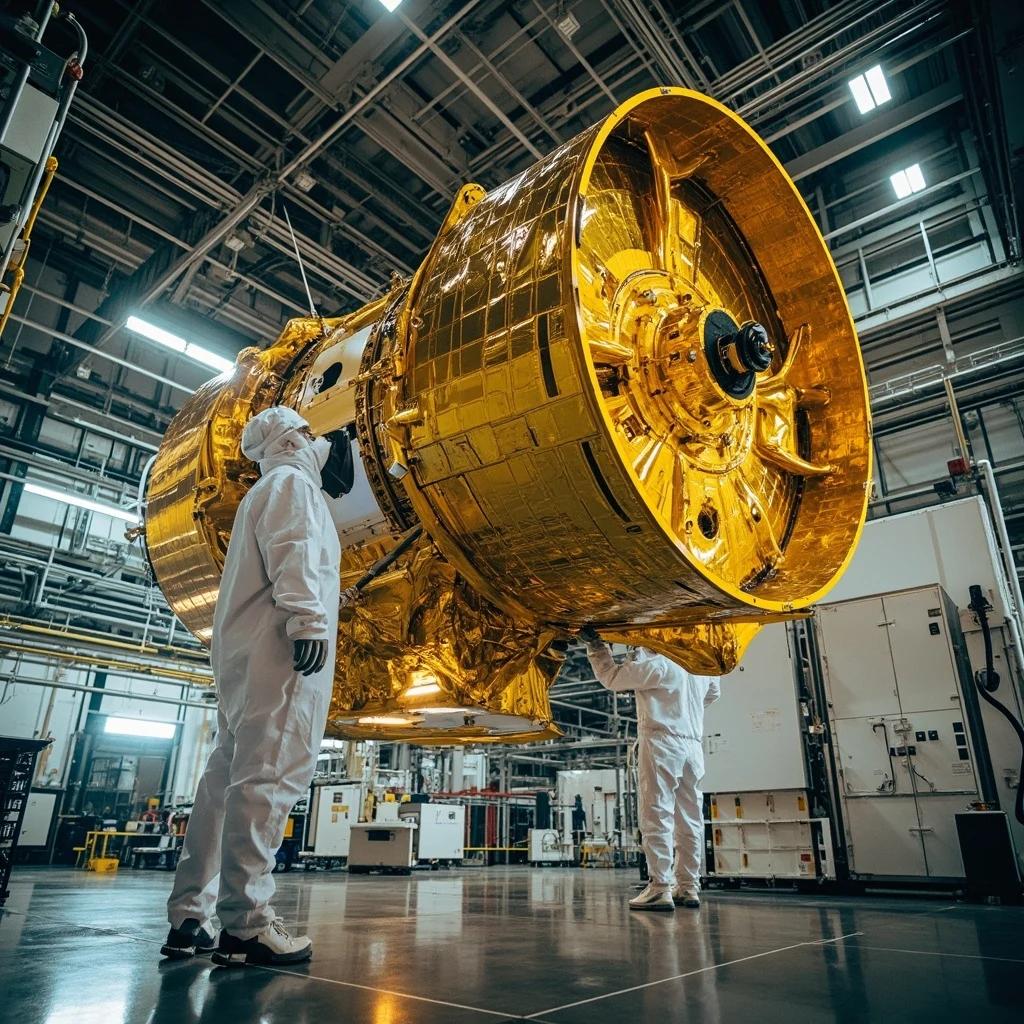
• 航空航天: 商用飞机(窄体——737、A320;宽体——787、A350)、公务机、直升机、军用飞机、无人机、卫星和运载火箭。飞机发动机(GE、罗尔斯·罗伊斯、普惠、CFM、赛峰)是最复杂的制造产品之一。
• 造船与海洋工程: 货船(集装箱船、散货船、油轮、LNG船)、邮轮、海军舰艇(航母、潜艇、驱逐舰)、海上平台和特种船舶(破冰船、电缆铺设船、研究船)。
• 电动与自动驾驶车辆: 重塑整个行业的变革力量——纯电动汽车(BEV)、插电式混合动力车(PHEV)、燃料电池电动汽车(FCEV)和自动驾驶系统(L1-L5级自动驾驶)。
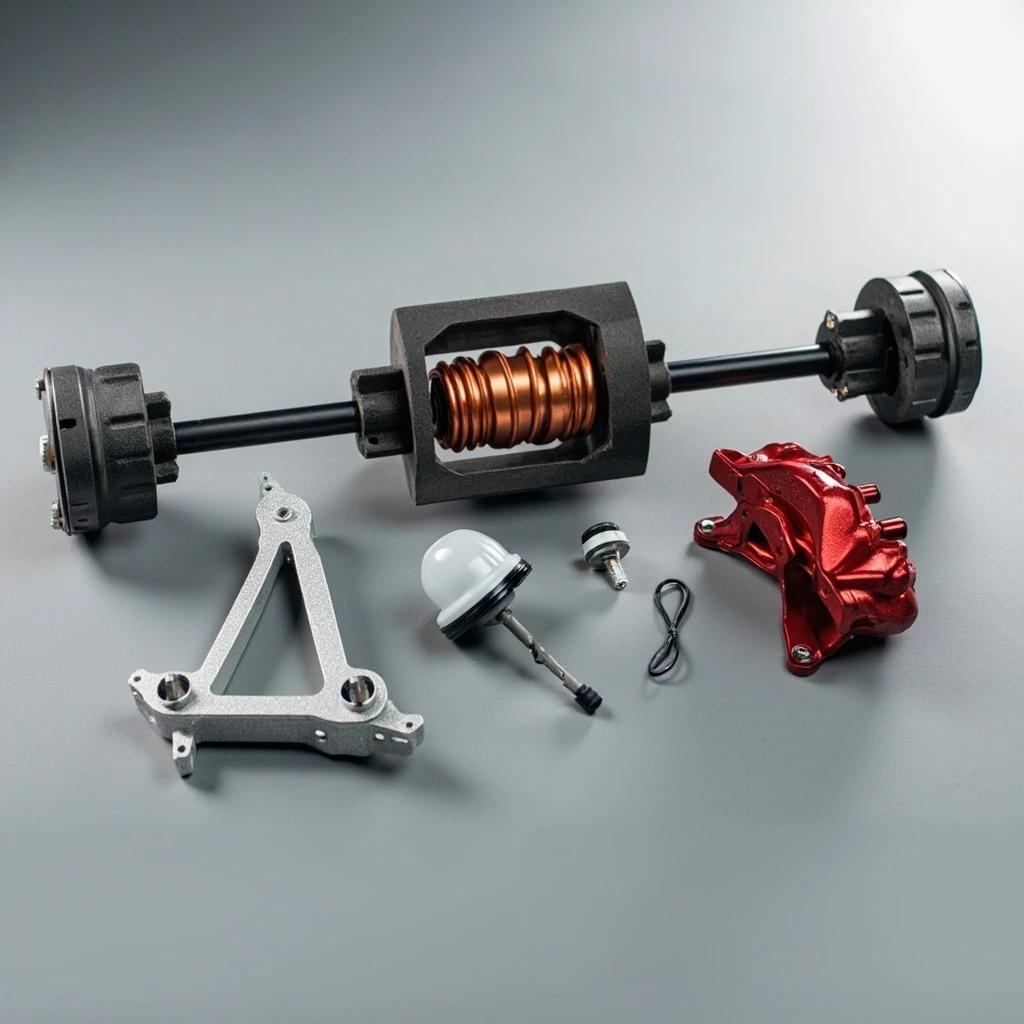
• 零部件与一级供应商: 轮胎、制动系统、照明、电子设备、座椅、内饰、安全系统(安全气囊、ADAS传感器)和售后市场零部件。
行业动态: 运输设备行业正处于自内燃机发明以来最深刻的变革之中——向电动化、自动化、共享出行和互联化转型(CASE——互联、自动驾驶、共享、电动)。这正在重塑供应链,催生新进入者(特斯拉、比亚迪、Rivian、Lucid),并威胁未能适应的现有企业。
The transportation equipment industry designs and manufactures the vehicles, vessels, aircraft, and rail systems that move people and goods across the world — a $5+ trillion global industry at the heart of global trade, mobility, and economic development.
Major Categories:
• Automotive: Passenger cars, SUVs, pickup trucks, commercial vehicles (trucks, buses), and motorcycles. The automotive industry alone exceeds $3 trillion, producing ~90 million vehicles annually. Key components: engines, transmissions, chassis, body structures, interiors, and increasingly — batteries, electric motors, and autonomous driving systems.
• Commercial & Heavy-Duty Vehicles: Heavy trucks (Class 7-8), construction and mining vehicles, agricultural vehicles, and specialty vehicles (fire trucks, military vehicles, airport ground support equipment).
• Railway Equipment: Locomotives (electric, diesel-electric), high-speed trains (300+ km/h — Shinkansen, TGV, CRH), metro/subway cars, light rail/trams, freight cars, and rail infrastructure (signaling, track, electrification).
• Aerospace: Commercial aircraft (narrow-body — 737, A320; wide-body — 787, A350), business jets, helicopters, military aircraft, UAVs/drones, satellites, and space launch vehicles. Aircraft engines (GE, Rolls-Royce, Pratt & Whitney, CFM, Safran) are among the most complex manufactured products.
• Shipbuilding & Marine: Cargo ships (container, bulk carrier, tanker, LNG carrier), cruise ships, naval vessels (aircraft carriers, submarines, destroyers), offshore platforms, and specialized vessels (icebreakers, cable layers, research vessels).
• Electric & Autonomous Vehicles: The transformative force reshaping the entire industry — battery electric vehicles (BEVs), plug-in hybrids (PHEVs), fuel cell electric vehicles (FCEVs), and autonomous driving systems (Level 1-5 autonomy).
• Components & Tier Suppliers: Tires, braking systems, lighting, electronics, seating, interiors, safety systems (airbags, ADAS sensors), and aftermarket parts.
Industry Dynamics: The transportation equipment industry is in the midst of the most profound transformation since the invention of the internal combustion engine — the shift to electrification, autonomy, shared mobility, and connectivity (CASE — Connected, Autonomous, Shared, Electric). This is reshaping supply chains, creating new entrants (Tesla, BYD, Rivian, Lucid), and threatening incumbents who fail to adapt.
运输设备制造代表了工业工程的巅峰——将机械、电气、软件和材料工程大规模结合,并具有极高的质量和安全要求。
1. 汽车制造: • 冲压——大型冲压线将钢/铝卷材成型为车身面板。 • 车身车间——机器人焊接(每个工厂500-1000+台机器人)制造白车身(BIW)。 • 涂装车间——多层涂装(磷化、电泳、底漆、色漆、清漆),采用静电喷涂和机器人喷枪。 • 总装——动力总成合装、内饰安装、加注液体和最终测试。 • 工业4.0:数字孪生、AI驱动的质量检测(用于漆面缺陷的计算机视觉)、协作机器人(cobots)和自动导引车(AGV)。
2. 电动汽车专用制造: • 电池制造:电极生产(混合、涂布、压延)、电芯组装(叠片/卷绕、电解液注入、化成/老化)、模组和电池包组装。超级工厂年产能30-100+ GWh。 • 电机制造:定子绕组(发卡技术)、永磁体转子组装和电驱桥集成。
3. 航空航天制造: • 复合材料——碳纤维增强聚合物(CFRP)用于机身和机翼结构(波音787复合材料重量占比约50%)。自动纤维铺放(AFP)和自动铺带(ATL)。 • 精密加工钛合金、Inconel和铝合金结构件。 • 增材制造——3D打印燃油喷嘴(GE LEAP发动机)、支架和结构件,减轻重量并减少零件数量。 • 质量:AS9100认证、首件检验(FAI per AS9102),以及从原材料到成品零件的100%可追溯性。
4. 造船:模块化建造——船舶在不同设施建造分段,然后在干船坞组装。LNG运输船制造需要特殊的因瓦合金或高锰钢用于低温围护系统。韩国(现代重工、三星重工、大宇)主导高价值船舶建造。
5. 安全与认证: • 汽车:IATF 16949、ISO 26262(功能安全)、UN ECE法规、FMVSS(美国)、Euro NCAP安全评级。 • 航空航天:FAA/EASA型号认证、AS9100、DO-178C(软件)、DO-254(硬件)。 • 铁路:EN 50126/50128/50129(RAMS)、IRIS认证。 • 船舶:IMO法规、船级社(劳氏船级社、DNV、ABS、必维国际检验集团)。
Transportation equipment manufacturing represents the pinnacle of industrial engineering — combining mechanical, electrical, software, and materials engineering at massive scale with extraordinary quality and safety requirements.
1. Automotive Manufacturing: • Stamping — massive press lines forming body panels from steel/aluminum coils. • Body shop — robotic welding (500-1,000+ robots per plant) creating the body-in-white (BIW). • Paint shop — multi-layer coating (phosphate, e-coat, primer, basecoat, clearcoat) with electrostatic application and robotic sprayers. • General assembly — powertrain marriage, interior installation, fluid fill, and final testing. • Industry 4.0: Digital twins, AI-driven quality inspection (computer vision for paint defects), collaborative robots (cobots), and AGVs.
2. EV-Specific Manufacturing: • Battery manufacturing: Electrode production (mixing, coating, calendering), cell assembly (stacking/winding, electrolyte filling, formation/aging), module and pack assembly. Gigafactories producing 30-100+ GWh annually. • Electric motor production: Stator winding (hairpin technology), rotor assembly with permanent magnets, and e-axle integration.
3. Aerospace Manufacturing: • Composites — carbon fiber reinforced polymer (CFRP) for fuselage and wing structures (Boeing 787 is ~50% composites by weight). Automated fiber placement (AFP) and automated tape laying (ATL). • Precision machining of titanium, Inconel, and aluminum structural components. • Additive manufacturing — 3D-printed fuel nozzles (GE LEAP engine), brackets, and structural components reducing weight and part count. • Quality: AS9100 certification, first article inspection (FAI per AS9102), and 100% traceability from raw material to finished component.
4. Shipbuilding: Modular construction — ships built in blocks at separate facilities, then assembled in dry dock. LNG carrier manufacturing requires specialized Invar or high-manganese steel for cryogenic containment. South Korea (Hyundai Heavy, Samsung Heavy, Daewoo) dominates high-value vessel construction.
5. Safety & Certification: • Automotive: IATF 16949, ISO 26262 (functional safety), UN ECE regulations, FMVSS (US), Euro NCAP safety ratings. • Aerospace: FAA/EASA type certification, AS9100, DO-178C (software), DO-254 (hardware). • Railway: EN 50126/50128/50129 (RAMS), IRIS certification. • Marine: IMO regulations, classification societies (Lloyd''s Register, DNV, ABS, Bureau Veritas).
采购运输设备——无论是车队车辆、铁路系统、飞机部件还是船舶——都需要应对极高的资本密集度、长达数年的交付周期、复杂的法规认证以及以数十年计的生命周期成本。
1. 总拥有成本(TCO)与生命周期分析:运输设备的使用寿命为10-50年以上。TCO必须包括:购置成本、燃料/能源成本(柴油与电动会显著改变运营经济性)、维护和修理(预防性维护计划、备件可用性、大修)、法规合规成本(排放标准升级、安全改造)、残值(使用寿命结束时)以及融资成本。对于电动汽车,电池退化及更换成本(通常8-15年)必须计入TCO。
2. 法规认证与型式批准:不同市场有不同的型式认证要求。汽车:FMVSS(美国)、欧盟整车型式认证(WVTA)、中国CCC。航空航天:FAA型号证书/补充型号合格证、EASA认证。每次修改可能都需要重新认证。认证的成本和时间可能相当可观——在承诺前务必了解清楚。
3. 服务、支持与备件:对于车队运营商,车辆停机成本可能超过每辆车每天500-1000+美元。核实经销商/服务中心网络覆盖范围、备件可用性和交货时间、保修条款(汽车通常3-5年,商用车更长)以及维修人员的技术培训。
4. 安全与技术评估:核实安全评级(汽车领域的Euro NCAP、IIHS、NHTSA)。评估ADAS功能——自动紧急制动(AEB)、车道保持、自适应巡航控制——现在许多地区的新车已强制要求。对于自动驾驶系统,了解其局限性和运行设计域(ODD)。
5. 融资与车队管理:运输设备是资本密集型的。选项包括:直接购买、租赁(经营租赁或融资租赁)、租用以及设备即服务(按英里/小时付费)。车队管理系统(远程信息处理、GPS跟踪、燃料/电力管理、驾驶员行为监控)可降低运营成本10-20%。考虑车队标准化——运营单一品牌/型号可减少培训、备件库存和维护复杂性。
Sourcing transportation equipment — whether fleet vehicles, railway systems, aircraft components, or marine vessels — involves navigating extreme capital intensity, multi-year lead times, complex regulatory certification, and lifecycle costs measured in decades.
1. Total Cost of Ownership (TCO) & Lifecycle Analysis: Transportation equipment has service lives of 10-50+ years. TCO must include: acquisition cost, fuel/energy costs (diesel vs. electric dramatically changes operating economics), maintenance and repair (preventive maintenance schedules, spare parts availability, major overhauls), regulatory compliance costs (emissions standards upgrades, safety retrofits), residual value at end of service life, and financing costs. For EVs, battery degradation and replacement cost (typically 8-15 years) must be factored into TCO.
2. Regulatory Certification & Homologation: Different markets have different type-approval requirements. Automotive: FMVSS (US), EU Whole Vehicle Type Approval (WVTA), CCC (China). Aerospace: FAA Type Certificate/STC, EASA certification. Each modification may require re-certification. The cost and timeline for certification can be substantial — understand these before committing.
3. Service, Support & Spare Parts: For fleet operators, vehicle downtime costs can exceed $500-1,000+ per day per vehicle. Verify dealer/service center network coverage, spare parts availability and lead times, warranty terms (standard 3-5 years for automotive, longer for commercial), and technical training for maintenance staff.
4. Safety & Technology Assessment: Verify safety ratings (Euro NCAP, IIHS, NHTSA for automotive). Evaluate ADAS features — automatic emergency braking (AEB), lane keeping, adaptive cruise control — now mandatory in many jurisdictions for new vehicles. For autonomous systems, understand the limitations and operational design domain (ODD).
5. Financing & Fleet Management: Transportation equipment is capital-intensive. Options include: outright purchase, lease (operating or finance), rental, and equipment-as-a-service (pay-per-mile/hour). Fleet management systems (telematics, GPS tracking, fuel/electricity management, driver behavior monitoring) can reduce operating costs by 10-20%. Consider fleet standardization — operating a single brand/model reduces training, spare parts inventory, and maintenance complexity.
运输设备制造业集中在拥有深厚工程生态系统、大规模资本投资和庞大国内市场的工业强国——形成了巨大的进入壁垒。
1. 汽车——全球三极+中国: • 日本:丰田(全球最大汽车制造商)、本田、日产、斯巴鲁、马自达、铃木——建立在精益制造(丰田生产系统)、质量和混合动力领先地位之上。 • 德国:大众集团(全球第二)、梅赛德斯-奔驰、宝马,以及主要一级供应商(博世、大陆集团、采埃孚)。 • 美国:通用汽车、福特、特斯拉(按市值计算全球最有价值的汽车制造商)——引领电动化转型。 • 中国:比亚迪(全球最大电动汽车制造商)、吉利、上汽、长城、蔚来、小鹏——电动汽车快速增长,全球扩张。中国在2023年超越日本成为全球最大汽车出口国。
2. 航空航天: 美国:波音(商用+国防)、洛克希德·马丁(国防)、SpaceX、诺斯罗普·格鲁曼。 欧洲:空客(法国/德国/西班牙/英国——与波音形成双头垄断竞争)、赛峰、罗尔斯·罗伊斯、莱昂纳多。 巴西:巴西航空工业公司(支线喷气机、国防)。 加拿大:庞巴迪(公务机)。供应链由美国和欧洲的一级供应商主导(通用电气、普惠、柯林斯宇航、霍尼韦尔)。
3. 铁路设备: 中国:中国中车——迄今为止全球最大的轨道车辆制造商(高铁、地铁、机车)。 欧洲:阿尔斯通(法国——TGV,收购了庞巴迪运输)、西门子交通(德国——ICE、Velaro)、施泰德(瑞士)、CAF(西班牙)。 日本:日立、川崎、日本车辆——新干线技术。
4. 造船——东亚“三巨头”: 韩国主导高价值船舶(LNG运输船、集装箱船)——HD现代重工、三星重工、韩华海洋(原大宇造船)。 中国——总吨位最大(中国船舶集团、中国船舶工业集团合并)。 日本——今治造船、日本造船联合——市场份额下降,但在散货船和专用船舶方面实力强劲。
Transportation equipment manufacturing is concentrated in industrial powers with deep engineering ecosystems, massive capital investment, and large domestic markets — creating formidable barriers to entry.
1. Automotive — Global Triad + China: • Japan: Toyota (world''s largest automaker), Honda, Nissan, Subaru, Mazda, Suzuki — built on lean manufacturing (Toyota Production System), quality, and hybrid leadership. • Germany: Volkswagen Group (world''s #2), Mercedes-Benz, BMW, and major Tier 1 suppliers (Bosch, Continental, ZF). • US: General Motors, Ford, Tesla (world''s most valuable automaker by market cap) — leading EV transition. • China: BYD (world''s largest EV manufacturer), Geely, SAIC, Great Wall, NIO, XPeng — rapid EV growth, global expansion. China overtook Japan as the world''s largest auto exporter in 2023.
2. Aerospace: US: Boeing (commercial + defense), Lockheed Martin (defense), SpaceX, Northrop Grumman. Europe: Airbus (France/Germany/Spain/UK — competes with Boeing in duopoly), Safran, Rolls-Royce, Leonardo. Brazil: Embraer (regional jets, defense). Canada: Bombardier (business jets). Supply chain dominated by US and European Tier 1 suppliers (GE, Pratt & Whitney, Collins Aerospace, Honeywell).
3. Railway Equipment: China: CRRC — world''s largest rolling stock manufacturer by far (high-speed trains, metros, locomotives). Europe: Alstom (France — TGV, acquired Bombardier Transportation), Siemens Mobility (Germany — ICE, Velaro), Stadler (Switzerland), CAF (Spain). Japan: Hitachi, Kawasaki, Nippon Sharyo — Shinkansen technology.
4. Shipbuilding — The "Big Three" of East Asia: South Korea dominates high-value ships (LNG carriers, container ships) — HD Hyundai Heavy Industries, Samsung Heavy Industries, Hanwha Ocean (formerly DSME). China — largest by gross tonnage (CSSC, CSIC merged). Japan — Imabari, JMU — declining market share but strong in bulk carriers and specialized vessels.

















%20Co.%2C%20Ltd%20(%20CIMC%20).webp&w=256&q=75)