在维瑞评级,我们的排名方法基于数据,而非观点。我们汇总并交叉验证来自多个权威第三方来源的信息。
1. 数据来源:国家统计机构、大学附属研究机构、AI 驱动的全球消费者情绪分析(40 多种语言)、上市公司财务报告。
2. 四维评分模型:市场影响力 (25%)、品牌声誉 (25%)、创新与研发 (25%)、可持续发展与道德 (25%)。
3. 我们的承诺:我们不接受付费排名。排名每季度更新。
免责声明:本排行榜中的数据来自第三方权威来源,仅供参考和市场决策支持,不构成直接的投资建议或品牌背书。
At Verity Rank, our ranking methodology is built on data, not opinions. We aggregate and cross-validate information from multiple authoritative third-party sources.
1. Data Sources: National Statistical Agencies, University-Affiliated Research Institutions, AI-Driven Global Consumer Sentiment Analysis (40+ languages), Publicly Listed Company Financial Reports.
2. Four-Dimensional Scoring Model: Market Influence (25%), Brand Reputation (25%), Innovation & R&D (25%), Sustainability & Ethics (25%).
3. Our Commitment: We do not accept payment for rankings. Rankings updated quarterly.
Disclaimer: The data in this ranking is compiled from third-party authoritative sources and is intended for reference and market decision support only. It does not constitute direct investment advice or brand endorsement.
电子设备行业设计并制造使用电子电路处理、传输、存储和显示信息的设备——这是一个超过 2 万亿美元的全球产业,支撑着数字经济、通信、计算以及几乎所有现代技术。
主要类别:
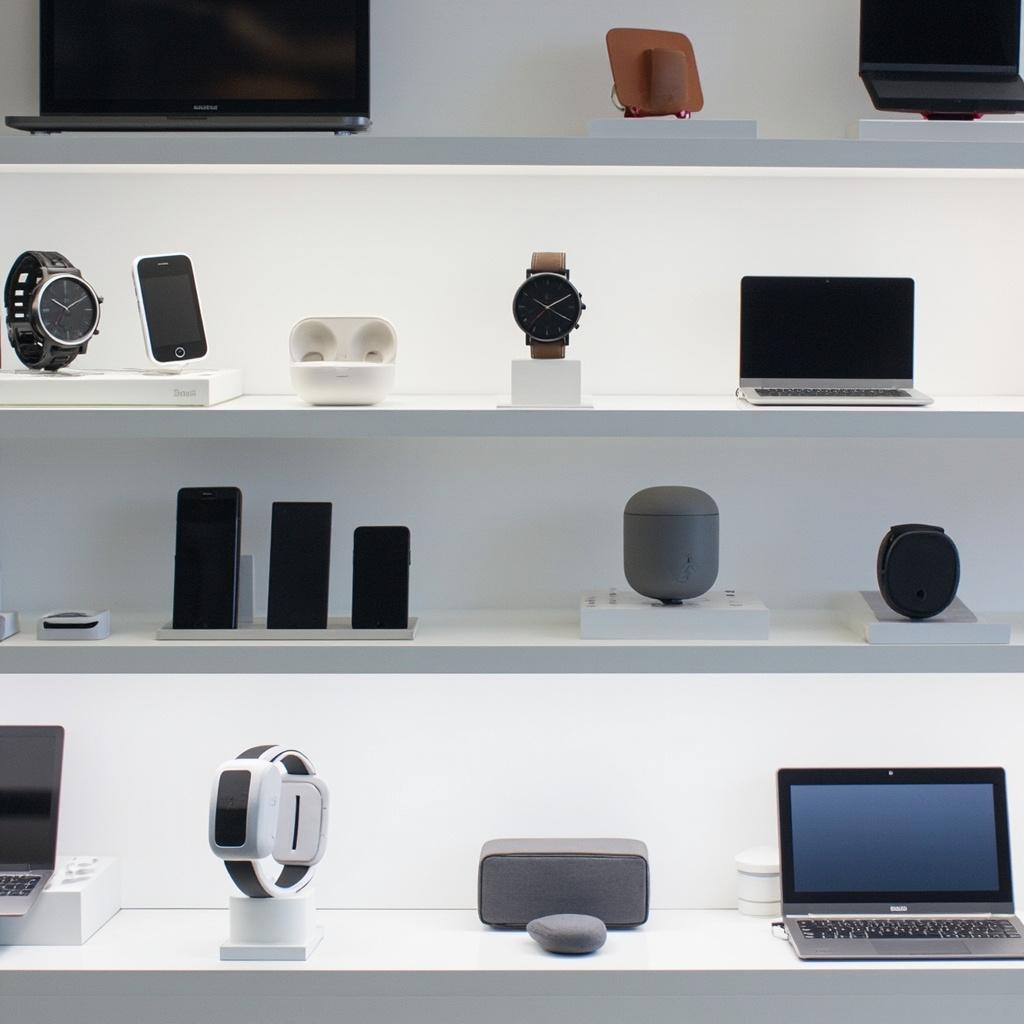
• 消费电子产品:智能手机、平板电脑、笔记本电脑、台式机、电视、游戏机、可穿戴设备(智能手表、耳机)、音频设备、相机和智能家居设备——该行业最显眼的部分。
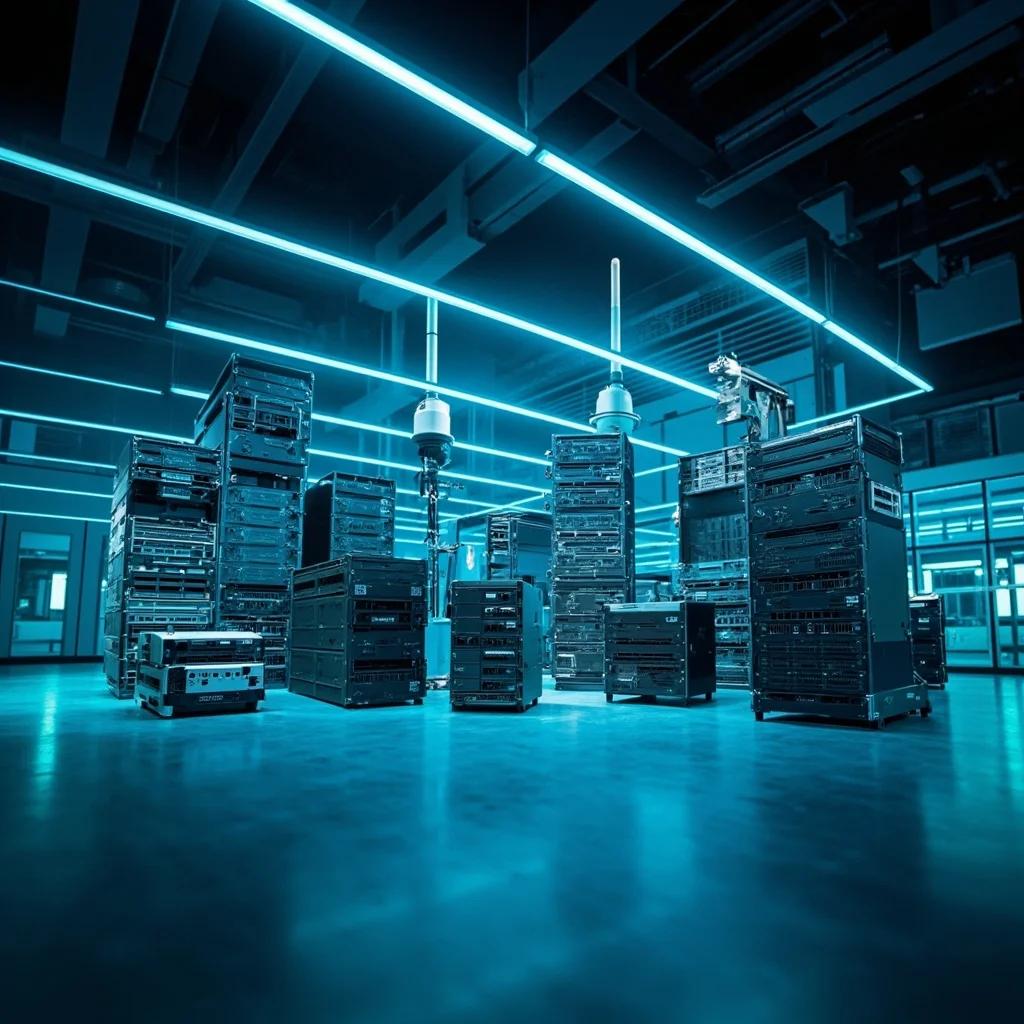
• 计算与数据基础设施:服务器、数据存储系统(HDD、SSD)、网络设备(路由器、交换机、防火墙)、数据中心冷却/电源基础设施和边缘计算设备。
• 工业电子:PLC、HMI、电机驱动器、传感器、电源、工业 PC、测试测量设备和过程控制仪器——自动化的神经系统。
• 电信设备:基站(5G/4G)、天线、光纤传输设备、微波和卫星通信系统、交换和路由设备(华为、爱立信、诺基亚、思科)。
• 医疗电子:MRI、CT、超声、X 射线系统、病人监护仪、除颤器、输液泵和可穿戴健康监测器——监管最严格的电子设备类别之一。
• 汽车电子:ECU(发动机控制单元)、ADAS(高级驾驶辅助系统——雷达、激光雷达、摄像头)、信息娱乐系统、电动汽车电池管理系统 (BMS) 以及车联网 (V2X) 通信模块。
• 航空航天与国防电子:航空电子设备、雷达系统、电子战、卫星有效载荷、导航系统和抗辐射电子设备。
• 半导体(上游):基础组件——集成电路(CPU、GPU、存储芯片、ASIC、FPGA)、分立半导体、传感器和光电子器件。虽然与“设备”不同,但半导体供应链从根本上塑造了整个电子行业。
行业动态:电子行业的特点是持续的小型化(摩尔定律)、巨大的研发强度(领先公司收入的 10-20%)、以亚洲为中心的超级竞争全球供应链,以及极短的产品生命周期。该行业面临供应链韧性(2020-2022 年半导体短缺)、稀土和关键矿产依赖、电子废弃物管理(每年超过 5000 万吨)以及地缘政治(中美在先进半导体和设备上的技术限制)等关键挑战。
The electronic equipment industry designs and manufactures devices that process, transmit, store, and display information using electronic circuits — a $2+ trillion global industry that underpins the digital economy, communications, computing, and virtually every modern technology.
Major Categories:
• Consumer Electronics: Smartphones, tablets, laptops, desktops, televisions, gaming consoles, wearables (smartwatches, earbuds), audio equipment, cameras, and smart home devices — the most visible face of the industry.
• Computing & Data Infrastructure: Servers, data storage systems (HDD, SSD), networking equipment (routers, switches, firewalls), data center cooling/power infrastructure, and edge computing devices.
• Industrial Electronics: PLCs, HMIs, motor drives, sensors, power supplies, industrial PCs, test and measurement equipment, and process control instruments — the nervous system of automation.
• Telecommunications Equipment: Base stations (5G/4G), antennas, optical fiber transmission equipment, microwave and satellite communication systems, switching and routing equipment (Huawei, Ericsson, Nokia, Cisco).
• Medical Electronics: MRI, CT, ultrasound, X-ray systems, patient monitors, defibrillators, infusion pumps, and wearable health monitors — among the most regulated electronic equipment categories.
• Automotive Electronics: ECUs (Engine Control Units), ADAS (Advanced Driver-Assistance Systems — radar, lidar, cameras), infotainment systems, battery management systems (BMS) for EVs, and vehicle-to-everything (V2X) communication modules.
• Aerospace & Defense Electronics: Avionics, radar systems, electronic warfare, satellite payloads, navigation systems, and radiation-hardened electronics.
• Semiconductors (upstream): The foundational components — integrated circuits (CPUs, GPUs, memory chips, ASICs, FPGAs), discrete semiconductors, sensors, and optoelectronics. While distinct from "equipment," semiconductor supply fundamentally shapes the entire electronics industry.
Industry Dynamics: The electronics industry is defined by relentless miniaturization (Moore''s Law), massive R&D intensity (10-20% of revenue for leading companies), hyper-competitive global supply chains centered on Asia, and extraordinarily short product lifecycles. The industry faces critical challenges in supply chain resilience (semiconductor shortages 2020-2022), rare earth and critical mineral dependencies, e-waste management (50+ million tons annually), and geopolitics (US-China technology restrictions on advanced semiconductors and equipment).
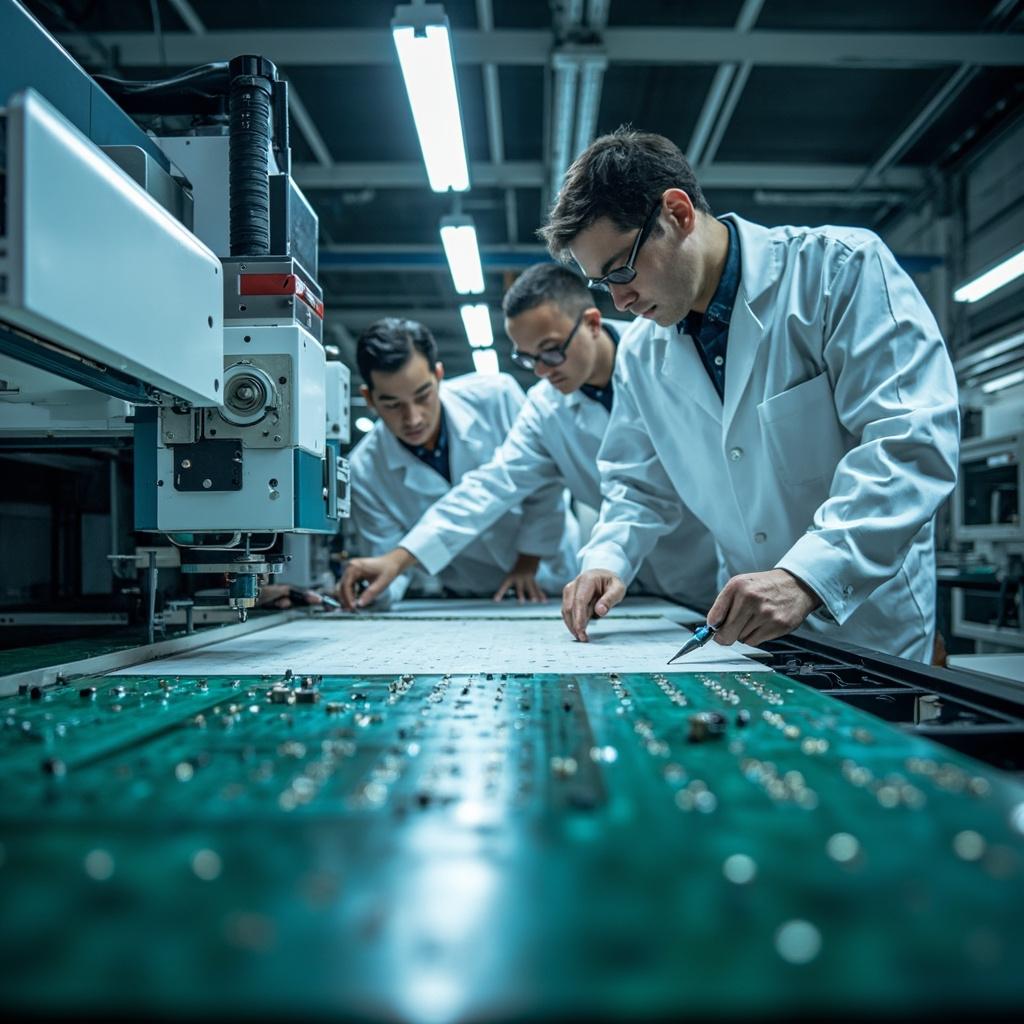
电子制造融合了非凡的精度(纳米级半导体制造)、复杂的供应链(数十亿个组件)和严格的质量标准——理解这些对于评估任何电子制造商至关重要。
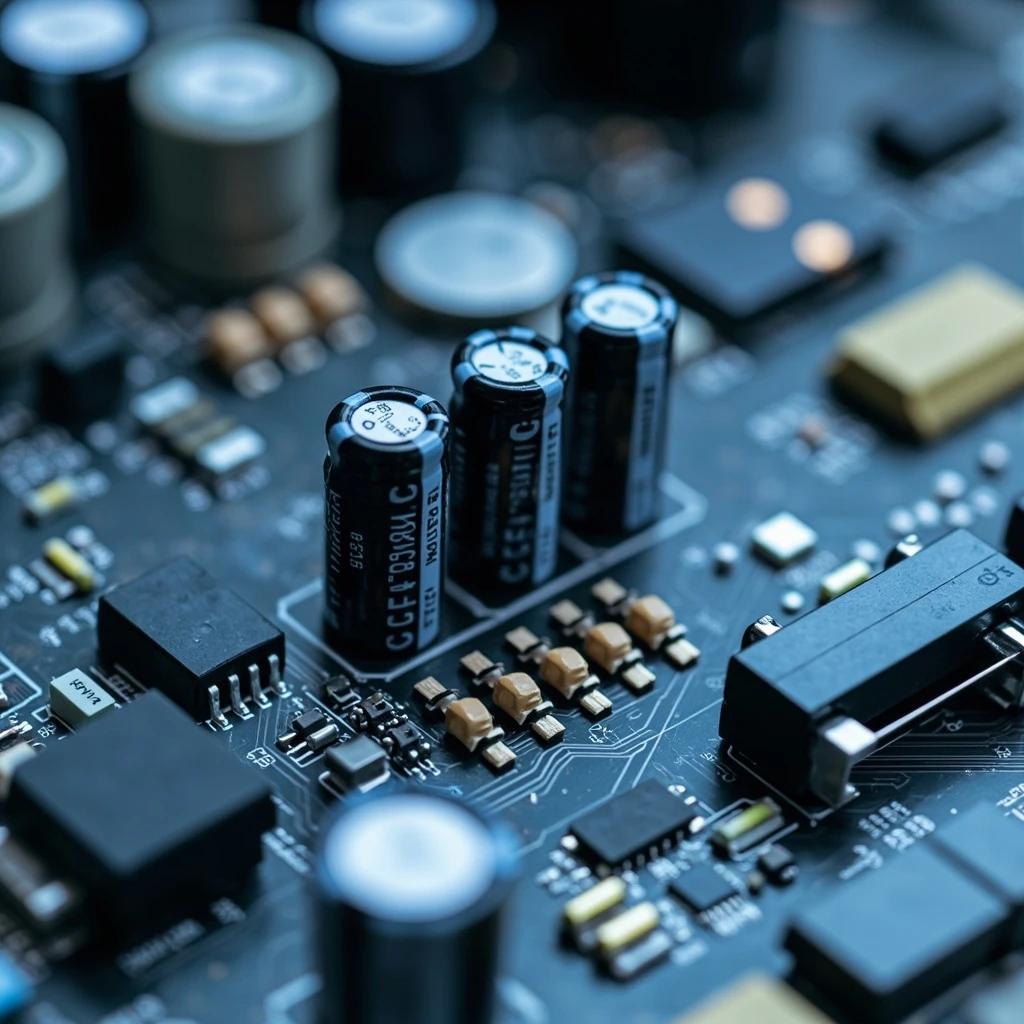
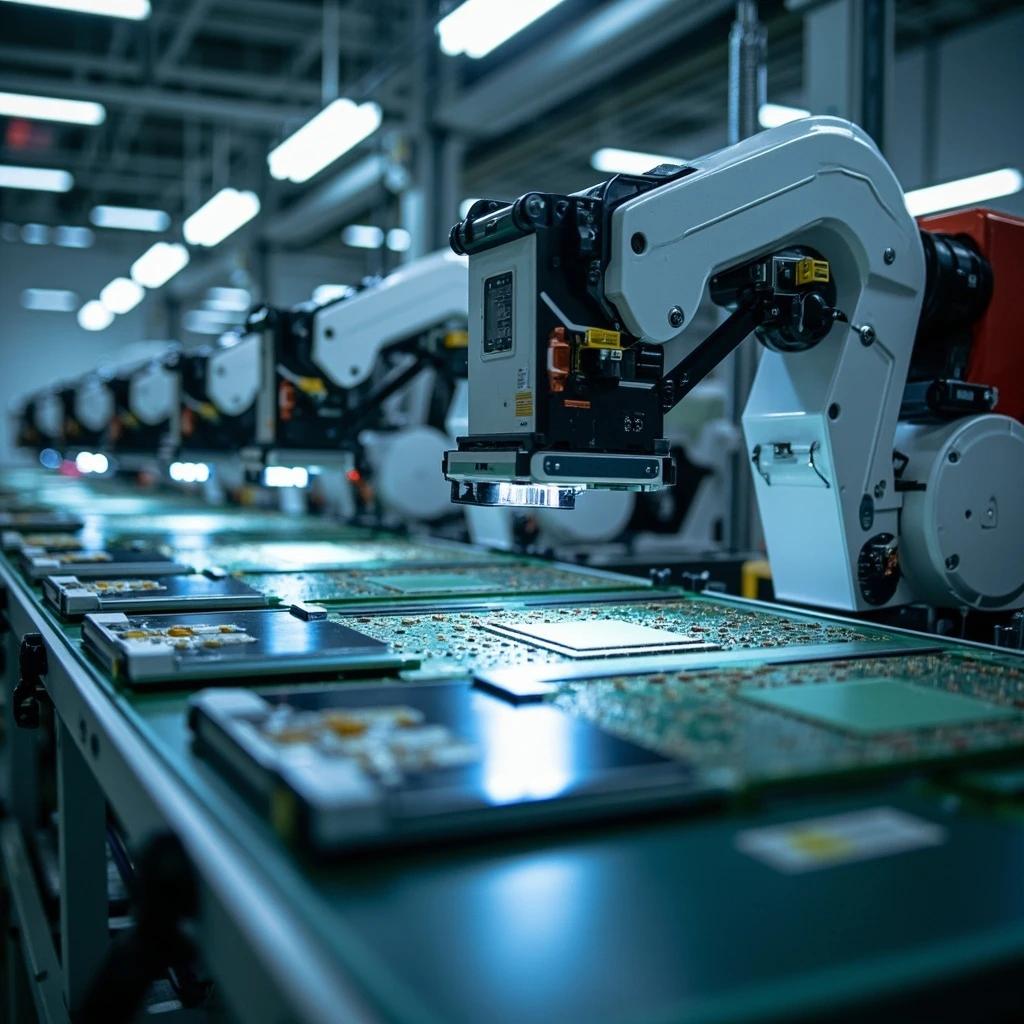
1. PCB组装(PCBA): • SMT(表面贴装技术): 焊膏印刷 → 贴片(高速贴片机每小时50,000-100,000+个元件) → 回流焊(受控温度曲线)。 • 通孔技术(THT): 用于较大的连接器和功率元件——波峰焊或选择性焊接。 • 混合技术电路板 结合SMT和THT。
2. 质量与检测: • AOI(自动光学检测)——基于摄像头的缺陷检测。 • AXI(自动X射线检测)——BGA、QFN封装内部焊点检测。 • ICT(在线测试)——单个元件的电气测试。 • 飞针测试——用于原型和小批量。 • 功能测试(FCT)——板级功能验证。 • IPC标准: IPC-A-610(电子组件的可接受性)、IPC J-STD-001(焊接要求)、IPC-7711/7721(返工/维修)。
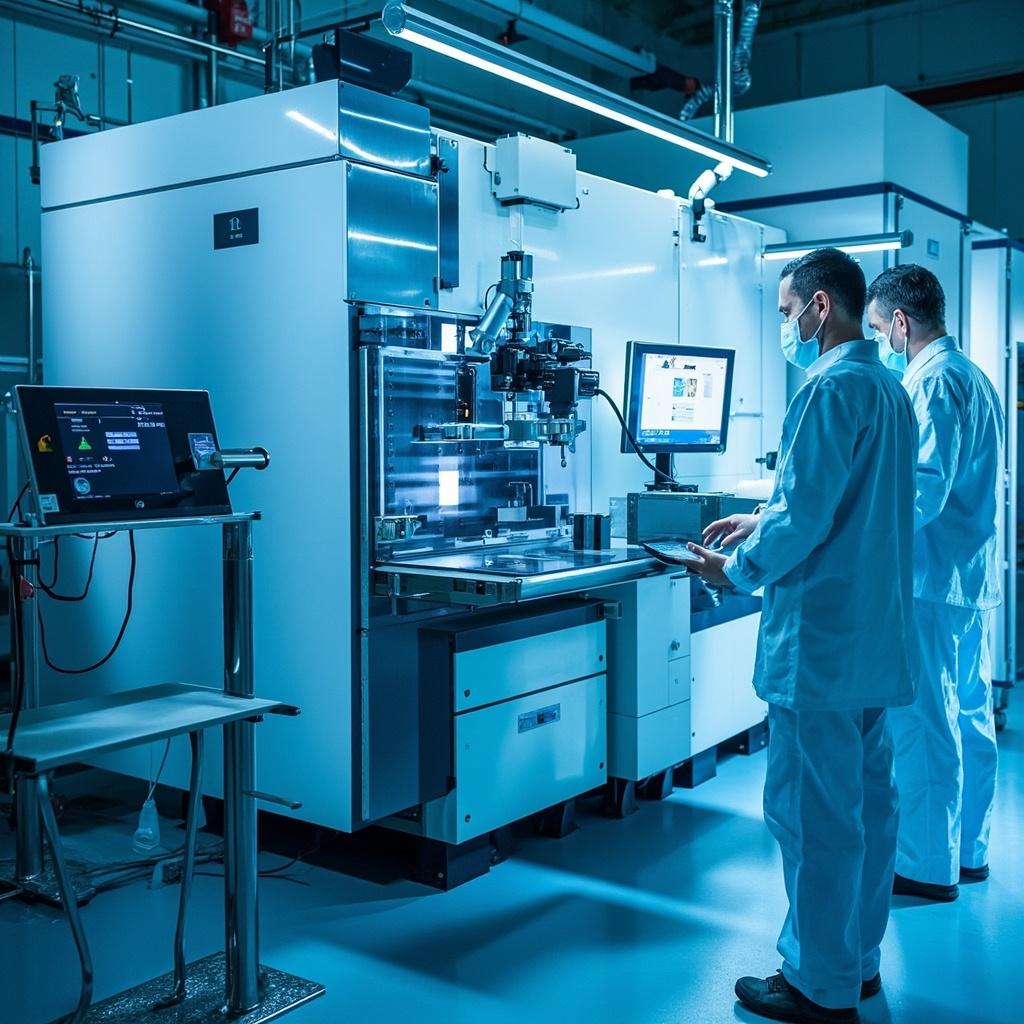
3. 整机装配与系统集成: 外壳组装、线束、布线、最终组装、系统级测试、老化测试和包装。对于敏感组件,需在洁净室(ISO 7/8级或更高)中组装。
4. 法规合规: • EMC/EMI: 电磁兼容性(美国FCC Part 15,欧盟EN 55032/55035)。 • 安全: 音视频/IT设备UL/CSA/EN 62368-1,医疗电气设备IEC 60601。 • 环境: RoHS(有害物质限制)、REACH、WEEE(废弃电子电气设备)。 • 冲突矿产: 多德-弗兰克法案第1502条——对锡、钽、钨、金(3TG)的尽职调查。 • ESD控制: ANSI/ESD S20.20——制造环境中的静电放电保护。
5. 可靠性测试: HALT(高加速寿命试验)、HASS(高加速应力筛选)、热循环、振动/冲击测试、湿度测试,以及户外设备的盐雾测试。汽车电子:AEC-Q100认证;军工/航空航天:MIL-STD-810和MIL-STD-461。
Electronics manufacturing combines extraordinary precision (nanometer-scale semiconductor fabrication), complex supply chains (billions of components), and rigorous quality standards — understanding these is essential for evaluating any electronics manufacturer.
1. PCB Assembly (PCBA): • SMT (Surface Mount Technology): Solder paste printing → pick-and-place (high-speed chip shooters at 50,000-100,000+ components/hour) → reflow soldering (controlled thermal profiles). • Through-hole technology (THT): For larger connectors and power components — wave soldering or selective soldering. • Mixed-technology boards combining SMT and THT.
2. Quality & Inspection: • AOI (Automated Optical Inspection) — camera-based defect detection. • AXI (Automated X-ray Inspection) — internal solder joint inspection for BGA, QFN packages. • ICT (In-Circuit Testing) — electrical testing of individual components. • Flying probe testing — for prototypes and low volumes. • Functional testing (FCT) — board-level functionality verification. • IPC standards: IPC-A-610 (acceptability of electronic assemblies), IPC J-STD-001 (soldering requirements), IPC-7711/7721 (rework/repair).
3. Box Build & System Integration: Enclosure assembly, wiring harnesses, cabling, final assembly, system-level testing, burn-in testing, and packaging. Cleanroom assembly (ISO Class 7/8 or better) for sensitive assemblies.
4. Regulatory Compliance: • EMC/EMI: Electromagnetic compatibility (FCC Part 15 in US, EN 55032/55035 in EU). • Safety: UL/CSA/EN 62368-1 for audio/video/IT equipment, IEC 60601 for medical electrical equipment. • Environmental: RoHS (Restriction of Hazardous Substances), REACH, WEEE (Waste Electrical and Electronic Equipment). • Conflict minerals: Dodd-Frank Section 1502 — due diligence on tin, tantalum, tungsten, gold (3TG). • ESD control: ANSI/ESD S20.20 — electrostatic discharge protection in manufacturing environments.
5. Reliability Testing: HALT (Highly Accelerated Life Testing), HASS (Highly Accelerated Stress Screening), thermal cycling, vibration/shock testing, humidity testing, and salt spray for outdoor equipment. For automotive electronics: AEC-Q100 qualification; for military/aerospace: MIL-STD-810 and MIL-STD-461.
采购电子设备——无论是成品、PCBA合同制造,还是OEM/ODM合作——都需要应对元件供应链、法规合规、知识产权保护和快速技术过时等独特而复杂的局面。
1. 元件采购与BOM管理: 物料清单(BOM)是基础。验证元件可用性和交货周期——2020-2022年的半导体短缺暴露了单一来源元件的灾难性供应风险。要求提供AVL(合格供应商清单),并为关键元件提供合格的替代品。了解EOL(停产)和PCN(产品变更通知)流程——制造商应在停产前6-12个月发出通知。
2. 制造质量与可追溯性: 要求符合IPC-A-610 Class 2(专用服务电子产品)或Class 3(高性能/恶劣环境电子产品)验收标准。验证首件检验(FAI)流程。对于受监管行业(医疗、航空航天、汽车),要求全程可追溯性——从元件批次代码到组装再到成品序列号。
3. 知识产权保护: 电子制造涉及共享原理图、PCB布局、固件和BOM——敏感的知识产权。确保保密协议、竞业禁止条款和制造协议保护您的知识产权。对于联网产品,考虑固件加密、安全启动和硬件安全模块(HSM)。注意知识产权执法薄弱的司法管辖区。
4. 法规合规与市场准入: 验证CE标志(欧盟)、FCC(美国)、CCC(中国)以及其他特定市场的认证。对于无线产品:FCC ID、ISED(加拿大)、MIC(日本)、NCC(台湾)——每个都需要单独的测试和认证。了解RoHS、REACH、WEEE和冲突矿产的合规义务。监管环境不断演变——PFAS限制、维修权立法和网络安全要求(欧盟《网络弹性法案》、英国PSTI)正在重塑要求。
5. 供应链与地缘政治风险: 电子供应链高度集中在亚洲。中美技术冲突对先进半导体、EDA软件和制造设备造成了限制。尽可能实现供应链多元化——考虑中国+1或多国战略。了解关税风险(对中国电子产品的301条款关税仍为7.5-25%)。对于国防/安全敏感应用,验证供应链完整性和可信代工厂要求。
Sourcing electronic equipment — whether finished products, PCBA contract manufacturing, or OEM/ODM partnerships — requires navigating a uniquely complex landscape of component supply chains, regulatory compliance, intellectual property protection, and rapid technological obsolescence.
1. Component Sourcing & BOM Management: The Bill of Materials (BOM) is the foundation. Verify component availability and lead times — semiconductor shortages 2020-2022 demonstrated catastrophic supply risk for single-sourced components. Require AVL (Approved Vendor List) with qualified alternatives for critical components. Understand EOL (End-of-Life) and PCN (Product Change Notification) processes — manufacturers should provide 6-12 months notice before discontinuing components.
2. Manufacturing Quality & Traceability: Require IPC-A-610 Class 2 (dedicated service electronic products) or Class 3 (high-performance/harsh environment electronics) acceptance standards. Verify first article inspection (FAI) processes. Require full traceability — from component lot codes through assembly to finished product serial number — for regulated industries (medical, aerospace, automotive).
3. Intellectual Property Protection: Electronics manufacturing involves sharing schematics, PCB layouts, firmware, and BOMs — sensitive IP. Ensure NDAs, non-compete clauses, and manufacturing agreements protect your IP. Consider firmware encryption, secure boot, and hardware security modules (HSM) for connected products. Be aware of jurisdictions with weak IP enforcement.
4. Regulatory Compliance & Market Access: Verify CE marking (EU), FCC (US), CCC (China), and other market-specific certifications. For wireless products: FCC ID, ISED (Canada), MIC (Japan), NCC (Taiwan) — each requires separate testing and certification. Understand RoHS, REACH, WEEE, and conflict minerals compliance obligations. The regulatory landscape is continuously evolving — PFAS restrictions, right-to-repair legislation, and cybersecurity requirements (EU Cyber Resilience Act, UK PSTI) are reshaping requirements.
5. Supply Chain & Geopolitical Risk: Electronics supply chains are heavily concentrated in Asia. The US-China technology conflict has created restrictions on advanced semiconductors, EDA software, and manufacturing equipment. Diversify supply chains where possible — consider China+1 or multi-country strategies. Understand tariff exposure (Section 301 tariffs on Chinese electronics remain 7.5-25%). For defense/security-sensitive applications, verify supply chain integrity and trusted foundry requirements.
全球电子行业由深度非凡的亚洲制造生态系统主导,设计和品牌领导力集中在美国,欧洲、日本和韩国各有专长。
1. 中国——世界电子工厂: 中国是世界上最大的电子设备生产国和出口国。珠三角(深圳、东莞、广州)可以说是全球最密集的电子制造生态系统——仅华强北电子市场就占地数百万平方英尺,几乎提供所有电子元件。主要公司:富士康/鸿海(全球最大电子制造商——组装约70%的iPhone)、华为(电信设备、智能手机、网络)、小米、OPPO、vivo(智能手机)、联想(PC)、比亚迪电子(元件和组装)。
2. 台湾——半导体与ODM重镇: 台积电——全球最先进的半导体代工厂(生产约90%的世界最先进芯片)。富士康、和硕、广达、仁宝、纬创——设计并制造全球大部分笔记本电脑、服务器和智能手机的ODM厂商。
3. 韩国——存储与显示领导者: 三星电子——全球营收最高的电子公司,在存储芯片、智能手机和显示器领域占据主导地位。SK海力士——存储领域第二。LG电子——显示器、家电、汽车元件。
4. 日本——元件与精密制造: 索尼(图像传感器——约50%全球市场份额,游戏)、松下、东芝、日立、瑞萨(半导体、汽车电子)、村田、TDK、京瓷、罗姆(无源元件、连接器——日本主导无源元件市场)。
5. 美国——设计、软件与品牌领导力: 苹果(加州设计,亚洲制造——全球市值最高公司)、英特尔、AMD、英伟达、高通、博通(半导体设计——无晶圆厂模式)、思科、瞻博网络、Arista(网络)、惠普、戴尔(PC/服务器)。美国主导半导体设计、EDA软件和IP。
6. 欧洲: ASML(荷兰——唯一生产先进芯片制造必需EUV光刻系统的制造商)、英飞凌、意法半导体、恩智浦(汽车/工业半导体)、爱立信、诺基亚(电信设备)。
The global electronics industry is dominated by an Asian manufacturing ecosystem of extraordinary depth, with design and brand leadership concentrated in the US, and specialized strengths in Europe, Japan, and Korea.
1. China — The Electronics Workshop of the World: China is the world''s largest producer and exporter of electronic equipment. The Pearl River Delta (Shenzhen, Dongguan, Guangzhou) is arguably the world''s densest electronics manufacturing ecosystem — Huaqiangbei electronics market alone spans millions of square feet with virtually every electronic component available. Key companies: Foxconn/Hon Hai (world''s largest electronics manufacturer — assembles ~70% of iPhones), Huawei (telecom equipment, smartphones, networking), Xiaomi, Oppo, Vivo (smartphones), Lenovo (PCs), BYD Electronics (components and assembly).
2. Taiwan — The Semiconductor & ODM Powerhouse: TSMC — world''s most advanced semiconductor foundry (produces ~90% of the world''s most advanced chips). Foxconn, Pegatron, Quanta, Compal, Wistron — the ODMs that design and manufacture most of the world''s laptops, servers, and smartphones.
3. South Korea — Memory & Display Leadership: Samsung Electronics — world''s largest electronics company by revenue, dominant in memory chips, smartphones, and displays. SK Hynix — #2 in memory. LG Electronics — displays, home appliances, automotive components.
4. Japan — Components & Precision: Sony (image sensors — ~50% global market share, gaming), Panasonic, Toshiba, Hitachi, Renesas (semiconductors, automotive electronics), Murata, TDK, Kyocera, Rohm (passive components, connectors — Japan dominates the passive component market).
5. United States — Design, Software & Brand Leadership: Apple (designs in California, manufactured in Asia — world''s most valuable company), Intel, AMD, NVIDIA, Qualcomm, Broadcom (semiconductor design — fabless model), Cisco, Juniper, Arista (networking), HP, Dell (PCs/servers). The US dominates semiconductor design, EDA software, and IP.
6. Europe: ASML (Netherlands — the only manufacturer of EUV lithography systems essential for advanced chip manufacturing), Infineon, STMicroelectronics, NXP (automotive/industrial semiconductors), Ericsson, Nokia (telecom equipment).